
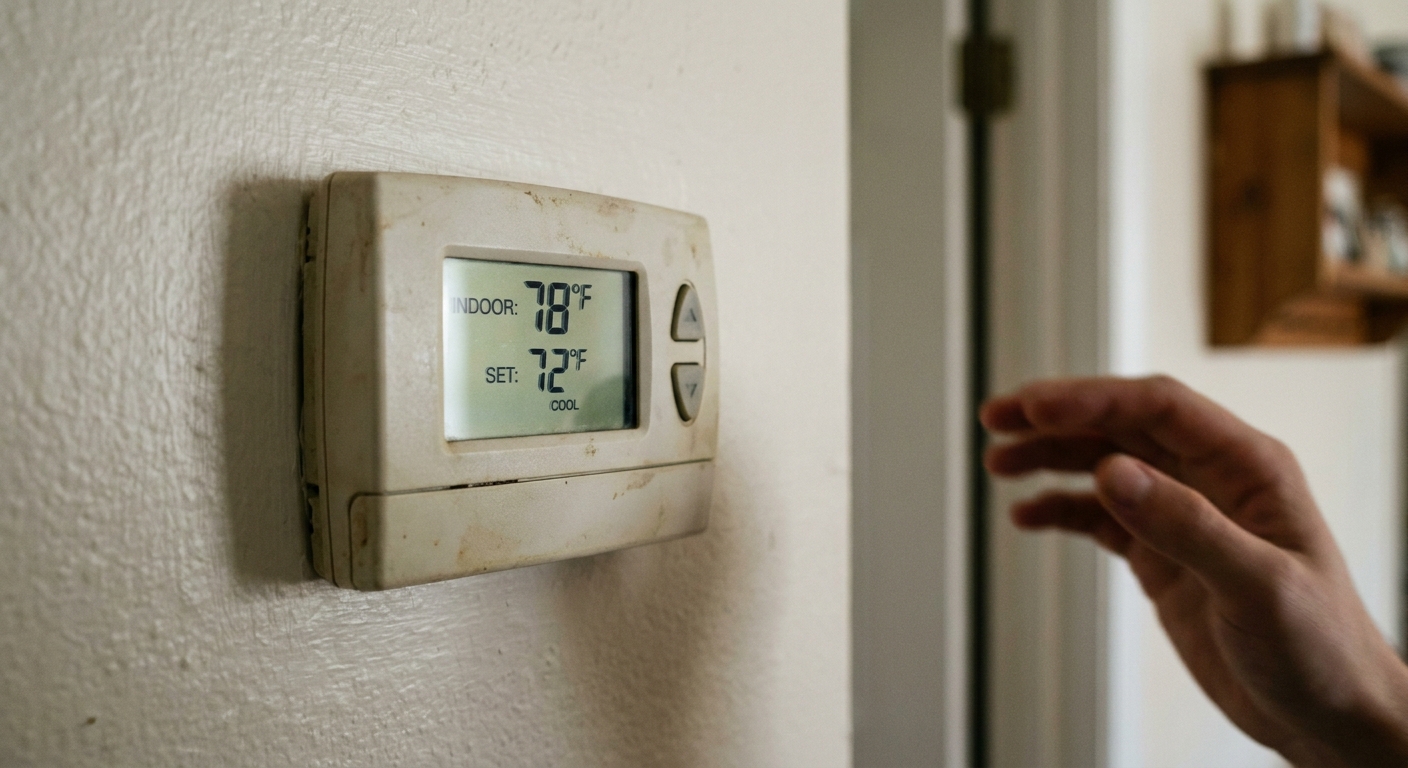
It’s August, the temperature in Metairie is pushing the mid-90s, and your indoor thermostat is stubbornly stuck at 80°F or higher. You’ve turned the fan on, you’ve closed the blinds, but the house still feels like a sauna. A warm home can reflect high heat load, limited capacity, restricted airflow, or an equipment fault; the temperature alone does not identify the cause. Before you start blaming the whole system, it helps to understand the most common reasons an AC can’t keep up during the peak heat of a Louisiana summer.
In this post we’ll walk through the typical culprits—undersized units, dirty coils, low refrigerant, airflow restrictions, and worn-out fans or compressors. For each issue you’ll see possible warning signs and what a technician may check. Repair scope, timing, and price depend on diagnosis. The goal is to give you enough information to decide whether a simple tune-up will solve the problem or if correctly sized replacement equipment is worth considering. When you’re ready, you can call us for a diagnostic or request a free quote online.
1. Symptoms That Show Your AC Is Struggling
Start with the indoor temperature trend, thermostat setting, and changes from normal operation. There is no universal rule that a healthy AC must cool a home to 15°F below the outdoor temperature within an hour. Weather, insulation, humidity, equipment capacity, and the starting temperature all affect recovery time. Repeated brief cycles are a separate symptom that also needs diagnosis.
Another common sign is uneven cooling. Some rooms stay comfortably cool while others stay warm, especially those far from the return vent or on the second floor. Possible causes include duct or airflow problems, different room heat loads, insulation, or equipment capacity. A room-by-room assessment is more useful than assuming that a larger unit is needed.
Report new squealing, humming, or grinding, but do not diagnose a component by sound alone. Weak indoor airflow can involve the filter, ducts, coil, or indoor blower. If there is loud buzzing, a burning smell, or repeated failed starts, turn cooling off and arrange service.
Finally, watch the energy bill. In Metairie, a typical family sees a noticeable bump in August electric usage when the AC is working inefficiently. If the bill spikes without a change in usage habits, it’s worth checking the system for the issues listed below.
2. Undersized AC – When the Unit Is Too Small for the Home
For a Greater New Orleans home, a contractor should calculate the cooling load using the home’s dimensions, insulation, windows, air leakage, and local design conditions. A 2,000-square-foot floor area does not by itself establish whether a 2-ton or 3-ton unit is appropriate.
A genuinely undersized system can struggle during peak heat, but long run time does not by itself predict early failure. Some variable-capacity systems run for long periods by design. Diagnose capacity and operating conditions before deciding that replacement is needed.
Retrofitting a larger unit isn’t just a matter of swapping the outdoor coil. The indoor coil, refrigerant line set, and sometimes the ductwork need to be matched to the new capacity. A professional should calculate the home’s loads with Manual J and select equipment using Manual S and manufacturer performance data before ordering.
If testing confirms a capacity shortfall, compare appropriate repairs, duct or building improvements, and correctly selected replacement equipment. A larger unit is not an automatic fix for a home that is difficult to cool.
3. Dirty Condenser Coil and Restricted Airflow
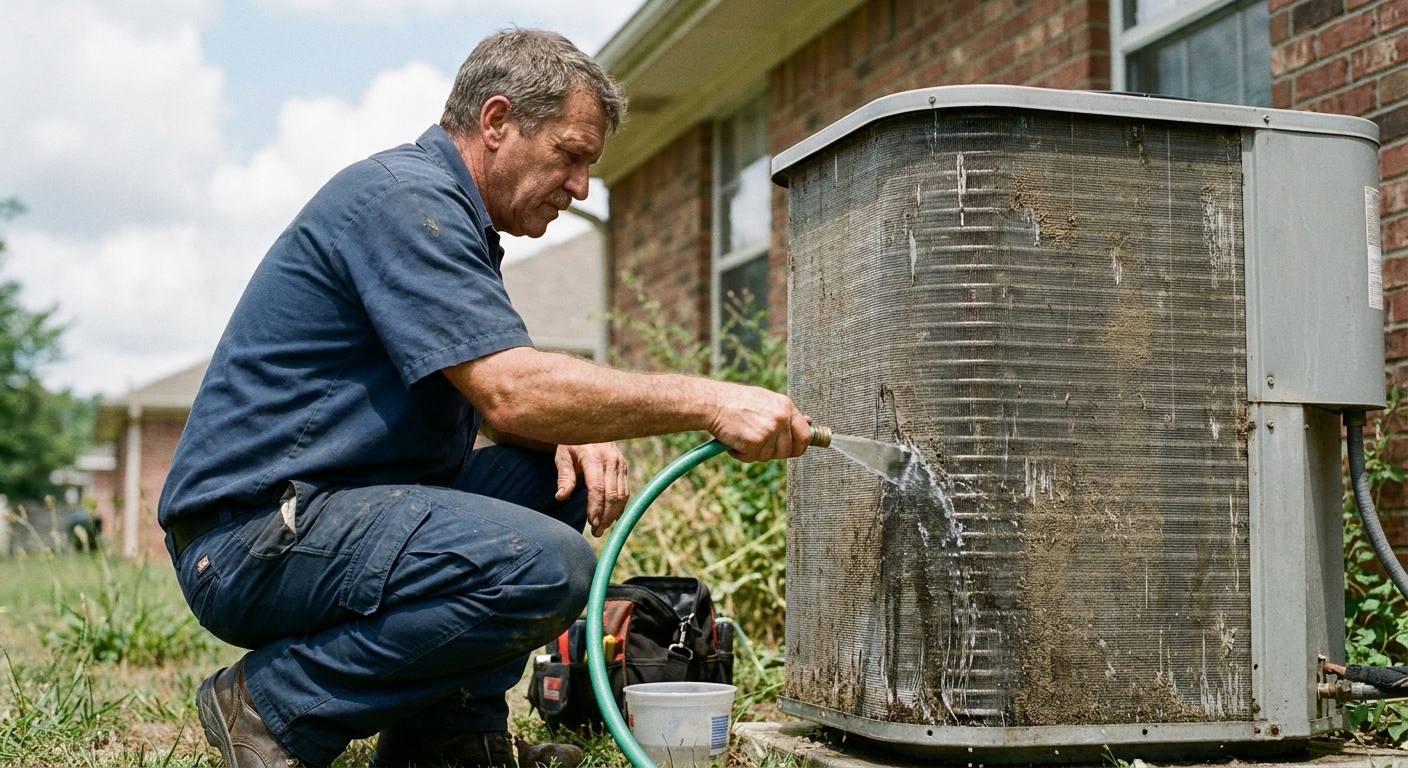
The outdoor condenser coil is the heat-exchanger that releases the indoor heat to the outside air. Over time, pollen, dust, and other outdoor debris can collect on the fins. When the coil is dirty, heat transfer efficiency drops dramatically, and the compressor has to work harder to achieve the same cooling.
Cleaning the coil is a straightforward maintenance task, but it must be done correctly. A technician follows the manufacturer’s isolation and cleaning instructions. The method depends on the coil design; an unsuitable cleaner, strong water pressure, or careless handling can damage it.
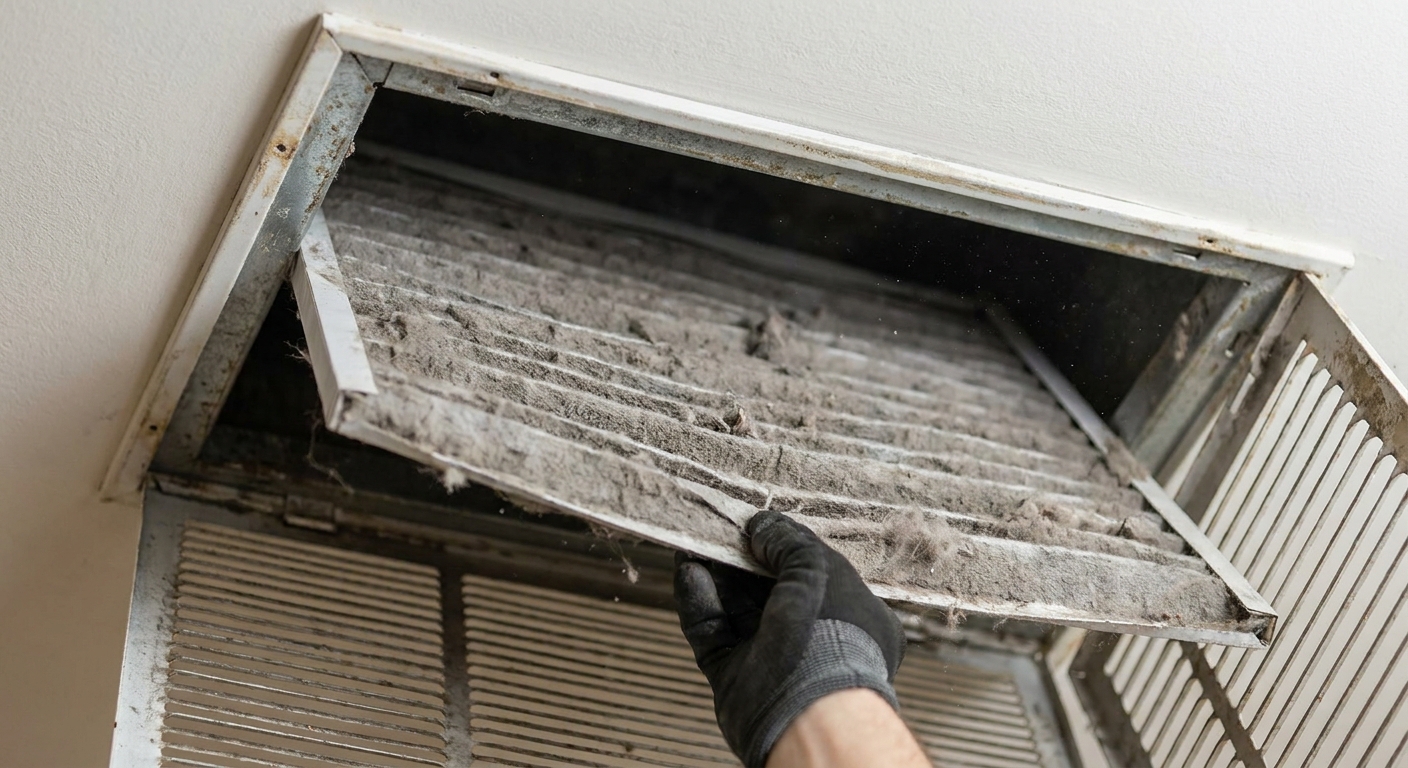
Airflow restriction isn’t limited to the outdoor unit. Clogged air filters, blocked return vents, and closed supply registers all reduce the amount of air moving across the evaporator coil. When airflow drops, the coil can freeze, leading to a loss of cooling and potentially damaging the compressor.
Homeowners can check a filter every month during the summer. Inspect it with the system off and replace or clean it according to the filter’s instructions and condition. Also, make sure that all vents are open and unobstructed. Simple steps like these keep the system breathing and can prevent a cascade of larger problems.
4. Low Refrigerant, Leaks, and the Real Cost of Recharging
Refrigerant is the fluid that circulates through the system, absorbing heat inside and releasing it outside. If the charge is low, the evaporator coil can’t absorb enough heat, and the indoor temperature stays high. Low charge can indicate a leak or an incorrect initial charge. A leak can occur at several parts of the refrigerant circuit; symptoms alone do not locate it.
A qualified technician can test for leaks and explain the repair options. After an approved repair, they follow the equipment’s procedures for evacuation, charging, and verifying operation. Adding refrigerant alone does not repair a leak, and the refrigerant must be appropriate for the system.
Below is a typical cost range for the parts and labor involved in a refrigerant-related service in the Metairie area:
- Refrigerant: $125-$225 per pound (newer R-454B at the high end)
- Leak repair (including labor and materials): $400-$900
- Dispatch fee in Greater New Orleans: $109. Repairs are quoted after diagnosis.
- Repair labor and parts: included in the quoted repair scope.
These numbers are averages; the final price depends on the amount of refrigerant needed and the complexity of the leak location. Because refrigerant handling is regulated, it’s not a DIY job. A properly diagnosed repair can improve operation; pressure readings must be interpreted with temperature, airflow, and the equipment’s specifications.
5. Fan and Compressor Problems That Reduce Capacity
The outdoor condenser fan moves air across the condenser coil; the indoor blower moves air through the home’s ducts. A motor or control fault can reduce or stop airflow, but a humming sound alone does not establish which component failed. Fan motor replacement can range from $450 to $1,200, depending on whether a standard PSC motor or a variable-speed ECM motor is installed.
The compressor is the heart of the system. When it fails, the unit stops cooling altogether. Common failure modes include electrical burnout, overheating, or internal mechanical wear. A compressor replacement typically costs between $1,800 and $2,900 for parts and labor. Because the compressor is matched to the system’s refrigerant type and capacity, a replacement usually means a full unit service call and a thorough check of related components.
Capacitors and contactors are smaller electrical parts that help start the fan and compressor. When they go bad, the unit may start intermittently or not at all. Leave electrical-panel access and component testing to a qualified technician; capacitors can remain hazardous after power is disconnected. Replacement costs for these parts fall in the $200-$450 range and are often done during the same service visit as a fan or compressor repair.
When you suspect a fan or compressor issue, the best move is to schedule a diagnostic. The technician will run a pressure test, check electrical readings, and verify that the motor windings are intact. Early detection can sometimes avoid a full compressor swap, especially if the problem is a failing capacitor.
6. When to Call a Professional and What to Expect
Most homeowners can keep filters clean and schedule an annual tune-up, but the issues above require trained eyes and tools. If you notice any of the following, it’s time to call:
- Consistently high indoor temperatures despite a set thermostat.
- Repeated brief cycles, or unusually long runs accompanied by poor cooling.
- Unusual noises from the outdoor unit.
- Visible ice on an exposed refrigerant line or coil. Turn cooling off, do not chip or heat the ice, and arrange service without opening the cabinet.
- Significant increase in August electricity bills.
A professional service visit typically begins with a diagnostic fee (quoted above). The technician will inspect the outdoor coil, check refrigerant pressure, test the fan motor, and verify airflow throughout the house. After the inspection, you’ll receive a written estimate that outlines the needed repairs, parts, and labor.
Our maintenance plan is $25 per month or $300 per year and includes two service visits and a 15% discount on repairs. Repair discounts do not apply to system installations. Confirm the plan terms and any separately quoted work when booking.
In addition to core repairs, we offer smart-thermostat and indoor air quality options. Remote monitoring features depend on the thermostat model. Suitable filtration can reduce some airborne particles, but an air cleaner does not fix a moisture source or remove the need for humidity control.
Final Thoughts
August heat in Metairie tests every air-conditioner. If your system is struggling, the cause is often one of the five areas we covered: an undersized unit, dirty coil, low refrigerant, airflow restrictions, or a failing fan or compressor. The symptoms overlap, so a diagnosis is needed before choosing a repair. Understanding these basics helps you make an informed decision about whether a simple tune-up will restore comfort or replacement equipment is warranted.
When in doubt, a professional diagnostic is the safest way to pinpoint the issue. Our technicians know the local climate, the typical house sizes in Kenner and Metairie, and the most common equipment failures in this area. A quick call or an online request for a free quote can get you on the path to a cooler home before the heat peaks again.
Need honest HVAC help in Kenner, Metairie, or anywhere across the Greater New Orleans area? Call Tegridy Air at 504-414-8655 or request a free quote online – ask about availability and the next step for your system.
Related Reading
- Picking the Right-Size AC for Your Metairie Home – Bigger Isn’t Better
- Mid-Summer AC Tune-Up to Keep Your Kenner Home Running in July
- How To Reset AC Your Unit (and Keep Your Cool!)
Frequently Asked Questions
Why does my AC run all day but never reach the set temperature?
Possible causes include high heat load, restricted airflow, dirty coils, low refrigerant, or a component problem. Long run times can also be normal in some conditions. If the home stays uncomfortable, have the system and the home’s load assessed.
How can I tell if my AC’s refrigerant is low?
Weak cooling, long runs, or ice can occur with low refrigerant, but airflow problems can cause similar symptoms. A qualified technician must assess charge using the equipment’s specified measurements; pressure alone does not establish the cause.
Is it worth cleaning the condenser coil myself?
Keep loose debris away from the outside of the unit without reaching through the grille. Leave cabinet access and coil cleaning to a professional who can isolate power and follow the model’s cleaning instructions.
What does “short-cycling” mean and why is it bad?
Short cycling means unusually brief, repeated operating cycles. Possible causes include oversizing, controls, airflow, refrigerant, or electrical faults. It can happen even when an oversized unit reaches the set point quickly. Diagnosis is needed before choosing a repair.