
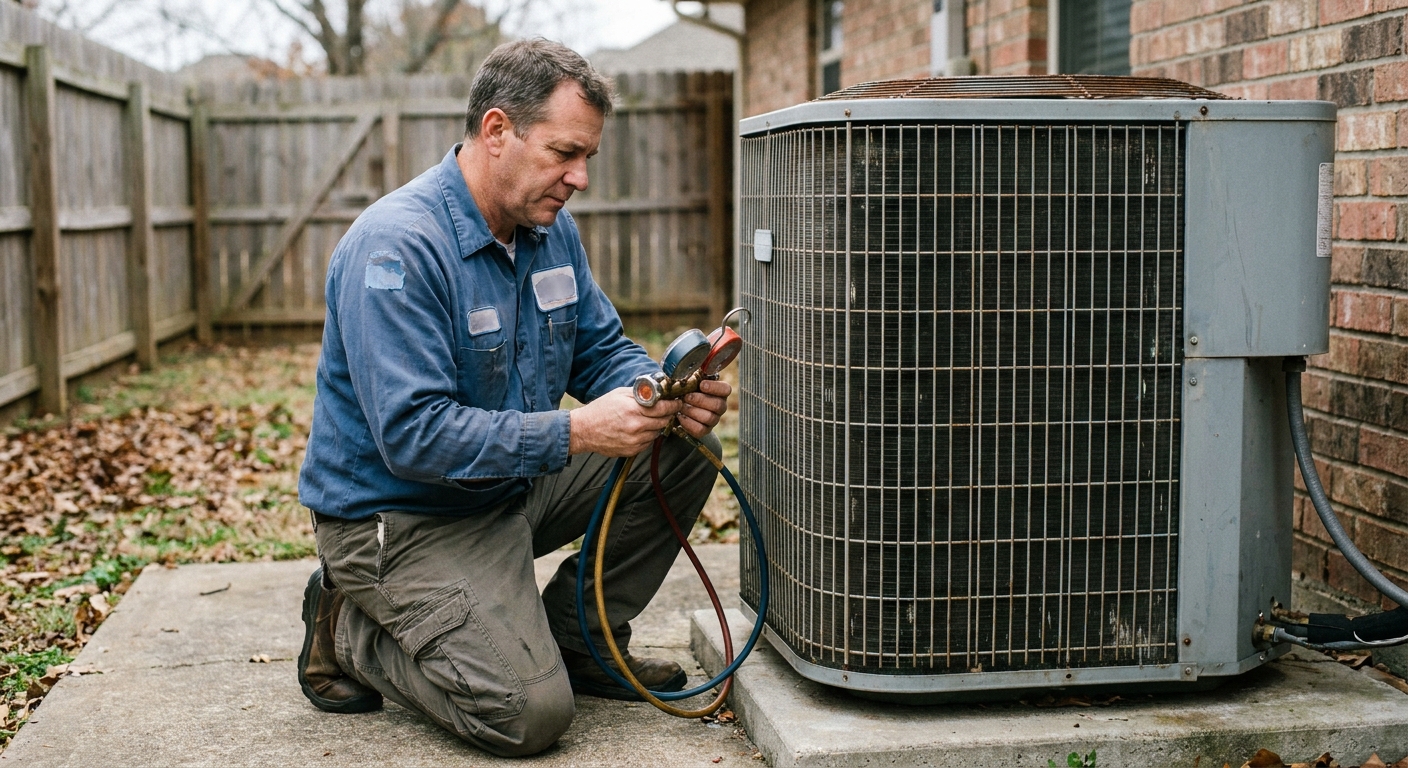
A mid-summer AC tune-up can help identify developing problems, especially if you missed preseason maintenance. If cooling weakens, new noises develop, or the system cannot reach the thermostat setting, arrange a diagnostic visit rather than waiting for a breakdown. An active fault may need a repair beyond the tune-up, and maintenance cannot guarantee trouble-free operation.
South Louisiana’s hot, humid weather increases the cooling and moisture-removal demands on a central air system. Dirty coils, restricted airflow, or an incorrect refrigerant charge can impair performance. A professional check can identify problems that need cleaning, adjustment, or a separately quoted repair.
Why a Mid-Summer Tune-Up Matters
Most homeowners think of HVAC maintenance as a spring task, but the heat of July is a more demanding test. By the time the outdoor unit has been running for a month or more, dust, pollen, and even mold can accumulate on the condenser coils. That buildup reduces heat exchange efficiency, forcing the compressor to run longer and draw more power.
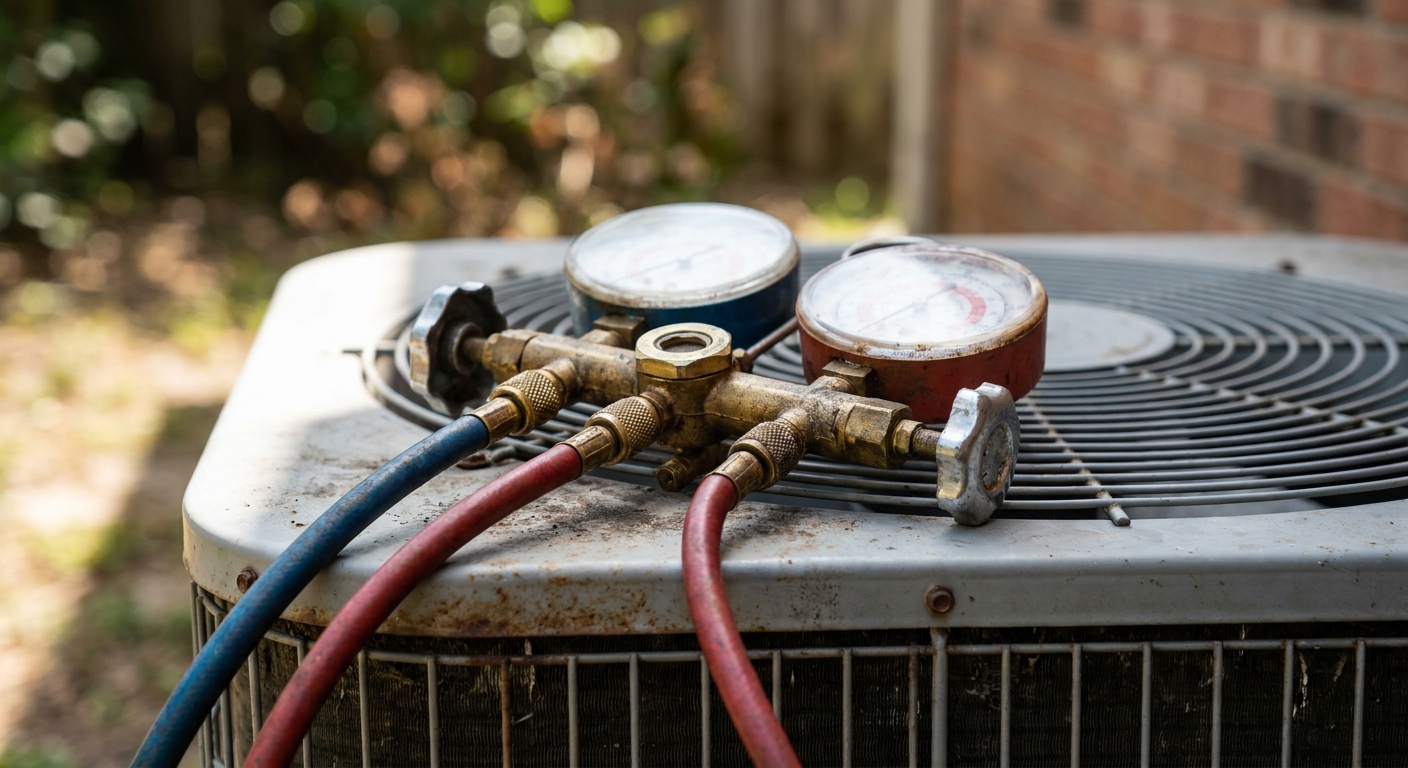
Another factor is refrigerant pressure. Operating pressures depend on the equipment, indoor and outdoor conditions, airflow, and refrigerant charge; pressure alone does not establish the correct charge. As the season progresses, small leaks or a slightly under-charged system become more noticeable because the compressor has to work against higher ambient temperatures. A professional check of the refrigerant charge can catch a leak before it leads to a full compressor failure.
Fan and motor wear also accelerates in the summer. The outdoor fan may develop bearing wear or electrical issues that aren’t obvious at low speed. If the fan slows down, the condenser can’t shed heat effectively, and the whole system runs hotter. Early detection of motor or capacitor problems can save you from a costly emergency repair.
Finally, a tune-up gives you a clear picture of your system’s efficiency. SEER or SEER2 is a seasonal efficiency rating based on standardized testing, not a guarantee of performance in your home. Dirt, airflow problems, installation, and operating conditions can affect actual energy use. Knowing where you stand lets you decide whether a simple service or a larger upgrade makes sense before the next billing cycle.
What a Professional AC Tune-Up Includes
When we come out for a mid-summer air conditioner service, we follow a checklist that covers every part that affects performance. First, we inspect the outdoor condenser for debris, clear the area, and clean the coil fins with a low-pressure hose. Cleaning a dirty coil can improve its ability to release heat.
Next, we assess refrigerant charge using the manufacturer’s procedure, with pressure and temperature measurements and an airflow check. Low pressure alone does not prove a leak. If a leak is confirmed, we explain the repair and recharge needed. The refrigerant cost ranges from $125 to $225 per pound, depending on the type used.
We also test the electrical components. The capacitor and contactor are examined for signs of wear, and we replace them if needed. A faulty capacitor can cause the fan motor to start slowly or overheat, while a bad contactor can lead to intermittent power loss.
Our maintenance plan is $25 per month or $300 per year and includes two service visits and a 15% discount on repairs. Repair discounts do not apply to system installations. Confirm the plan terms and any separately quoted work when booking.
Common July Issues and How a Tune-Up Catches Them
One of the most frequent complaints in July is reduced cooling capacity. A dirty condenser coil or restricted outdoor airflow can contribute, but reduced cooling has several possible causes. Cleaning a dirty coil and correcting a fan problem can improve heat transfer; the effect on comfort and energy use depends on the diagnosis and overall system condition.
Another issue is short-cycling, where the unit turns on and off rapidly. This can be caused by an over-charged refrigerant system, a faulty thermostat, or an oversized unit for the home’s load. During the tune-up we verify the thermostat settings, confirm the refrigerant charge, and check the system’s run-time to ensure it’s not cycling excessively.
Leaking refrigerant is a hidden problem that becomes more apparent in the summer. A small leak may not trigger a noticeable loss of cooling until the temperature climbs high enough that the compressor works harder. Leak detection tools help a technician locate the source; a separate repair addresses it. Finding and correcting a leak can limit refrigerant loss and reduce the risk of further damage.
Lastly, we watch for signs of motor wear. A humming sound or occasional failure of the outdoor fan to start are early warnings. By testing the motor’s amperage draw and listening for abnormal noises, we can recommend a motor or capacitor replacement before the fan fails completely.
Cost Considerations and What to Expect
Tegridy Air’s published dispatch fee for Greater New Orleans is $109. Repair pricing is quoted after diagnosis and before the repair proceeds.
- Refrigerant: $125-$225 per pound
- Fan/blower motor replacement: $450-$1,200
- Compressor replacement: $1,800-$2,900
- Capacitor/contactor replacement: $200-$450
- Refrigerant leak repair: $400-$900 (plus refrigerant)
Other services, such as duct sealing, coil replacement, or air purification system installation, depend on the home’s layout and the scope of work. We provide a written estimate after the diagnostic so you can review the scope and quoted price before any parts are ordered.
Free replacement estimates are separate from repair diagnostic visits. For planning information, see our 2026 Kenner AC replacement cost guide. Your final quote depends on the equipment and installation scope.
Scheduling and Maintenance Plans for Kenner & Metairie Homeowners
We recommend setting up a mid-summer appointment as soon as you notice any change in performance. Schedule based on maintenance history and current symptoms, and ask about appointment availability. Our calendar fills quickly during the summer months, so calling early gives you more flexibility.
Our maintenance plan is $25 per month or $300 per year and includes two service visits and a 15% discount on repairs. Repair discounts do not apply to system installations. Confirm the plan terms and any separately quoted work when booking.

DIY Checks vs. Professional Service
There are a few simple things you can do yourself to keep the system running between professional visits. First, keep the area around the outdoor unit clear of leaves, grass clippings, and other debris. Two feet is a common vegetation-clearance guideline, but follow the unit manufacturer’s side, top, and service-access requirements.
Second, inspect the filter monthly during heavy summer use and replace it when dirty or as the manufacturer directs. Clean only filters labeled washable. Use the specified size and type, and follow the equipment’s shutdown instructions before accessing a homeowner-serviceable filter. Restricted airflow can contribute to an iced coil; leave internal panels and electrical parts to a technician.
Third, listen for unusual noises. A rattling sound may indicate loose fan blades, while a high-pitched squeal can be a sign of motor bearing wear. If you notice anything out of the ordinary, give us a call. While these checks are helpful, they don’t replace a full diagnostic that includes refrigerant pressure testing, electrical inspection, and coil cleaning.
Finally, never attempt to handle refrigerant, open sealed system components, or test capacitors or other electrical parts yourself. Refrigerant handling requires certification, and improper work can cause safety hazards or damage to the compressor. Let a certified technician take care of those parts.
Final Thoughts
A mid-summer AC tune-up is a practical step to keep your Kenner or Metairie home comfortable through the hottest weeks. Cleaning the condenser, assessing refrigerant charge, and inspecting electrical components can identify developing problems, but no tune-up can prevent every breakdown. The price of a professional service is modest compared with the expense of an emergency repair or a new system.
If you’re noticing reduced cooling, odd noises, or higher electric bills, give us a call or request a free replacement estimate online. Getting a professional look now can save you time, money, and a lot of frustration when July’s heat is at its worst.
Need honest HVAC help in Kenner, Metairie, or anywhere across the Greater New Orleans area? Call Tegridy Air at 504-414-8655 or request a free replacement estimate online. Ask about the next available appointment.
Related Reading
- Is Your AC Ready for a Louisiana Summer? Here’s What a Tune-Up Actually Includes
- Spring AC Tune-Up in Kenner
- What AC Repair Actually Costs in Kenner – An Honest Breakdown
Frequently Asked Questions
How often should I have my air conditioner serviced?
Schedule cooling maintenance before the cooling season and follow the equipment manufacturer’s service guidance. A mid-summer visit may be useful for heavy use or a change in performance; it does not replace diagnosis of an active problem.
Can I clean the condenser coils myself?
You can keep loose leaves and debris clear of the area around the outdoor unit without reaching inside it. Leave coil cleaning, panel removal, refrigerant checks, and electrical work to a qualified technician. Improper cleaning can damage the fins or other components.
What signs indicate my AC needs more than a tune-up?
Poor cooling, frequent short-cycling, or unusual noises call for professional diagnosis. A higher bill can also reflect weather, usage, or rates. For a burning or electrical odor, turn the system off if safe and seek prompt professional help; do not restart it. If there is smoke or fire, leave the home and call 911 from safety.
Do you offer any financing for major repairs?
We can discuss financing options with you, but specifics depend on the repair and the homeowner’s situation. Contact us to explore what’s available for your project.