
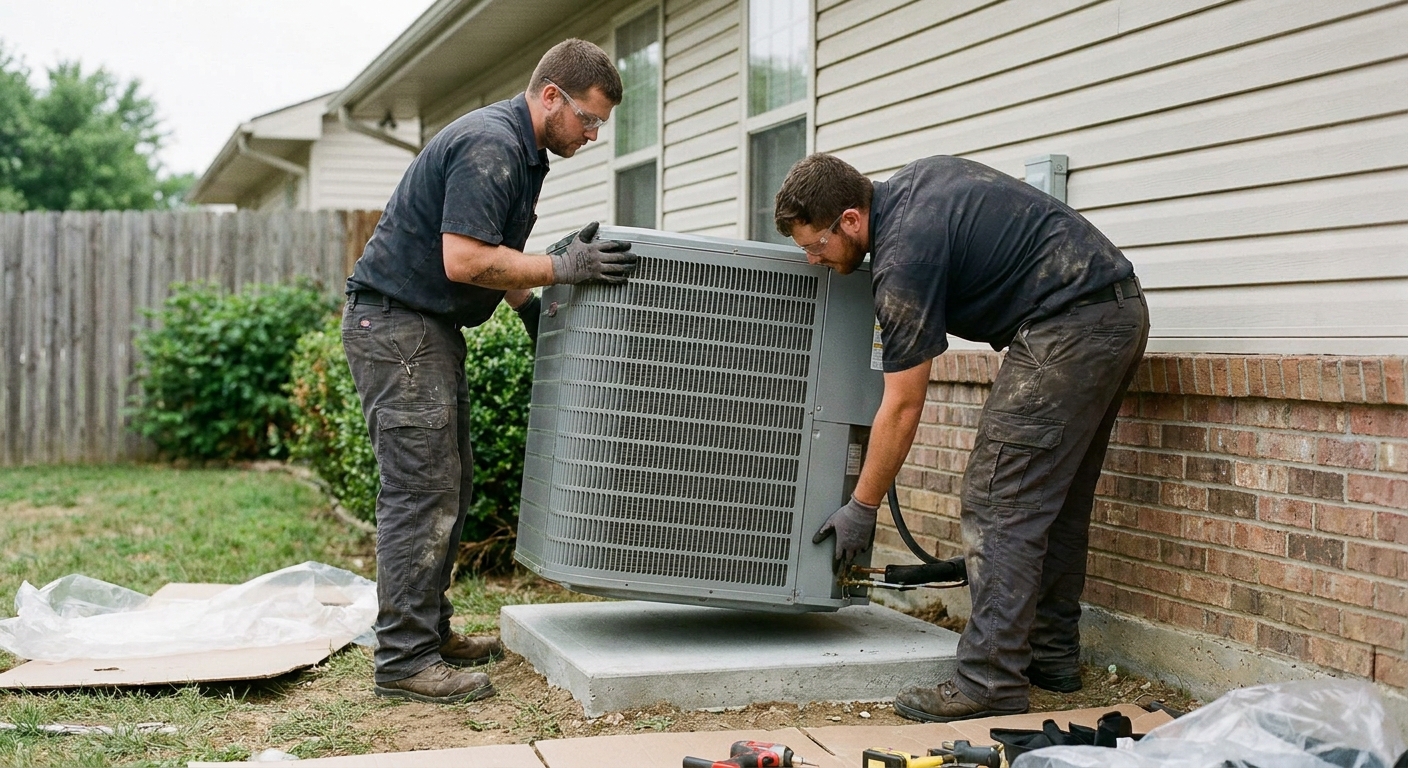
The right AC size for a Metairie home comes from its heating and cooling loads, not the largest available unit or square footage alone. Ask for a Manual J load calculation and equipment selection using Manual S. Oversizing can contribute to short cycling and poor humidity control.
Choosing the right-size AC isn’t about picking the highest BTU rating. It’s about matching the system’s output to the actual cooling load of your home. The difference shows up in how often the unit cycles, how evenly it cools each room, and how much electricity it draws. Correct sizing supports comfort and efficient operation; ductwork, controls, installation, and maintenance also matter.
In this guide we’ll walk through the steps you need to take before buying a new AC for a Metairie home. We’ll explain the Manual J calculation, point out the signs of an oversized unit, break down the real costs, and show how Tegridy Air can help you confirm the proper size with a professional diagnostic.
Why AC Size Matters
The cooling load of a house is the amount of heat that must be removed to keep indoor temperatures comfortable. That load depends on many factors: square footage, ceiling height, window size and orientation, insulation levels, and the number of occupants. In Metairie, outdoor heat contributes to the sensible cooling load, while moisture adds a latent load that the system must also handle.
A unit with insufficient capacity may struggle to reach the thermostat set point during peak demand. Long runs alone do not prove undersizing; weather, variable-capacity operation, airflow, and equipment condition also matter. Homeowners often think a larger unit will cool faster, but the constant short-cycling of an oversized system can be just as hard on the equipment.
An oversized system may satisfy the thermostat before removing enough moisture. A cool but sticky home, condensation, or musty odors deserve an assessment, but they do not identify the cause by themselves. Address persistent moisture and visible mold rather than assuming a larger unit will solve them.
How Manual J Determines the Right Size
Manual J is the industry-standard method for calculating a home’s cooling load. It uses a step-by-step process that accounts for every heat source and loss in the house. The calculation starts with the building’s dimensions, then adds heat gain from solar exposure, occupants, appliances, and lighting.
In practice, a technician will walk through each room with a tablet, measuring window sizes, noting shading, and checking insulation levels. The software then applies climate data for the Greater New Orleans area to estimate the peak cooling demand in British Thermal Units per hour (BTU/h). That number is the basis for selecting a properly sized air-conditioner.
Manual J estimates the home’s loads. Manual S uses those loads and manufacturer performance data to select equipment. Single-stage, two-stage, and variable-capacity systems have different operating characteristics; the capacity range and moisture-removal performance matter as well as the efficiency rating.
Common Signs of an Oversized Unit
Short cycles can be a clue to oversizing, but they do not establish the cause. An oversized unit may reach the thermostat set point quickly and stop while humidity remains high. Control faults and other equipment problems can also cause frequent stops and starts.
Another symptom is uneven temperature distribution. You might notice the living room feels cool while a bedroom stays warm, or vice-versa. Room-to-room differences can also reflect duct sizing, balancing, air leakage, insulation, or solar exposure; they do not confirm an oversized unit.
Excessive humidity is a third clue. If you feel a sticky atmosphere even when the thermostat reads 75°F, the unit is likely not removing enough moisture. Measure indoor humidity and investigate condensation or musty odors. Water around an air handler may indicate a drain or other fault and needs prompt attention.
Finally, higher utility bills can be a red flag. While a larger unit can cool a space faster, the inefficiencies of short cycling and poor humidity control often offset any perceived savings. If you’re seeing a spike in your Entergy bill after a new installation, it may be worth checking the unit size.
Cost Implications of Over-Sizing vs. Proper Sizing
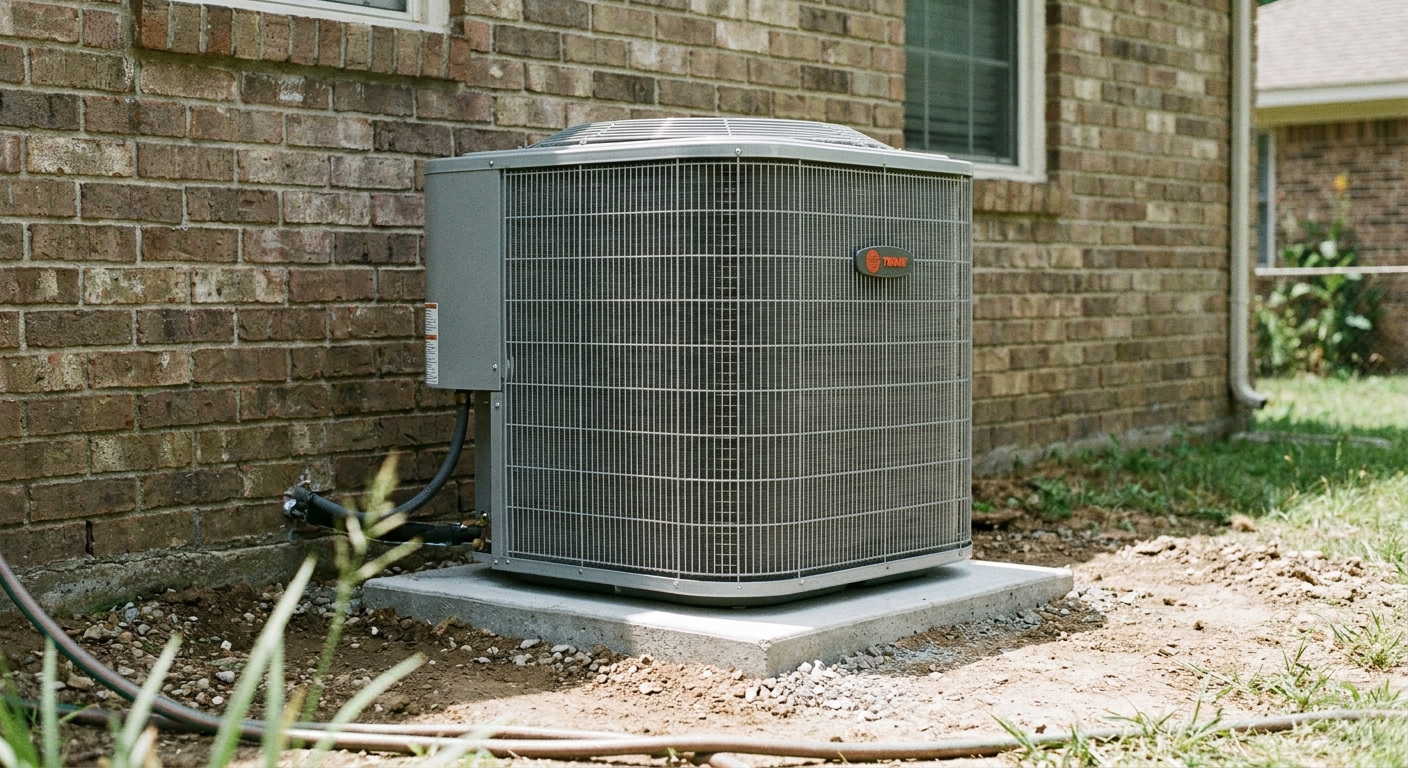
Understanding the financial side helps you weigh the options. The initial price of a larger unit can be higher, but the real cost shows up over the life of the system. Oversizing can contribute to inefficient cycling, but operating cost depends on the equipment, its controls, the installation, and the home’s load.
Here are typical professional service ranges you might encounter in the New Orleans metro:
- Dispatch fee in Greater New Orleans: $109. Repairs are quoted after diagnosis.
- Repair labor and parts: included in the quoted repair scope.
- Refrigerant (R-454B or R-410A): $125-$225 per pound
- Fan/blower motor replacement: $450-$1,200
- Compressor replacement: $1,800-$2,900
- Capacitor or contactor replacement: $200-$450
- Refrigerant leak repair (plus refrigerant): $400-$900
- System replacement: free estimates; see the 2026 Kenner AC replacement cost guide for planning information.
These numbers are for professional installation and service. DIY parts-only pricing can look lower, but the labor, disposal, and correct sizing work are what make the difference in performance and durability. A properly sized system will typically have a lower operating cost, which can offset the upfront investment over several years.
When you ask for a quote, ask for the load calculation, proposed matched equipment, and a clear written scope and price. That transparency lets you compare options without hidden fees. If you’re looking at a unit that seems significantly larger than the recommendation, ask for the load calculation that supports it.
Choosing a New AC for a Metairie Home
Once you have the cooling load, use Manual S and manufacturer performance data to compare suitable equipment. There is no universal “within 10%” rule or default 3–5 ton choice for every Metairie home. Selection must account for the system type and both temperature and moisture loads.
Compare current SEER2 efficiency ratings for the proposed matched systems. A higher rating does not by itself establish good humidity control or the best value for your home. Discuss capacity control, installation requirements, and operating-cost assumptions alongside the quoted price.
When you schedule a Metairie AC installation, the technician will verify the ductwork is appropriately sized for the new unit. Undersized ducts can restrict airflow, causing the system to work harder. If the ducts need repair or sealing, the cost will vary, and the technician will provide a quote after inspection.
A compatible smart thermostat can help manage temperature schedules. Suitable filtration may address some indoor air quality concerns, but it does not remove excess moisture or repair a duct leak. Discuss duct defects and humidity control separately before choosing add-ons.

Maintaining the Right-Size System
Our maintenance plan is $25 per month or $300 per year and includes two service visits and a 15% discount on repairs. Repair discounts do not apply to system installations. Confirm the plan terms and any separately quoted work when booking.
Homeowners can do a few simple tasks themselves: inspect accessible filters monthly and follow their replacement instructions, keep the outdoor condenser free of debris, and ensure the area around the unit stays clear. These steps help the system move air freely and reduce strain on the compressor.
If you notice any of the short-cycling symptoms, uneven temperatures, or excess humidity described earlier, call a professional promptly. Early diagnosis often means a simpler fix, such as cleaning the evaporator coil or adjusting the thermostat placement, rather than a full-system replacement.
Finally, keep records of all service visits, including the Manual J report and any adjustments made to the system. Having that documentation makes future technicians’ jobs easier and ensures any new work respects the original sizing decisions.
Final Thoughts
Choosing the right-size air conditioner for a Metairie home is a practical decision that balances comfort, energy use, and long-term costs. By relying on a Manual J calculation, you avoid the pitfalls of oversized equipment and set your system up for reliable performance throughout the hot, humid months.
Professional installation ensures the unit, ductwork, and refrigerant lines are all matched to the calculated load. Regular maintenance keeps the system running efficiently and helps you catch problems early. If you’re ready to get a clear, data-driven recommendation for a new AC, a diagnostic visit from Tegridy Air will give you the numbers you need to move forward with confidence.
Need honest HVAC help in Kenner, Metairie, or anywhere across the Greater New Orleans area? Call Tegridy Air at 504-414-8655 or request a free quote online – ask about availability and the next step for your home.
Related Reading
- Beating Louisiana Humidity: How the Right AC Setup Keeps Your Home Dry
- Ducted vs Ductless HVAC System: Which Is Right For Your Home?
- Mid-Summer AC Tune-Up to Keep Your Kenner Home Running in July
Frequently Asked Questions
How do I know if my current AC is the right size?
Short cycling, uneven temperatures, or high humidity can justify an assessment, but they do not prove incorrect sizing. A professional can calculate the home’s loads with Manual J and compare the equipment’s performance using Manual S.
Can I install a larger AC myself to get more cooling?
Leave system installation and refrigerant work to qualified professionals. A larger unit may worsen cycling and humidity control. Have the home’s loads calculated and the matched equipment selected before choosing a replacement.
What is Manual J and why does it matter?
Manual J calculates a home’s heating and cooling loads from its construction, air leakage, windows, occupancy, and climate. Manual S then guides equipment selection using those loads and manufacturer performance data.
How often should I have my AC serviced?
At least once a year, preferably before the cooling season starts. Regular service checks refrigerant levels, airflow, and component wear, helping prevent breakdowns during the hottest months.