

The ducted-or-ductless question lands differently in greater New Orleans than in most of the country, because so much of our housing — shotguns, pre-war cottages, raised homes — was never built with ductwork. If your home has no ducts, ductless mini-splits usually win on cost and disruption. If your ducts already exist and are in decent shape, keeping them is usually the better value. The details below are where it gets specific.
The Attic Problem: Where Local Ductwork Loses Efficiency
In most local homes, ducts run through an attic that spends the summer at 120°F or hotter. Every foot of leaky or thinly insulated duct up there gains heat before the air reaches your rooms — duct losses of 20–30% are common in older systems. That’s the hidden tax a ductless system never pays, because it delivers air straight from the wall unit.
It’s also why ‘keep the ducts’ comes with a condition: have them inspected and sealed before building a new system around them. A high-efficiency condenser feeding leaky attic ducts is efficient on paper only.
This article is worth reading because it explains the difference between ducted and ductless, their pros and cons, and practical factors like installation cost, repair needs, cleaning, and indoor air quality. By the end, you’ll know which system for your home is the smarter long-term choice.
What is a Ducted HVAC System and How Does It Work?
A ducted HVAC system is also called central air or a ducted heat pump system. It uses air ducts to move conditioned air from a central unit to each room in the house. Air handlers push heated or cooled air directly into vents, while return ducts cycle indoor air back to the unit.
These ducted units are common in modern homes because they provide comfort throughout the home. Unlike ductless systems, they stay hidden in walls and ceilings, with only small vents visible.
Regular cleaning, repair, and installation services are needed to keep ducted air conditioners running smoothly. Dust in ducts affects air quality, and leaks waste energy.
What is a Ductless HVAC System?
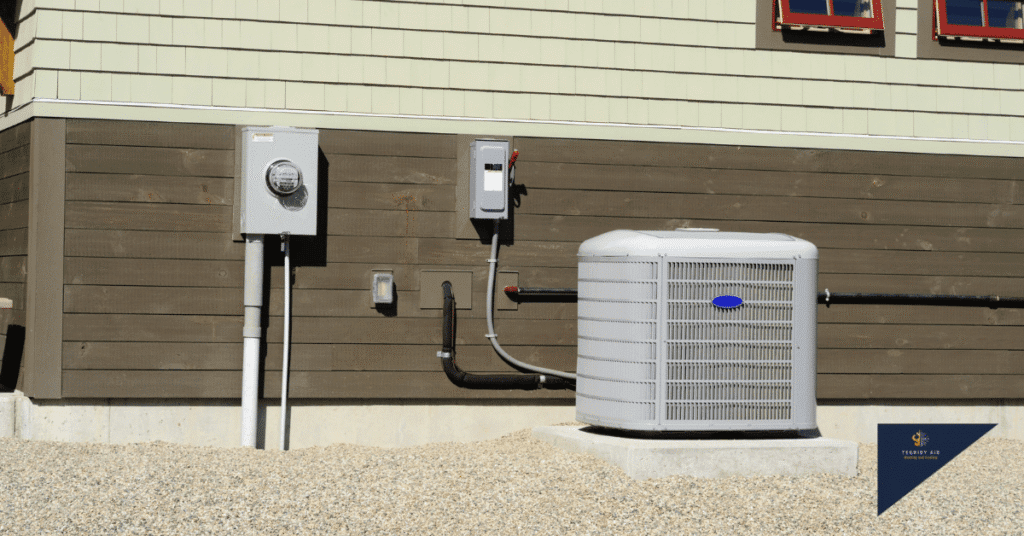
A ductless HVAC system, sometimes called a ductless mini split system, provides heating or cooling without ducts. Each indoor unit mounts on the wall or ceiling and connects to an outdoor compressor.
Ductless systems provide zoned comfort, allowing one or more indoor air handling units to heat and cool rooms independently. This flexibility makes ductless ideal for older homes, home additions, or families who want different room temperatures.
Installing a ductless system is easier than installing a ducted system. However, each ductless unit needs regular filter cleaning and occasional repair.
Advantages of Ductless Mini-Split Systems
- Energy efficiency: Because there are no ducts, ductless mini-split systems avoid the 20–30% energy loss common in ducts.
- Zoned control: You can heat and cool one room without affecting the rest of the home.
- Simple installation cost: Minimal construction makes air conditioning installation easier.
- Older homes: Perfect where ducts don’t exist.
Those strengths make ductless appealing for families who want flexibility.
Advantages of Ducted Air Conditioning Systems
- Whole-home comfort: A central HVAC system provides consistent heat and cool across large spaces.
- Aesthetics: Only vents are visible; no wall-mounted ductless air conditioners.
- Resale value: Many buyers expect central air conditioners in modern homes.
Ducted systems also pair well with advanced air filtration, improving indoor air quality.
Pros and Cons of Ductless Heat Pumps
Pros of Ductless
- Independent zoning for comfort.
- Lower energy bills from reduced leakage.
- Easier maintenance with simple filter cleaning.
Cons of Ductless
- Higher upfront installation cost if covering the entire home.
- Cons of ductless include visible indoor units and more frequent upkeep.
- Each ductless ac filter requires attention.
Pros and Cons of Ducted Heat Pumps
Pros of Ducted
- Consistent heated or cooled air in every room.
- Compatible with whole-home humidifiers and air filtration.
- Great for large families or open layouts.
Cons of Ducted
- Leaks in ducts waste energy.
- High cost for retrofitting older homes.
- More complex repair and cleaning.
What is the Difference Between Ducted and Ductless Systems?
The difference between ducted and ductless comes down to distribution:
- Ducted vs ductless heat pump: One moves air through a network of ducts, while the other delivers cooled air directly into rooms.
- Ducted or ductless: Ducted hides equipment, ductless is visible.
- Ducted versus ductless: Ducted is best for large homes, ductless for flexible zoning.
This choice between ducted and ductless depends on home size, budget, and desired control.
How Do Ductless Heat Pumps Work in Practice?
Heat pumps are a type of heating system that can cool and heat by transferring energy. A ductless heat pump connects one outdoor unit to one or more indoor air handling units.
This design cools the house in summer and heats it in winter, all without ducts. For homeowners in humid climates, ductless HVAC systems are efficient, practical, and quiet.
How Do Ducted Heat Pump Systems Work?
Ducted heat pumps also rely on ducts to move air. They also work well for whole-home comfort, especially in multi-story houses.
Air is pushed through a network of ducts, distributing heated or cooled air evenly. Unlike ductless systems, ducted units stay out of sight.
A type of ducted air conditioning setup may include multiple air handlers connected to one central outdoor unit.
What Are the Pros and Cons of Ducted vs Ductless Air Conditioning Systems?
- Ducted vs ductless: Ducted is better for large spaces, ductless is better for zoning.
- Pros and cons of ducted: Hidden design but energy loss in ducts.
- Cons of ductless: Visible units but strong efficiency.
- The right system for you depends on whether you need portable air conditioners, a standard ductless install, or a central air conditioning system.
How to Decide Which System for Your Home?
When making the choice between ducted and ductless systems, ask:
- Do you want air throughout the home or just zoned comfort?
- Is your priority low upfront cost or long-term efficiency?
- Do you already have ducts in place?
Families should weigh advantages of ductless flexibility against the pros and cons of ducted whole-home comfort.
Comparison Table: Ducted vs Ductless
| Feature | Ducted Air Conditioning System | Ductless Mini-Split Systems |
| Installation | Requires ducts and higher labor | Faster, simple installation cost |
| Energy | May lose air in ducts | Efficient, no leaks |
| Aesthetics | Hidden design | Visible ductless unit |
| Maintenance | Requires cleaning, repair, and inspections | Easier cleaning per indoor unit |
| Best For | Heating and air conditioning in large homes | Flexible heating or cooling for additions |
Why Professional Installation, Repair, and Cleaning Matter
Whether you choose ductless mini-split systems or a ducted heat pump, ongoing care is essential. Professional technicians handle:
- Installation: Correct sizing of heat pump system and indoor air handling units.
- Cleaning: Duct and filter maintenance to ensure good air quality.
- Repair: Addressing leaks, electrical issues, and compressor problems.
Proper care keeps your HVAC system running efficiently and heating the entire home.
Ducted Heat Pumps vs Ductless Heat Pumps: What Actually Changes
A ducted heat pump and a ductless heat pump use the same core technology. Both move heat instead of burning fuel to make it. The only real difference is how that heat reaches your rooms.
A ducted heat pump system sends conditioned air from one central air handler through ductwork to vents in every room. A ductless heat pump skips the ducts entirely. It connects an outdoor unit straight to one or more indoor air handlers mounted on a wall or ceiling.
A ducted heat pump usually makes more sense when:
- Your home already has ductwork in decent condition.
- You want every room on one system with no equipment visible in living spaces.
- You want whole-home air filtration, which helps with South Louisiana humidity and dust.
- The house is large or multi-story, or it is new construction where ducts go in during the build.
- You want the indoor equipment tucked into an attic or closet where you cannot hear it.
A ductless heat pump usually makes more sense when:
- The home has no ducts, or the attic has no room for them. That is common in older New Orleans houses.
- You are conditioning an addition, sunroom, garage conversion, guest suite, or rental unit.
- You want different temperatures in different rooms.
- You need the work done quickly with little construction.
On efficiency, ductless holds a small edge because there are no ducts to leak. Old or poorly sealed ductwork can lose up to 30% of the air the system already paid to condition. A ducted heat pump closes most of that gap once the ducts are sealed, clean, and correctly sized.
In practice, efficiency depends less on the label and more on:
- Install quality and correct system sizing for the house.
- Duct condition and how well the home is insulated.
- How many zones the home actually needs.
- Routine cleaning, filter changes, and small repairs done on time.
Two myths are worth clearing up. First, ductless mini-splits can cover a whole house when enough zones are installed. Second, heat pumps do work in humid climates. They pull moisture out of the air while they cool, which matters through a Kenner or Metairie summer.
Parts of a Ductless Mini-Split System
A ductless system is a short list of parts. Knowing them makes a repair estimate much easier to follow.
- Outdoor unit: holds the compressor and moves heat into or out of the house.
- Indoor air handler: mounts on a wall or ceiling and delivers conditioned air to that room.
- Refrigerant lines: a small bundle of tubing and wiring that runs between the two units through a small opening in the wall.
- Remote or digital controller: sets the temperature for that zone.
That is the entire system. With no duct network, installation is faster and there is less to clean. It also means every indoor unit carries its own filter that needs washing.
There is one hard limit. A single outdoor unit only supports so many indoor units. A larger home may need a second outdoor unit, which raises the cost of going ductless everywhere.
How Long Do Ducted and Ductless Systems Last?
A ductless mini-split typically lasts 12 to 20 years. Where a specific unit lands in that range comes down to install quality and upkeep more than brand.
A ducted system has two lifespans to track. The equipment, meaning the heat pump and the air handler, wears out first. The ductwork itself normally outlives the equipment, but it needs sealing and cleaning to keep working. That is why replacing a ducted heat pump often means keeping the ducts you already have.
South Louisiana is hard on both. Long cooling seasons put more run hours on the compressor, constant humidity feeds mold and corrosion, and salt air off the Gulf works on outdoor coils.
These steps extend the life of either system:
- Wash or replace filters on schedule, including every indoor unit on a ductless setup.
- Keep the outdoor unit clear of leaves, grass clippings, and debris.
- Have the system cleaned and inspected before each cooling season.
- Fix small problems early. A refrigerant leak or an electrical fault left alone can take out the compressor.
- Start with a correct install: right size, right refrigerant charge, and clean line placement.
If you are weighing a ducted heat pump against a ductless mini-split for a home in Kenner, Metairie, or New Orleans, our certified and insured technicians can size both options for your house before you commit. Call (504) 414-8655.
Conclusion
Both ductless systems and ducted heat pump systems can heat and cool effectively. Ductless mini-split setups offer zoning and efficiency, while ducted air conditioning systems provide hidden comfort.
The right option depends on your home layout, budget, and comfort goals. By considering the pros and cons, you can decide whether ducted vs ductless is the best system for your home.