

You’ve probably noticed that even when the temperature feels tolerable, the air inside your house still feels sticky. Excess indoor moisture can contribute to that feeling, while damp spots, musty smells, and condensation are reasons to investigate. Start with an indoor humidity reading: higher electric bills or longer AC cycles alone cannot tell you whether humidity is the cause.
In the Greater New Orleans area, the combination of high heat and high humidity means your cooling system does double duty: it must lower temperature and pull water out of the air. Poor sizing, maintenance problems, or moisture entering the home can upset that balance. A dedicated dehumidifier can help when the AC alone cannot meet the moisture load, but it is not needed in every home. The right setup starts with finding the moisture source and checking how the existing system performs.
In this guide we’ll walk through how humidity works, what your central air conditioner actually does to remove moisture, when you should call a professional, and where upgrades like whole-home dehumidifiers and air filters fit in. The focus is on practical steps you can take and what to expect from a local, family-run service like Tegridy Air.
Understanding Humidity and Its Impact on Comfort
Relative humidity compares the water vapor in the air with the saturation level at the same temperature. It changes as temperature changes, even when the amount of moisture stays the same. Humid outdoor air can add to the moisture load in a New Orleans home, but an outdoor humidity percentage does not tell you the indoor level. Measure indoors to see whether moisture control is needed.
High indoor humidity can make a room feel warmer and clammy because sweat evaporates less readily. Persistent dampness can encourage mold and mildew on building materials. Those growths can affect indoor air quality, trigger allergies, and damage paint or woodwork over time. For families in Kenner and Metairie, this is a reason to address moisture promptly.
Removing moisture is part of the air conditioner’s cooling load and uses energy. Longer operation can raise electricity use, but a long cooling cycle is not automatically a fault; runtime also depends on outdoor conditions, thermostat settings, and the equipment. Have an unexplained change in performance checked rather than assuming humidity is wearing out a particular component.
How Central AC Removes Moisture
The cooling coil provides a cold surface where water vapor can condense. When the coil surface is below the incoming air’s dew point, moisture forms droplets on the coil. Those droplets then drip into a drain pan and flow out through a condensate line. The amount removed depends on conditions such as indoor temperature and humidity, coil performance, airflow, and how long the system runs.
Proper airflow is essential. Airflow above the equipment’s recommended range can reduce moisture removal, while restricted airflow can make the coil too cold and cause freezing. Some systems use a lower, manufacturer-approved airflow setting for dehumidification, but simply slowing the blower or blocking vents can cause problems. A technician should check the filter, ducts, and equipment settings together.
In many homes, the air conditioner is the main device handling humidity. A correctly sized and maintained system may meet that need during hot weather, yet still have too little cooling runtime to control moisture on mild, humid days. If indoor readings remain high after moisture sources and system problems are addressed, a dedicated dehumidifier or compatible humidity controls may help.
When Your AC Needs Help: Signs of Humidity Problems
Longer run times are worth checking when they are unusual for your home, especially if the thermostat setting is not being reached. Hot weather, airflow problems, refrigerant faults, and sizing can all affect runtime. Water pooling around the indoor unit needs prompt attention, but a slow drip at the condensate outlet alone does not establish a blockage. If the unit is leaking or icing up, stop cooling and arrange service; avoid wet electrical equipment.
Other symptoms include visible condensation on windows, a persistent damp feeling in rooms that are supposed to be cool, and occasional musty odors. These clues call for checking indoor humidity, cold surfaces, and possible water leaks. A refrigerant problem can also reduce cooling and moisture removal, sometimes by causing the coil to freeze, but these symptoms do not identify a refrigerant leak on their own.
When these issues appear, a professional diagnostic is the safest first step. A technician can measure airflow and indoor humidity, check refrigerant charge, inspect the coil and condensate drain, and look for moisture entering the home. Based on that assessment, they may recommend specific repairs.
Repair pricing depends on the model and the work needed, including the type and amount of refrigerant if refrigerant service is required. A technician will give you a clear quote before any work begins, and they can also discuss whether a new system might be more cost-effective in the long run.
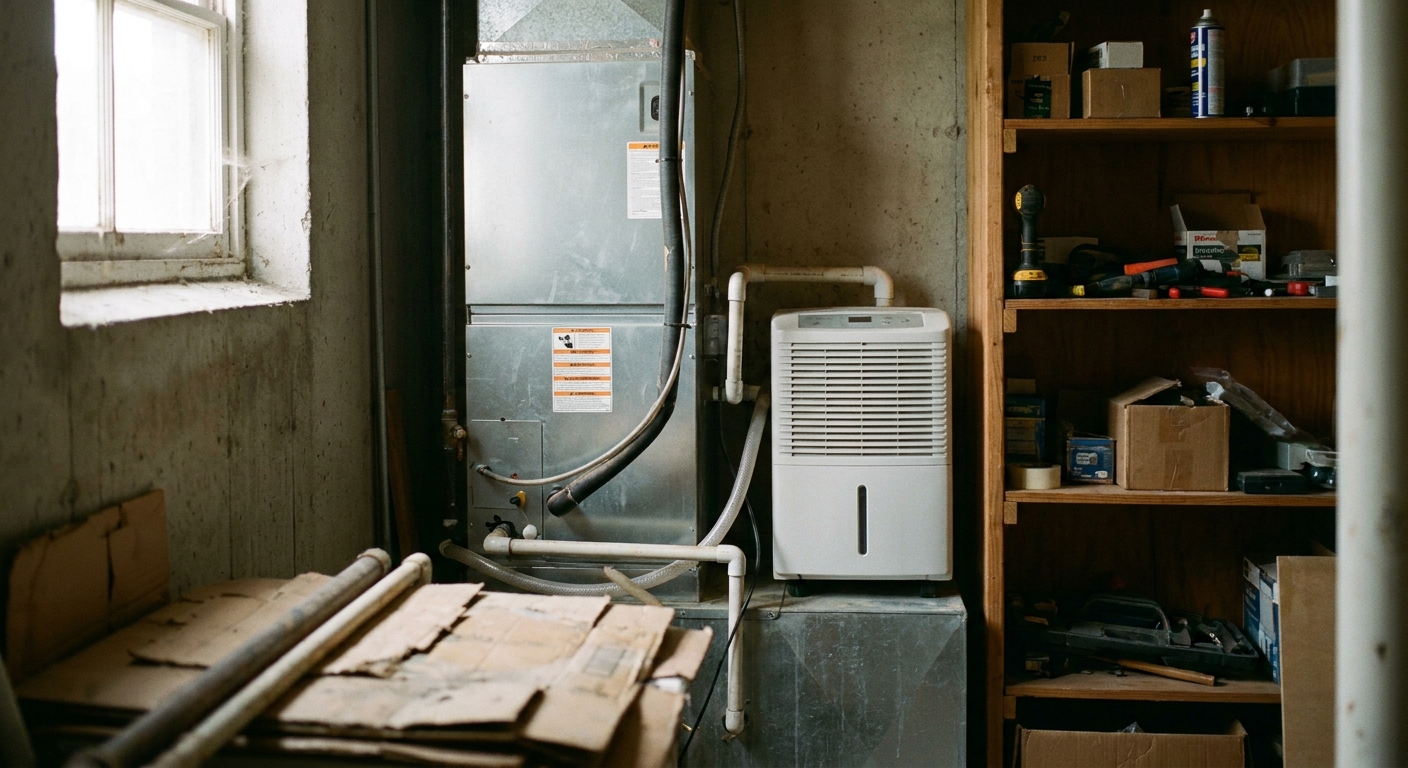
Adding a Whole-Home Dehumidifier
A whole-home dehumidifier works alongside your central air conditioner to remove moisture from the areas its ductwork serves. Its location, air distribution, and controls need to suit the home. A setting around 50% relative humidity can be a starting point; confirm the result with indoor readings. With the right installation and controls, it can run without a call for cooling, which is useful during mild, humid weather.
When sizing a dehumidifier, the home’s size is only part of the picture. For a house in Metairie, the technician should assess moisture entering through air leaks or ventilation, indoor activities, temperature, and the areas to be served. Compare the model’s capacity at relevant conditions: a pints-per-day rating is measured under specified test conditions, not a promise of that amount in every home. Fix water leaks and other moisture sources as part of the plan.
Installation involves choosing a manufacturer-approved duct layout, providing proper drainage, and setting up compatible humidity controls. Depending on the model and home, the unit may connect to the HVAC ducts or use dedicated ducts; a return-air connection is not a universal rule. The upfront cost includes the unit and labor, and operating cost depends on efficiency, runtime, and local electricity rates.
How quickly humidity falls depends on the starting conditions, moisture stored in furnishings and building materials, and any continuing moisture source. A dehumidifier uses electricity and releases heat indoors, so lower cooling bills are not guaranteed. Compatible thermostat and humidity controls can coordinate the equipment; ask your technician how the proposed setup will operate and what it is likely to cost to run.
Air Purification and Indoor Air Quality
While humidity control focuses on moisture, filtration can help reduce airborne particles such as dust and pollen. Keeping filters clean and correctly fitted also helps protect the HVAC equipment. Filters and air cleaners do not remove the source of a moisture problem or replace cleanup when mold is present.
A higher-efficiency filter can capture finer particles, but it must fit the system without excessive airflow resistance. Ask about MERV 13, or the highest rating your equipment can accommodate. UV systems may limit some microbial growth on treated HVAC surfaces, but they do not reliably remove allergens or solve mold problems. Some electronic air cleaners can emit ozone, so discuss the specific product’s performance and emissions before adding one to your Kenner home.
Regular filter changes are a simple maintenance task that keeps the system moving air efficiently. Check the filter monthly during the cooling season and clean or replace it according to its condition and the manufacturer’s instructions. A technician can also inspect the ductwork for moisture or blockage and explain whether cleaning is warranted. Duct cleaning is not a routine cure for humidity; costs vary, so we provide a quote after a diagnostic.
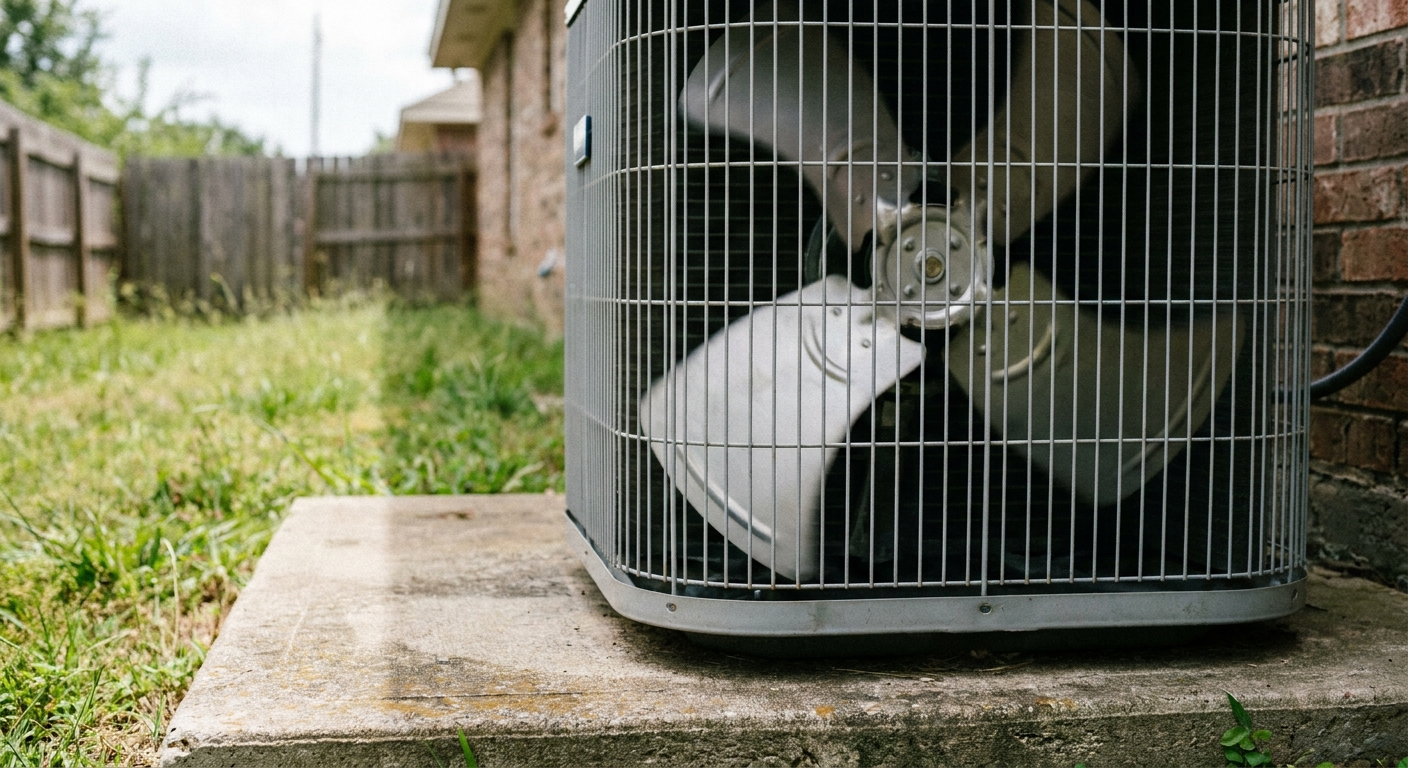
Maintenance Practices to Keep Humidity in Check
Consistent maintenance helps your AC continue removing moisture effectively. A seasonal tune-up typically includes inspecting and cleaning the evaporator and condenser coils as needed, checking refrigerant charge, inspecting the blower, and verifying that the condensate drain is clear. Dirty coils and restricted airflow can reduce performance or contribute to icing, so the cause needs to be checked rather than inferred from the room’s humidity.
One practical tip is to keep leaves and loose debris away from the outdoor unit and maintain the manufacturer’s required clearance from vegetation. Leave access-panel removal and internal cleaning to a professional. If standing water threatens the equipment, stay clear of wet electrical parts and arrange service rather than trying to work on the unit yourself.
Another habit is to monitor indoor humidity with a hygrometer. Persistent readings above 60% call for finding the moisture source and checking system performance. Lowering the thermostat alone can leave the house cold and clammy. Ask your technician whether the fan and humidity-control settings suit your equipment; with a dehumidifier, a setting near 50% is a starting point to check against actual readings, not a substitute for fixing leaks.
- Schedule a professional service before the first hot month.
- Check filters monthly and follow the manufacturer’s cleaning or replacement instructions.
- Have the condensate drain inspected and cleared as needed during professional maintenance.
- Keep the outdoor condenser free of vegetation and debris.
These steps can support reliable operation and help catch problems before they become larger repairs. If you notice unusual run times, excess condensation, or musty smells, call us for a diagnostic so the cause can be checked.
Choosing the Right System for Your Home
If your current AC is older than ten years, poorly sized, or frequently needs repairs, it may be time to compare repair and replacement options. For new equipment, compare SEER2 ratings and the matched system’s moisture-removal performance. SEER2 measures seasonal cooling efficiency; a higher rating alone does not guarantee better dehumidification or a particular runtime.
When evaluating options, ask about the coil material, service requirements, refrigerant, and available humidity controls. R-454B and R-32 are lower-global-warming refrigerants used in equipment designed for them; they are not drop-in replacements for an older system’s refrigerant. A compatible variable-speed system can adjust output and airflow to help manage comfort, but sizing, setup, and controls determine the result.
Even with a new system, a whole-home dehumidifier can still be beneficial if humidity stays high during mild weather. First address water intrusion, duct leakage, and avoidable indoor moisture sources. Supplemental dehumidification can then help manage the remaining moisture load without relying on extra cooling alone.
Consultation with a local technician helps you match the system to your home’s actual cooling and moisture loads. Ask for a load calculation that accounts for local climate, insulation, windows, air leakage, and occupancy, followed by equipment selection using manufacturer performance data. Accurate sizing helps reduce the risk of short-cycling; controls and other faults can also cause frequent starts and stops.
Local Knowledge for Kenner and Metairie Residents
South Louisiana’s humid climate makes moisture control an important part of system design. Homes with attic ductwork, raised foundations, or slab foundations can have different moisture entry points. Have the actual home checked for duct leaks, air leakage, drainage problems, and water intrusion. Sealing and insulating ducts where needed can help, while simply installing a larger air conditioner may make humidity control worse.
An oversized system can short-cycle, cooling the air without running long enough to remove enough moisture. Correct sizing and a well-sealed duct system can improve performance, but they need to be considered alongside other moisture sources. If you need duct repair or AC repair in Kenner, we will assess the duct system and the equipment together rather than quoting a replacement on sight.
Final Thoughts
Excess humidity is a measurable problem. Indoor readings, moisture-source checks, and a system assessment can help explain a home that feels damp. By understanding how your central air conditioner removes moisture and choosing repairs or supplemental dehumidification based on the findings, you can work toward more consistent comfort. A compatible high-efficiency filter can help with airborne particles, but it does not remove humidity.
Regular maintenance, timely repairs, and proper system sizing are the three pillars of a dry, comfortable home in Kenner, Metairie, and the surrounding South Louisiana area. When you need a diagnostic, repair, or a new installation, a local, family-run business can provide the straightforward service and transparent pricing that makes the process clear and affordable.
Need honest HVAC help in Kenner, Metairie, or anywhere across the Greater New Orleans area? Call Tegridy Air at 504-414-8655 or request a free quote online – we’ll get you comfortable fast.
Related Reading
- When to Use a Dehumidifier In Your Home
- Ducted vs Ductless HVAC System: Which Is Right For Your Home?
- Spring AC Tune-Up in Kenner Saves You From a July Break-Down
Frequently Asked Questions
How often should I have my AC serviced to keep humidity under control?
Schedule a professional cooling-system check before the cooling season, and follow the manufacturer’s maintenance schedule. Additional service may be needed if performance changes or humidity remains high. The visit should include airflow, coils, refrigerant charge, and condensate drainage.
Can I use a portable dehumidifier instead of a whole-home unit?
A properly sized portable unit can help with an individual room or area. If several rooms stay humid, compare the moisture load, layout, air circulation, and drainage needs before choosing portable or ducted equipment. A whole-home unit may provide more even coverage when it is correctly sized and installed.
What indoor humidity level is considered comfortable?
EPA recommends keeping indoor relative humidity below 60%, ideally between 30% and 50%. A dehumidifier setting near 50% can be a starting point, but check actual room readings and investigate persistent condensation or dampness.
Does a higher SEER rating improve dehumidification?
A higher SEER or SEER2 rating indicates greater seasonal cooling efficiency, not a guaranteed improvement in moisture removal. Dehumidification depends on system sizing, operating conditions, airflow, runtime, and controls. Compare the proposed equipment’s humidity performance as well as its efficiency rating.