

You’re standing in your living room, the air feels thick, the walls are cool but the room still feels clammy. You’ve turned the thermostat down, but the humidity stays high, the wood floors are swelling, and the air feels stale. The problem isn’t a broken thermostat—it’s that the system isn’t removing enough moisture from the indoor air.
In the Greater New Orleans area, especially in Kenner and Metairie, humidity levels often sit above 70% in the summer. When the AC can’t keep up, you’ll notice condensation on windows, a musty smell, and higher electric bills from the unit working harder than it should. The good news is that a properly sized and maintained air-conditioning system, paired with the right supplemental equipment, can keep indoor humidity in a comfortable range without wasting energy.
This guide walks through what humidity does to your home, how a central air system actually removes moisture, when you need to call for service, and which upgrades—like whole-home dehumidifiers and air purifiers—make the biggest difference. The advice is based on what we see on jobs in Kenner, Metairie, and the surrounding South Louisiana parishes, so you can make decisions that fit the local climate and your budget.
Understanding Humidity and Its Impact on Comfort
Humidity is the amount of water vapor in the air, measured as a percentage of the maximum amount the air can hold at a given temperature. When outdoor humidity is high, the air inside the house can stay saturated even after the temperature drops, making you feel cooler than the thermostat setting suggests. This “feels like” effect is why a 78°F day can feel like 85°F when the humidity is 80%.
Excess indoor moisture encourages mold growth on drywall, insulation, and wood trim. It also attracts dust mites, which thrive in damp environments and can worsen allergies. In a typical New Orleans home, unchecked humidity can raise indoor levels to 60-70%, which is above the comfort range of 30-50% recommended by most indoor-air-quality guidelines.
From an energy standpoint, higher humidity forces the air-conditioning system to run longer to achieve the same temperature set point. The longer run time raises your Entergy bill and puts extra wear on the compressor, fan motor, and other components. Keeping humidity in check is therefore a matter of comfort, health, and cost.
How Central AC Removes Moisture
The cooling coil inside the air handler is the part of the system that actually pulls water out of the air. As warm, humid indoor air passes over the cold coil, the temperature drops below the dew point, causing water vapor to condense into droplets that drip into the condensate pan. The fan then pushes the drier air back into the living space.
Two factors determine how much moisture the coil can handle: the coil’s surface area and the temperature difference between indoor air and the refrigerant. A larger coil with more surface area can condense more water per minute, which is why oversized or undersized units both struggle in high-humidity months. An oversized unit cools the air so quickly that it doesn’t stay on the coil long enough to shed moisture, while an undersized unit never reaches the temperature needed to condense efficiently.
That’s why proper sizing—based on the home’s square footage, insulation levels, window exposure, and local climate—is critical. In Kenner and Metairie, a typical 2,000-sq-ft home often needs a 3-ton unit with a SEER rating of 14-16 to balance temperature control and humidity removal. When the system is correctly sized, you’ll notice a drier feel even before you lower the thermostat.
- Check that the evaporator coil is clean. Dust and debris act as insulation, reducing the coil’s ability to cool the air.
- Make sure the condensate drain line is clear. A clogged line can cause water to back up and overflow, leading to indoor moisture problems.
- Verify the blower motor is operating at the correct speed. Variable-speed ECM motors provide more consistent airflow, which improves moisture removal.
When Your AC Needs Help: Signs of Inefficiency
Even a well-sized system can lose its ability to dehumidify if components wear out or become dirty. The most common signs are: longer run times, water pooling around the indoor unit, a musty odor, and higher electricity usage without a corresponding change in temperature set point. If you notice any of these, it’s time to schedule a diagnostic.
During a diagnostic, a technician will check refrigerant charge, coil cleanliness, fan motor operation, and the condition of the condensate pump. Low refrigerant reduces the coil’s temperature, limiting condensation. A dirty coil or a failing fan motor can also restrict airflow, which reduces the system’s moisture-removing capacity.
Below is a typical cost range for the most common repairs that affect humidity control. Prices include labor and parts, but exact figures depend on the specific equipment and the extent of the problem.
- Refrigerant (including handling fees): $125-$225 per pound
- Fan/blower motor replacement: $450-$1,200
- Compressor replacement: $1,800-$2,900
- Capacitor or contactor replacement: $200-$450
- Refrigerant leak repair: $400-$900 plus the refrigerant itself
- Dispatch fee in Greater New Orleans: $109. Repairs are quoted after diagnosis.
Because each home is different, we always provide an upfront quote after the diagnostic. If the repair involves multiple parts—say, a leak plus a coil cleaning—the total will reflect the combined work.
Adding a Whole-Home Dehumidifier
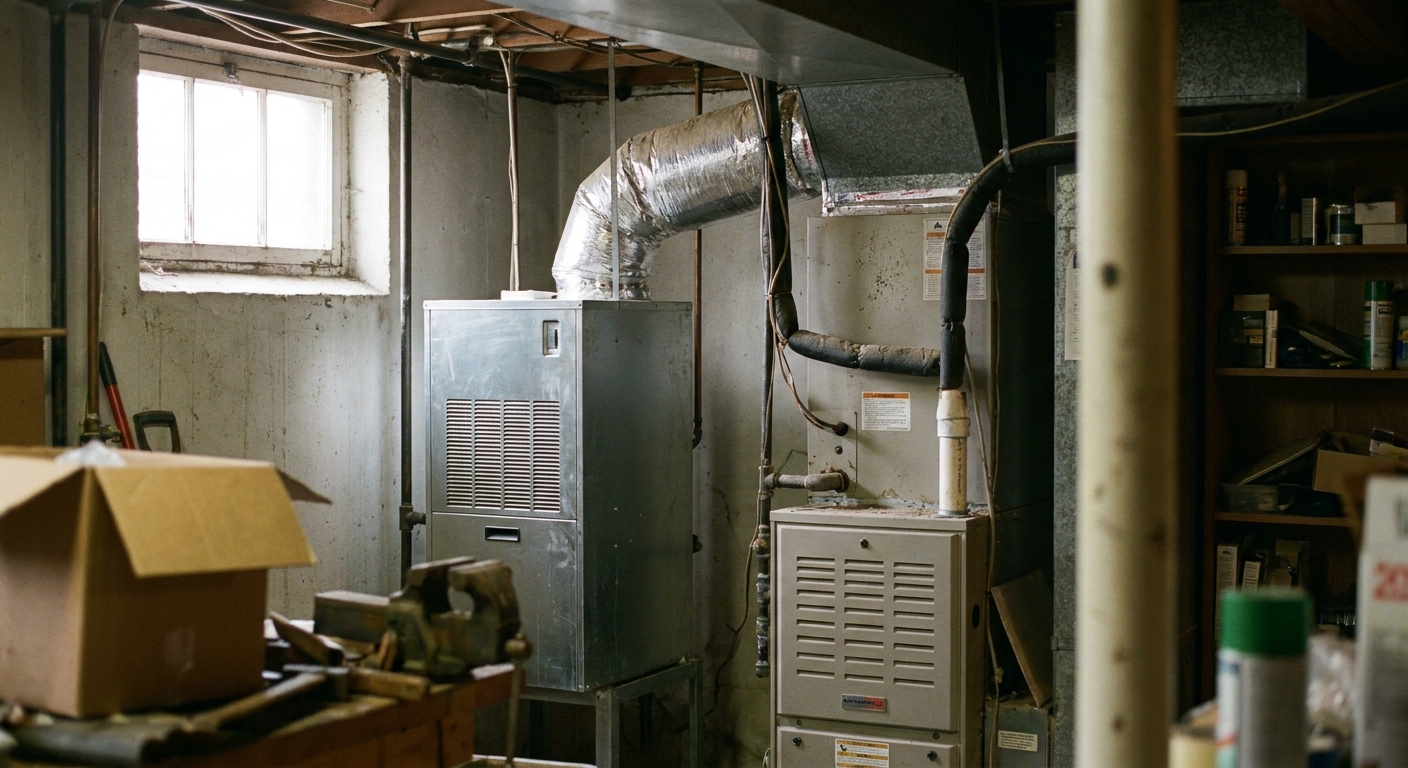
A whole-home dehumidifier works alongside the central air system to pull excess moisture from the return air stream before it reaches the coil. The unit typically draws in humid air, passes it over a refrigerated coil, and then returns drier air to the ductwork. This approach is especially useful in older homes with limited insulation or in rooms that the central system doesn’t reach well, such as basements or finished attics.
When selecting a dehumidifier, look for a model rated for the square footage of your home and the local humidity levels. Units are sized in pints of water removed per day; a 2,500-sq-ft home in Metairie usually needs a 70-pint capacity unit to keep indoor humidity below 50% during peak summer. Installation is typically done in a utility room or garage, near the main air handler, so the unit can share the existing ductwork.
Running a whole-home dehumidifier adds a modest amount to your electric bill—often 5-10% of the total AC usage—but the payoff is a drier, more comfortable indoor environment and reduced risk of mold. Many homeowners also notice that their AC runs less often because the dehumidifier handles most of the moisture load.
Air Purification and Indoor Air Quality
While humidity is a major comfort factor, it also interacts with indoor air quality. High moisture encourages mold spores and dust mites, which can trigger allergies and asthma. Adding an air purification system helps capture these particles and can improve overall comfort.
There are three common types of residential air purifiers that integrate with central HVAC: high-efficiency filters (MERV 13-16), UV-light air cleaners, and electronic air cleaners. High-efficiency filters trap fine particles, including pollen and mold spores, while UV lights can inhibit microbial growth on the coil and in the ductwork. Electronic air cleaners use ionization to attract particles to collector plates.
- Upgrade to a MERV 13 filter if your system can handle the increased pressure drop; this captures most allergens without overworking the blower.
- Consider UV-light modules for homes with a history of mold on coils or in ducts.
- Electronic air cleaners are best for households with severe allergy concerns, but they require regular cleaning of collector plates.
All three options can be installed during a routine service visit, and the added cost is usually recouped through better health outcomes and a slight reduction in the need for frequent filter changes.
Maintenance Practices That Keep Humidity in Check
Regular maintenance is the most reliable way to ensure your AC continues to de-humidify effectively. A yearly tune-up should include coil cleaning, refrigerant level check, blower motor inspection, and verification of the condensate drain line. In Kenner and Metairie, we see many homes where the drain line has become clogged with algae, leading to water backup and higher indoor humidity.
Homeowners can also take a few simple steps between professional visits. Keep indoor plants to a minimum during the hottest months, as they release moisture into the air. Use exhaust fans in kitchens and bathrooms to vent humidity directly outside, especially when cooking or showering.
Finally, consider a smart thermostat that tracks humidity as well as temperature. Some models let you set a target humidity range (usually 40-50%) and will adjust the fan speed or trigger the dehumidifier accordingly. Pairing a smart thermostat with a maintenance plan gives you alerts when the system’s performance drops, so you can address issues before they become costly repairs.
Final Thoughts
Excess humidity in a New Orleans home isn’t just uncomfortable—it can lead to higher energy bills, mold growth, and indoor-air-quality problems. The most effective solution starts with a properly sized central air system, kept clean and well-maintained, and may be complemented by a whole-home dehumidifier and appropriate air-purification equipment.
When you notice longer run times, water pooling, or a persistent damp feeling, it’s a clear sign that the system needs a professional look. By addressing the issue early, you protect the equipment, keep your home comfortable, and avoid unnecessary spikes in your Entergy bill.
Need honest HVAC help in Kenner, Metairie, or anywhere across the Greater New Orleans area? Call Tegridy Air at 504-414-8655 or request a free quote online – we’ll get you comfortable fast.
Related Reading
- Beating Louisiana Humidity: How the Right AC Setup Keeps Your Home Dry
- Beating Louisiana Humidity: How the Right AC Setup Keeps Your Home Dry
- Picking the Right-Size AC for Your Metairie Home – Bigger Isn’t Better
Frequently Asked Questions
How do I know if my AC is removing enough humidity?
If the indoor humidity stays above 55% on a humid day, or if you notice condensation on windows, walls, or the HVAC unit, the system is likely not de-humidifying effectively. A technician can measure moisture removal during a diagnostic.
Can I install a dehumidifier myself?
Whole-home dehumidifiers require connection to the ductwork and electrical service. Professional installation ensures proper sizing, correct placement, and compliance with safety standards, and it protects your warranty.
How often should I replace my air filter?
In a high-humidity environment, a standard 1-month interval is a good rule of thumb. If you have pets, allergies, or use a high-efficiency filter, check the filter every two weeks and replace when it looks dirty.
Does a higher SEER rating help with humidity control?
A higher SEER rating improves overall energy efficiency, but humidity control depends more on coil size, airflow, and system sizing. A properly sized unit with good airflow will de-humidify better than an oversized high-SEER unit that cools too quickly.