

Sticky rooms, condensation, and musty smells are reasons to check indoor humidity. They can also point to a plumbing leak, water intrusion, or a cold surface, so they do not diagnose an AC fault on their own. Before lowering the thermostat again or buying equipment, measure relative humidity with a hygrometer and note when and where the dampness appears.
A larger air conditioner is not automatically a better solution. An undersized unit can remove moisture while it runs but may lack the capacity to meet the home’s cooling load. An oversized unit may reach the temperature setting and stop before removing enough moisture. Correct sizing and controls support comfort; indoor air quality also depends on moisture sources, ventilation, and filtration.
How Humidity Affects Your Home Comfort
High humidity slows sweat evaporation, so a room can feel clammy even at a comfortable temperature. There is no single humidity threshold at which everyone feels hotter. Lowering the thermostat may increase cooling runtime, but it can overcool the home without addressing the source of the moisture.
Persistent dampness supports mold growth and dust mites. Mold and dust-mite allergens can affect sensitive people, but dust mites do not produce mold spores. In Metairie, use indoor measurements rather than outdoor humidity alone to assess the house. EPA recommends keeping indoor relative humidity below 60%, ideally 30-50% where possible.
Persistent moisture can damage wood flooring, paint, and other building materials. Look for the water source as well as checking the AC. Dehumidification cannot repair a roof or plumbing leak, and wet materials may need drying, repair, or professional assessment.
- Measure indoor relative humidity; aim below 60%, ideally 30-50% where possible.
- Address persistent dampness and visible mold rather than relying on an air cleaner.
- Building materials deteriorate faster in damp conditions.
Choosing the Right AC Size and SEER for Moisture Control
Start with a home-specific load calculation. A qualified contractor should consider insulation, windows, shading, air leakage, occupancy, and local design conditions as well as floor area. In Greater New Orleans, a square-footage-to-tonnage rule is not enough to select equipment; ask how the proposed system will handle both heat and moisture loads.
SEER and the newer SEER2 ratings describe seasonal cooling energy efficiency, not a separate moisture-removal score. A higher rating does not by itself establish longer cycles, variable-speed operation, or better dehumidification. Compare the proposed equipment’s moisture-removal performance and controls as well as its efficiency rating.
Two-stage or variable-capacity compressors can match output to changing cooling demand. A compatible variable-speed blower can support that operation, but an ECM motor label alone does not establish humidity performance. The equipment match, airflow setup, and controls must be appropriate for the home.
For a home in Kenner with short cooling cycles, have the cause checked before choosing an upgrade. A staged or variable-capacity system may help, but sizing, thermostat placement, airflow, and installation still matter. Compare an itemized replacement quote with repair options; utility savings depend on actual conditions and use.
Adding Dehumidification to Your System
A whole-home dehumidifier can help when humidity remains high after leaks and AC faults are addressed, including mild weather when little cooling is needed. Its rated moisture-removal capacity is expressed in pints per day under specified test conditions. Actual removal changes with the temperature and humidity of the incoming air.
A dehumidifier provides moisture control separately from the cooling demand. It also uses electricity and releases heat, so adding one does not guarantee lower bills or longer AC life. Choose the control target and equipment around measured conditions rather than assuming an accessory is needed in every home.
A qualified installer should select the location, duct arrangement, drainage, electrical supply, and controls using the chosen unit’s installation manual. There is no universal return-plenum connection or continuous ‘dry mode’ that fits every system. The installed controls should coordinate the dehumidifier and HVAC equipment as the manufacturer requires.
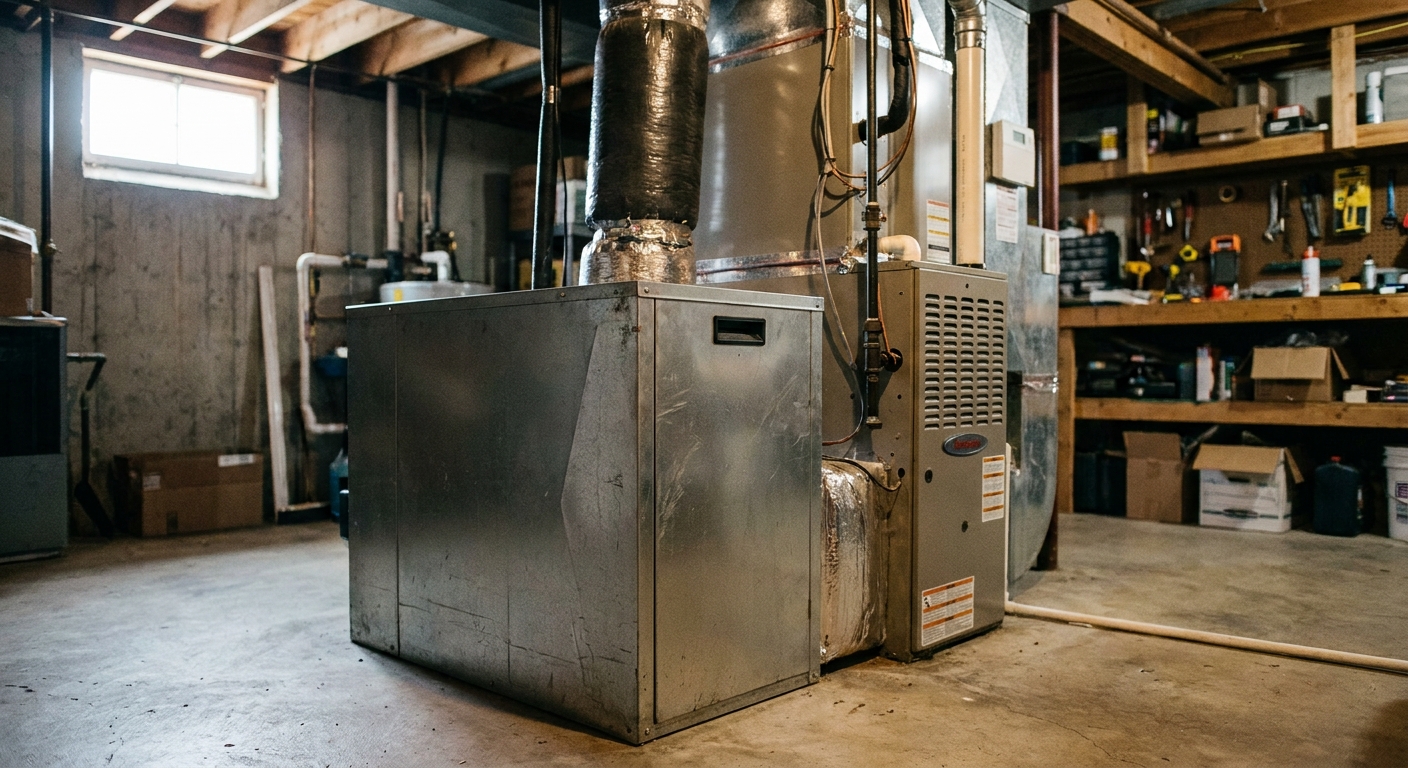
Do not size a residential dehumidifier from floor area alone. Ask for a capacity recommendation based on the home’s moisture load, air leakage, operating conditions, and the selected model’s rated performance. Compare capacity ratings made under the same test conditions rather than treating square footage as a direct conversion to pints per day.
Follow the dehumidifier’s maintenance manual. Portable models may have a bucket to empty, while ducted whole-home models commonly drain automatically. Keep accessible filters maintained as directed and report leaks or drainage problems. Internal cleaning and checks of the controls belong with a qualified service professional.
Maintaining Your System for Consistent Dry Air
Routine service should include a technician’s inspection of the coils, refrigerant charge, airflow, and condensate drainage. Dirty coils and airflow faults can reduce performance. Cleaning methods and the need for refrigerant work depend on the equipment and measured findings; refrigerant should not be added simply because a room feels humid.
A blocked condensate drain can cause overflow and water damage. From a safe, accessible location, look for water around the indoor unit and report it promptly. Leave clearing an unfamiliar drain or opening the cabinet to a technician; do not pour a generic vinegar or chemical mixture into the system.
Uneven cooling or rising humidity calls for an airflow check, not an automatic motor replacement. A technician can inspect the filter, blower, ducts, and equipment settings to identify the cause. Motor type and speed must suit the approved equipment configuration; homeowners should not change blower wiring or speed settings.
Our maintenance plan is $25 per month or $300 per year and includes two service visits and a 15% discount on repairs. Repair discounts do not apply to system installations. Confirm the plan terms and any separately quoted work when booking.
- Have a technician inspect coils and clean them when needed.
- Watch for condensate leaks and arrange professional drain service if needed.
- Have a technician check blower operation and airflow.
- Consider a maintenance plan for regular check-ups.
Air Quality Extras: Purifiers and Smart Controls
Air filtration and humidity control do different jobs. A suitable filter can reduce airborne particles such as dust and pollen, but it does not remove water vapor. Particle filters also do not generally remove gases such as VOCs; address pollutant sources and choose equipment for the specific problem.
Some smart thermostats display humidity or control compatible dehumidification equipment. Check the exact thermostat and HVAC manuals before assuming a model can adjust airflow or call a dehumidifier. Scheduling, humidity alerts, and accessory control are model-dependent features, not automatic benefits of every smart thermostat.
A humidity display can help you notice patterns and discuss them with a technician. An air purifier triggered by a humidity reading does not remove the moisture or prevent mold from settling. Fix leaks and persistent dampness directly; use filtration as a separate part of the indoor-air-quality plan.
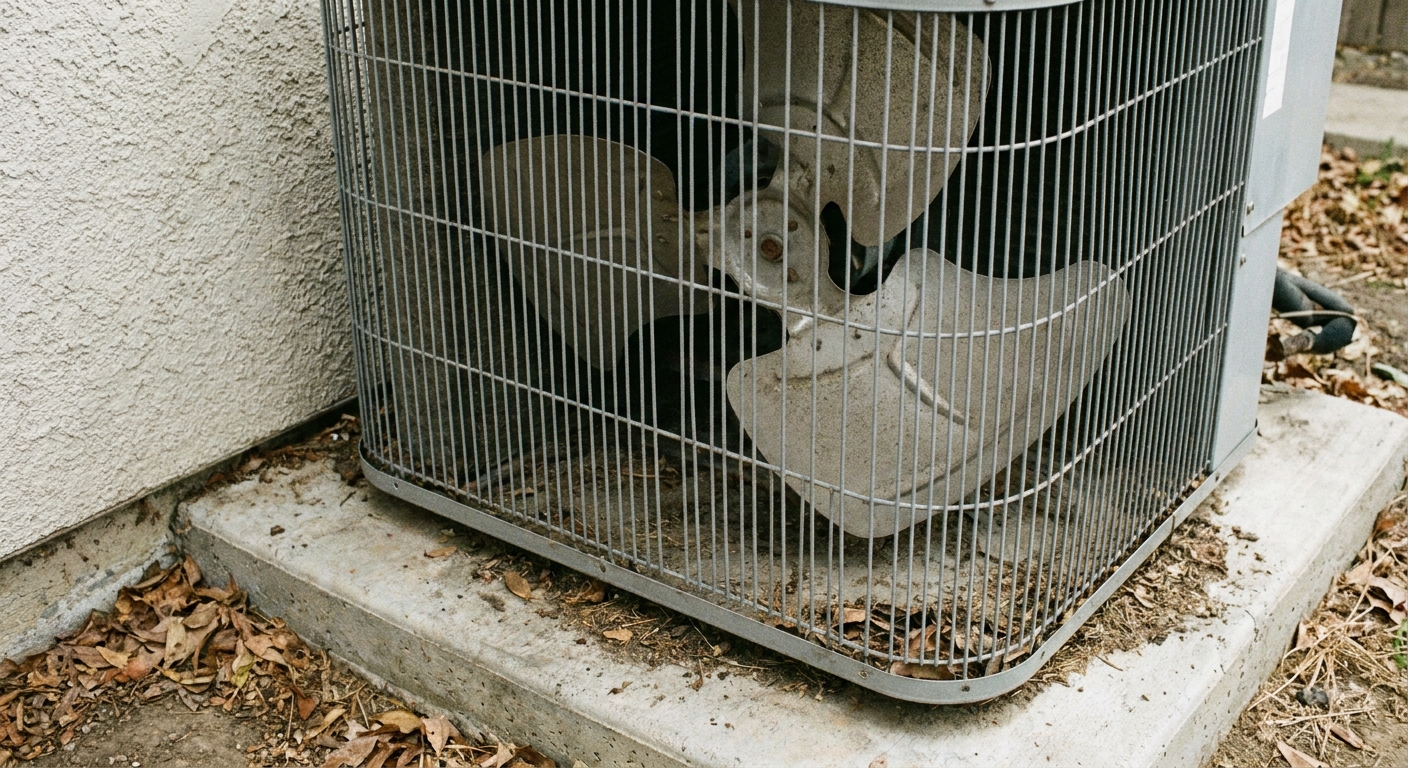
Choose a filter rating that the system can accommodate without excessive airflow restriction. Properly designed UV equipment may limit microbial growth on exposed coil surfaces, but it does not remove moisture or replace mold cleanup. Have a qualified installer assess compatibility, placement, and safety rather than treating either upgrade as a universal drop-in installation.
Duct leaks outside the conditioned space can contribute to comfort and moisture problems. Have the duct system assessed before repairs or sealing; correcting verified leaks may improve performance, but it will not resolve every source of indoor dampness.
Service Costs You Should Expect
Tegridy Air’s published dispatch fee for Greater New Orleans is $109. Repair pricing is quoted after diagnosis and before the repair proceeds.
For planning, this article lists fan or blower motor replacement at $450-$1,200 and compressor replacement at $1,800-$2,900. These published ranges are not a quote for your equipment. Part type, warranty coverage, access, and the work required can change the price; confirm inclusions before authorizing repairs.
Other published planning ranges are $125-$225 per pound of refrigerant, $400-$900 for leak repair plus refrigerant, and $200-$450 for a capacitor or contactor replacement. Confirm the refrigerant type, quantity, and all charges in the repair quote. These ranges do not establish the cause of a price change or mean an existing R-410A system must be replaced.
Free replacement estimates are separate from repair diagnostic visits. For planning information, see our 2026 Kenner AC replacement cost guide. Your final quote depends on the equipment and installation scope.
Final Thoughts
A drier Louisiana home starts with measurements and finding the moisture source. Correct AC sizing, necessary repairs, and routine maintenance may be enough; persistent humidity can justify evaluating a dedicated dehumidifier. Choose equipment after the assessment rather than treating replacement as the first step.
Keep a short record of humidity readings, thermostat settings, and where condensation appears. That gives a technician useful context without asking you to open equipment or diagnose a refrigerant problem. A smart control or air cleaner may serve a separate purpose, but neither replaces fixing leaks and damp materials.
Need HVAC help in Kenner, Metairie, or the Greater New Orleans area? Call Tegridy Air at 504-414-8655 or request a free replacement estimate online. Repair diagnostic visits have a published $109 dispatch fee; repairs are quoted after diagnosis and before work proceeds.
Related Reading
- Beating Louisiana Humidity: How the Right AC Setup Keeps Your Home Dry
- Picking the Right-Size AC for Your Metairie Home – Bigger Isn’t Better
- New Orleans Humidity Wrecking Your Comfort? What Actually Helps
Frequently Asked Questions
How do I know if my home’s humidity is too high?
Use a hygrometer and watch for repeated high readings. EPA recommends indoor relative humidity below 60%, ideally 30-50% where possible. Condensation and musty smells also deserve investigation because leaks or cold surfaces may be involved.
Can I just turn my thermostat lower to fix humidity problems?
A lower setting may make the AC run longer and remove more moisture, but it can also overcool the home. Measure humidity and check moisture sources, sizing, airflow, and controls before deciding whether repairs or supplemental dehumidification are needed.
How often should I have my AC system serviced?
Arrange professional cooling-system maintenance before the cooling season and follow the equipment manufacturer’s schedule. A technician should check coils, airflow, refrigerant charge, and drainage. Heating equipment may need a separate pre-season visit; service frequency depends on the equipment and conditions.
Is a whole-home dehumidifier worth the investment in Metairie?
It may be useful if humidity stays high after moisture sources and AC performance are checked, particularly when little cooling is needed. Ask for a home-specific sizing and installation assessment and compare the added electricity use and maintenance with the expected benefit. It is not needed in every home.