
Living in South Louisiana means getting used to heat that sticks around like a stubborn gumbo recipe and humidity that can turn a breezy evening into a swampy night. When hurricane season rolls in, the stakes get higher—not just for your roof or windows, but for the air conditioner that keeps your home livable when the mercury climbs again after the storm. At Tegridy Air, we’ve seen too many families scramble for emergency HVAC service after a storm because they skipped the simple prep steps that could have saved them time, money, and a lot of frustration.
This guide is straight-talk, no-fluff advice for Kenner, Metairie, and the surrounding Greater New Orleans area. We’ll walk through why hurricane AC prep matters, what you can do yourself, and when it’s smarter to call a local, family-run pro. By the end, you’ll have a checklist you can print, post on the fridge, and use year after year—plus a clear path to schedule a diagnostic or tune-up when you’re ready.
Understanding Hurricane Risks to Your AC
First, know what you’re up against. Hurricanes bring three main threats to an outdoor condenser: wind-driven debris, flooding, and power surges. Even a gust that’s not strong enough to lift a roof can hurl branches, roof shingles, or even a loose billboard right onto the unit’s fan blades. When water pools around the base, corrosion can set in faster than you’d expect, especially in our salty Gulf-influenced air.
Second, the heat doesn’t disappear after the rain stops. In fact, many homeowners keep the AC off during a storm to avoid electrical hazards, only to find a sweltering “post-storm heat wave” waiting on the other side. If the condenser was damaged, the system may overheat, trip breakers, or run inefficiently, pushing that Entergy bill through the roof.
Finally, consider the cost of emergency HVAC repair. A common service call for a flooded condenser can run $150-$250 for the visit alone, plus parts and labor that quickly climb past $1,000 if the compressor needs replacement. By taking a few preventive steps now, you can sidestep that emergency pricing and keep your family comfortable without breaking the bank.
Inspecting the Condenser Before the Storm
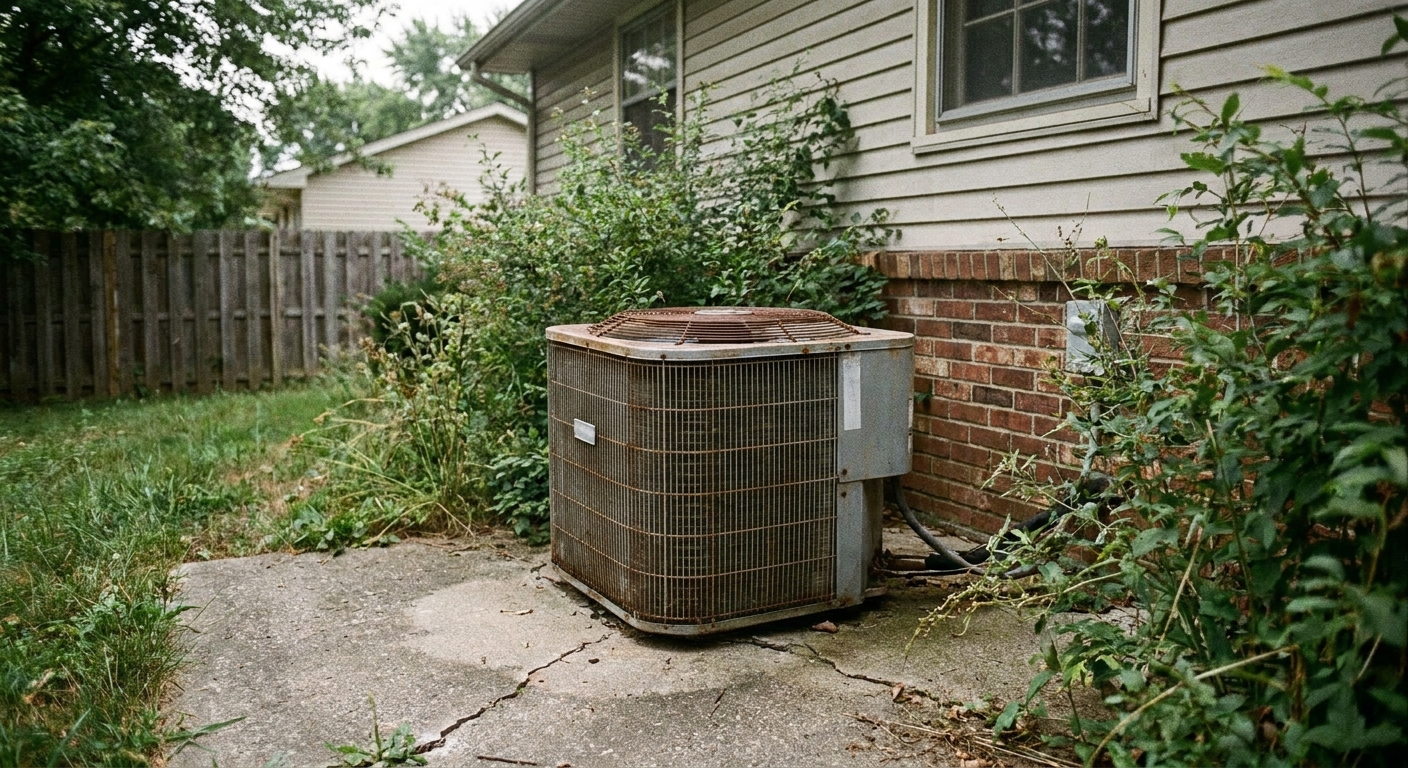
Before the first rain, give your outdoor unit a once-over. Look for bent fins, loose bolts, or cracked housing—issues that can worsen when wind shakes the unit. Tighten any stray screws with a simple screwdriver; a well-secured condenser is less likely to wobble under gusty conditions.
Check the surrounding area for proper drainage. Your concrete pad should slope away from the unit by at least a quarter inch per foot. If water tends to linger, consider adding a shallow trench or a French drain to guide runoff. In Kenner and Metairie, many homes sit on flat lots where water pools naturally; a little grading can make a huge difference.
Don’t forget the electrical side. Inspect the disconnect box for corrosion, ensure the cover is sealed, and verify that the breaker is labeled correctly. A clean, dry electrical connection reduces the risk of a short when lightning strikes nearby power lines, something the local utility often warns about during peak storm weeks.
Elevate and Protect: Preventing Flooding and Debris Damage
One of the most effective hurricane AC prep steps is raising the condenser off the ground. A sturdy, galvanized steel platform or a set of concrete blocks can lift the unit 6-12 inches, keeping it above typical flood levels in most New Orleans neighborhoods. If you’re on a low-lying property, talk to an HVAC pro about a custom-built platform that complies with local building codes.
Next, install a protective cage or mesh around the unit. These aren’t the heavy-duty steel enclosures you see on industrial roofs, but a simple galvanized screen can stop branches and debris from smacking the fan blades. Make sure the screen has openings large enough for airflow—restricted airflow defeats the purpose and can cause the compressor to overheat.
Finally, clear the area of anything that could become a projectile. Trim trees back at least three feet from the unit, secure garden hoses, and store lawn furniture indoors. It’s the kind of “move the grill inside” mindset that saves a lot of headaches after the storm passes.
Securing Electrical Connections and Power Supply
Storms love to jam power lines, and a sudden loss of electricity can surprise your HVAC system. Install a whole-home surge protector—that’s a small box you mount near your main panel that shunts excess voltage away from sensitive equipment. It’s a modest investment (around $150-$300 installed) that can protect not only your AC but also your smart thermostat, Wi-Fi router, and other electronics.
If you rely on a backup generator, make sure the transfer switch is rated for your AC’s starter current. Most central units draw a hefty surge when they kick on; an undersized generator can fry the starter motor or trip the breaker. A licensed electrician can verify the sizing and keep everything up to code.
Don’t forget the thermostat. A programmable or smart thermostat can be set to “hold” during the storm, preventing the system from cycling on and off while you’re away. This reduces wear on the compressor and saves a few kilowatt-hours on your bill. Companies like Tegridy Air can install a smart thermostat and show you how to program it for hurricane season, no fuss.
Post-Storm Recovery Checklist
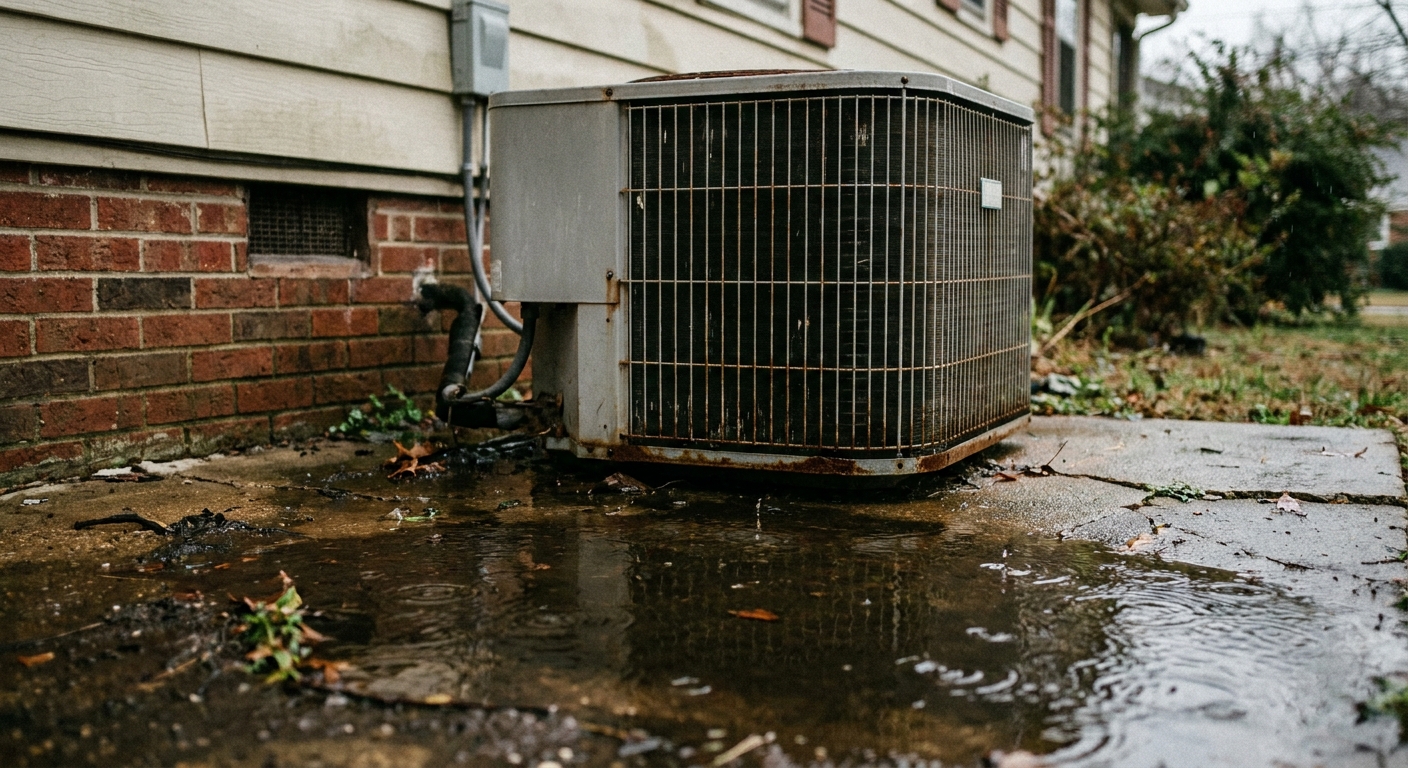
When the clouds clear, resist the urge to jump straight into “turn it back on.” Start with a visual inspection of the condenser. Look for standing water, mud, or debris lodged in the fan grill. If you see water pooling, let the unit dry for at least 24 hours before applying power. A damp motor can short out and cause expensive emergency HVAC repairs.
Next, test the electrical disconnect. Make sure the breaker is in the “off” position, then turn it back on after you’ve confirmed the unit is dry. Listen for any unusual noises when the fan starts—rattling, grinding, or a humming that never picks up. Those sounds often indicate a bent fan blade or a seized motor, both of which need professional attention.
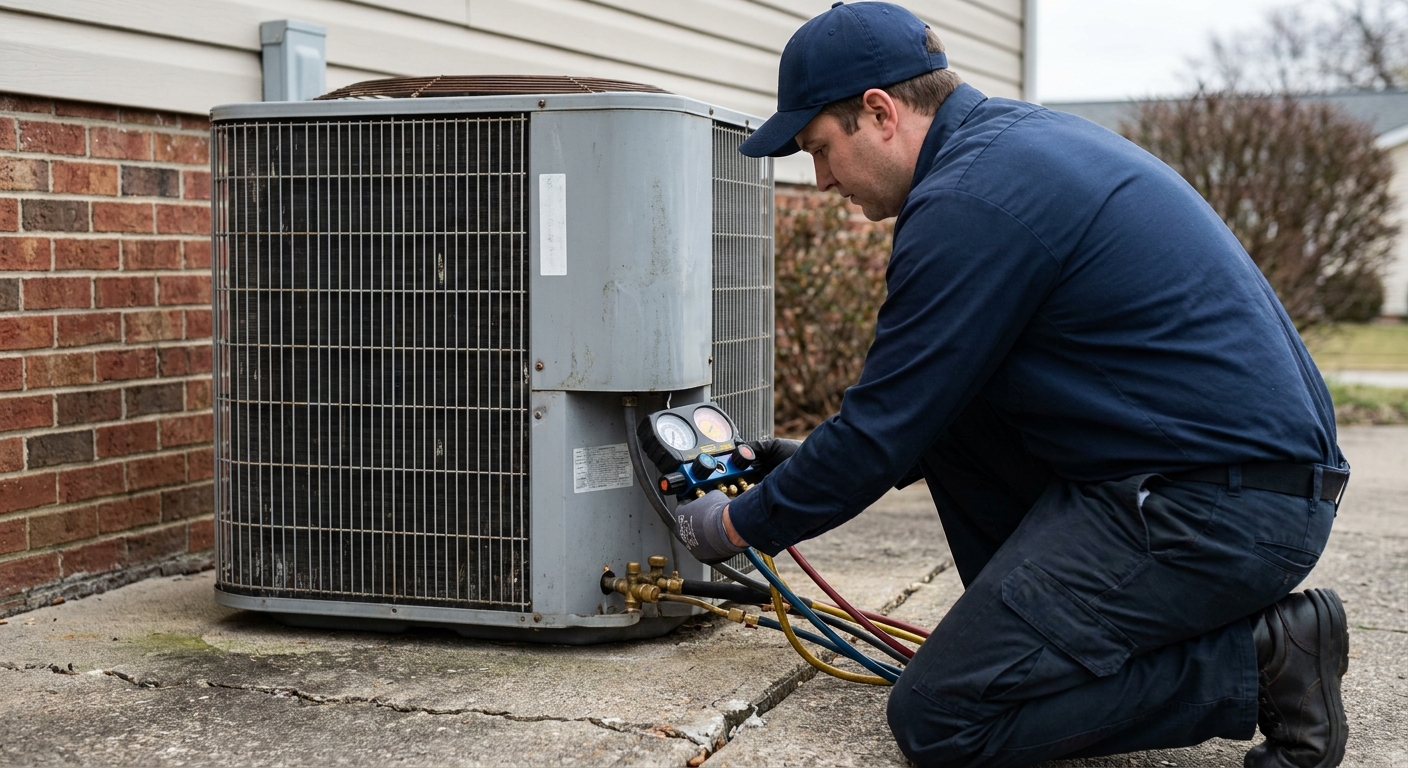
Finally, schedule a post-storm diagnostic with a trusted local tech. A quick service call can catch hidden issues like refrigerant leaks, damaged coil fins, or compromised ductwork. In Kenner and Metairie, the humidity after a storm can accelerate mold growth in ducts, so a duct inspection and possible air purification upgrade can keep indoor air quality high.
When to Call a Pro: Signs You Need Immediate HVAC Help
If you notice any of the following, it’s time to pick up the phone and call Tegridy Air for emergency HVAC service. A strong, persistent buzzing sound from the condenser often means the capacitor is failing—a component that can melt if left unchecked, leading to a full compressor replacement.
Another red flag is a sudden spike in your electricity bill after a storm. Even if the AC seems to be working, an inefficient compressor can run longer cycles, sucking up more power and inflating your Entergy invoice. A professional tune-up can clean the coils, check refrigerant levels, and restore efficiency.
Lastly, if the unit won’t start at all after you’ve confirmed there’s no standing water, the problem is likely in the starter motor or the thermostat wiring. Trying to “fix” it yourself can void warranties and cause further damage. A certified technician can diagnose the issue quickly, replace parts if needed, and get your home back to a comfortable temperature before the next heat wave hits.
Final Thoughts
Hurricane season doesn’t have to be a gamble with your air conditioner. By taking a few proactive steps—inspecting the condenser, elevating it above flood levels, protecting it from debris, and securing the electrical connections—you can dramatically reduce the risk of costly emergency HVAC repairs. The effort you put in now pays off in a smoother recovery, lower bills, and a calmer mind when the storm clouds gather.
Remember, Tegridy Air is right here in the Greater New Orleans area, ready to help Kenner and Metairie homeowners with everything from routine maintenance plans to emergency AC repair. Whether you need a simple diagnostic, a full-service tune-up, or a quick fix after a storm, our friendly, no-hype team is just a call or click away.
Give us a call today at 504-414-8655 or visit tegridyair.com to schedule your hurricane AC prep service. Keep your cool, even when the weather turns wild.
Related Reading
- How Often Should You Change Your HVAC Filter
- Ducted vs Ductless HVAC System: Which Is Right For Your Home?
- How Often Should You Change Your HVAC Filter?
Frequently Asked Questions
How early should I start preparing my AC for hurricane season?
Begin your prep at least 4-6 weeks before the typical start of the season (mid-June). This gives you time to schedule inspections, order parts, and make any needed upgrades without rush.
Will elevating my condenser void my manufacturer’s warranty?
No, most manufacturers approve elevation as long as the unit remains level, stable, and the installation follows local codes. Keep a record of the work; it can be useful if warranty claims ever arise.
Can I use a regular garden hose to rinse off debris after a storm?
Yes, but use low pressure and avoid spraying directly into the electrical disconnect. Let the unit air-dry afterward, and check for any water that may have entered the motor housing before turning the power back on.
What are the signs that my ductwork needs repair after a storm?
Look for visible water damage, mold growth, or a musty odor coming from vents. Inconsistent airflow or rooms that feel hotter than others also indicate possible leaks or blockages that need professional attention.
Reviewed by the Tegridy Air technical team
Written and reviewed by the licensed HVAC technicians at Tegridy Air — Scott, Alex, and Aiman — with 30+ years of combined experience servicing homes and businesses across Greater New Orleans. Questions about this article? Call (504) 414-8655.