Living in South Louisiana means you’ve got two fierce rivals: an unforgiving summer heat that can feel like a sauna, and a winter that, while milder than up north, still wants you to crank the furnace. Those temperature swings translate directly into your energy bill, especially when your HVAC system isn’t running as cleanly or efficiently as it could. At Tegridy Air, we’ve helped families in Kenner and Metairie stretch every dollar, and we’ve learned a thing or two about why heating and cooling costs can balloon and how to put the brakes on them.
In this guide we’ll walk through the mechanics behind those numbers, break down the biggest cost drivers, and hand you a toolbox of real-world actions you can take today. No corporate jargon, no scare tactics—just plain-spoken advice from a local, family-run crew that knows the Gulf Coast climate better than anyone. By the end, you’ll be able to look at your next utility bill and know exactly why it looks the way it does, and more importantly, how to make it smaller.
Understanding the Basics of Heating and Cooling Cost
At its core, heating and cooling cost is a function of three variables: the amount of energy you use, the price you pay for that energy, and the efficiency of the equipment doing the work. In Louisiana, most homes run on electricity supplied by Entergy, and the rates can fluctuate seasonally; peak summer demand often pushes the price per kilowatt-hour higher, which is why AC usage can feel especially costly. The furnace, on the other hand, may run on natural gas, and while gas prices tend to be steadier, a leaky duct system can waste a surprising amount of heat.
Efficiency is measured by SEER for air conditioners and AFUE for furnaces. A newer unit with a SEER rating of 16 will use roughly 30 % less electricity than a vintage 10-SEER system for the same cooling load. Likewise, an AFUE-95 furnace converts 95 % of the fuel’s energy into usable heat, whereas an older 80-AFUE furnace loses the rest to the flue. Upgrading equipment can feel like a big expense, but the payback period often falls within three to five years thanks to lower monthly bills.
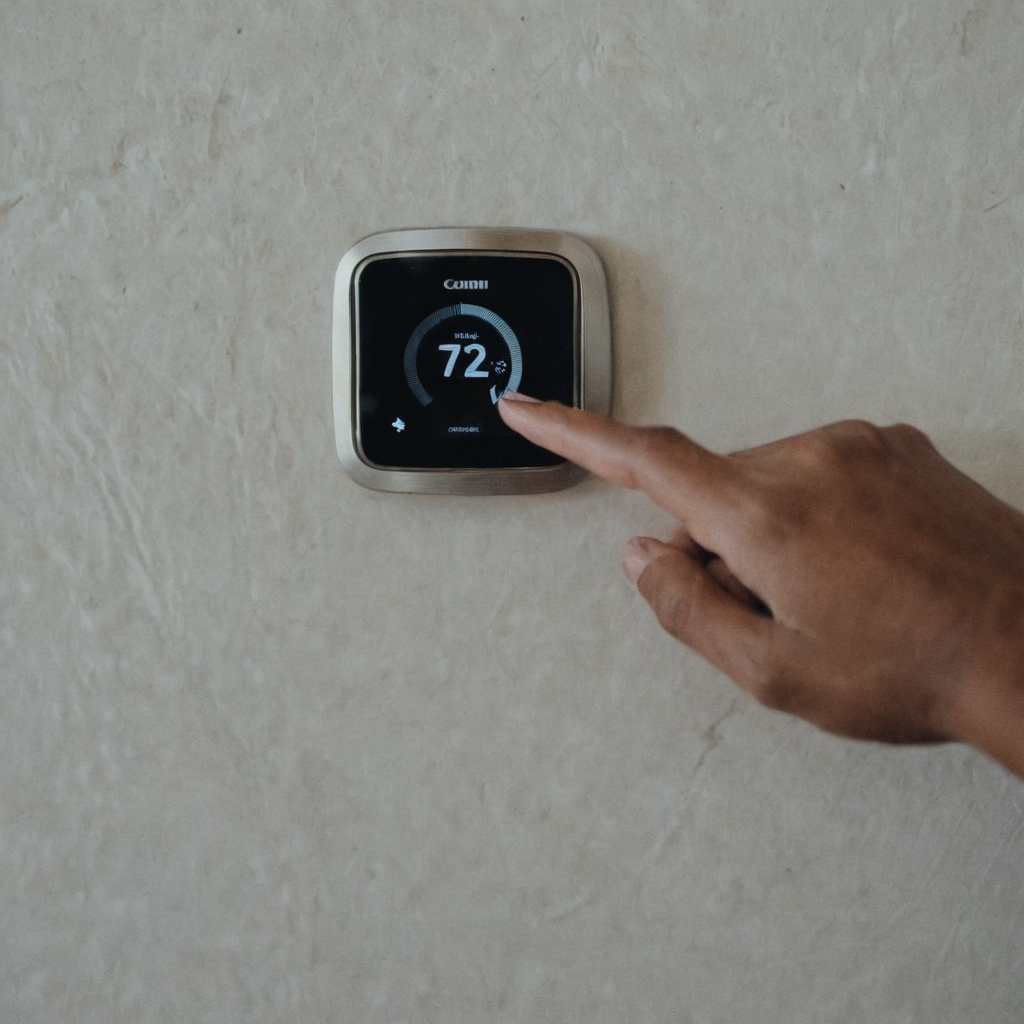
Another hidden factor is the thermostat setting. A thermostat set at 78 °F in summer versus 73 °F can shave 5-10 % off the cooling bill, while a winter setting of 68 °F versus 70 °F can do the same for heating. Smart thermostats make this adjustment effortless, learning your schedule and automatically dialing back when you’re not home. Pairing a smart thermostat with a regular maintenance plan ensures the system runs at its design point, keeping costs predictable.
Seasonal Peaks: Why Summer Bills Spike in Kenner and Metairie
Summer in the Greater New Orleans area is a relentless battle against humidity and high temperatures that often cruise above 90 °F. When the outside air is hot and moist, your AC has to work harder to pull heat and moisture out of your indoor space, which pushes electricity consumption upward. The outdoor condenser unit, sitting on a concrete pad, can lose efficiency if it’s clogged with leaves, pollen, or the occasional alligator droppings—yes, that happens.
One of the most common culprits of a soaring summer bill is an oversized system. It might sound counterintuitive, but a unit that’s too big will cycle on and off rapidly, never reaching its optimal run time. This short-cycling not only wastes energy but also strains the compressor, shortening the equipment’s lifespan. A proper load calculation—something our technicians in Kenner love to perform—matches the unit size to the square footage, insulation levels, and window exposure of your home.
Another factor is poor airflow caused by dirty filters or blocked return vents. When airflow is restricted, the evaporator coil can freeze, forcing the system to work longer to achieve the same temperature drop. Simple habits like changing filters every 30-60 days and keeping vents clear can keep the system humming smoothly. If you suspect duct leakage, a professional duct repair can seal gaps, prevent conditioned air from escaping into the attic, and improve overall efficiency.
Winter Realities: How Heating Costs Add Up
Even though Louisiana winters are mild compared to the north, many homeowners still crank the furnace to keep indoor temperatures comfortable, especially during those chilly January mornings. When the furnace runs longer than necessary, it can reveal weaknesses in the system—cracked heat exchangers, clogged burners, or an aging blower motor. Each of these issues forces the furnace to draw more gas or electricity to maintain the set temperature, inflating the heating portion of the bill.
Another hidden cost driver is the lack of proper insulation and sealing. Older homes in Metairie often have gaps around windows, doors, and even the attic hatch. Heat escapes through these cracks, meaning the furnace has to work overtime. Adding weather-stripping, installing low-E window film, or upgrading attic insulation can reduce the heating load by 10-20 % without any major system overhaul.
Ventilation fans and exhaust fans, while essential for indoor air quality, can also steal heat if left running unnecessarily. A bathroom fan that stays on for a few minutes after a shower is fine, but a constantly running fan can pull warm air out of the house and pull in cold outside air, making the furnace work harder. Installing timer switches or using a smart thermostat to control fan operation can keep the warm air where it belongs.
Smart Investments: When to Repair, Replace, or Upgrade
Deciding whether to repair an existing unit, replace it, or add upgrades like a smart thermostat can feel overwhelming, especially when you’re watching the bills climb. A good rule of thumb is the “50-percent rule”: if the cost of repair is more than half the price of a new, efficient system, it’s time to replace. This doesn’t just apply to the core equipment; the same logic works for ductwork and air purification components.
For homeowners in Kenner, an AC repair that involves a faulty capacitor or a refrigerant leak often costs between $150 and $600. If your unit is over 10-12 years old, those repairs may recur, and the cumulative cost can surpass the price of a new unit with a higher SEER rating. In such cases, an upgrade not only lowers future repair bills but also reduces the monthly energy expense.
Upgrading to a smart thermostat is one of the most cost-effective moves you can make. Prices range from $150 to $300, and many utilities—including Entergy—offer rebates that bring the net cost down even further. The thermostat learns your schedule, reduces temperature swings, and can be controlled remotely, giving you real-time insight into energy consumption.
Air purification systems have also gained popularity in the humid Gulf Coast climate, where mold spores thrive. Adding a high-efficiency filter or UV-light air purifier can improve indoor air quality without a huge energy penalty, especially if it’s integrated into an existing HVAC system during a routine maintenance visit.
Maintenance Plan Costs and Coverage
Our maintenance plan is $25 per month or $300 per year and includes two service visits and a 15% discount on repairs. Repair discounts do not apply to system installations. Confirm the plan terms and any separately quoted work when booking.
Regular service can identify maintenance needs, but savings and repair costs vary with the equipment and its condition. Parts, repairs, and upgrades are not automatically included in a maintenance visit.
DIY Tips to Reduce Your Heating and Cooling Cost Today
While professional service is essential for many aspects of HVAC health, there are several simple DIY actions that can immediately lower your energy use. First, replace or clean the air filter every month during peak seasons. A clogged filter forces the system to work harder, raising electricity consumption by up to 15 %.
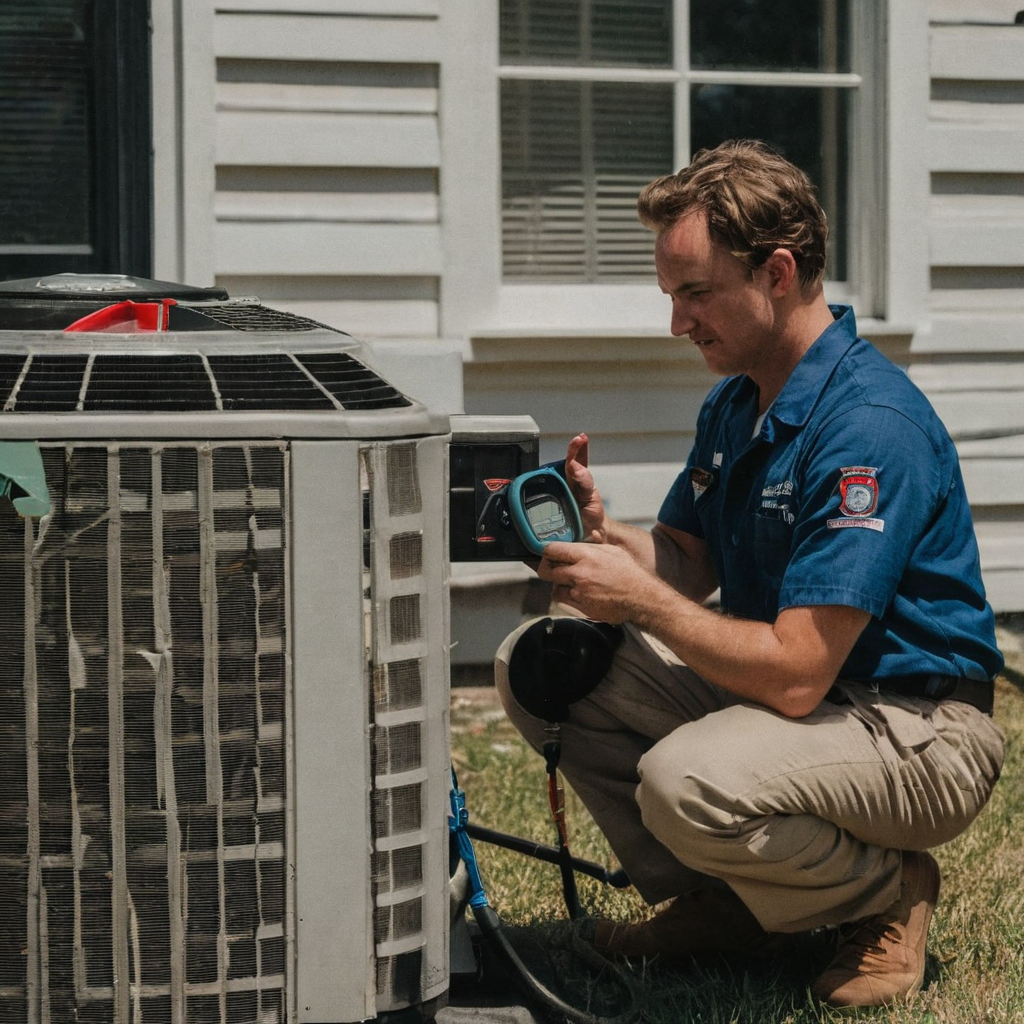
Second, keep the outdoor condenser free of debris. Trim back overgrown shrubs, remove leaves, and hose down the fins gently to clear dust. A clean condenser can improve heat exchange efficiency, which means the compressor runs less often. If you notice the fan motor humming but the unit isn’t cooling, it may be a sign of a blocked fan or a failing capacitor—call a pro before it turns into a full-blown breakdown.
Third, use ceiling fans strategically. In summer, set fans to spin clockwise to push cool air down; in winter, reverse the direction to pull cool air upward, allowing warm air to settle at floor level. Fans use a fraction of the power of an HVAC system but can make occupants feel up to 4 °F more comfortable, allowing you to raise the thermostat a degree or two without sacrificing comfort.
- Change or clean filters monthly (more often in high-dust periods)
- Clear debris from outdoor condenser units seasonally
- Use ceiling fans to supplement heating and cooling
- Seal gaps around doors and windows with weather-stripping
Final Thoughts
Heating and cooling cost isn’t a mysterious force—it’s the result of clear, manageable factors: equipment efficiency, seasonal climate, system maintenance, and homeowner habits. By understanding how each piece fits together, you can make smart decisions that keep your home comfortable without breaking the bank. Whether you’re in Kenner, Metairie, or any neighboring parish, the same principles apply, and the same local solutions work.
At Tegridy Air, we’re not just another corporate HVAC chain; we’re your neighbors who know what it means to live with Louisiana heat, humidity, and occasional winter chills. Our honest, family-run approach means we’ll give you straight-forward advice, transparent pricing, and reliable service—whether you need an AC repair, a new furnace, a maintenance plan, duct repair, or a smart thermostat installation. Let us help you take control of your heating and cooling cost today.
Ready to discuss your system? Call 504-414-8655 or request service. Tegridy Air’s published dispatch fee for Greater New Orleans is $109. Repair pricing is quoted after diagnosis and before the repair proceeds. Free system replacement estimates are available separately.
Related Reading
- Pros and Cons of Ductless Heating and Cooling
- What Is More Expensive: Heating or Cooling?
- Heating and cooling services in Kenner: seasonal challenges and fixes
Frequently Asked Questions
How often should I replace my air filter?
Ideally every 30-60 days during peak heating or cooling season, and at least once a year during milder months. If you have pets or allergies, check monthly.
What is a good SEER rating for a new AC in Louisiana?
Look for a SEER rating of 16 or higher. It balances upfront cost with energy savings, especially given the high summer demand in Kenner and Metairie.
Can a smart thermostat really save me money?
Yes. By optimizing temperature set-points and reducing unnecessary runtime, most users see a 5-10 % reduction in total heating and cooling costs.
How do I know if my ducts need repair?
Signs include uneven temperatures in rooms, dust buildup near vents, and unusually high energy bills despite a well-maintained furnace or AC. A professional inspection can confirm leaks or blockages.