

You’ve just gotten your summer electricity bill from Entergy, and the numbers are higher than you expected. The AC has been running nonstop, the house feels humid, and you’re wondering whether you can keep the house comfortable without letting the bill keep climbing. The good news is that most of the excess cost comes from a few avoidable issues that you can address yourself or with a quick service call.
This article walks through the steps a local technician would take to tighten up your system, explain why each step matters, and give you realistic cost expectations if a repair or upgrade is needed. The focus is on practical actions you can start today, and on knowing when to call in a professional to avoid costly mistakes.
1. Verify Your System Is Ready for the Heat
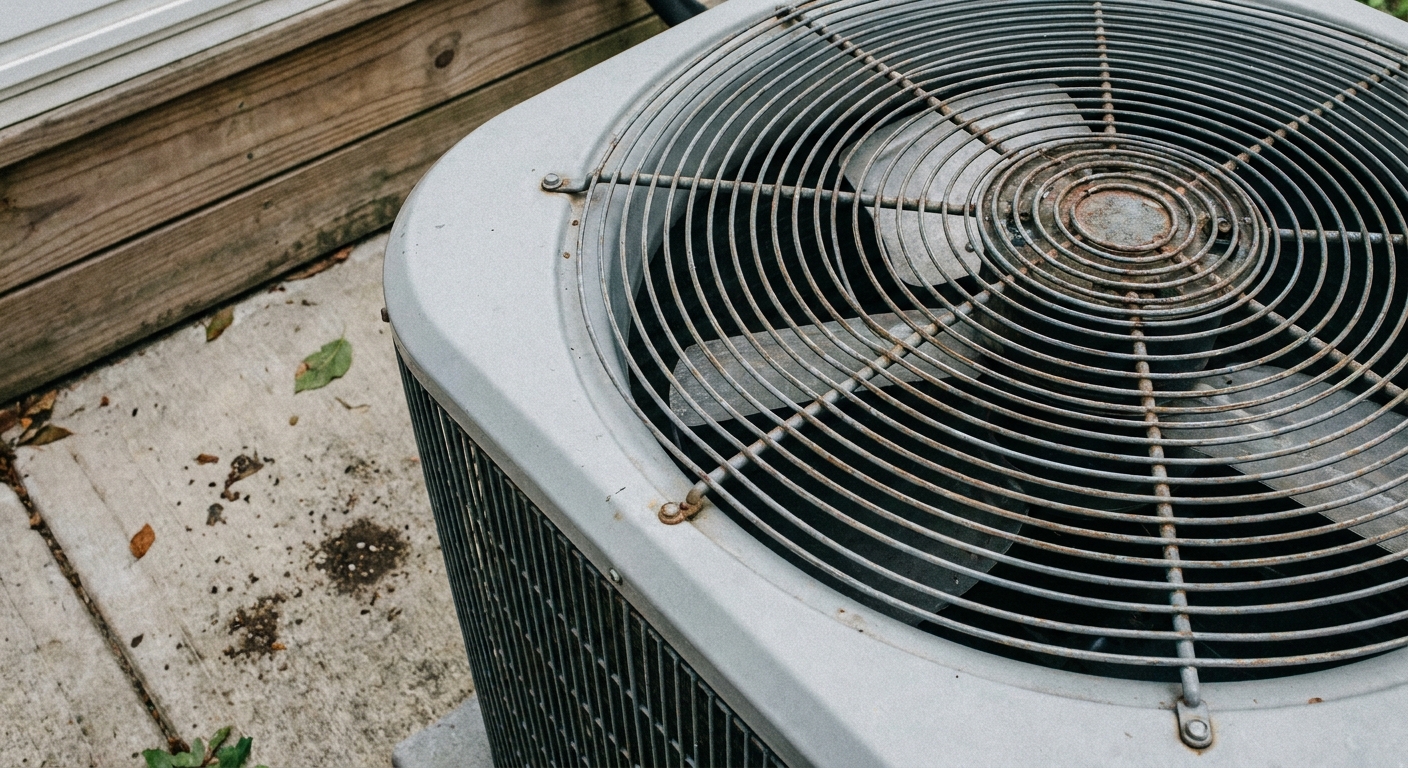
The first thing to do is make sure the existing air-conditioning unit is actually sized for your home and is operating as intended. An undersized unit will run longer, pulling more electricity, while an oversized unit cycles on and off, wasting energy and reducing comfort. A quick visual check of the outdoor condenser can reveal obvious problems: bent fins, excessive dirt, or a loose fan belt.
Next, look at the indoor air handler. If the filter is dirty, airflow is restricted, and the motor has to work harder. Replacing a standard 1-inch filter with a clean 1-inch pleated filter usually costs under $20 and takes a minute. For homes that see a lot of dust or pet hair, a higher-MERV filter can improve airflow but may require a slight adjustment to the blower speed.
Finally, run the thermostat through a simple test. Set the temperature a few degrees higher than usual for a day and note how long the unit runs. If it runs continuously, there may be a refrigerant issue, a leak, or an oversized unit. In those cases, a professional diagnosis is the safest next step.
2. Seal and Clean Your Ductwork
Leaky ducts are a hidden source of energy waste. When conditioned air escapes into unconditioned spaces like attics or crawl spaces, the system must run longer to maintain the set temperature. A typical home can lose 20-30% of its cooling output through poorly sealed ducts.
Start by locating the most accessible ducts in your basement or crawl space. Use a simple visual inspection to find obvious gaps around joints, seams, and where ducts connect to the furnace. A foil-backed duct seal or mastic can be applied with a brush; the material costs about $0.50 per foot and can be a quick DIY fix for small gaps.
For a thorough job, a professional duct sealing service uses a smoke test to pinpoint leaks and applies a specialized sealant. The cost depends on the size of the system and the extent of the leaks, so a diagnostic visit is the best way to get an accurate quote. Besides sealing, cleaning the ducts removes dust that can block airflow and lower efficiency.
- Check all supply and return registers for proper closure when not in use.
- Inspect insulation around ducts that run through unconditioned spaces; add R-6 or higher insulation if needed.
- Schedule a professional duct inspection every 3-5 years, especially before the summer peak.
3. Install a Smart Thermostat for Real-Time Control
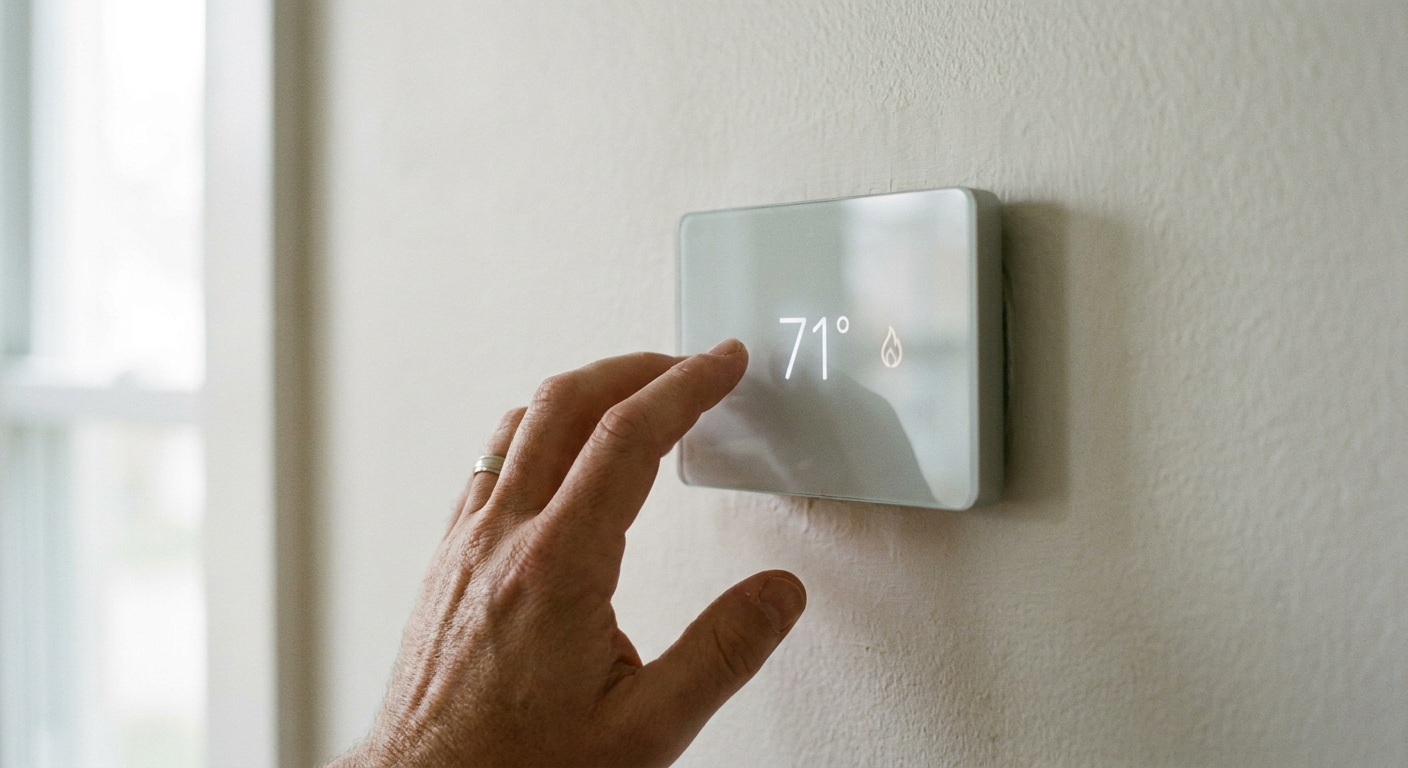
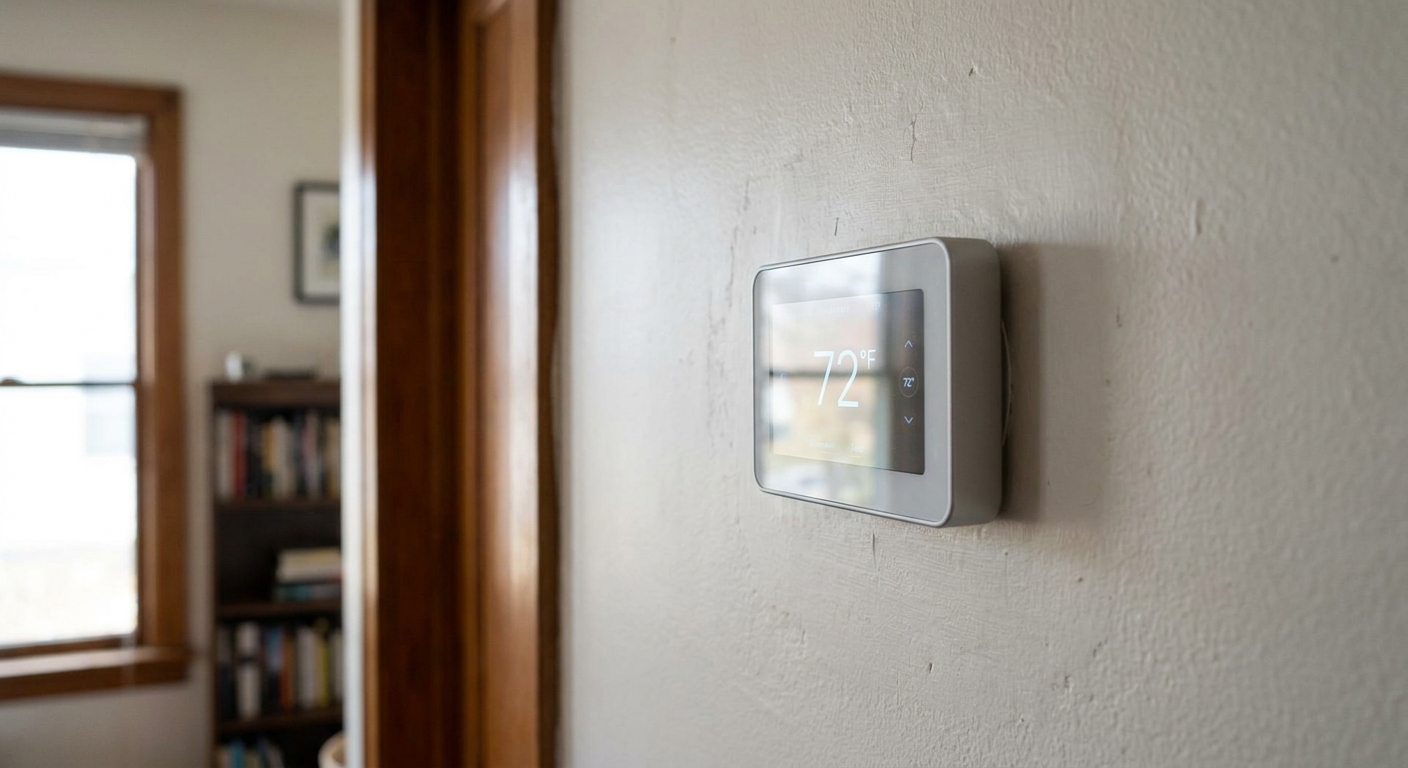
A smart thermostat does more than let you change the temperature from your phone. It learns your schedule, adjusts set-points based on occupancy, and can integrate with humidity sensors to keep the indoor environment comfortable without over-cooling. In a humid climate like Kenner or Metairie, keeping the temperature a degree or two higher during the night can still feel comfortable if humidity is managed.
When you install a smart thermostat, set the “away” temperature to about 78°F and the “home” temperature to 74°F. Most models will automatically raise the temperature by a few degrees when humidity spikes, which reduces the compressor run time. The thermostat also provides monthly energy reports, so you can see exactly how much you’re saving.
Installation usually takes an hour for a standard 24-V system. If your home has a low-voltage thermostat or an older furnace control board, a professional electrician may be needed, which adds a small labor cost. The upfront price for a reliable smart thermostat ranges from $150 to $300, and the energy savings often pay for the device within a year.
4. Keep Up with Routine Maintenance
Regular maintenance is the most reliable way to keep your system running efficiently. A technician will clean the condenser coils, check refrigerant charge, lubricate moving parts, and test the electrical components. Clean coils improve heat exchange, which can lower electricity use by up to 15%.
During a maintenance visit, the technician also inspects the blower motor and capacitor. If the motor is older, it may be running at a lower efficiency than a newer ECM (electronically commutated motor). Replacing a motor can be a significant expense, but it is often covered under a maintenance plan if the issue is caught early.
Most homeowners schedule maintenance twice a year—once before the summer heat and once before the winter chill. A typical service call, including a diagnostic, costs between $90 and $150, and the labor rate is about $200 per hour. The investment in a maintenance plan usually saves more in avoided repairs and lower energy bills.
- Schedule a pre-summer check in late April or early May.
- Ask the technician to verify the thermostat calibration.
- Request a written report of any findings so you can track recurring issues.
5. Know the Costs When Components Need Replacing
Even with diligent care, parts will eventually wear out. Understanding the typical price ranges helps you decide whether to repair or replace. Below are the most common components that may need attention in the New Orleans metro area.
- Refrigerant: $125-$225 per pound. The newer R-454B refrigerant is at the high end; the R-410A phasedown has pushed prices up.
- Fan/blower motor replacement: $450-$1,200, depending on whether a standard motor or a variable-speed ECM motor is installed.
- Compressor replacement: $1,800-$2,900, based on capacity and SEER rating.
- Capacitor/contactor replacement: $200-$450.
- Refrigerant leak repair: $400-$900 plus the cost of the refrigerant itself.
- Service call / diagnostic: $90-$150. Hourly labor is around $200.
- New central AC system, installed: $5,500-$11,000, depending on size and SEER.
For items like duct sealing, duct cleaning, or coil replacement, the cost varies with the home’s layout and the scope of work. A technician will provide an upfront quote after a diagnostic, so there are no surprise charges.
If you’re facing a major component failure, weigh the age of the system against the cost of replacement. A system older than 12-15 years often has lower efficiency ratings, and a new high-SEER unit can lower your electricity use enough to offset the upfront cost over several years.
6. Everyday Habits That Keep Energy Use Low
Small changes in daily routine can add up to noticeable savings. Close blinds or curtains on sunny windows during the hottest part of the day; this reduces solar gain and eases the load on the AC. Using ceiling fans in occupied rooms lets you raise the thermostat a few degrees while still feeling cool.
Another effective habit is to run the dryer and dishwasher during off-peak hours if your utility offers time-of-use rates. While this doesn’t directly affect AC, it lowers the overall household load, which can reduce the peak demand charge on your bill.
Finally, keep indoor humidity in check. A whole-home dehumidifier or a properly sized air-conditioning system that removes moisture efficiently can keep the indoor temperature feeling comfortable at a higher set-point. When humidity stays around 50-55%, you’ll notice a difference in perceived temperature without needing to lower the thermostat.
Final Thoughts
Lowering your Entergy bill while staying comfortable is a matter of eliminating waste and keeping the system in good shape. Start with a quick visual inspection, seal any obvious duct leaks, and consider a smart thermostat to fine-tune temperature control. Regular maintenance and timely repairs keep the system running at peak efficiency, and understanding the realistic cost of parts helps you make informed decisions.
When you’re ready to take the next step—whether it’s a diagnostic visit, a duct sealing job, or a thermostat upgrade—our team in Kenner and Metairie is ready to help. The goal is simple: keep your home comfortable and your energy bills reasonable, without any hype or hidden fees.
Need honest HVAC help in Kenner, Metairie, or anywhere across the Greater New Orleans area? Call Tegridy Air at 504-414-8655 or request a free quote online – we’ll get you comfortable fast.
Related Reading
- New Orleans Humidity Wrecking Your Comfort? What Actually Helps
- Mid-Summer AC Tune-Up to Keep Your Kenner Home Running in July
- Repair or Replace Your AC? Honest Cost Breakdown for New Orleans Homeowners
Frequently Asked Questions
How often should I replace my air filter?
For most homes, replace a standard 1-inch filter every 30-60 days. If you have pets or live in a dusty area, check the filter weekly and replace it every 30 days.
Can a smart thermostat really save me money?
Yes. By adjusting set-points based on occupancy and providing energy reports, a smart thermostat can reduce cooling energy use by 5-10% on average.
What is the best temperature setting for summer?
Setting the thermostat to 78°F when you’re home and using fans for air movement provides a comfortable balance of cooling and energy use. Raise the temperature a few degrees when you’re away.
How do I know if my AC needs a refrigerant recharge?
If the unit runs continuously, the air feels weakly cooled, or you hear the compressor cycling on and off quickly, it may be low on refrigerant. A professional can check the charge and repair any leaks.