


You’ve just noticed the house feels a little warmer than usual, and the electric bill for June is higher than last year’s. The thermostat is set the same, the blinds are down, and the AC unit has been running longer before it finally clicks off. Most homeowners in Kenner and Metairie will first think about a refrigerant leak or a failing compressor, but the simplest cause is often a clogged air filter.
When a filter gets dirty, it restricts airflow. The blower has to work harder to push the same amount of air through the system, which raises energy consumption and can lead to premature wear on the fan motor and even the compressor. In a region where the summer heat and humidity push AC units to run continuously, keeping the filter clean is one of the easiest ways to protect your system and keep indoor air quality at a reasonable level.
This guide walks you through how often you should replace your AC filter in South Louisiana, what signs tell you it’s time sooner, and how the right filter choice fits into an overall maintenance plan. We’ll also give you a realistic picture of the costs involved if you call a professional for service.
Why a Clean Filter Matters for Airflow and Efficiency
Airflow is the lifeblood of any forced-air system. The return-air grille pulls indoor air through the filter, across the evaporator coil, and back out through the supply vents. When the filter is clean, the system can move the designed volume of air with minimal resistance, allowing the evaporator coil to stay at the correct temperature for effective dehumidification.
If the filter becomes clogged, the static pressure in the ductwork rises. The blower motor, especially if it’s a variable-speed ECM unit, will increase its speed to meet the thermostat’s demand. That extra motor load translates directly into higher electricity use, which shows up on your Entergy bill during the peak summer months.
Beyond energy, a dirty filter can shorten the life of key components. The fan motor may overheat, the capacitor can be stressed, and the compressor may see higher inlet temperatures because the coil isn’t getting enough air. Those stresses often lead to service calls that could have been avoided with regular filter changes.
Finally, the filter is the first line of defense for indoor air quality. In a humid climate, mold spores, pollen, and dust are constantly circulating. A properly rated filter captures these particles before they settle on furniture or are inhaled by occupants, which is especially important for families with children or anyone with respiratory sensitivities.
How Often to Change Your Filter in South Louisiana
The baseline recommendation for most residential pleated filters is every 30 to 90 days. In South Louisiana, the high humidity and frequent use of the AC push that range toward the shorter end. For a typical single-family home in Kenner or Metairie that runs the system eight to ten hours a day in summer, a 30-day change schedule is a safe rule of thumb.
If you have pets that shed, a larger family that generates more dust, or you use the system for whole-home ventilation, you may need to replace the filter every two weeks during the hottest months. Conversely, in the cooler winter months when the system runs only occasionally, you can stretch the interval to 90 days, provided the filter looks clean.
Many modern filters are labeled with a “MERV” rating. A MERV 8-11 pleated filter balances particle capture with airflow restriction for most homes. Higher MERV ratings (13-16) trap finer particles but can reduce airflow more noticeably, which may require more frequent changes—often every 30 days even in milder conditions.
It’s a good habit to set a calendar reminder. Some smart thermostats can send a notification when it’s time to check the filter, and many homeowners find a simple phone alarm works just as well. The key is consistency; a scheduled change is easier than trying to guess based on visual inspection alone.
Signs Your Filter Needs Replacement Sooner
Even if you’re on a regular schedule, the filter can become clogged faster than expected. Look for these practical signs before the next scheduled change.
- Reduced airflow at the supply vents—rooms feel drafty or the airflow feels weak.
- Ice forming on the evaporator coil—restricted airflow can cause the coil temperature to drop below freezing.
- Higher utility bills without a change in thermostat setting—your system is working harder.
- Increased dust on surfaces or a musty odor—particles are bypassing the filter.
If you notice any of these, replace the filter immediately. A quick swap can prevent a minor issue from turning into a costly repair call. In some cases, the blower motor may have already been stressed; a professional can check the motor’s temperature and look for signs of wear.
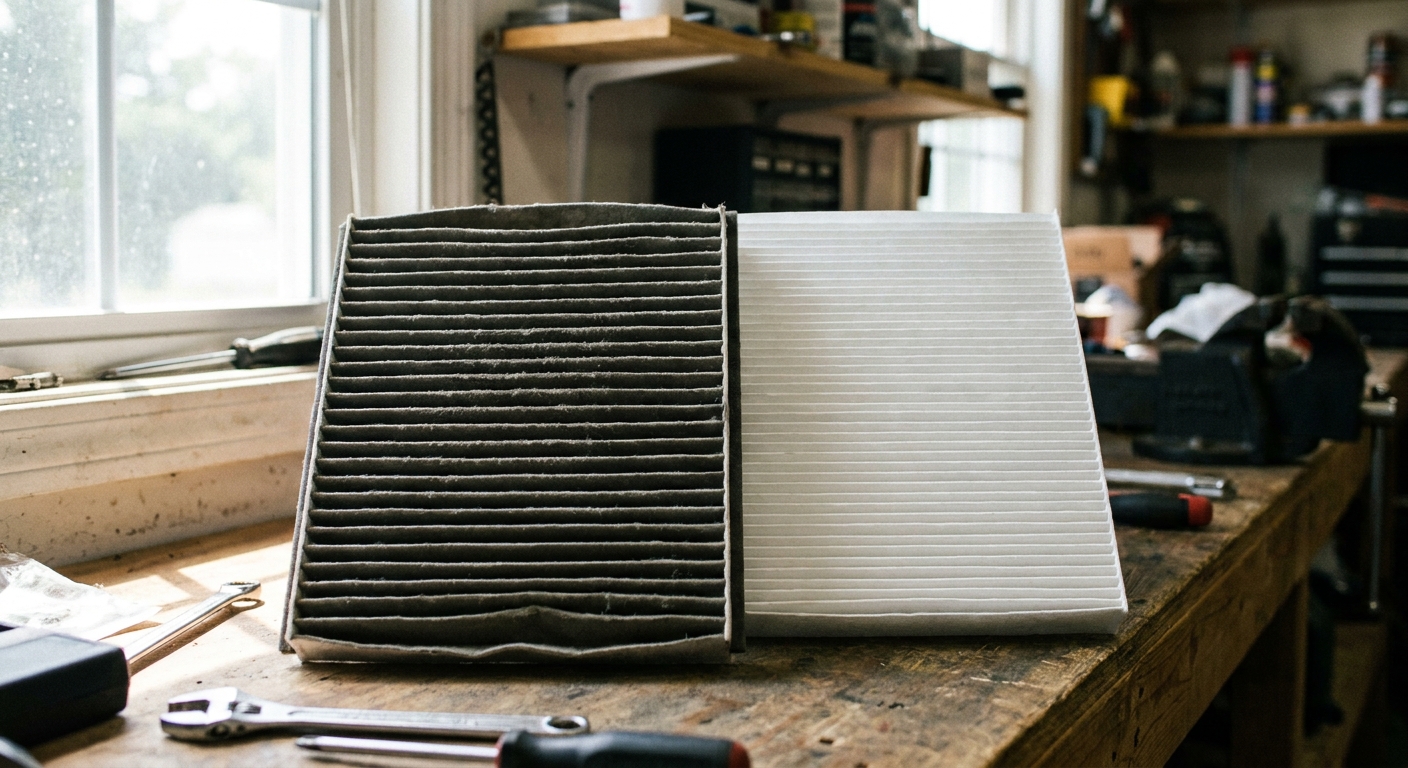
Another indicator is the filter’s visual condition. A filter that looks gray, dusty, or has visible debris on both sides is a clear sign it’s time for a new one. Even if you’re on a 30-day schedule, a heavily soiled filter should be changed as soon as you see it.
Remember that the filter’s location matters. In homes with multiple return registers, each register may have its own filter, or there may be a single larger filter in the main plenum. Check each location if you’re unsure where the filter sits.
Choosing the Right Filter for a Humid Climate
Not all filters are created equal, and the right choice can make a difference in both performance and maintenance frequency. In a humid environment like South Louisiana, you want a filter that captures moisture-related contaminants without choking the system.
- Pleated filters (MERV 8-11): Good balance for most homes; captures dust, pollen, and some mold spores.
- Electrostatic filters: Use an electric charge to attract particles; can be washed and reused, but must be cleaned thoroughly to avoid mold growth.
- HEPA-style filters (MERV 13-16): Excellent for allergy sufferers, but require more frequent changes and may reduce airflow if the system isn’t sized for the added resistance.
If you have a central air system with a variable-speed blower, a higher-MERV filter is often acceptable because the motor can compensate for the extra pressure drop. For single-speed units, stay at MERV 8-11 to avoid overworking the fan.
Another consideration is the filter’s material. Fiberglass filters are inexpensive but trap very few particles and can let dust pass through. Pleated polyester or cotton filters provide better capture rates and are still easy to install.
Finally, think about the overall indoor air quality plan. Pairing a good filter with a whole-home air purifier or UV-light coil can reduce the load on the filter, allowing you to stretch the replacement interval a bit longer while still maintaining clean air.
Professional Service Costs and When to Call a Technician
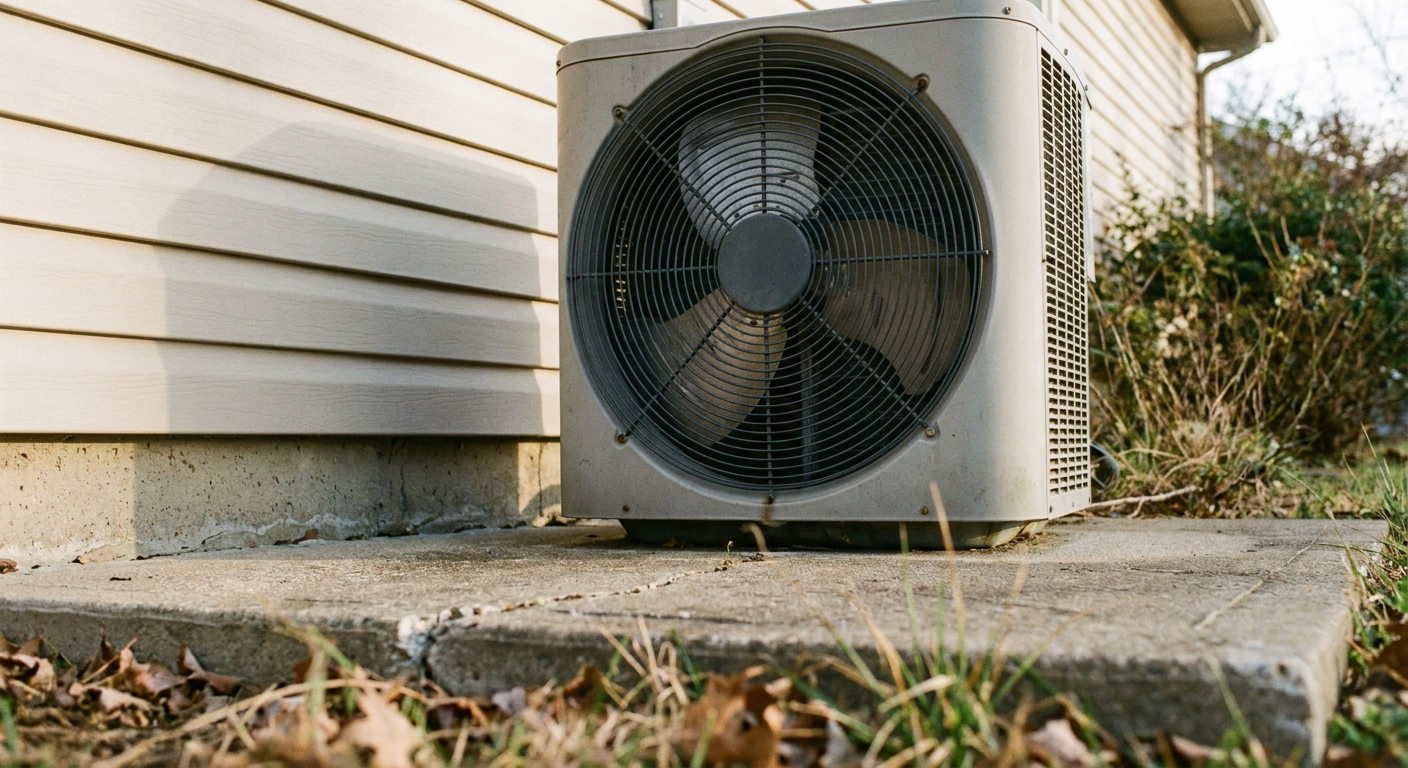
Most homeowners can replace a filter themselves, but there are times when a professional visit makes sense. If you notice reduced airflow, ice on the coil, or a spike in your electricity bill, a technician can assess the entire system, not just the filter.
During a service call, a licensed technician will inspect the filter, verify proper airflow, and check the blower motor, capacitor, and refrigerant charge. The diagnostic fee for this type of visit in the New Orleans metro area typically ranges from $90 to $150. If additional work is needed—such as a fan motor replacement—the labor rate is about $200 per hour, and the part cost can range from $450 to $1,200 depending on the motor type.
Other common repairs that might be uncovered during a filter-related service include a refrigerant leak, which can cost $400-$900 for the repair plus the refrigerant itself ($125-$225 per pound). Compressor replacement, a more serious issue, runs $1,800-$2,900. We always provide an upfront estimate before any work begins, so you know exactly what to expect.
Regular maintenance plans offered by Tegridy Air include filter replacement, system inspection, and cleaning of the coil and condensate drain. Those plans can spread the cost of service calls over the year and help catch problems early, keeping your system running efficiently throughout the long summer season.
Maintaining Overall Indoor Air Quality
Changing the filter is one piece of a broader indoor air quality strategy. In humid climates, moisture can settle on the evaporator coil and encourage mold growth if the coil isn’t kept clean. A technician can clean the coil during a routine service, which helps the system dehumidify more effectively.
Ductwork also plays a role. Leaky or dirty ducts can pull unfiltered air into the system, bypassing the filter entirely. While the cost of duct sealing varies with the size and condition of the home, a professional will assess the ducts and give you a clear quote before any work begins.
Smart thermostats add another layer of control. By monitoring temperature, humidity, and runtime, they can alert you when the system is working harder than usual—often a sign that the filter is clogged or the coil needs cleaning. Many homeowners in Metairie have paired a smart thermostat with a maintenance plan to get proactive alerts.
Air purification devices, such as whole-home UV lights or electronic air cleaners, can reduce the particle load on the filter. When these devices are properly installed, you may find that you can extend the filter change interval by a week or two, but you still need to check the filter regularly.
Best Practices for DIY Filter Replacement
Even if you handle the filter swap yourself, follow a few simple steps to avoid common mistakes. First, turn off the thermostat and the unit’s power switch to prevent the fan from running while you work. This protects both you and the motor.
Next, locate the return-air grille. In many Kenner homes, the grille is in a hallway or near the furnace. Remove the old filter, noting the direction of the airflow arrow printed on the frame. Insert the new filter with the arrow pointing toward the furnace or air handler.
After installing the new filter, turn the power back on and set the thermostat to “auto” for a short test run. Listen for any unusual noises from the blower, and feel the supply vents for a steady flow of air. If anything seems off, it’s a good idea to call a professional for a quick check.
Finally, keep a small stock of the correct size filter in a convenient location—perhaps a pantry shelf—so you never run out. Label the box with the recommended replacement interval, and you’ll have a visual reminder that helps you stay on schedule.
Final Thoughts
In South Louisiana, the AC filter is the most accessible part of your HVAC system that you can control regularly. Changing it on a consistent schedule—typically every 30 days during the hot, humid months—keeps airflow strong, reduces energy use, and protects the equipment from premature wear.
If you notice reduced airflow, higher bills, or ice on the coil, replace the filter immediately and consider a professional inspection. A quick service call can catch issues before they become expensive repairs, and a maintenance plan can spread those costs over the year while ensuring your system stays in top shape.
Need honest HVAC help in Kenner, Metairie, or anywhere across the Greater New Orleans area? Call Tegridy Air at 504-414-8655 or request a free quote online – we’ll get you comfortable fast.
Related Reading
- How Often Should You Change Your AC Filter in South Louisiana?
- How Often Should You Change Your AC Filter in South Louisiana?
- How Often Should You Change Your HVAC Filter
Frequently Asked Questions
How do I know what size filter I need?
Check the dimensions printed on the old filter’s frame (width × height × depth). The size is usually something like 16 × 20 × 1 in. If you can’t read the label, measure the opening in the return grille and match those measurements when you buy a new filter.
Can I use a higher-MERV filter to improve air quality?
Yes, but only if your system’s blower can handle the added resistance. A higher-MERV filter can capture finer particles, but it may reduce airflow and cause the motor to work harder. If you’re unsure, consult a technician before switching to a higher rating.
How often should I clean my AC coils?
Coil cleaning is typically part of an annual maintenance visit. A technician will clean the evaporator and condenser coils, which helps the system dehumidify efficiently and reduces the load on the filter.
What are the signs of a failing blower motor?
Common signs include a humming noise without airflow, the fan not turning on at all, or the motor overheating and tripping the breaker. If you suspect a motor issue, have a professional inspect it; motor replacement costs range from $450 to $1,200.