

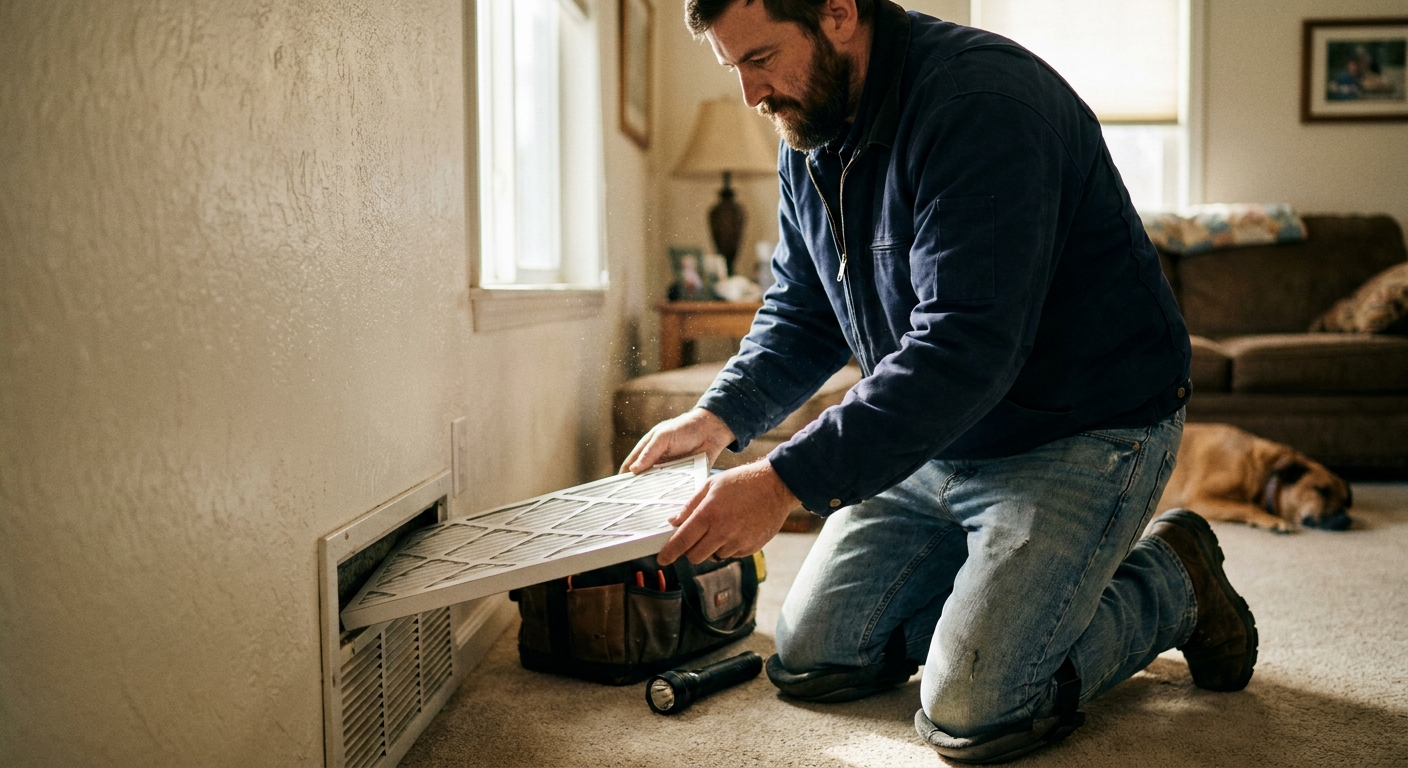
When the AC stops blowing cold air, the first thing many homeowners check is the thermostat setting or the circuit breaker. Often the real issue is a clogged filter that’s restricting airflow. A dirty filter forces the system to work harder, which shows up as higher electric bills and a unit that runs longer without reaching the set temperature. If you’re in Kenner or Metairie and you’ve just noticed a drop in comfort, checking the filter should be your first step.
Changing the filter at the right interval is a simple maintenance task that protects the whole HVAC system. It’s not just about keeping the air clean; it’s about preserving the mechanical parts that move that air. In South Louisiana’s heat and humidity, the system runs many hours each day, so the filter sees a lot of use. Understanding when to replace it can save you from premature wear, costly repairs, and the frustration of a unit that never feels quite right.
Below we walk through the signs that a filter needs attention, the schedule that works best for our climate, how to change a filter safely, and what you might expect to pay if you call a professional. The goal is to give you clear, actionable information so you can keep your AC running efficiently all summer long.
Why Filter Timing Matters for Your AC
Air filters are the first line of defense for the indoor air that circulates through your home. They catch dust, pollen, mold spores, and other particles before they reach the blower motor, evaporator coil, and ductwork. When a filter becomes saturated, the pressure drop across it increases, which means the fan has to work harder to push the same amount of air.
That extra work translates directly into higher electricity consumption. In a region where the AC can be on for 10-12 hours a day during July and August, even a small efficiency loss adds up on the monthly Entergy bill. Over time, the added strain can shorten the lifespan of key components like the motor and compressor, leading to more frequent service calls.
Beyond the mechanical impact, a clogged filter also reduces indoor air quality. When airflow slows, humidity can linger longer in the coil, creating a breeding ground for mold. Those spores can then be distributed throughout the house, aggravating allergies and respiratory issues. Keeping the filter clean is a straightforward way to protect both the equipment and the health of the occupants.
How to Tell a Filter Needs Changing
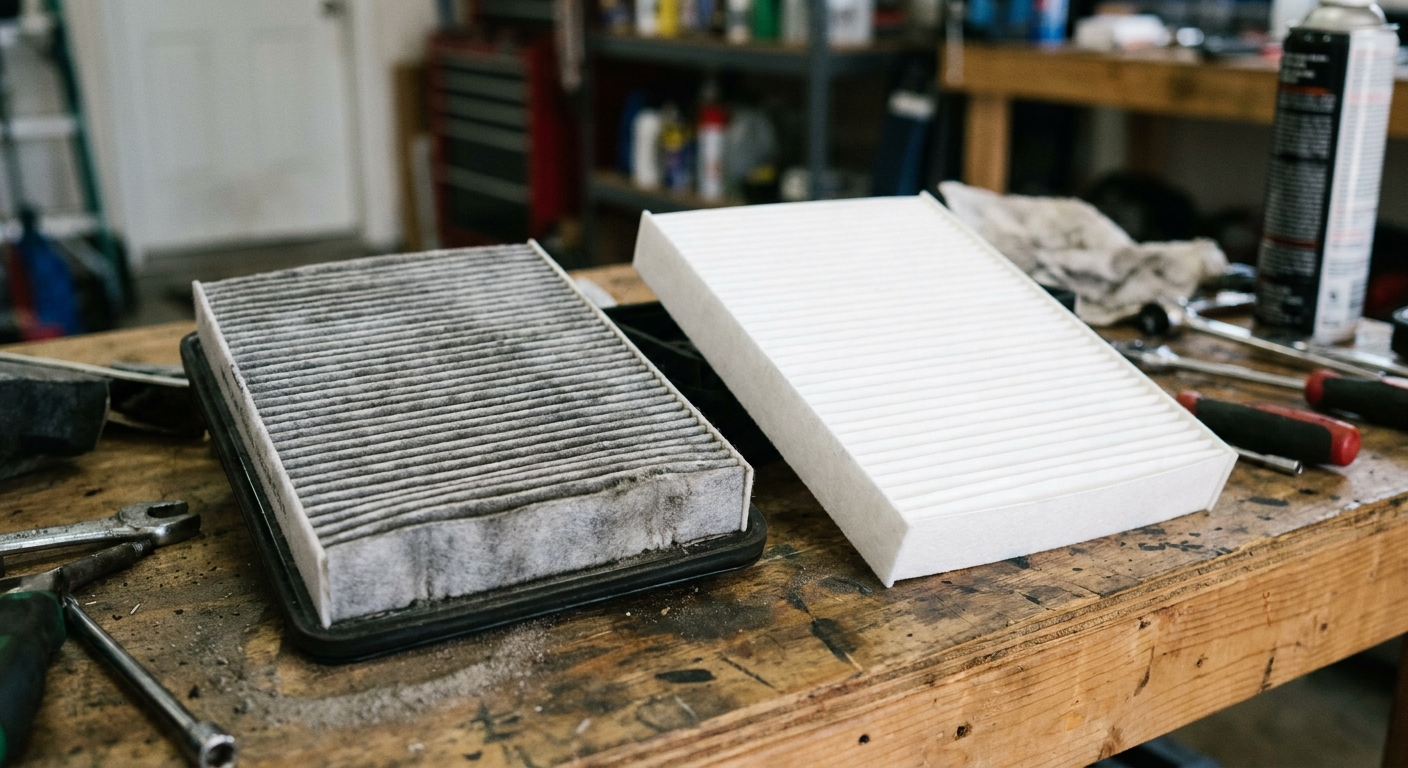
The easiest way to know a filter is dirty is to look at it. A new pleated filter is usually white or off-white and fairly stiff. After a few weeks of operation in a typical New Orleans home, it will start to turn gray and feel softer. If you see a visible layer of dust or debris on the surface, that’s a clear sign it’s time for a swap.
Another indicator is reduced airflow at the vents. If the air feels weak or you have to open a window slightly to feel any breeze, the filter may be restricting the system. You can also feel the temperature difference between the supply vent and the return vent; a smaller difference often means the air isn’t moving efficiently.
Pay attention to your utility bill as well. A sudden jump in electricity usage during a period of normal weather can be caused by a filter that’s making the fan run longer to meet the thermostat setting. Lastly, if you notice more dust settling on furniture or an increase in allergy symptoms, the filter might not be doing its job.
Recommended Replacement Schedule for South Louisiana
In a climate like South Louisiana’s, the baseline recommendation for a standard 1-inch pleated filter is every 30 days. The high humidity and frequent use of the AC mean the filter captures more moisture and particles than it would in a drier region. If you have pets, do a lot of cooking, or run a home office with printers, you may need to replace the filter every two weeks.
For higher-efficiency filters—such as a 3-inch or a high-MERV rating—extend the interval to 60-90 days, but only if the home is relatively clean and there are no heavy sources of indoor pollutants. Even with a premium filter, it’s wise to inspect it monthly; visual checks can catch early buildup before it affects performance.
Seasonal changes also affect the schedule. During the hot summer months, the AC runs continuously, so a 30-day change is a safe rule of thumb. In the milder winter, when the system is used mainly for heating, you can stretch the interval to 45-60 days, but still keep an eye on the filter’s appearance.
Step-by-Step Guide to Replacing a Filter Yourself
Before you start, turn off the thermostat or set it to “off” to avoid the fan kicking on while you’re working. Most filters are located in the return-air grille, which is either in a wall or in the ceiling. If you can’t find it, look near the furnace or air handler; the grille is usually a rectangular metal box with a removable front panel.
- Open the grille by loosening the screws or pulling the latch, depending on the model.
- Slide the old filter out carefully; note the direction of the arrows printed on the frame—this shows the airflow direction.
- Take the new filter, line up the arrows with the airflow direction, and slide it into the slot so it fits snugly.
- Close the grille, secure the screws or latch, and turn the thermostat back on.
After the replacement, listen for any unusual noises and feel the airflow at a vent to confirm it feels stronger. If the system still seems sluggish, there may be other issues like a blocked duct or a failing blower motor, which would require a professional look.
Keep a spare filter on hand so you can swap it out quickly when the next change is due. Many local hardware stores carry the same size filters you need, and they’re usually inexpensive compared with a service call for a simple replacement.
Cost Considerations for Filter-Related Service
If you prefer a technician to handle the filter change, the labor cost is part of a standard service call. In the Greater New Orleans area, a service call or diagnostic typically runs between $90 and $150, and the hourly labor rate is around $200. This fee covers the time spent inspecting the system, checking airflow, and swapping the filter for you.
Most homeowners find that the cost of a professional filter change is modest compared with the potential savings from improved efficiency. A clean filter can reduce the AC’s runtime by 5-10 percent, which translates into lower electricity usage during the peak summer months. If you’re already budgeting for routine maintenance, adding a filter change to that visit is usually the most economical option.
For larger projects—such as replacing a failing blower motor, fixing a refrigerant leak, or installing a new central system—different price ranges apply. A fan or blower motor replacement can run $450-$1,200, while a full system install ranges from $5,500 to $11,000 depending on size and SEER rating. Those numbers are provided only for context; a filter change alone is far less expensive and can be done quickly.
Maintaining Airflow and Indoor Air Quality Beyond the Filter
Even with a clean filter, the rest of the HVAC system needs regular attention to keep airflow optimal. Ducts can accumulate dust and insulation debris over time, especially in homes with attics that are prone to settling. While a full duct cleaning is not always necessary, a visual inspection during a maintenance visit can reveal obvious blockages.
Coil cleaning is another important step. The evaporator coil sits behind the filter and can become coated with grime, reducing heat exchange efficiency. A technician can clean the coil using specialized cleaners that won’t damage the fins. This service is typically quoted after a diagnostic because the condition varies widely from house to house.
Adding air purification devices, such as UV lights or high-efficiency particulate air (HEPA) filters, can further improve indoor air quality, especially for families with allergies. Smart thermostats also help by providing alerts when the system detects reduced airflow, prompting you to check the filter before the problem escalates. In Kenner and Metairie, many homeowners pair these upgrades with a regular maintenance plan to keep the system humming year-round.
Final Thoughts
Changing the air filter is one of the easiest, most cost-effective ways to protect your AC, lower your electricity bill, and keep the indoor air clean. In South Louisiana’s hot, humid climate, a 30-day replacement schedule for standard filters is a solid rule, with adjustments for pets, heavy cooking, or higher-efficiency filters. Regular visual checks and a quick replacement routine can prevent many common problems before they require a service call.
If you’re unsure whether your filter is due, or you notice any of the signs listed above, give us a call. We can inspect the system, replace the filter, and look for any other issues that might be affecting airflow or indoor air quality. A well-maintained system not only feels better on a sweltering day—it also lasts longer and runs more efficiently.
Need honest HVAC help in Kenner, Metairie, or anywhere across the Greater New Orleans area? Call Tegridy Air at 504-414-8655 or request a free quote online – we’ll get you comfortable fast.
Related Reading
- How Often Should You Change Your HVAC Filter
- How Often Should You Change Your HVAC Filter?
- How Often to Change HVAC Filter
Frequently Asked Questions
How often should I replace my AC filter in a home with pets?
In homes with pets, a filter can become saturated more quickly. We recommend checking the filter weekly and replacing it every 2-3 weeks, or at least once a month.
Can I use a higher-MERV filter in my system?
Yes, but make sure the filter’s airflow rating matches your system’s specifications. A filter that’s too restrictive can reduce airflow and strain the blower motor.
What are the signs that my filter is too dirty to wait for the next scheduled change?
Reduced airflow at vents, higher electricity bills, visible dust buildup on the filter, and increased dust on furniture or allergy symptoms are all signs the filter needs immediate replacement.
Should I replace the filter during the winter when the AC isn’t running?
It’s still a good idea. The filter also protects the heating components and helps maintain indoor air quality year-round. Checking it monthly is a safe practice.