

You’re standing in your living room, the thermostat reads 78°F, and the AC is humming, but the room feels a little stuffy. You notice the energy bill is higher than usual, and the airflow from the vents seems weaker. The most common cause of these symptoms is a clogged air filter, and deciding when to replace it can feel like a guess.
In South Louisiana, the heat and humidity put extra demand on your system. A clean filter helps the unit move the right amount of air, keeps the coil from getting dirty, and prevents dust from circulating through the house. Changing the filter at the right interval saves energy, protects the equipment, and improves indoor air quality for everyone in the home.
Why the Air Filter Matters
The air filter sits in the return-air plenum and catches dust, pollen, mold spores, and other particles before they enter the ductwork. When the filter is clean, air moves freely, the blower motor runs at its designed speed, and the evaporator coil stays clear. Reduced airflow forces the motor to work harder, which can raise electricity use and shorten the life of the compressor.
Beyond the mechanical side, the filter is the first line of defense for indoor air quality. Families with allergies, asthma, or young children benefit from a filter that captures fine particles. In a humid climate like ours, mold spores are a real concern, and a good filter can keep them from spreading through the house.
Even if the AC seems to be cooling, a partially clogged filter can cause uneven temperatures. Some rooms may feel cool while others stay warm because the system can’t push enough air through the ducts. Over time, this imbalance can lead to higher wear on the system and more frequent service calls.
Choosing the right filter type also matters. Pleated filters with a MERV rating of 8-11 are a solid choice for most homes; they balance particle capture with airflow. Higher-MERV filters trap smaller particles but can restrict airflow if the system isn’t designed for them, so it’s best to stick with the manufacturer’s recommendation.
How Often Should You Replace the Filter?
The “standard” recommendation of every 90 days works for many households, but several local factors can shorten that window. If you have pets that shed, the filter will collect hair and dander faster. Homes that do a lot of cooking or have a lot of foot traffic also generate more dust.
During the summer months, when the AC runs continuously, you’ll see the filter loading up more quickly. In the peak heat of July and August, many Kenner and Metairie residents find that a monthly change keeps the system humming smoothly. Conversely, in the milder winter months, the interval can stretch to three months if the system runs only occasionally.
Another factor is the type of filter you use. A basic fiberglass filter may need replacement every 30-45 days under heavy use, while a higher-quality pleated filter can often last 60-90 days. If you’re using a filter with a higher MERV rating, check the manufacturer’s guidelines because the airflow restriction can be greater.
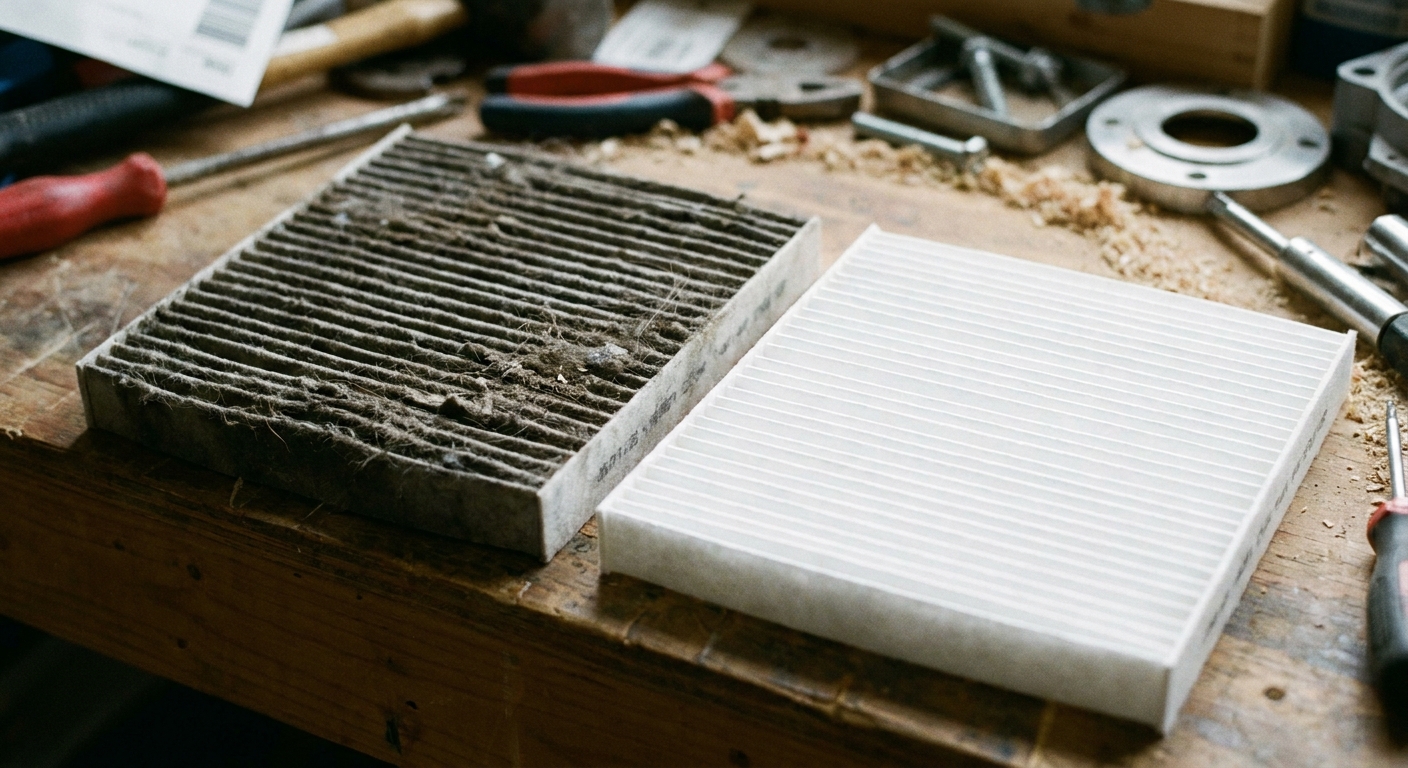
For homes with allergy sufferers, a weekly check is advisable. A quick visual inspection of the filter’s surface can tell you if it’s turning gray or visibly clogged. When in doubt, replace it—filter replacement is a low-cost maintenance task that prevents bigger expenses later.
Signs It’s Time for a New Filter
Even if you’re not on a strict schedule, a few clear signs tell you the filter needs attention. Reduced airflow is the most obvious; the air feels weaker when you open a vent, and the thermostat may run longer to reach the set temperature.
Higher energy bills are another red flag. When the blower works harder because of a clogged filter, the electric draw goes up, and you’ll see the impact on your monthly statement. This is especially noticeable during the hottest weeks when the AC is running nonstop.
Unusual noises can also point to a dirty filter. A whistling sound or rattling from the blower often indicates that air is being forced through a restricted path. Finally, if you notice dust settling on furniture more quickly, the filter may be letting particles slip through.
- Weak airflow from vents
- Increase in electric bill during cooling season
- Whistling or rattling noises from the unit
- Visible dust buildup on surfaces
Step-by-Step Filter Replacement
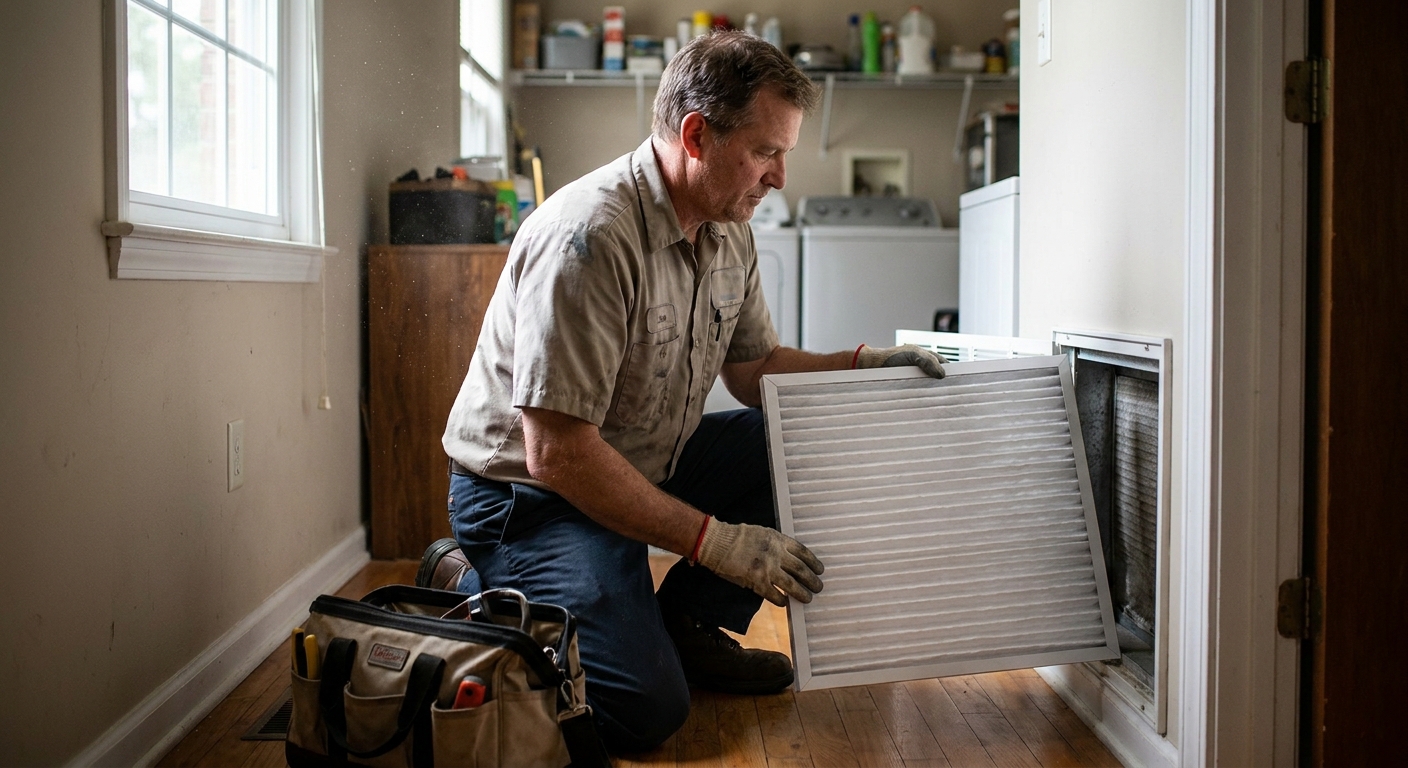
Replacing a filter is a simple task that takes less than five minutes. First, turn off the thermostat to stop the fan and avoid drawing unfiltered air into the house. Then locate the return-air grille—usually a rectangular vent on a wall or ceiling.
Open the grille by loosening the screws or releasing the clips. Slide the old filter out, taking note of the direction of the airflow arrows printed on the frame. This orientation is important; the new filter must face the same way.
Insert the new filter, making sure the arrows point toward the blower motor. Close the grille securely, then turn the thermostat back on. Run the system for a few minutes and check that the airflow feels normal. If you notice any odd sounds, double-check that the filter is seated correctly.
Keep a spare filter on hand, especially during the peak cooling months. Storing a few extra filters in a garage or utility closet makes it easy to swap them out without a trip to the store. And remember to write the replacement date on the filter frame; a simple calendar reminder helps you stay on schedule.
Cost Considerations for Filter-Related Services
While the filter itself is inexpensive—typically $10-$30 for a standard pleated size—some related services can add up. If a clogged filter leads to a frozen coil or a motor that’s over-working, a technician may need to perform a refrigerant recharge or replace a motor.
Typical service call and diagnostic fees range from $90 to $150, with hourly labor around $200. If the blower motor needs replacement, the part and labor can run between $450 and $1,200, depending on whether the unit uses a standard or variable-speed ECM motor. A refrigerant recharge, when required, costs $125-$225 per pound of refrigerant, reflecting current market prices for R-454B and other blends.
Compressor replacement is a larger expense, ranging from $1,800 to $2,900, and should only be considered after a thorough diagnosis. Capacitor or contactor repairs sit in the $200-$450 range. For any of these services, we’ll provide an upfront quote after the diagnostic visit, so you know exactly what to expect.
Beyond the Filter: Comprehensive Maintenance
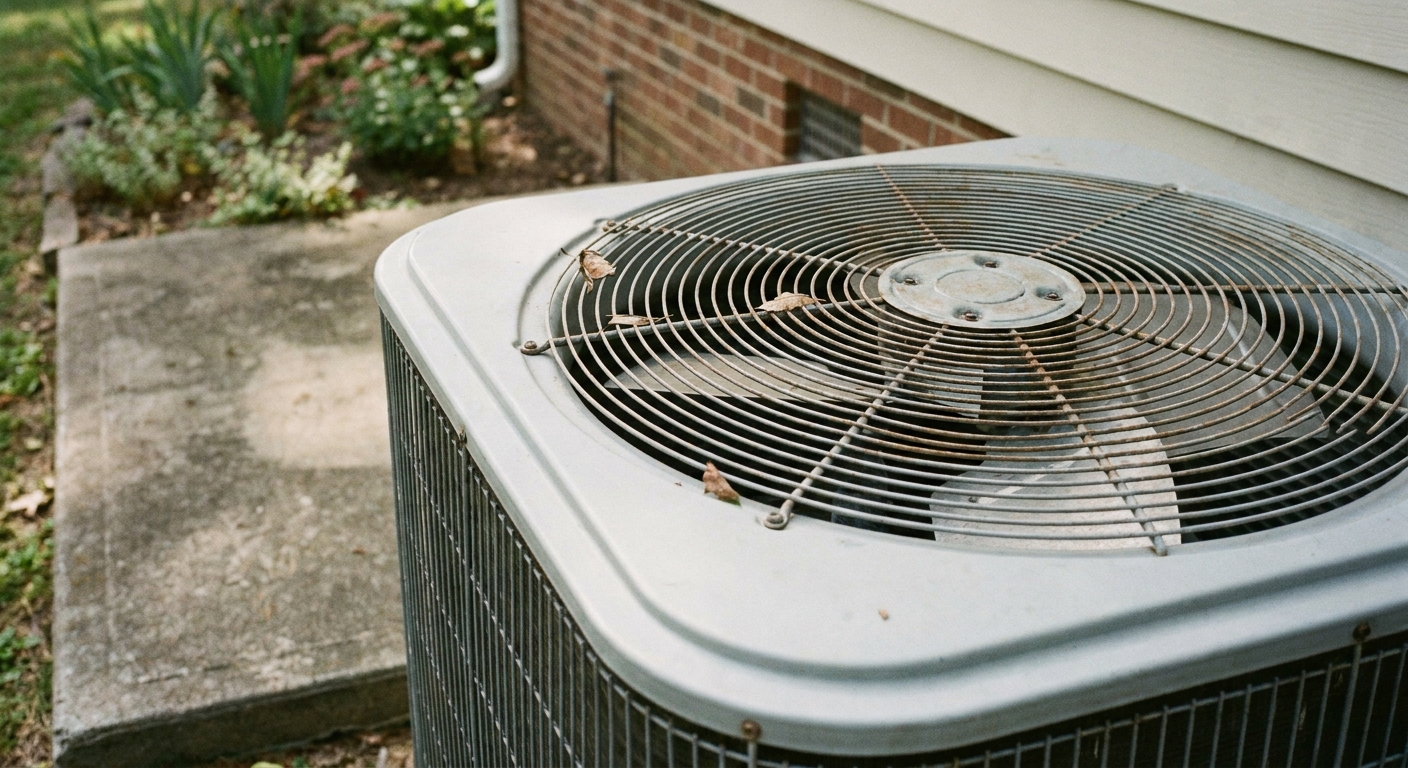
A regular filter change is part of a broader maintenance plan that keeps the system efficient. Annual tune-ups include checking refrigerant levels, cleaning the condenser coils, and inspecting the blower motor and fan blades. These steps catch issues early, before they become emergency repairs.
Smart thermostats add convenience and can help you track filter-change dates automatically. By setting reminders in the thermostat’s app, you’ll get a notification when it’s time to replace the filter. Pairing a thermostat upgrade with a maintenance plan often yields the best balance of comfort and cost savings.
Other upgrades that improve indoor air quality include duct sealing and air purification units. Leaky ducts can draw in unfiltered air from attics or crawl spaces, negating the work you do with the filter. While the cost of duct sealing varies, a professional will assess the scope and give a clear estimate after a diagnostic visit.
Air purifiers, especially those with HEPA or UV-C technology, can be installed in the return-air plenum to capture finer particles that slip past the filter. This is a good option for homes with severe allergies or for anyone looking to reduce mold spores in a humid climate.
Final Thoughts
Changing the AC filter at the right interval is a small habit that protects a big investment. In the heat and humidity of South Louisiana, a clean filter maintains airflow, keeps energy costs down, and supports healthier indoor air. By watching for the signs of a clogged filter and replacing it on a schedule that matches your home’s use, you avoid many of the common problems that lead to costly repairs.
Combine regular filter changes with a yearly maintenance visit, and consider smart thermostat reminders, duct sealing, or air purification if indoor air quality is a priority. Those steps together give you a reliable, efficient cooling system that serves your family well season after season.
Need honest HVAC help in Kenner, Metairie, or anywhere across the Greater New Orleans area? Call Tegridy Air at 504-414-8655 or request a free quote online – we’ll get you comfortable fast.
Related Reading
- How Often Should You Change Your AC Filter in South Louisiana?
- How Often Should You Change Your HVAC Filter
- How Often Should You Change Your HVAC Filter?
Frequently Asked Questions
How can I tell which MERV rating is right for my home?
A MERV rating of 8-11 works well for most residential systems, balancing particle capture with airflow. Higher ratings can restrict airflow if the system isn’t designed for them, so check the manufacturer’s recommendation or ask a technician.
Can I use a reusable filter instead of disposable ones?
Reusable filters can be effective if they are cleaned regularly according to the manufacturer’s instructions. However, they often require more effort to maintain and may not capture particles as finely as a high-quality disposable pleated filter.
What happens if I forget to change the filter for several months?
The filter will become clogged, reducing airflow and forcing the blower motor to work harder. This can raise electricity usage, cause the evaporator coil to freeze, and increase wear on the compressor, potentially leading to expensive repairs.
Do I need a different filter for the furnace and the AC?
Most homes use the same return-air filter for both heating and cooling because the air passes through the same ductwork. If you have separate systems with distinct return ducts, each will need its own filter.