
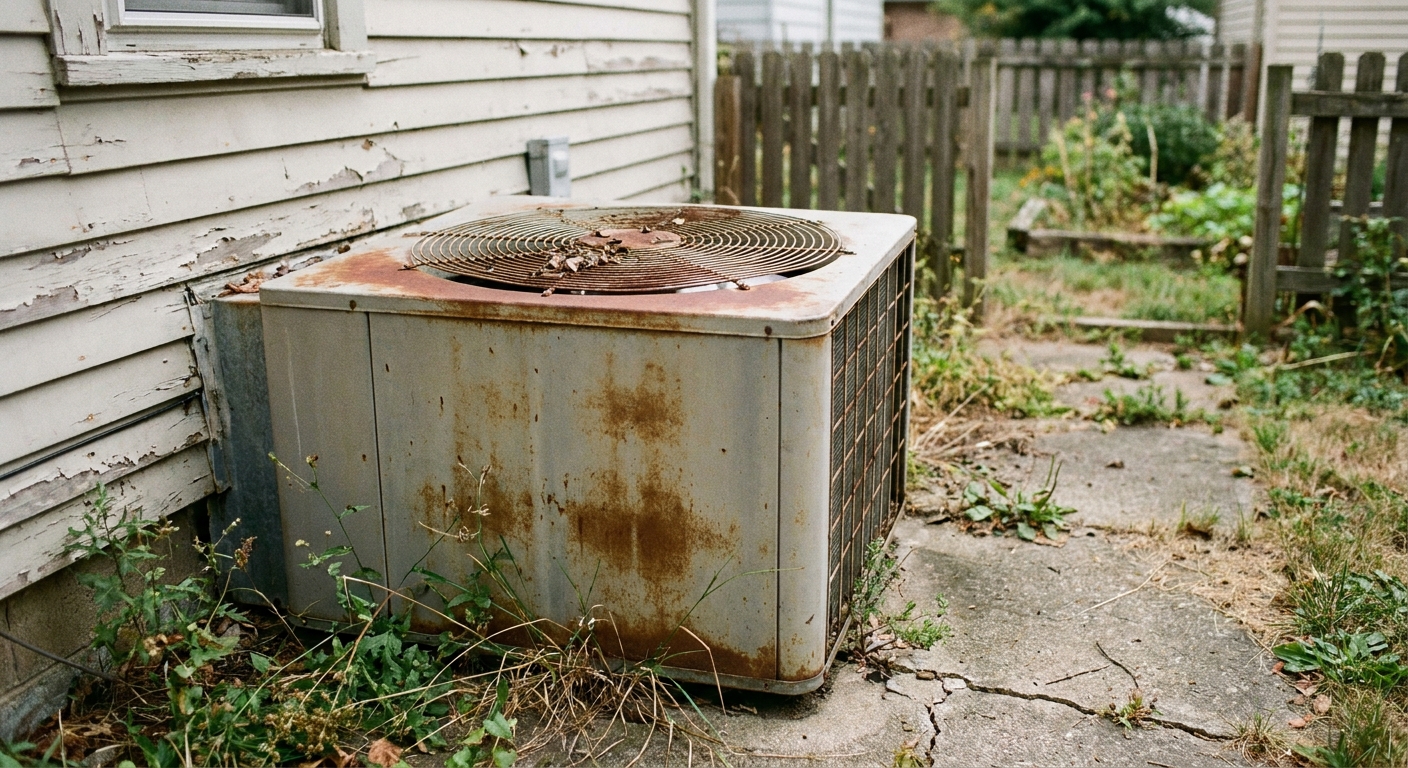
You’ve been hearing that familiar hum from your outdoor unit for years. Lately, the house feels warmer in the evenings, the electric bill is creeping up, and the thermostat seems to be fighting the AC more than it used to. You called a neighbor, they suggested a quick fix, but the problem keeps returning. Now you’re wondering if a simple repair will get you through the summer or if it’s time to start budgeting for a new system.
Making that decision isn’t just about the price tag you see on a receipt. It involves looking at how the unit performs, how often it needs attention, and what the long-term impact will be on your comfort and your wallet. In this guide we walk through the practical signs of an aging system, break down the real costs of common repairs, and explain when a new AC installation makes more sense for a home in Kenner, Metairie, or any part of the Greater New Orleans area.
We keep the language plain and the advice based on what you’ll actually see on the job site. No hype, no scare tactics—just the facts you need to decide whether to repair or replace.
1. Recognizing the Real Signs of an Aging Air Conditioner
The first step is to look at how the unit behaves day to day. If you notice a steady drop in cooling performance—meaning you have to set the thermostat lower than usual to reach the same indoor temperature—that’s a sign the compressor or refrigerant circuit is losing efficiency. Older compressors often develop internal wear that reduces their ability to pump heat, and the result is a longer run time and higher energy use.
Another common indicator is frequent cycling. An AC that turns on and off every few minutes is working harder than it should. Short cycling can be caused by a failing fan motor, a clogged coil, or a refrigerant leak that forces the system to shut down early to protect itself. Each extra start-up uses extra electricity and adds wear to the compressor.
Listen for unusual noises. A rattling or grinding sound from the outdoor unit usually points to a failing fan blade, motor bearings, or a loose component. Hissing or bubbling noises often mean a refrigerant leak. While a squeal can be a sign of a worn belt (on older units) or a failing capacitor. These noises are not just annoyances; they indicate parts that may soon need replacement.
2. Typical Repair Scenarios and What They Involve
When an issue shows up, the first thing a technician will do is run a diagnostic to pinpoint the problem. Common repairs in the New Orleans metro include:
- Capacitor or contactor replacement – fixes motor start issues.
- Fan or blower motor swap – restores proper airflow.
- Compressor repair or replacement – addresses loss of cooling power.
- Refrigerant leak detection and repair – stops loss of refrigerant and restores efficiency.
Each of these repairs addresses a specific component, but they also share a common thread: they are typically short-term solutions. If the same component fails again within a year, or if multiple parts are wearing out at once, the repair costs can add up quickly. That’s why it’s helpful to keep a log of what’s been fixed and how often.
Beyond the parts themselves, labor is a factor. Technicians charge an hourly rate that covers travel, safety checks, and the actual work. While a single repair might seem affordable, the cumulative expense of repeated service calls can approach the cost of a new system, especially when you factor in the rising price of refrigerants and the energy loss from an inefficient unit.
3. How Age and SEER Rating Influence Your Energy Bills
Seasonal Energy Efficiency Ratio (SEER) measures how much cooling a system provides for each unit of electricity it consumes. Modern units typically start at 13 SEER and can go up to 21 SEER or higher. Units installed before the early 2000s often sit at 10 SEER or less. That difference translates directly into higher monthly electric bills, especially during the peak summer months when Entergy rates climb.
Older units also tend to have worn insulation and deteriorating ductwork, which further reduces overall system efficiency. Even if the compressor is still functional, a low SEER rating means the unit draws more power to achieve the same temperature drop. Homeowners in Kenner and Metairie who have been paying the same electric bill for years may notice a sudden spike when the AC starts to lose efficiency.
Replacing an aging system with a higher-SEER model can lower your cooling costs by 15-30 percent, according to industry averages. The exact savings depend on your home size, insulation, and how often you run the system. In many cases, the reduction in energy use pays for part of the installation cost over the first few years of operation.
4. When Replacement Beats Repair
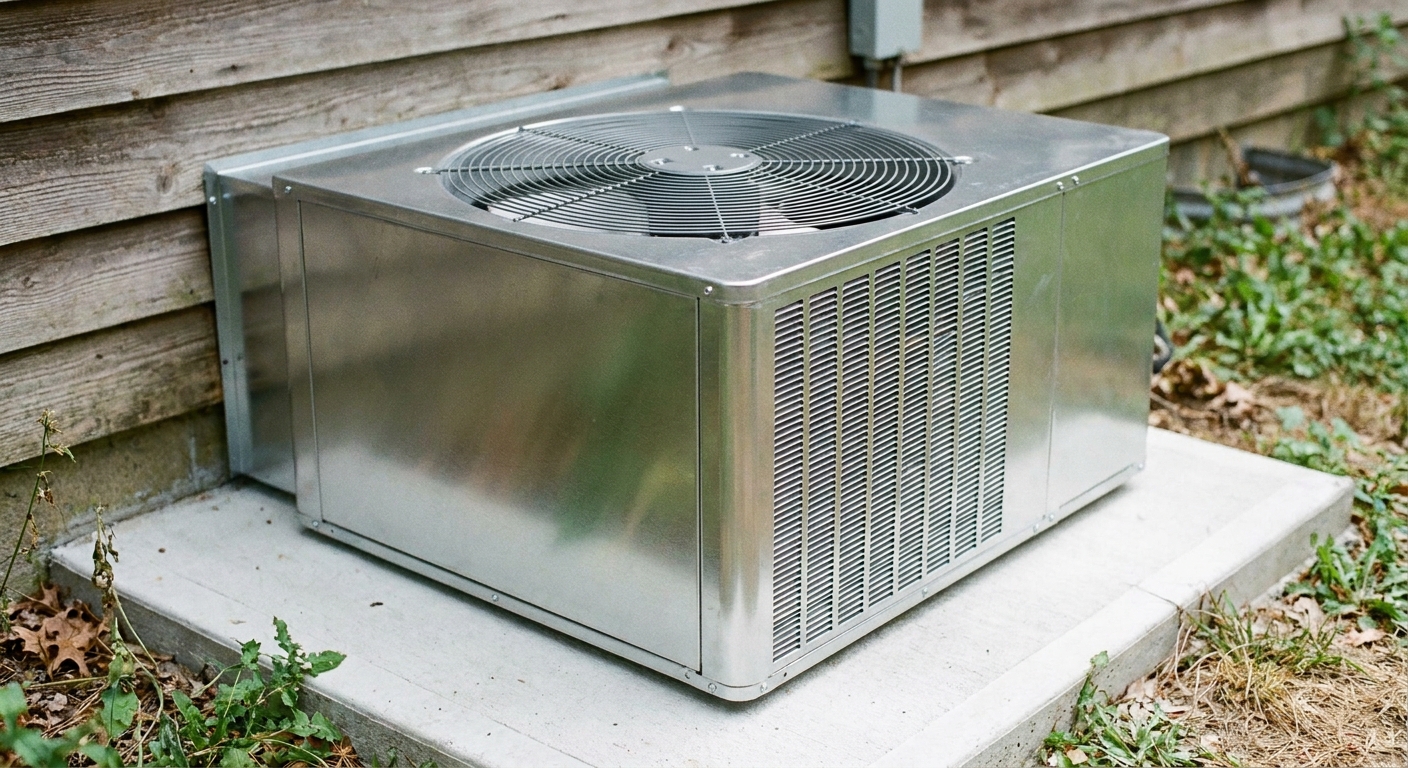
There are several practical thresholds that signal it’s time to consider a new system instead of continuing to repair the old one. First, look at the age of the unit. Central air conditioners typically last 12-15 years with regular maintenance. If your unit is beyond that range, the internal components have likely experienced significant wear, and the likelihood of another failure is high.
Second, evaluate the frequency of repairs. If you’ve needed service three or more times in the past 12 months, the cumulative cost of parts and labor may exceed the price of a new system, especially when you factor in the energy savings from a higher-efficiency model.
Third, consider the overall condition of the home’s HVAC infrastructure. Ducts that are leaky, insulation that is missing, or an outdated thermostat can all diminish the performance of a new unit. In those cases, a comprehensive upgrade—including duct repair, smart thermostat installation, and possibly an air purification system—makes more sense than patching an old unit.
- Unit age over 15 years
- Three or more major repairs in the last year
- High energy bills that don’t match usage patterns
- Visible wear on major components (compressor, motor, coils)
If most of these items line up, a new AC installation is likely the smarter investment. It gives you a fresh start, modern controls, and the opportunity to improve indoor air quality with filtration upgrades.
5. Cost-Focused Overview of Common Repairs and New System Installation
Understanding the price ranges you’ll encounter helps you compare repair versus replacement on a level playing field. Below are the typical costs for the most common service items in the Greater New Orleans area. All figures are ranges that reflect part cost plus labor, and actual quotes will vary based on the specific make, model, and condition of your equipment.
- Refrigerant: $125-$225 per pound (newer R-454B sits at the high end).
- Fan/blower motor replacement: $450-$1,200 (variable-speed ECM motors cost more).
- Compressor replacement: $1,800-$2,900.
- Capacitor/contactor replacement: $200-$450.
- Refrigerant leak repair: $400-$900 plus the refrigerant itself.
- Service call / diagnostic: $90-$150.
- Hourly labor: around $200 per hour.
- New central AC system, installed: $5,500-$11,000 depending on size and SEER rating.
These numbers give you a baseline. For any repair that isn’t listed here—such as duct sealing, coil cleaning, or air handler upgrades—the cost depends on the home and the scope of work. We always provide an upfront estimate after the diagnostic so you know exactly what to expect before any parts are ordered.
When you weigh a repair against a new system, remember to factor in the long-term operating cost. A unit that costs $2,200 to fix but runs 20 percent less efficiently will cost you more in electricity each year than a brand-new 16 SEER system that sits at the lower end of the $5,500-$11,000 range.
6. Selecting the Right New System for Your Home
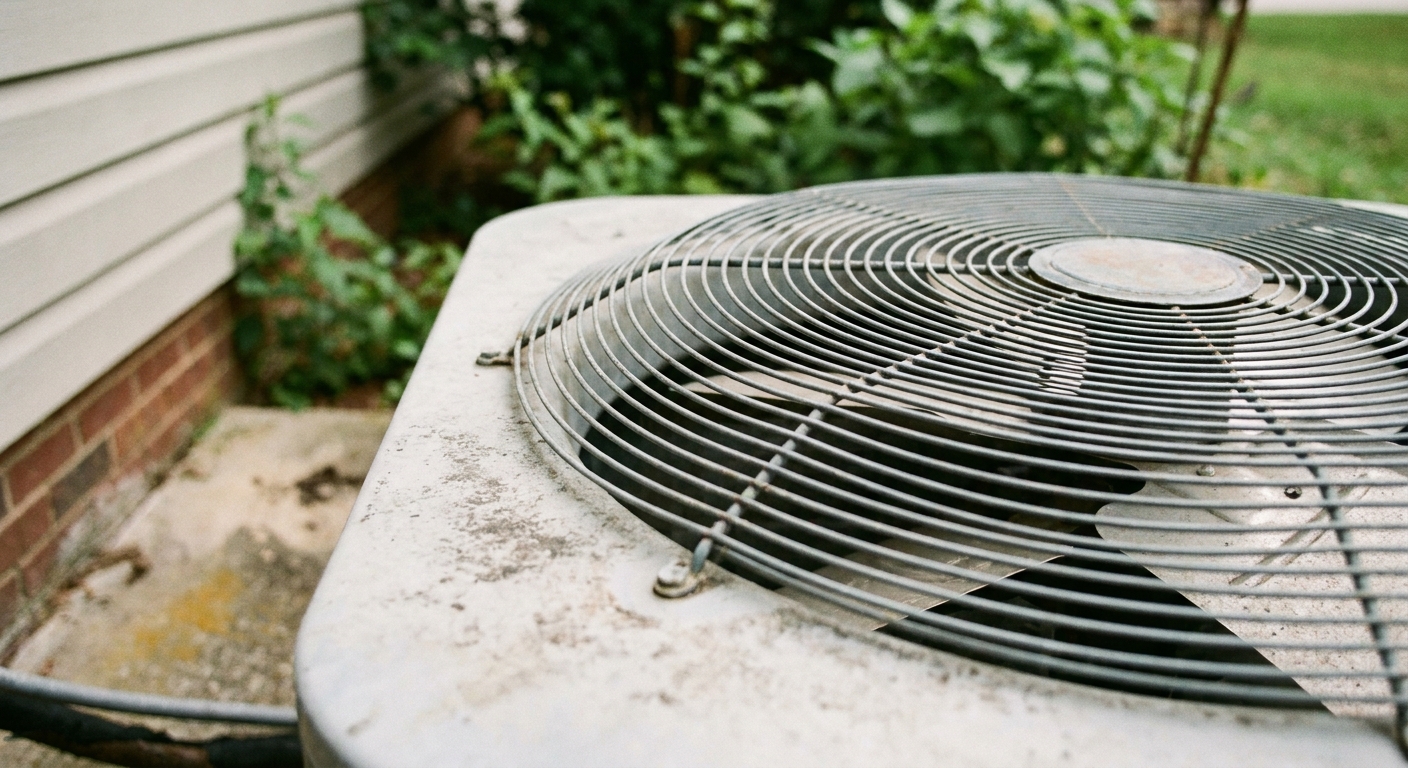
Choosing a new AC isn’t just about picking the highest SEER rating. The system must be properly sized for the square footage, insulation level, and sun exposure of your house. An oversized unit will short-cycle, leading to unnecessary wear, while an undersized unit will run constantly and never reach the desired temperature.
Professional load calculations—often called a Manual J assessment—determine the exact tonnage needed. In the New Orleans metro, many single-family homes fall in the 3-5 ton range, but the exact number can vary. A qualified technician will perform the calculation during the initial visit and explain why a particular size is recommended.
Modern systems also integrate well with smart thermostats, which let you adjust temperature settings from a phone and provide usage reports that can highlight savings opportunities. Pairing a new AC with a programmable thermostat can add another 5-10 percent reduction in energy use.
Don’t forget about indoor air quality. Adding a high-efficiency filter, UV light, or whole-home air purification unit can improve comfort, especially for families with allergies. Duct repair or sealing is often part of a comprehensive upgrade, ensuring that the conditioned air reaches every room without loss.
When you’re ready to move forward, we’ll handle the AC installation from start to finish—removing the old unit, preparing the pad, connecting refrigerant lines, and testing the system for proper airflow and pressure. Our maintenance plans include seasonal check-ups, filter changes, and coil cleaning to keep the new system running at peak efficiency for years.
Final Thoughts
Deciding between repair or replace comes down to three simple questions: How old is the unit? How often are you calling for service? And how much are you paying for electricity? If the answers point to an aging, inefficient system that needs frequent attention, a new AC installation is likely the more economical path.
We’re a local, family-run business that treats each home like our own. Whether you need a quick fix, a detailed diagnostic, or a full system upgrade, we’ll give you a clear quote and explain the options without any pressure. When you’re ready, give us a call and we’ll help you get the comfort you deserve for the hot, humid months ahead.
Need honest HVAC help in Kenner, Metairie, or anywhere across the Greater New Orleans area? Call Tegridy Air at 504-414-8655 or request a free quote online – we’ll get you comfortable fast.
Related Reading
- Repair or Replace? An Honest Guide to Aging AC Units in the New Orleans Metro
- Repair or Replace? An Honest Guide to Aging AC Units in the New Orleans Metro
- Repair or Replace? An Honest Guide for New Orleans Homeowners
Frequently Asked Questions
How often should I have my AC serviced to avoid major repairs?
A professional tune-up once a year, ideally in the spring before the cooling season, helps catch wear early. Regular filter changes and keeping the outdoor unit clear of debris also extend component life.
What is the typical lifespan of a central air conditioner in New Orleans?
With regular maintenance, most units last 12-15 years. Factors like humidity, salt air, and how often the system runs can shorten that range.
Can I replace just the refrigerant in an old system to improve efficiency?
Changing refrigerant alone won’t boost efficiency if the compressor, coils, or motor are worn. New refrigerants like R-454B are more efficient, but the system must be in good condition to realize those gains.
Does a higher SEER rating always mean lower energy bills?
Generally, a higher SEER means the unit uses less electricity for the same cooling output. However, the actual savings depend on proper sizing, good insulation, and regular maintenance.
What financing options are available for a new AC installation?
Many HVAC contractors work with local lenders or credit unions to offer payment plans. We can discuss the options that are currently available in the Kenner and Metairie area.