

You’ve been watching the thermostat climb past 78°F, your electric bill is edging higher, and the house still feels sticky even when the unit is on. You call a neighbor, they suggest a quick fix, but you wonder if that fix will hold up through another scorching summer. The decision you face is simple on the surface—repair or replace—but the details matter. This guide walks through the practical questions you should ask, the real costs you can expect, and how a new system can affect comfort and efficiency in the Kenner and Metairie area.
We’ve seen homes where a cracked condenser coil was patched and the unit ran for another year, and we’ve seen units that needed a new compressor only to fail again a few months later. The difference often comes down to age, usage patterns, and the condition of core components. By the end of this article you’ll have a checklist you can use on the phone with a technician, and a clear sense of when it’s time to let go of the old unit and bring in a new system.
Understanding the Signs Your AC Needs Attention
First, look for performance clues. If the air coming from the vents is weak, the indoor coil may be frozen or the blower motor could be slipping. A steady stream of warm air, especially after the unit has been running for a while, usually points to a refrigerant issue or a failing compressor. These symptoms don’t always require a full replacement, but they do signal that a professional should inspect the system.
Second, listen for unusual noises. A high-pitched squeal often means a belt or motor bearing is wearing out, while a loud clunk can indicate a failing compressor mount. The sound of the fan struggling to spin is a red flag for a motor that may need replacement. Paying attention to these sounds can save you from a surprise breakdown during a heat wave.
Third, check the utility bill. A gradual rise in electricity usage—say, 10-15% over a season—without a change in set-point usually means the unit is working harder than it should. In the New Orleans metro, where the AC runs most of the year, that extra load adds up quickly on an Entergy bill. If you notice a spike, it’s worth having the system evaluated for leaks, low refrigerant charge, or failing components.
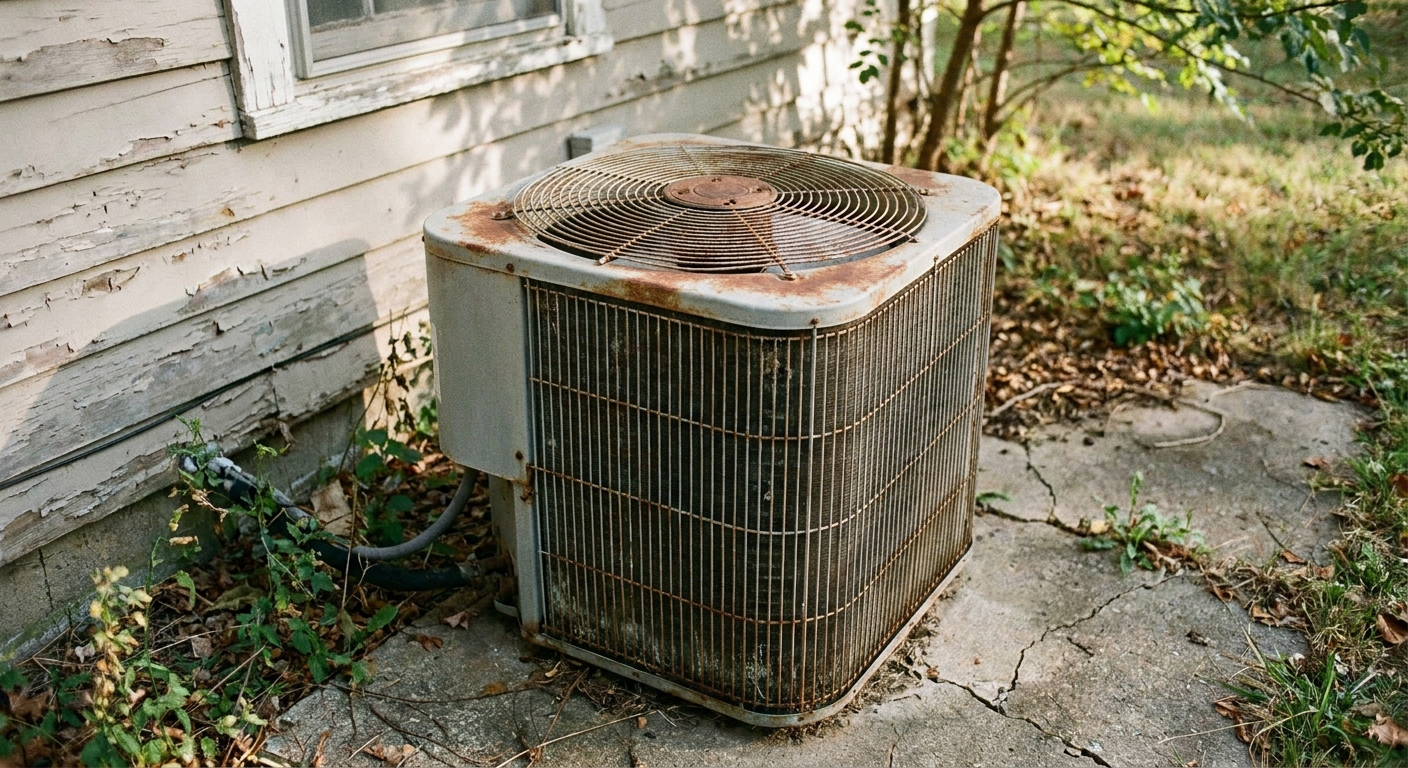
Finally, consider the age of the unit. Most manufacturers rate central air conditioners for 10-15 years of reliable service. If your system is past that window, the likelihood of multiple component failures increases. An older unit may still be functional, but each repair adds to the total cost of keeping a machine that’s already out of its prime.
How to Evaluate Repair Costs vs Replacement
When you get a diagnostic call, the technician will usually give you an estimate for the specific repair. Compare that number to the cost of installing a new, energy-efficient system. A rule of thumb is: if the repair will cost more than half the price of a new system, replacement is usually the smarter choice. This is because a new unit brings better SEER ratings, which translate into lower monthly bills.
To make the comparison easier, break the numbers into three buckets: immediate out-of-pocket cost, long-term energy savings, and expected lifespan. Immediate cost is the repair estimate or the quoted price for a new system. Long-term savings depend on the SEER rating of the new unit versus the old one. A unit with a SEER of 16 uses roughly 30% less electricity than a unit with a SEER of 13, which can shave $200-$400 off an annual bill in the metro.
Expected lifespan is another factor. A brand-new central AC system typically lasts 15-20 years with regular maintenance. An older unit that’s already 12-14 years old may only have a few good years left, even after a major repair. Adding the remaining useful life to your cost analysis helps you see whether you’re paying for a short-term fix or investing in a longer-term solution.
- Ask the technician to itemize parts and labor so you can see exactly where the money is going.
- Request a performance estimate for the new system, including projected SEER and expected annual energy use.
- Consider any financing or maintenance plan options that could spread the cost over time.
Keep in mind that some repairs, like a capacitor or contactor replacement, are relatively inexpensive and can extend the life of a unit by several years. Others, such as a compressor replacement, approach the cost of a new system. Knowing the typical price ranges for these parts helps you make an informed decision without feeling pressured.
Typical Repair Prices You Might See
Below are the common price ranges you’ll encounter for the most frequent repairs on central air conditioners in the New Orleans area. These figures include both parts and labor, based on a professional installation or service call. Prices can vary with the size of the unit and the exact model, but the ranges give a realistic picture of what to expect.
- Refrigerant: $125-$225 per pound (newer R-454B sits at the high end; the phase-down of R-410A has pushed prices up).
- Fan/blower motor replacement: $450-$1,200 (variable-speed ECM motors are at the high end).
- Compressor replacement: $1,800-$2,900.
- Capacitor/contactor replacement: $200-$450.
- Refrigerant leak repair: $400-$900 (plus the refrigerant itself).
- Service call / diagnostic: $90-$150. Hourly labor runs around $200.
- New central AC system, installed: $5,500-$11,000 depending on size and SEER.
For services that are more variable—like duct sealing, coil cleaning, or air-purification upgrades—we provide a quote after the diagnostic. That way you know exactly what the job will cost before any work begins.
When Replacement Makes Sense – Benefits of a New System
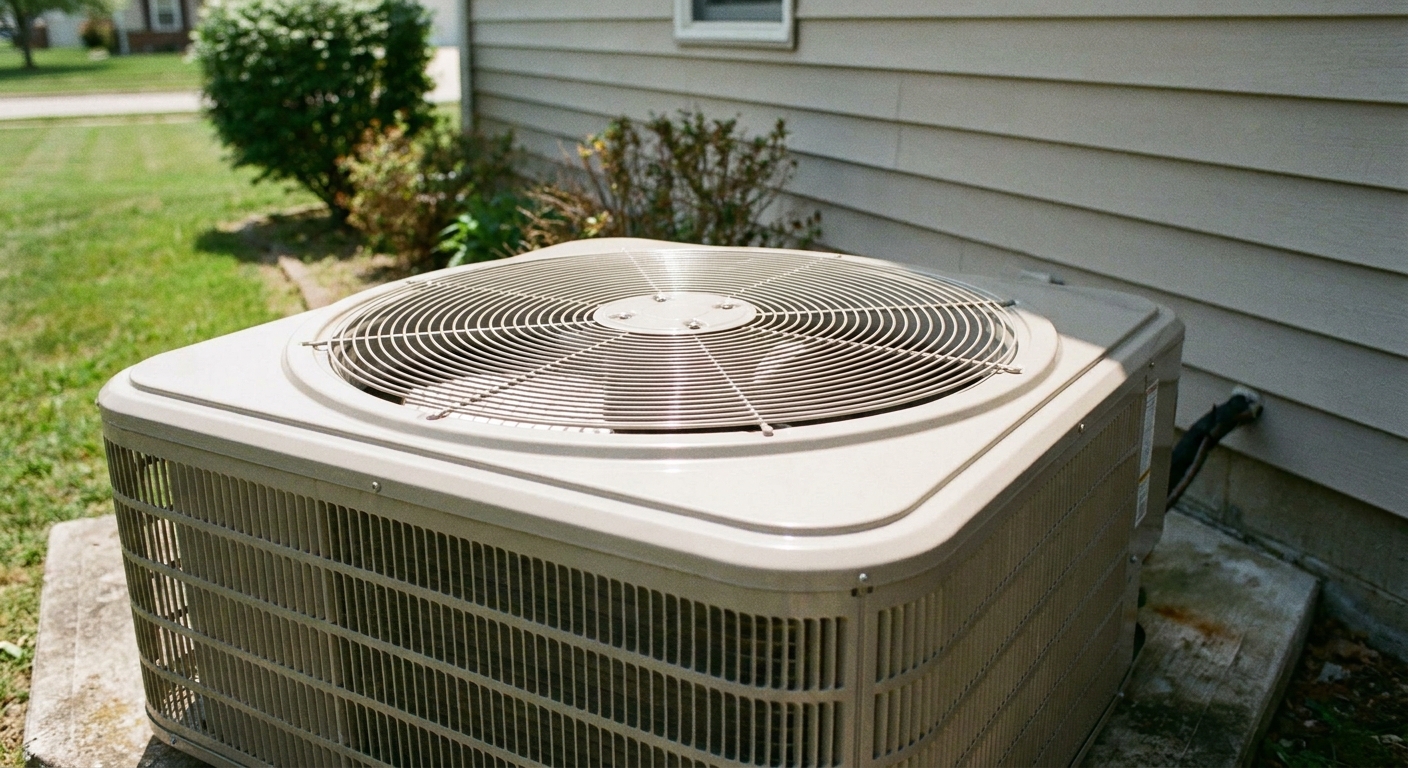
A new system brings several tangible advantages beyond just fixing a leak or a broken motor. First, modern units are built to higher efficiency standards. The SEER (Seasonal Energy Efficiency Ratio) rating has risen dramatically over the past decade, so a new AC can cool your home using less electricity while still delivering the same comfort level.
Second, newer compressors and fans are quieter. If you’ve ever been woken by a rattling outdoor unit, you’ll notice the difference with a newer model that uses insulated motor housings and variable-speed fans. This matters in densely populated neighborhoods like Kenner and Metairie, where homes sit close together.
Third, a new installation often includes updated controls. Smart thermostats can learn your schedule, adjust temperature set-points automatically, and even alert you to maintenance needs. Pairing a smart thermostat with a high-efficiency unit can reduce your energy use by another 5-10%.
Finally, a brand-new system comes with a manufacturer’s warranty that covers major components for up to ten years. While we don’t detail specific warranty language here, the peace of mind that comes with a warranty can be worth the upfront investment, especially if you plan to stay in the house for several more years.
Choosing the Right New System – Efficiency and Sizing
Picking a new AC isn’t just about the highest SEER rating; it’s also about matching the unit to your home’s cooling load. An oversized system will cycle on and off too quickly, leading to humidity problems and higher wear on components. An undersized unit will run continuously, never reaching the set temperature and driving up energy costs.
The right size is determined by a Manual J load calculation, which takes into account square footage, ceiling height, insulation levels, window orientation, and local climate data. In the metro, a typical 2,000-sq-ft home often needs a 3-ton unit, but every house is different. Our technicians perform the calculation as part of the estimate, so you get a system that’s sized just right.
- Look for units with a SEER of at least 16 for new construction or major replacements.
- Consider variable-speed or two-stage compressors for better humidity control and smoother operation.
- Ask about bundled options that include a smart thermostat and a basic air-purification filter.
When you’re budgeting, remember that the installed cost includes not only the condenser but also the indoor coil, refrigerant lines, electrical work, and any necessary duct modifications. A complete quote will break down each part, so there are no hidden surprises.
Getting the Job Done Right – What to Expect from Tegridy Air
Our approach starts with a thorough diagnostic visit. We arrive on time, explain what we’re looking for, and give you a clear estimate before any work begins. If a repair is viable, we’ll walk you through the parts needed, the labor involved, and how long the fix should last. If replacement is the better route, we’ll discuss sizing, SEER options, and any additional features you might want, like a smart thermostat or an air-purification system.
All work is performed by licensed technicians who have been trained on the latest equipment. We follow manufacturer-recommended installation practices, which include proper refrigerant charging, correct electrical connections, and careful handling of the condenser coil. Proper installation is key to achieving the advertised efficiency rating.
We also offer maintenance plans that include twice-yearly tune-ups, filter changes, and system inspections. Regular maintenance catches small problems before they become costly repairs and keeps the unit running at peak efficiency. For homeowners in Kenner and Metairie, a maintenance plan can add a few hundred dollars a year but often saves more in avoided breakdowns and higher energy bills.
Throughout the process we keep the conversation straightforward—no scare tactics, no hidden fees. If you have questions about financing, rebates, or specific warranty terms, we’ll give you the facts and let you decide what works best for your budget.
Final Thoughts
Deciding between repair or replace isn’t a one-size-fits-all answer. Look at the age of the unit, the specific symptoms, and the cost of the repair compared to the price of a new, efficient system. Use the price ranges provided to gauge whether a repair is a short-term fix or a stop-gap that will soon need another round of work.
When the numbers point toward replacement, choosing the right size and efficiency level will pay off in lower bills and more reliable comfort for years to come. And if a repair makes sense, make sure it’s done by a qualified technician who can guarantee the work and explain exactly what was done.
Whatever you decide, a clear, honest assessment is the first step. Talk to a local, family-run company that knows the quirks of the New Orleans climate and can give you a straightforward quote without the corporate fluff. That’s the Tegridy Air promise—plain-spoken advice, solid work, and a system that keeps your home comfortable without breaking the bank.
Need honest HVAC help in Kenner, Metairie, or anywhere across the Greater New Orleans area? Call Tegridy Air at 504-414-8655 or request a free quote online – we’ll get you comfortable fast.
Related Reading
- Repair or Replace? An Honest Guide to Aging AC Units in the New Orleans Metro
- Repair or Replace? An Honest Guide for New Orleans Homeowners
- Repair or Replace Your AC? Honest Cost Breakdown for New Orleans Homeowners
Frequently Asked Questions
How long does a typical AC repair take?
Most common repairs—such as replacing a capacitor, fixing a refrigerant leak, or swapping a blower motor—can be completed in a few hours once the technician has arrived. Complex jobs, like a compressor replacement, may require a full day because the unit has to be fully evacuated, the new part installed, and the system recharged and tested.
What is the best time of year to replace an AC unit in the New Orleans area?
Early fall or late winter are ideal because contractors have more availability and the weather is milder, which makes installation easier. You also avoid the peak summer demand when both labor rates and equipment lead times can be higher.
How can I improve the efficiency of my existing AC without a full replacement?
Regular maintenance, such as cleaning the condenser coils, replacing filters, sealing duct leaks, and ensuring the thermostat is calibrated, can boost efficiency by up to 10%. Adding a programmable or smart thermostat also helps by reducing run time when the home is unoccupied.
Does a larger SEER rating always mean lower energy bills?
Generally, a higher SEER rating means the unit uses less electricity to produce the same amount of cooling. However, the actual savings depend on proper sizing, regular maintenance, and how often the system runs. An oversized high-SEER unit can actually waste energy if it short-cycles.