
You’re standing in your living room, the thermostat reads 78°F, and the fan is blowing, but the air feels lukewarm. You call a neighbor who says his unit is making a rattling noise and the electric bill shot up last month. Now you’re looking at the service call and wondering whether a simple repair will get you through the rest of the season or if it’s time to start budgeting for a brand-new system.
That decision isn’t just about the price tag you see on the invoice. It’s about how long the unit has been running, how efficiently it moves heat, and what you can realistically expect from a repair versus a replacement. In this guide we’ll walk through the signs that point to a failing AC, break down the typical costs of common repairs, and explain the factors that make a new installation the smarter choice for many homeowners in Kenner, Metairie, and the surrounding South Louisiana area.
Recognizing the Signs of an Aging AC
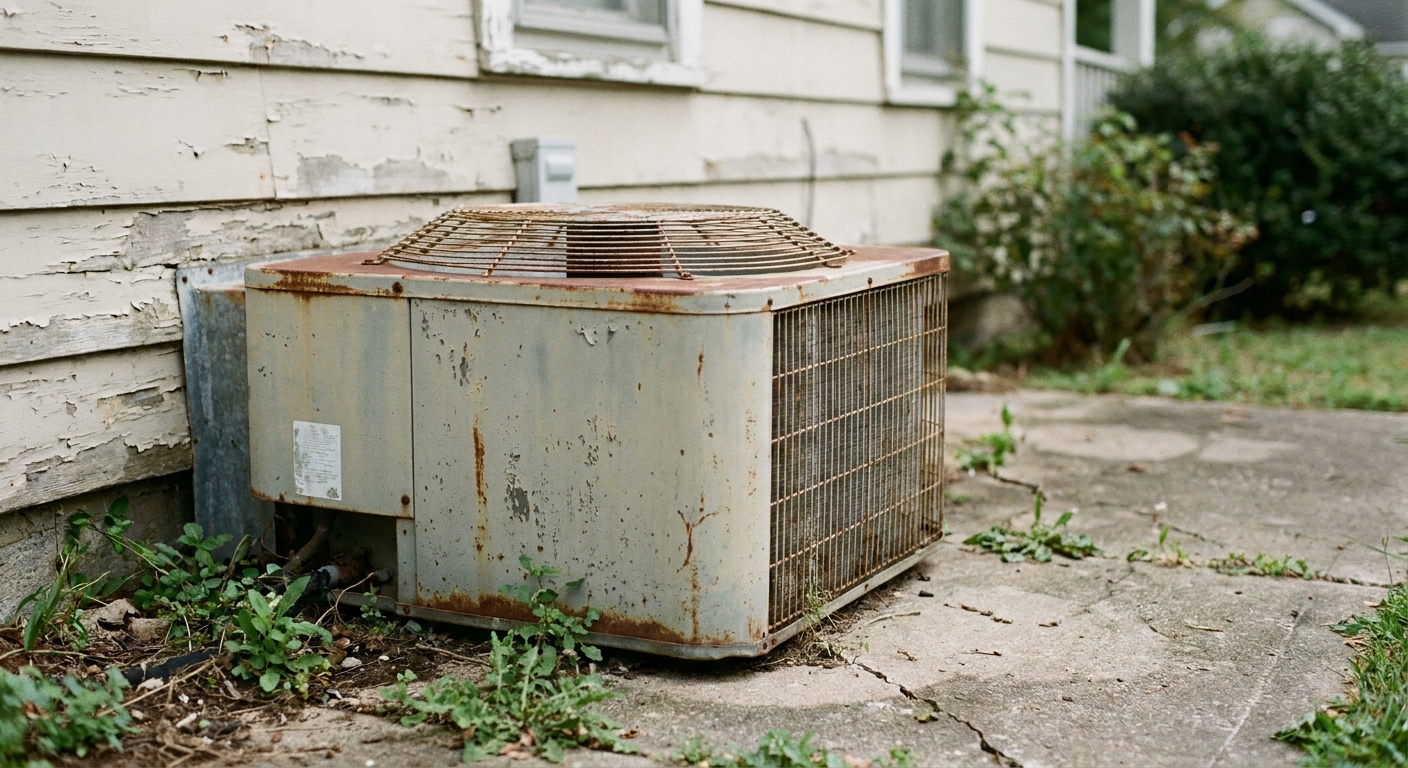
First, look at how the system performs compared to when it was new. If you notice a steady drop in cooling capacity—meaning rooms stay warmer even when the thermostat is set low—that usually means the compressor or refrigerant circuit is losing efficiency. A unit that once cooled a 2,000-square-foot home in an hour may now take twice as long, and you’ll feel it in higher utility bills.
Second, listen for unusual noises. A high-pitched squeal often points to a failing fan or blower motor bearing. A loud clunk or bang can be a sign of a broken compressor or a loose component in the condenser. These noises are not just annoyances; they indicate mechanical stress that, if ignored, can lead to a complete shutdown.
Third, watch the thermostat and control behavior. If the thermostat cycles on and off rapidly (short cycling), the system may be short on refrigerant or the pressure switches could be misreading. Short cycling forces the compressor to start and stop more often, which wears it out faster.
Finally, consider the age of the unit. Most central air conditioners are designed for 10-15 years of service. In the humid New Orleans climate, the wear on components can be accelerated. If your system is approaching or past that window, the odds of a major component failing increase significantly.
Common Repairs and What They Typically Cost
When a problem shows up, the first step is a professional diagnostic. A service call plus a basic inspection usually runs between $90 and $150. The technician will test refrigerant pressure, check electrical connections, and verify airflow. If the issue is straightforward, the labor is billed at roughly $200 per hour, which is the standard rate for qualified technicians in the metro area.
Here are the most frequent repairs you’ll encounter and the price ranges you can expect for parts and labor combined:
- Refrigerant recharge: $125-$225 per pound. Newer R-454B refrigerant sits at the high end, and the phase-down of R-410A has driven prices up.
- Fan or blower motor replacement: $450-$1,200. Variable-speed ECM motors are at the top of that range.
- Compressor replacement: $1,800-$2,900. This is the heart of the system, so it’s the most expensive single component.
- Capacitor or contactor replacement: $200-$450. These parts control the start-up torque of the motor and are relatively inexpensive.
- Refrigerant leak repair: $400-$900 plus the cost of the refrigerant itself.
Every repair also includes the labor mentioned earlier, but the figures above already factor that in for a typical job. If multiple components need attention, the total can add up quickly, and you may start to wonder if the investment is worth extending the life of a unit that’s already a decade old.
Keep in mind that other services—such as duct sealing, coil cleaning, or air-purification upgrades—are priced based on the specific home and scope of work. We always provide an upfront estimate after the diagnostic, so there are no surprise charges later.
When Replacement Becomes the Smarter Choice
Even if a single component can be replaced for a few hundred dollars, the overall health of the system matters. If the unit is more than 12 years old, the efficiency rating (SEER) is likely well below today’s standards. Modern units start at SEER 16 and can reach SEER 21, which means they use less electricity to move the same amount of heat. The difference shows up on the electric bill, especially during the long, humid summer months that dominate the New Orleans climate.
A good rule of thumb is to compare the total repair cost to the cost of a new system. If the repair estimate is approaching 50% of the price of a new installation, it’s usually better to replace. A new central AC system, installed, typically costs between $5,500 and $11,000 depending on size, SEER rating, and any additional features like smart thermostats or enhanced air filtration. While that’s a larger upfront amount, the payback comes from lower energy use and fewer service calls.
Other factors tip the scale toward replacement: frequent breakdowns, rising repair bills, and a noticeable increase in monthly electricity usage. If you’re already budgeting for a new roof or major remodel, coordinating the AC replacement can save on labor and reduce disruption.
For homeowners in Kenner and Metairie who value predictable expenses, a new system also brings a fresh warranty and the option to enroll in a maintenance plan that covers annual tune-ups and priority service. Those plans can keep the unit running efficiently for years, reducing the chance of unexpected breakdowns during the peak cooling season.
What to Expect from a New AC Installation
A new installation starts with a proper load calculation. That’s a simple math exercise that takes your home’s square footage, insulation levels, window orientation, and local climate into account. The goal is to size the unit so it can meet the cooling demand without cycling on and off too often. Oversized units waste energy, while undersized units run constantly and never reach the set temperature.
Once the correct size is determined, the next step is selecting a SEER rating that matches your budget and efficiency goals. Higher SEER units cost more upfront but can lower your annual electricity bill by 10-20%. In the humid South Louisiana climate, the savings become noticeable after a few years, especially if you run the system daily.
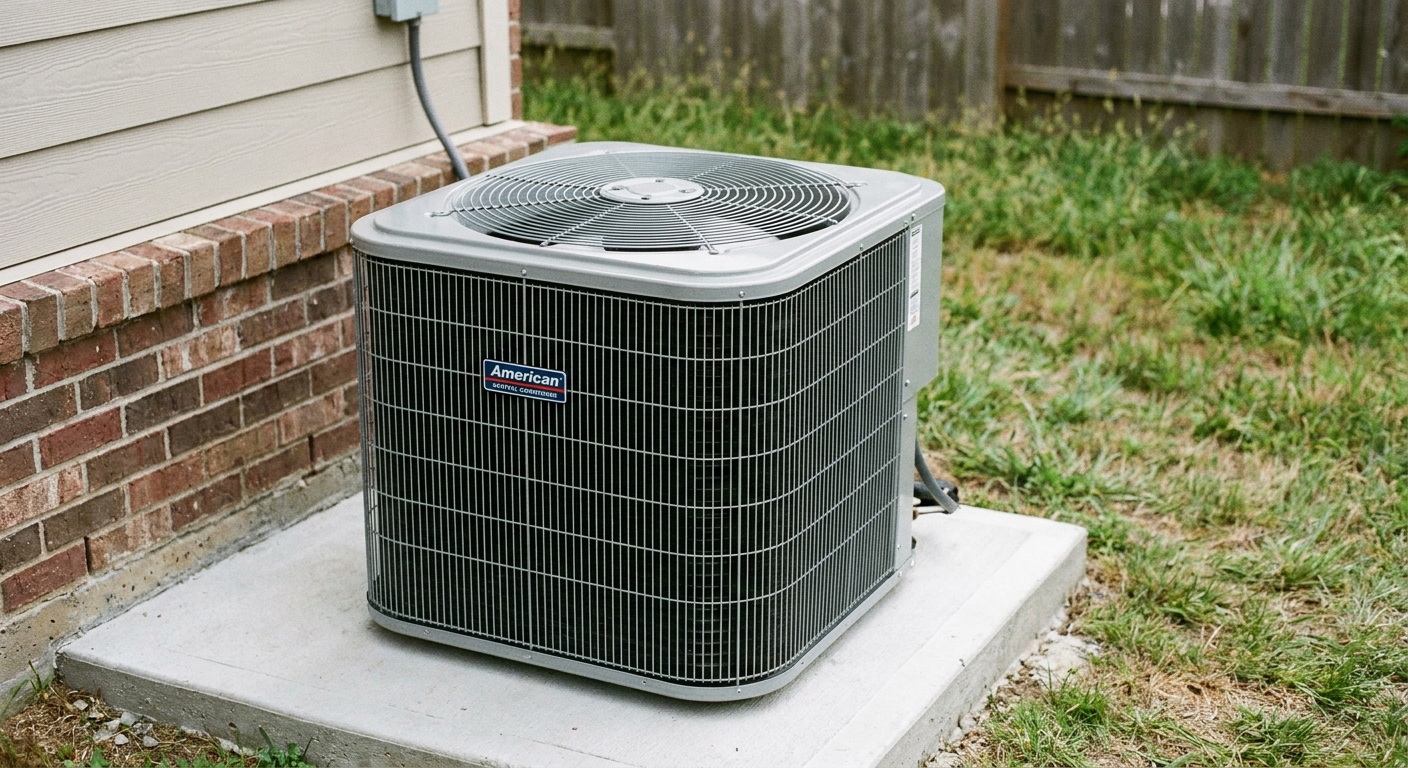
The physical installation involves placing the condenser on a concrete pad, connecting refrigerant lines, electrical wiring, and integrating the indoor air handler. Technicians will also inspect and, if needed, repair ductwork to ensure proper airflow. While the base price for a new system includes the core equipment and labor, any additional work—like adding a smart thermostat or upgrading to a higher-efficiency filter—adds to the total.
After the unit is up and running, the technician will perform a full system test, verify temperature differentials, and show you how to use any new controls. This is also a good time to discuss routine maintenance, such as seasonal coil cleaning and filter changes, which keep the system operating at peak efficiency.
Financing, Rebates, and Long-Term Savings
Because a new AC is a significant investment, many homeowners look at financing options. Local banks, credit unions, and some utility programs offer low-interest loans or payment plans that spread the cost over several years. While we can’t guarantee specific terms, we can help you understand the typical structure so you can compare offers.
Occasionally, utility companies or state programs provide rebates for high-efficiency equipment. Those programs change frequently, so it’s worth checking the latest listings before you place an order. Even without a rebate, the energy savings from a higher SEER unit can offset a portion of the upfront cost within the first few years.
When you calculate total cost of ownership, include not just the purchase price but also the projected electricity usage, maintenance expenses, and expected lifespan. A well-maintained high-efficiency system can last 15-20 years, delivering reliable cooling while keeping monthly bills reasonable. In contrast, a unit that’s been patched repeatedly often ends up costing more in the long run due to higher energy consumption and frequent service calls.
Keeping Your New System Running Smoothly
Regular maintenance is the single most effective way to protect your investment. A yearly tune-up that includes cleaning the condenser coils, checking refrigerant levels, tightening electrical connections, and verifying airflow can prevent most common failures. Many families sign up for a maintenance plan that schedules the service before the summer heat hits.
Replacing or cleaning filters every 1-3 months is a simple habit that improves indoor air quality and reduces strain on the blower motor. If you have pets or live in a dusty area, you may need to check them more often. Pairing a good filter with an air purification system can also help reduce allergens, which is a frequent request from homeowners in the metro area.
Don’t overlook the ductwork. Leaky or poorly insulated ducts can lose up to 30% of the conditioned air, forcing the system to work harder. A professional duct seal or repair, performed after a diagnostic, can restore efficiency. While the price varies, we always provide a clear estimate before any work begins.
Finally, consider upgrading to a smart thermostat. These devices learn your schedule, adjust temperature automatically, and can be controlled from a phone. In practice, they can shave a few dollars off each month’s bill and give you more insight into how the system is performing.
Final Thoughts
Deciding between repairing an aging air conditioner and installing a new one isn’t a one-size-fits-all answer. Look at the age of the unit, the cost of the needed repairs, and the efficiency gap between your current system and today’s models. If repairs are approaching half the price of a new installation, or if the unit is well past its design life, replacement usually makes more sense.
When you choose to replace, a properly sized, high-SEER system will keep your home comfortable while lowering electricity costs throughout the long Louisiana summer. Pairing the new unit with regular maintenance, clean filters, and a smart thermostat maximizes the return on your investment and helps you avoid surprise breakdowns during the hottest months.
Need honest HVAC help in Kenner, Metairie, or anywhere across the Greater New Orleans area? Call Tegridy Air at 504-414-8655 or request a free quote online – we’ll get you comfortable fast.
Related Reading
- Repair or Replace? An Honest Guide for New Orleans Homeowners
- Repair or Replace Your AC? Honest Cost Breakdown for New Orleans Homeowners
- What AC Repair Actually Costs in Kenner – An Honest Breakdown
Frequently Asked Questions
How often should I have my AC inspected?
A professional inspection once a year, preferably in the spring before the cooling season, helps catch wear and small problems before they become costly failures.
What is the typical lifespan of a central air conditioner?
Most units last 10-15 years with regular maintenance. In a humid climate, reaching the upper end of that range often requires diligent upkeep.
Can I replace just the refrigerant in an old system?
Yes, but the cost of refrigerant has risen, and older systems may not be optimized for newer refrigerants. A technician can advise whether a simple recharge is cost-effective.
Does a higher SEER rating always mean lower energy bills?
Generally, higher SEER units use less electricity to provide the same cooling. The actual savings depend on usage patterns, home insulation, and how well the system is maintained.