


You’ve probably noticed that even when the temperature feels tolerable, the air inside your house still feels sticky. That stickiness is excess moisture that the air conditioner isn’t removing fast enough, and it shows up as damp spots on walls, a musty smell, or condensation on windows. If you’re dealing with higher electric bills from the air conditioner running longer cycles, you’re looking at a humidity problem that needs a practical fix.
In the Greater New Orleans area, the combination of high heat and high humidity means your cooling system does double duty: it must lower temperature and pull water out of the air. When the system is undersized, dirty, or missing a dedicated dehumidifier, the moisture stays inside, making the house feel uncomfortable and encouraging mold growth. The good news is that the right AC setup, combined with regular maintenance, can keep indoor humidity at a healthy level without wasting energy.
In this guide we’ll walk through how humidity works, what your central air conditioner actually does to remove moisture, when you should call a professional, and which upgrades—like whole-home dehumidifiers and air purifiers—make a real difference. The focus is on practical steps you can take and what to expect from a local, family-run service like Tegridy Air.
Understanding Humidity and Its Impact on Comfort
Relative humidity is the amount of water vapor in the air compared to the maximum it could hold at that temperature. In the summer, New Orleans often sees outdoor humidity levels of 70% or higher. When that air enters a home, the cooling coil in the air conditioner condenses some of the moisture, but the coil can only handle a certain amount per hour. If the incoming moisture exceeds that capacity, the excess stays in the indoor air.
High indoor humidity makes the temperature feel several degrees warmer than the thermostat reading. It also encourages mold and mildew on walls, ceilings, and inside ductwork. Those growths can affect indoor air quality, trigger allergies, and even damage paint or woodwork over time. For families in Kenner and Metairie, this isn’t just a comfort issue—it’s a health and maintenance concern.
Another side effect is the increased load on the air conditioner. When the unit has to work longer to reach the set temperature, the compressor runs more cycles, which raises the electric bill. The extra runtime also speeds up wear on components like the fan motor and capacitors, shortening the system’s lifespan if nothing is done to address the humidity load.
How Central AC Removes Moisture
The cooling coil acts like a cold surface that water vapor sticks to. As warm, humid air passes over the coil, the temperature of the air drops below its dew point, and water droplets form on the coil. Those droplets then drip into a drain pan and flow out through a condensate line. The amount of water removed depends on the coil’s surface area, the airflow rate, and the temperature difference between the coil and the indoor air.
Proper airflow is essential. If the blower motor is undersized or the ductwork is restricted, the air moves too slowly, giving the coil less opportunity to condense moisture. Conversely, if the airflow is too high, the air doesn’t stay long enough on the coil to reach the dew point, and less water is removed. That balance is why a correctly sized system and clean filters matter.
In many homes, the air conditioner is the only device handling humidity. That works fine when the system is sized for the home’s heat-and-moisture load, but many older installations were sized only for temperature control. Adding a dedicated dehumidifier or an upgraded air handler can relieve the AC of excess moisture removal, improving overall comfort and efficiency.
When Your AC Needs Help: Signs of Humidity Problems
One of the first signs that your AC isn’t keeping up with humidity is longer run times. If the thermostat calls for cooling and the unit runs for an hour or more without reaching the set temperature, the system is likely fighting excess moisture. You may also notice water pooling around the indoor unit or a slow-dripping condensate line, which can indicate a clogged drain or over-saturation.
Other symptoms include visible condensation on windows, a persistent damp feeling in rooms that are supposed to be cool, and occasional musty odors. These clues point to either insufficient moisture removal or a leak that is adding humidity to the indoor air. In some cases, a refrigerant leak can reduce the coil’s ability to get cold enough for effective dehumidification.
When these issues appear, a professional diagnostic is the safest first step. A technician can measure the system’s airflow, check for refrigerant levels, and inspect the coil for fouling. Based on that assessment, they may recommend specific repairs. Typical repair costs in the New Orleans metro area are:
- Refrigerant leak repair: $400-$900 plus the cost of refrigerant ($125-$225 per pound)
- Capacitor or contactor replacement: $200-$450
- Fan/blower motor replacement: $450-$1,200
- Compressor replacement: $1,800-$2,900
- Dispatch fee in Greater New Orleans: $109. Repairs are quoted after diagnosis.
These figures are ranges; the exact price depends on the model and the amount of refrigerant needed. A technician will give you a clear quote before any work begins, and they can also discuss whether a new system might be more cost-effective in the long run.
Adding a Whole-Home Dehumidifier
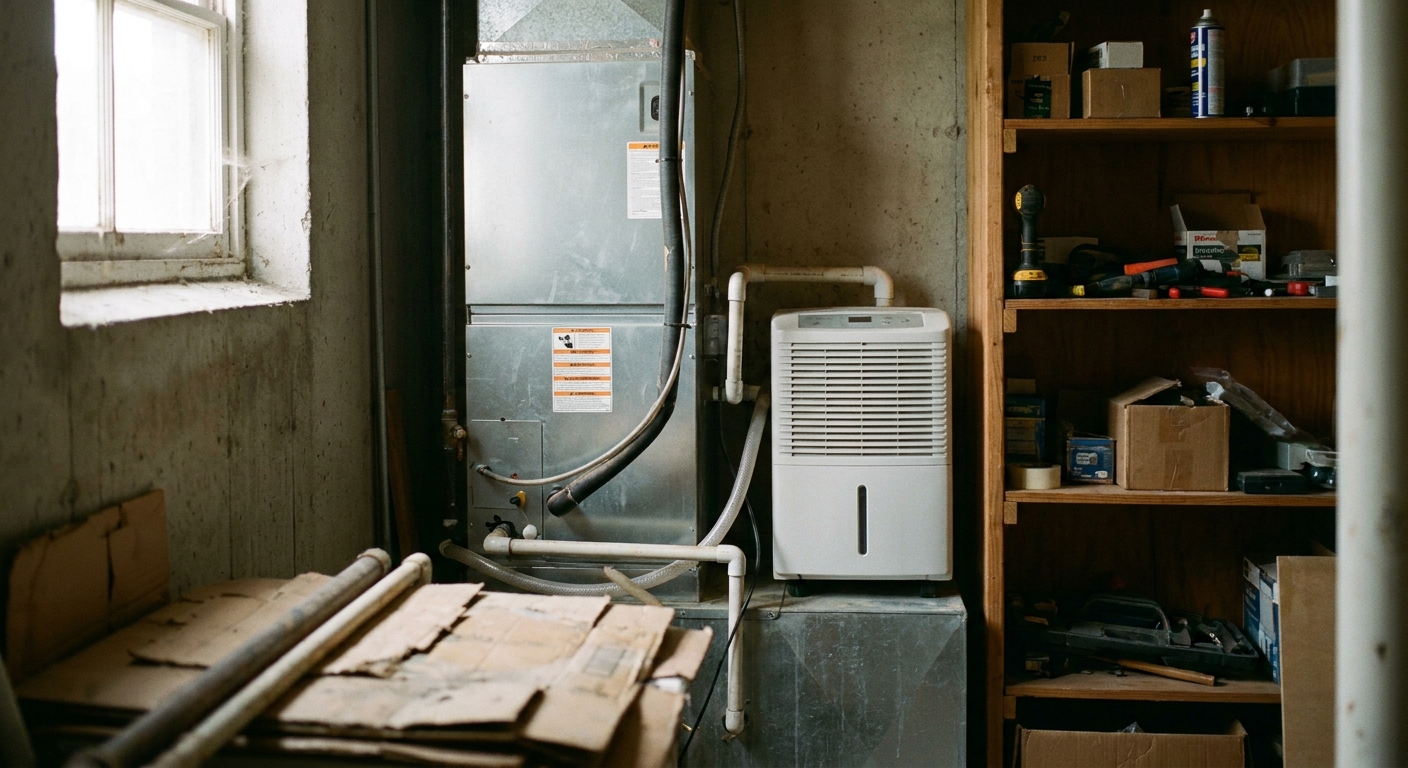
A whole-home dehumidifier works alongside your central air conditioner to pull moisture from the entire house. The unit is usually installed in the utility room, connected to the duct system, and set to maintain a target humidity level—often around 50% for comfort and mold prevention. Because it runs independently of the cooling cycle, it can keep humidity low even when the AC is off during cooler evenings.
When sizing a dehumidifier, the key factor is the home’s square footage and the typical moisture load. A 2,500-square-foot house in Metairie with typical occupancy and a slab-on-grade foundation may need a unit rated for 70-80 pints per day. The technician will calculate the needed capacity based on your specific conditions, including any known sources of excess moisture like basements or crawl spaces.
Installation involves connecting the dehumidifier to the existing return air duct, ensuring proper drainage, and setting up a control panel. Most units also have a built-in humidistat, so you can set the desired indoor humidity and let the system adjust automatically. The upfront cost includes the unit and labor, and the ongoing electricity use is modest compared to running the AC continuously.
Homeowners often see a noticeable drop in indoor humidity within a few days, along with lower cooling costs because the AC doesn’t have to work as hard to remove moisture. Pairing the dehumidifier with a programmable thermostat or a smart thermostat can further fine-tune energy use.
Air Purification and Indoor Air Quality
While humidity control focuses on moisture, indoor air quality (IAQ) also benefits from clean air circulation. Dust, pollen, and outdoor pollutants can circulate through the ductwork, especially if the filters are not changed regularly. In humid conditions, those particles can become a food source for mold spores, worsening IAQ.
Installing a high-efficiency air filter (MERV 11 or higher) can capture finer particles without restricting airflow. For homes with allergy concerns, an electronic air purifier or UV-light system installed in the air handler can neutralize microbes and allergens. These upgrades are especially useful in Kenner homes where outdoor pollen levels rise in the spring.
Regular filter changes are a simple maintenance task that keeps the system moving air efficiently. A good rule of thumb is to check the filter monthly during the cooling season and replace it at least every three months, or sooner if it looks dirty. A technician can also inspect the ductwork for any signs of mold or blockage and recommend cleaning if needed—costs for duct cleaning vary, so we provide a quote after a diagnostic.
Maintenance Practices to Keep Humidity in Check
Consistent maintenance is the most reliable way to ensure your AC continues to remove moisture effectively. A seasonal tune-up typically includes cleaning the evaporator and condenser coils, checking refrigerant charge, inspecting the blower motor and fan, and verifying that the condensate drain is clear. When the coils are dirty, heat transfer drops, and the coil temperature may stay above the dew point, reducing dehumidification.
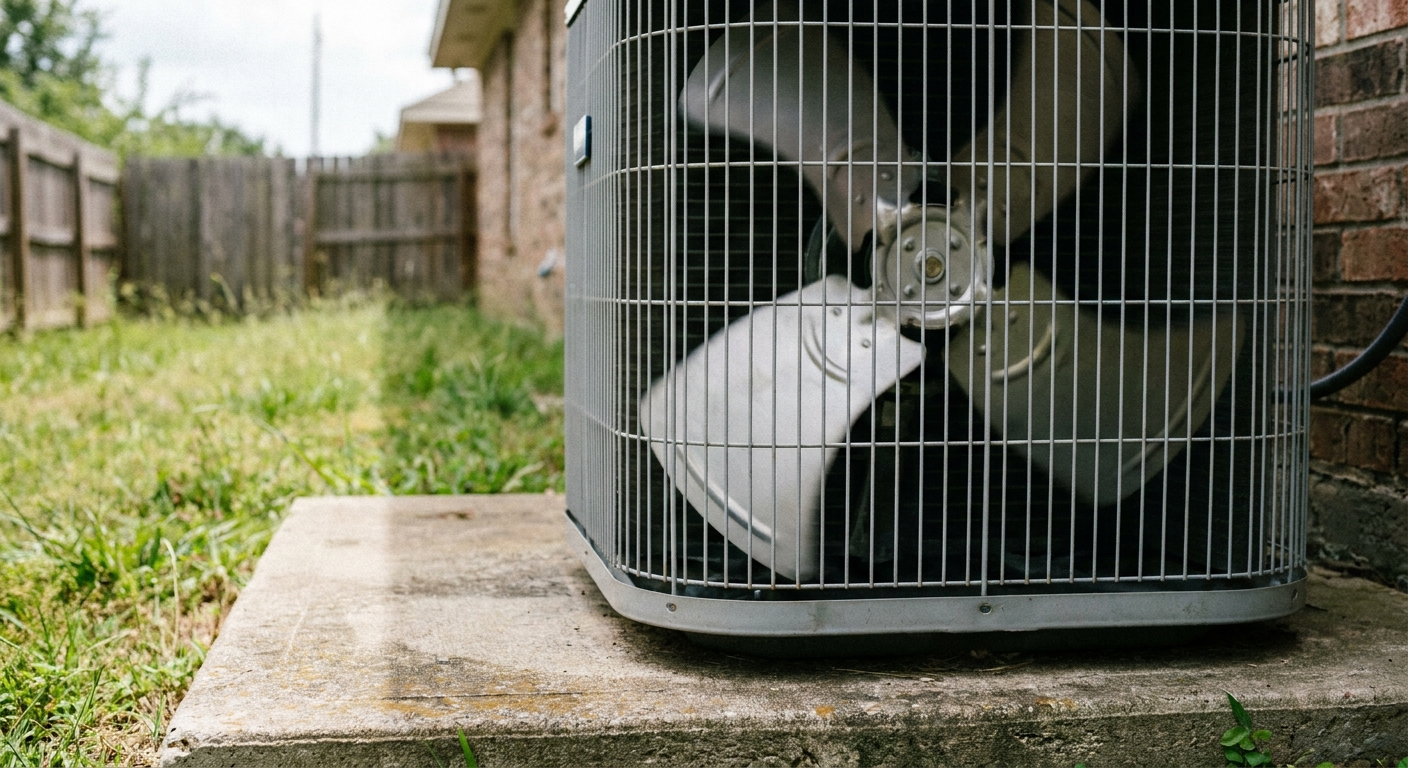
One practical tip is to keep the outdoor unit free of debris, leaves, and standing water. Even a thin layer of dirt on the condenser fan blades can lower airflow and cause the system to run longer. Trimming back vegetation at least two feet from the unit gives the fan room to draw air without obstruction.
Another habit is to monitor indoor humidity with a handheld hygrometer. If you see levels consistently above 60%, consider adjusting the thermostat set point a degree lower or running the fan on “auto” instead of “on” to let the coil cycle properly. In homes with a dehumidifier, set the humidistat to 50% and let the system handle the rest.
- Schedule a professional service before the first hot month.
- Change or clean filters every 1–3 months.
- Inspect and clear the condensate drain line each season.
- Keep the outdoor condenser free of vegetation and debris.
These steps reduce wear on components like the fan motor and compressor, extending the system’s life and keeping repair costs down. If you notice any of the symptoms from earlier—long run times, excess condensation, or musty smells—call us for a diagnostic before the problem escalates.
Choosing the Right System for Your Home
Free replacement estimates are separate from repair diagnostic visits. For planning information, see our 2026 Kenner AC replacement cost guide. Your final quote depends on the equipment and installation scope.
When evaluating options, ask about the coil material (copper versus aluminum), the type of refrigerant (R-454B is the newer low-global-warming option), and whether the unit includes a built-in dehumidification mode. A variable-speed blower can modulate airflow to match the cooling load, which improves both temperature control and moisture removal.
Even with a new system, a stand-alone whole-home dehumidifier can still be beneficial if you have a high moisture load from a basement or frequent indoor cooking. Pairing the two systems gives you the flexibility to run the dehumidifier on its own during milder evenings, keeping humidity low without unnecessary cooling.
Consultation with a local technician helps you match the system size to your home’s square footage, insulation level, and typical occupancy. Accurate sizing avoids short-cycling, which is a common cause of high humidity and high electric bills.
Final Thoughts
Excess humidity is a measurable problem that shows up as longer AC run times, damp spots, and higher energy costs. By understanding how your central air conditioner removes moisture, recognizing the signs of a struggling system, and adding targeted upgrades like a whole-home dehumidifier or high-efficiency filter, you can keep indoor humidity at a comfortable level year after year.
Regular maintenance, timely repairs, and proper system sizing are the three pillars of a dry, comfortable home in Kenner, Metairie, and the surrounding South Louisiana area. When you need a diagnostic, repair, or a new installation, a local, family-run business can provide the straightforward service and transparent pricing that makes the process clear and affordable.
Need honest HVAC help in Kenner, Metairie, or anywhere across the Greater New Orleans area? Call Tegridy Air at 504-414-8655 or request a free quote online – we’ll get you comfortable fast.
Related Reading
- Beating Louisiana Humidity: How the Right AC Setup Keeps Your Home Dry
- Beating Louisiana Humidity: How the Right AC Setup Keeps Your Home Dry
- Beating Louisiana Humidity: How the Right AC Setup Keeps Your Home Dry
Frequently Asked Questions
How often should I have my AC serviced to keep humidity under control?
A professional tune-up before the cooling season and a follow-up check mid-season are recommended. This ensures coils are clean, refrigerant levels are correct, and the condensate drain is clear.
Can I use a portable dehumidifier instead of a whole-home unit?
Portable units can help in single rooms, but they often lack the capacity to manage the moisture load of an entire house. For consistent humidity control throughout a typical New Orleans home, a whole-home dehumidifier integrated with the duct system is more effective.
What indoor humidity level is considered comfortable?
Most experts recommend keeping indoor relative humidity between 45% and 55%. Levels above 60% increase the perception of heat and the risk of mold growth.
Does a higher SEER rating improve dehumidification?
Higher SEER units generally run at lower temperatures for longer periods, which can improve moisture removal. However, proper airflow and coil condition are also critical, so regular maintenance remains essential.