
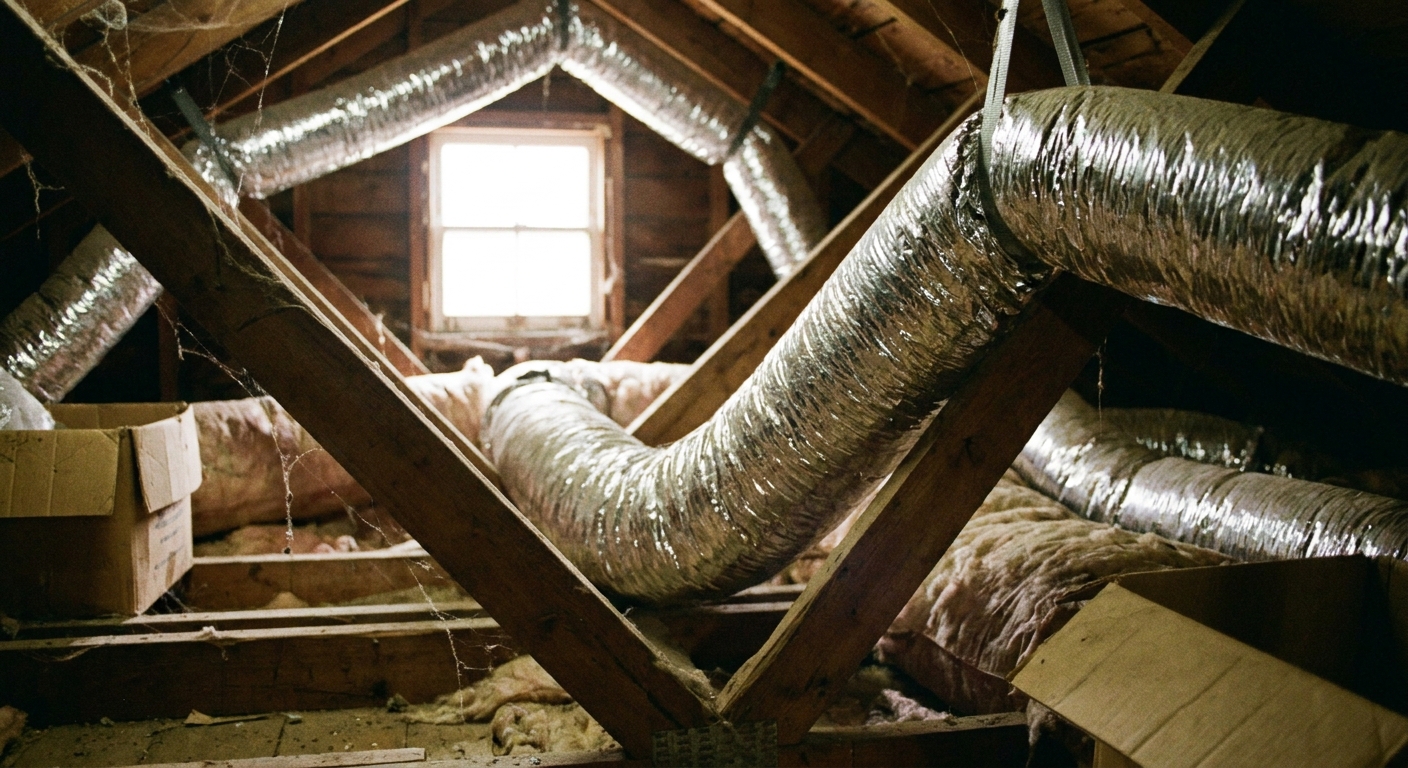
Leaky or disconnected ducts can contribute to uneven temperatures and wasted conditioned air in older Greater New Orleans homes. Weak airflow or high bills are clues, not proof of a leak. A professional can measure leakage, inspect accessible ductwork, and recommend repairs suited to the home.
In a city where summer heat and humidity can make an under-cooled home uncomfortable and the electric bill from Entergy climbs fast, a few leaky spots in the ductwork can add up to a noticeable comfort tax. The good news is that the problem is fixable, and duct repairs may be possible without replacing the AC equipment. Below we break down why older homes in Kenner, Metairie and the surrounding area tend to develop leaky ducts, how you can spot the issue, and what a professional sealing job looks like.
Why Ducts Go Leaky in Older New Orleans Homes
Older ductwork may have loose joints, damaged seals, corrosion, or disconnected sections. The condition and installation matter more than the age of the house alone.
Another common cause is the way ducts were routed through unfinished attics or crawl spaces. Those areas were not always insulated, and the ducts were left exposed to the elements. Damaged insulation exposes ducts to heat and moisture; loose or disconnected joints allow air leakage. These are related but different problems. The result is a network of tiny leaks that let conditioned air escape into unconditioned spaces.
Renovations can also introduce new leaks. When a wall is opened for electrical work or a bathroom remodel, the contractor may cut through a duct and not reseal it properly. In older homes, the original duct layout may not match the current floor plan, leading to sections that are under-used, over-stressed, or simply forgotten.
How Leaky Ductwork Affects Comfort and Energy Bills
Every cubic foot of air that leaks out before reaching the room is a wasted load of energy. In a hot, humid summer, the air conditioner works harder to replace that lost cool air, which pushes the electric meter higher. In the winter, heated air escapes and the furnace has to fire longer. The effect on energy use depends on where the ducts run, the extent of leakage, and the home’s heating and cooling needs. A leakage percentage is not the same as a percentage of bill savings.
Uneven temperatures are another symptom. You may notice that the bedroom stays cool while the living room feels warm, even though the thermostat reads the same setting. Duct leaks are one possible cause. Duct design, restrictions, insulation, room heat loads, and equipment operation can also affect the amount of conditioned air a room receives.
Beyond comfort and cost, leaky ducts can affect indoor air quality. Unconditioned air that enters the duct system can bring in dust, pollen, and even mold spores from the attic or crawl space. Over time, that can lead to a musty smell or trigger allergies, especially for households that rely on air filtration.
Spotting Leaky Ductwork Yourself
Start with ducts you can see safely without entering an attic or crawl space. With the system off, look for disconnected joints or damaged insulation. Do not disturb old insulation or enter an area with unsafe footing, heat, water, or exposed wiring; leave those inspections to a professional.
Next, feel for airflow. With the system running, place your hand near a supply vent and compare the strength of the breeze to a vent on the opposite side of the house. A noticeably weaker flow can be a clue, but duct design, closed dampers, blockages, and other faults can produce the same symptom. You can also hold a piece of tissue or a thin strip of paper near the vent; if it flutters less than expected, that’s another clue.
Do not use incense or an open flame to test duct seams. A professional can measure duct leakage and airflow to distinguish leaks from other causes of weak room airflow.
Finally, keep an eye on your utility bills. A sudden jump in your monthly electricity cost, especially during a season when you haven’t changed thermostat settings, is a reason to compare usage, weather, and rates and investigate the system; it does not confirm a duct leak.

What Professional Duct Sealing Involves
Tegridy Air’s published dispatch fee for Greater New Orleans is $109. Repair pricing is quoted after diagnosis and before the repair proceeds.
Sealing starts with finding the leaks and preparing the surfaces so the chosen material can adhere. Appropriate mastic or rated duct-sealing tape is used for the duct material and joint. Damaged or disconnected sections may need repair or replacement; whole-system duct cleaning is not automatically required for sealing.
In areas where the metal is severely corroded, we may replace a short section of duct rather than try to patch it. That decision is based on the condition of the material and the cost-benefit analysis we discuss with you. Ask which local requirements and leakage tests apply to the proposed work.
Repair pricing depends on the diagnosis, parts, access, and applicable warranty. We provide a quote before repairs proceed.
Cost Expectations and Return on Investment
Because the price of duct sealing can vary with the size of the home and the extent of the leaks, it’s hard to give a single number. Most homeowners in the Greater New Orleans area see a total job cost that falls between $800 and $2,000, including labor, sealant, and any necessary replacement sections. The service call and diagnostic fee is included in that range.
Energy savings depend on the measured leakage, duct location, usage, weather, and utility rates. Ask for the assumptions behind any savings estimate rather than treating a monthly example as a guaranteed payback period.
There are also indirect savings. With a sealed system, the air conditioner doesn’t have to run as long, which reduces wear on the compressor and fan motor. If a fan/blower motor eventually needs replacement, the price range is $450-$1,200, but a specific extension of motor life cannot be promised from duct sealing alone.
Properly sealed ducts help deliver conditioned air where it is intended. If you later add a thermostat or filtration upgrade, it still needs to be compatible with the equipment and installed correctly.
Maintaining Sealed Ducts and Next Steps
Tegridy Air’s published dispatch fee for Greater New Orleans is $109. Repair pricing is quoted after diagnosis and before the repair proceeds.
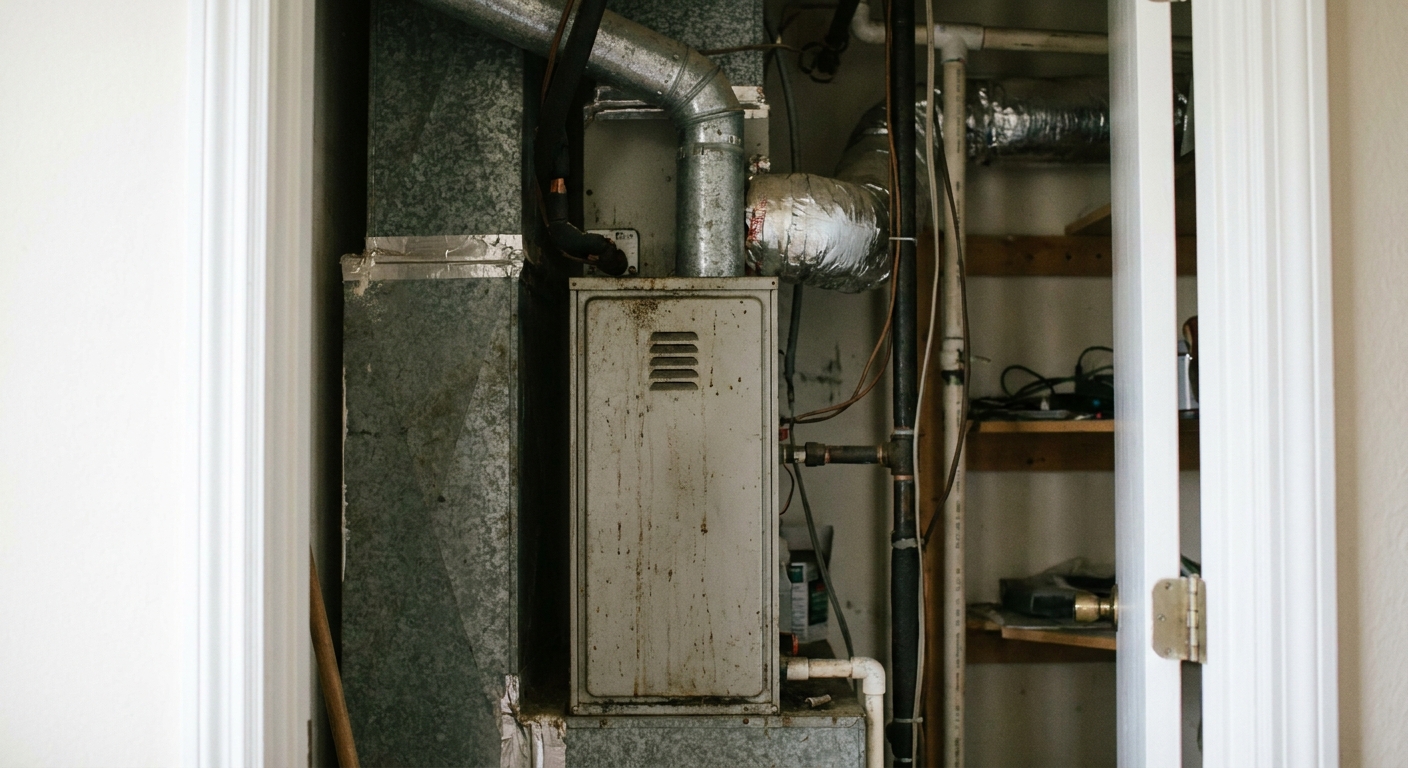
Keep the attic and crawl spaces as dry as possible. Repair roof or plumbing leaks promptly and have persistent dampness assessed before choosing a dehumidifier. The moisture-control approach depends on whether the space is enclosed or vented. Moisture is the enemy of metal ducts, and it can cause new leaks to form even after a professional seal.
Free replacement estimates are separate from repair diagnostic visits. For planning information, see our 2026 Kenner AC replacement cost guide. Your final quote depends on the equipment and installation scope.
If indoor air quality remains a concern, discuss suitable filtration after moisture sources and duct defects are addressed. A filter can capture some particles, but it does not repair a leak or solve a mold problem. The filter must also allow the airflow required by the equipment.
Final Thoughts
Leaky ductwork is a quiet source of higher bills and uneven comfort in older New Orleans homes. The problem is easy to miss, but the signs are there—cold spots, higher electricity usage, and a drafty feel near vents. By having a qualified technician inspect, seal, and test the system, you can restore the balance and stop paying the hidden comfort tax.
Tegridy Air serves Kenner, Metairie, and the surrounding South Louisiana communities. We treat every job like we’re working on our own house, which means honest assessments, clear explanations, and no unnecessary upsells. If you suspect your ducts are leaking, give us a call or request a free quote online.
Call us today at 504-414-8655 or visit tegridyair.com to schedule a diagnostic, tune-up, or free quote. Let’s get your home running the way it should.
Need honest HVAC help in Kenner, Metairie, or anywhere across the Greater New Orleans area? Call Tegridy Air at 504-414-8655 or request a free quote online – ask about availability and the next step for your home.
Related Reading
- Ducted vs Ductless HVAC System: Which Is Right For Your Home?
- Repair or Replace Your AC? Honest Cost Breakdown for New Orleans Homeowners
- Hurricane Season HVAC Prep: Protect Your AC Before the Storm Hits
Frequently Asked Questions
How can I tell if my ducts are leaking without opening the attic?
Uneven temperatures, unusual energy use, and weak airflow can justify an inspection, but none confirms a leak. Keep homeowner checks to safely visible ductwork; leave leakage testing to a professional and do not use incense or a flame.
Will sealing my ducts reduce the size of my air conditioner or furnace needed?
Duct improvements can affect the load used to select replacement equipment. Have the contractor assess the improved home before choosing capacity. Do not lower blower speed on your own; airflow must remain within the equipment’s specifications.
How often should I have my ducts inspected?
A good rule of thumb is to have a professional inspection during each seasonal tune-up—once in the spring before cooling season and once in the fall before heating season.
Is duct sealing covered by any warranties or guarantees?
Ask which workmanship coverage applies to your quoted duct-sealing work, including its duration, exclusions, and how to request service. Keep the written terms with your invoice.