

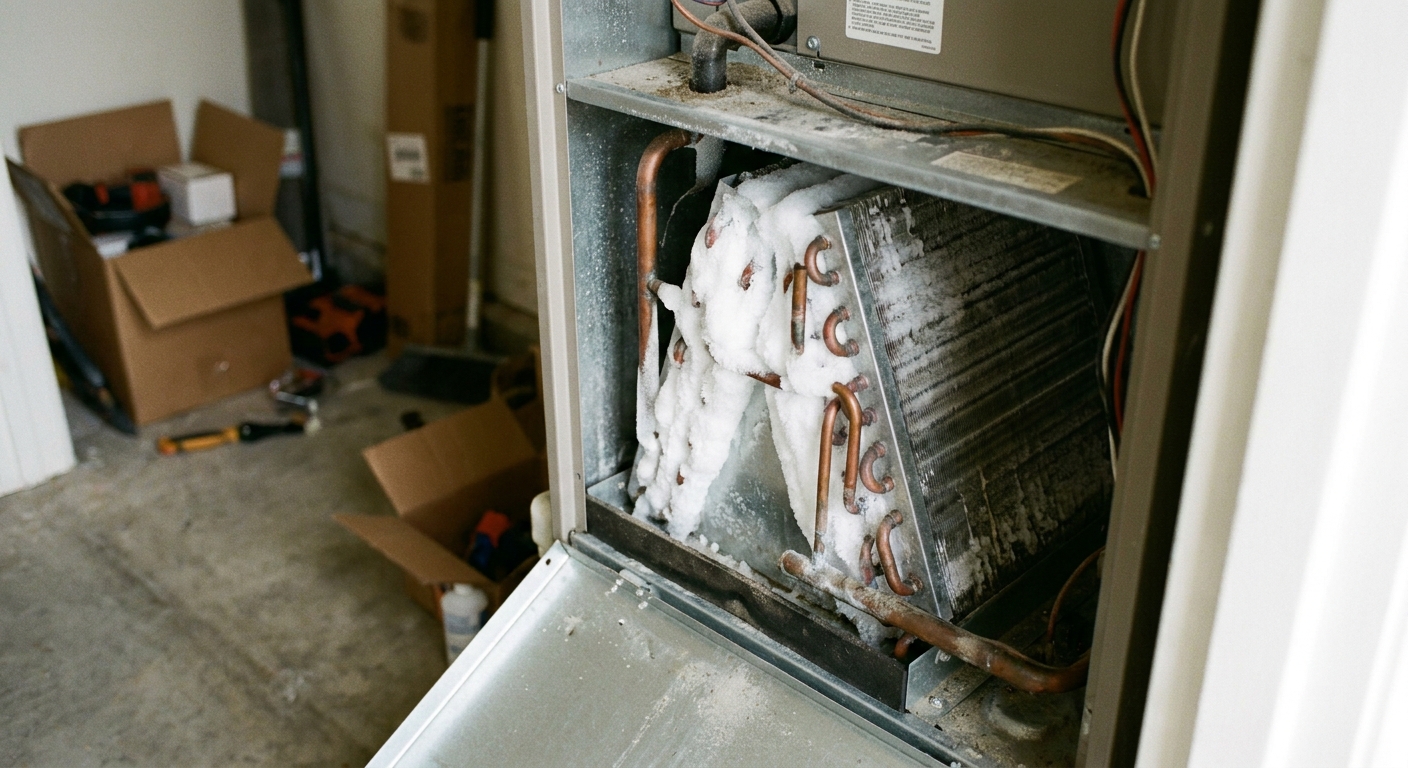
You’ve set the thermostat to 75°F, pressed the cool button, and the air coming out of the vents feels more like a warm draft than a summer relief. The most common reason for that is a frozen evaporator coil. When the coil gets covered in ice, the system can’t absorb heat from the indoor air, and the blower pushes out warm air instead of cool. It’s a problem that can happen to any central air conditioner, especially in the humid climate of Greater New Orleans.
In this article we’ll walk through how a standard AC works, why the coil freezes, the symptoms you’ll notice, how a technician confirms the issue, what repairs typically involve, and how regular maintenance can keep the problem from returning. The goal is to give you a clear picture so you can talk confidently with a technician from Tegridy Air and understand what to expect.
How a Standard Central AC System Works
The heart of a central air conditioner is the refrigerant loop. The outdoor unit contains the compressor, which pressurizes the refrigerant and sends it as a hot, high-pressure gas to the indoor evaporator coil. As the refrigerant passes through the coil, it expands and cools, turning into a low-pressure liquid that absorbs heat from the indoor air passing over the coil fins.
Air from your home is drawn by the blower motor, pushed across the evaporator coil, and then returned to the living spaces at a lower temperature. The cooled, dehumidified air is what you feel on the vents. Meanwhile, the refrigerant, now warmed by the indoor heat, travels back to the outdoor condenser where the heat is expelled to the outside air.
Two things keep this cycle running smoothly: proper airflow across the coil and the right amount of refrigerant in the system. If either of those is compromised, the coil can get too cold, moisture in the air will freeze on the fins, and the whole heat-exchange process stalls.
What Causes a Frozen Evaporator Coil
Low airflow is the most frequent trigger. A dirty air filter, clogged return ducts, or a failing blower motor reduces the volume of air that can pass over the coil. When the air moving across the coil is insufficient, the coil temperature drops below the freezing point of the moisture in the indoor air, and ice begins to form.
Another common cause is an incorrect refrigerant charge. If the system is under-charged, the refrigerant pressure drops, causing the coil temperature to fall further. Over-charging can also lead to problems, but under-charging is more typical after a leak repair or a system that’s been running low for a while.
Thermostat settings can contribute as well. Running the AC at a very low temperature setpoint on a humid day forces the coil to work harder, increasing the chance of ice buildup. Finally, a malfunctioning metering device—like a thermostatic expansion valve—can deliver too much refrigerant into the evaporator, also leading to freezing.
Symptoms of a Frozen Coil
The most obvious sign is the air blowing from the vents feeling warm instead of cool. Homeowners often think the unit has failed completely, but the blower is still moving air; it’s just not being cooled.
Another clue is reduced airflow. You may notice that the vents feel weaker, or that rooms don’t reach the thermostat setting even after the unit has been running for a while. This is the result of ice restricting the coil’s surface area and the airflow path.
Unusual noises can also appear. As ice builds up, it can crack or pop when it finally melts, creating rattling sounds. You might also hear the compressor cycling on and off more frequently because the system is trying to maintain the set temperature.
In some cases, you’ll see visible frost on the evaporator coil if you open the service panel. That’s a clear indication that the coil has frozen and needs attention.
Steps to Diagnose and Confirm a Frozen Coil
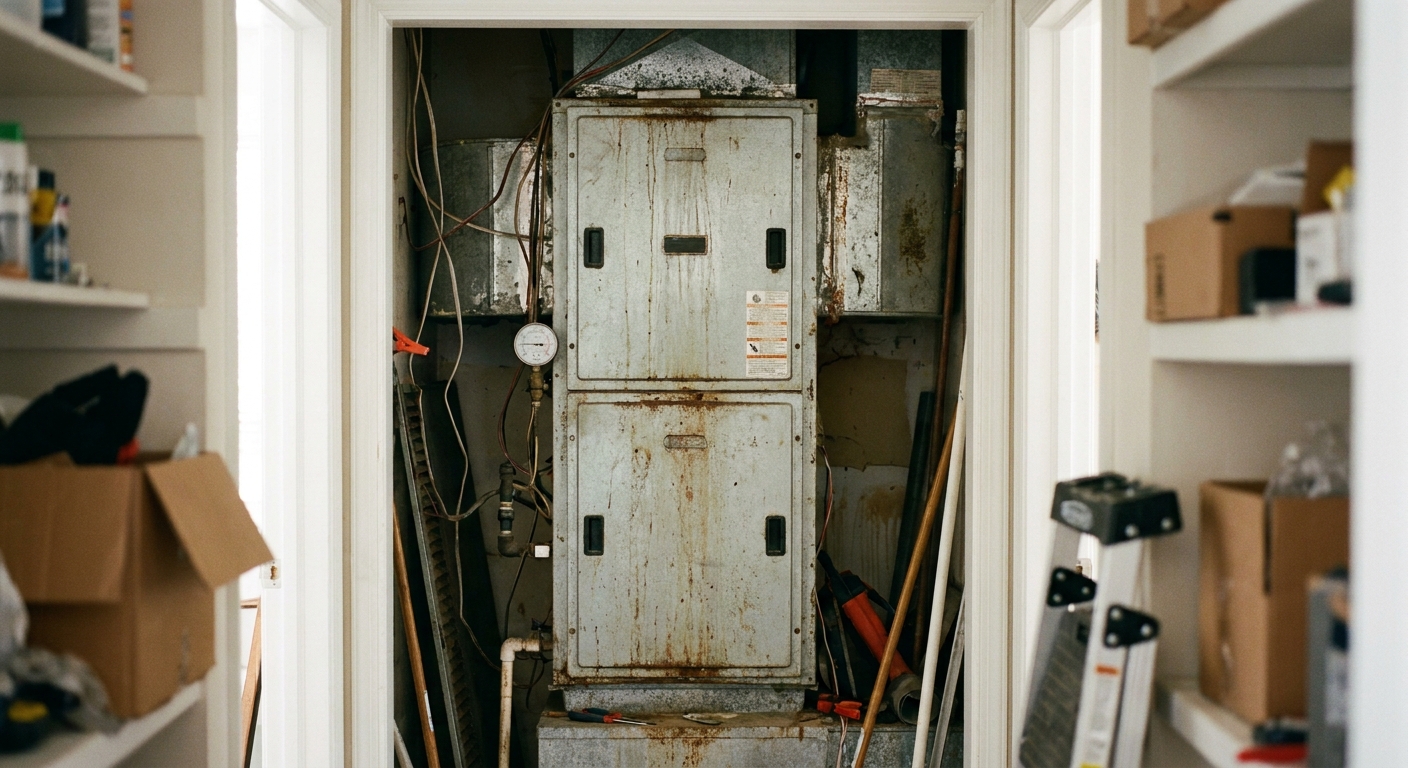
Before calling a technician, you can perform a quick visual and functional check. Turn off the thermostat, wait a few minutes for the coil to melt, and then inspect the indoor unit’s access panel. If you see a layer of ice or frost on the coil fins, that confirms the issue.
Next, check the air filter. A clogged filter is an easy fix that often resolves low-airflow problems. If the filter is dirty, replace it with a new one of the correct size and see if the airflow improves.
If the filter is clean and the coil is still frozen, the problem is likely deeper—such as a motor issue, a refrigerant leak, or a restriction in the ductwork. At this point, it’s best to schedule a service call so a qualified technician can measure refrigerant pressure, test the blower motor, and evaluate the overall system performance.
- Turn off the thermostat and let the coil thaw (30-45 minutes).
- Inspect the evaporator coil for frost or ice buildup.
- Check and replace the air filter if it’s dirty.
- Listen for abnormal noises from the blower or compressor.
- Note any error codes on the thermostat or indoor unit.
Common Repairs and How We Fix Them
When the coil is frozen, the first step is to restore proper airflow. If the blower motor is worn or the fan belt (on older units) is loose, we replace the motor or adjust the belt. A new variable-speed ECM motor can improve airflow control and energy efficiency, and the typical cost for a fan/blower motor replacement in the New Orleans area is $450-$1,200.
If the coil is frozen because the system is low on refrigerant, we locate and repair the leak, then recharge the system. Leak repair typically runs $400-$900 plus the cost of refrigerant, which is $125-$225 per pound. The exact amount of refrigerant needed depends on the size of the system and the type of refrigerant—newer R-454B runs toward the high end of the price range.
In cases where the coil is damaged or the refrigerant charge is severely off, we may need to replace the capacitor, contactor, or even the compressor. Capacitor or contactor replacement is usually $200-$450, while a compressor replacement can range from $1,800-$2,900. All of these parts come with professional installation and testing.
Our service call and diagnostic fee is $90-$150, which includes a thorough inspection and a written estimate. Labor for most repairs is billed at around $200 per hour. If a full system replacement is the best option, a new central AC installed in the Kenner or Metairie area typically costs $5,500-$11,000, depending on size and SEER rating.
Preventive Maintenance to Keep the Coil From Freezing
Regular maintenance is the most reliable way to avoid frozen coils. A yearly tune-up that includes cleaning the evaporator and condenser coils, checking refrigerant pressure, and testing the blower motor can catch problems before they cause ice buildup.
Changing the air filter every 30-90 days, depending on usage and indoor air quality, maintains proper airflow. If you have pets or live in a dusty environment, a more frequent filter change is wise.
- Schedule a professional inspection before the cooling season starts.
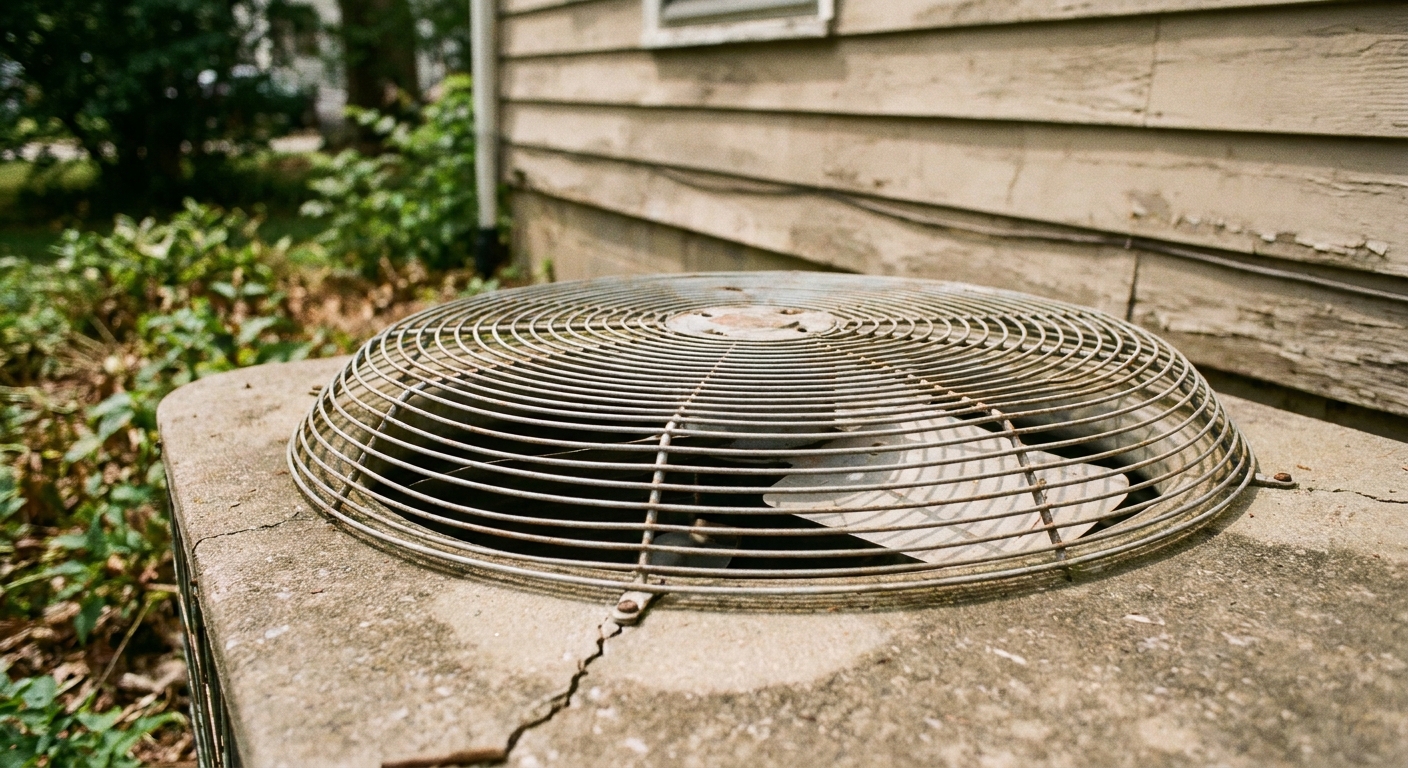
- Keep the outdoor condenser clear of foliage, debris, and standing water.
- Seal and insulate ductwork to reduce pressure drops and improve airflow.
- Consider a smart thermostat that can alert you to abnormal temperature swings.
Additional upgrades like air purification systems or upgraded duct sealing can improve overall indoor air quality and reduce the load on your AC, further lowering the risk of a frozen coil. Tegridy Air offers maintenance plans that bundle these services, providing a predictable cost and priority scheduling for any needed repairs.
Final Thoughts
A frozen evaporator coil is a straightforward problem with a clear set of causes and solutions. By understanding how airflow and refrigerant charge affect coil temperature, you can spot the early signs—warm air, reduced airflow, and unusual noises—before the situation worsens.
When the issue does arise, professional diagnosis and repair are essential to restore proper cooling and protect the rest of the system. Tegridy Air’s local technicians know the typical failure points in homes across Kenner, Metairie, and the surrounding South Louisiana area, and we can get your AC back to normal without unnecessary hype or hidden fees.
Need honest HVAC help in Kenner, Metairie, or anywhere across the Greater New Orleans area? Call Tegridy Air at 504-414-8655 or request a free quote online – we’ll get you comfortable fast.
Related Reading
- Repair or Replace Your AC? Honest Cost Breakdown for New Orleans Homeowners
- AC Repair Explained: 10 Most Common Air Conditioner Problems and Solutions
- How Often Should You Change Your AC Filter in South Louisiana?
Frequently Asked Questions
Why does my AC blow warm air even though the thermostat is set to cool?
Warm air usually means the evaporator coil isn’t absorbing heat, most often because the coil is frozen or airflow is restricted. Low airflow prevents heat exchange, so the blower pushes out uncooled air.
Can I thaw a frozen coil myself?
You can turn off the system and let the ice melt, but the underlying cause—like a dirty filter, motor issue, or low refrigerant—won’t be fixed without professional service. Continuing to run the unit while frozen can damage the compressor.
How long does a typical frozen-coil repair take?
Once a technician arrives, diagnosing the problem takes about an hour. Replacing a blower motor or fixing a refrigerant leak usually adds another 1-2 hours, depending on parts availability and system size.
Will a frozen coil affect my energy bill?
Yes. When the coil is frozen, the system runs longer trying to reach the set temperature, which raises electricity usage and can lead to higher Entergy bills. Fixing the issue restores efficient operation and helps keep costs down.