
You’ve set the thermostat to 72°F, the fan is running, but the air coming out of the vents feels like a summer afternoon in Metairie. It’s a common scenario in the Greater New Orleans area when the AC seems to work but doesn’t actually cool. Before you assume the whole system is dead, there are a few straightforward checks you can do yourself. These steps can save you time, avoid unnecessary service calls, and give you a clearer picture of what might be wrong.
In the following sections we’ll walk through the most frequent reasons an air conditioner blows warm air, why each issue matters, and what a typical repair might involve. The goal is to give you enough information to feel confident when you talk to a technician, whether you need a quick fix or a more involved repair.
Check the Thermostat Settings
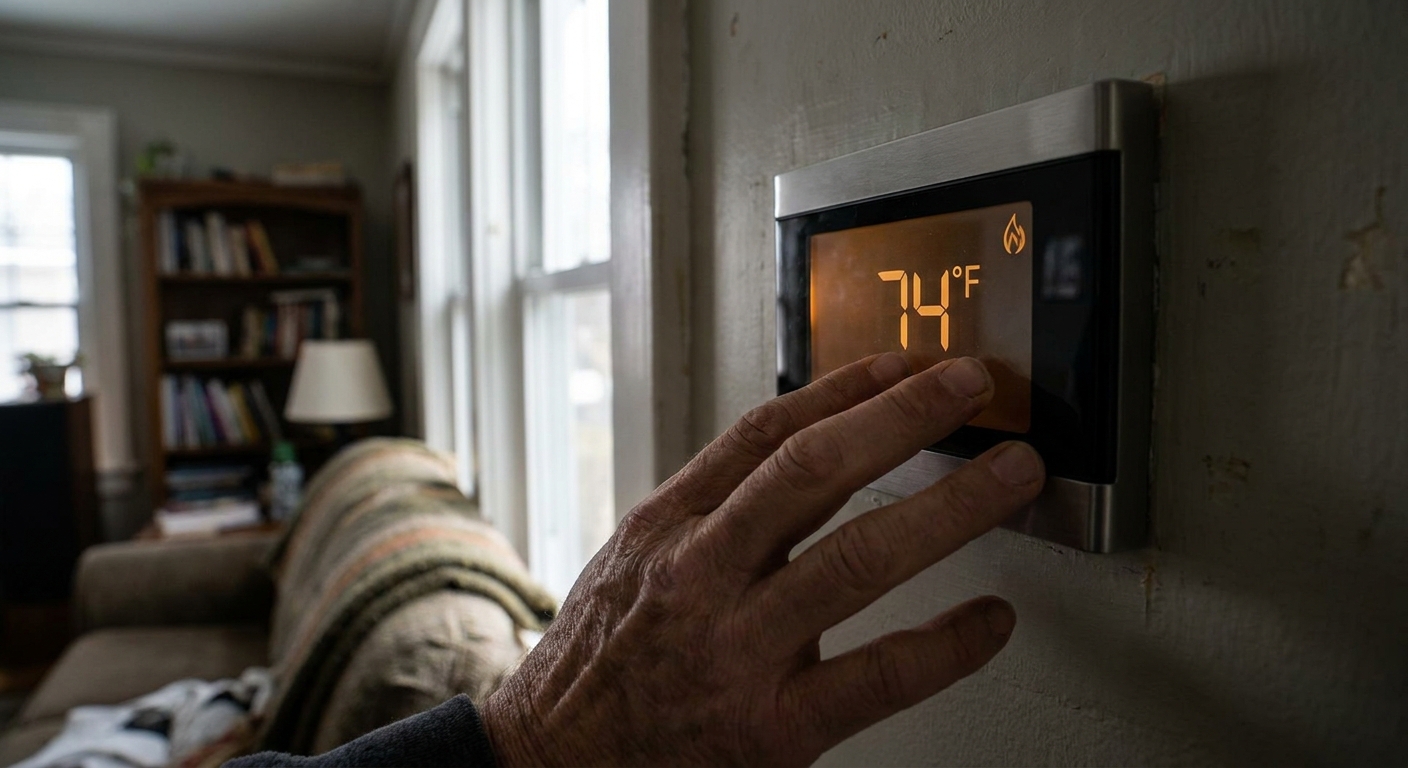
The thermostat is the brain of your cooling system, and a simple setting error can make the whole house feel like a sauna. First, confirm that the thermostat is set to cool mode, not fan-only or heat. In humid Louisiana summers, the fan-only setting can circulate warm, moist air without engaging the compressor, which is why you might still feel airflow but no temperature drop.
Next, look at the temperature set point. If the set point is only a couple of degrees above the current room temperature, the unit may not run long enough to make a noticeable difference. Try setting the thermostat a few degrees lower and give the system at least 15-20 minutes to respond. If the temperature on the display is far above what you set, the thermostat may need new batteries or a recalibration.
Finally, verify that any “eco” or “smart” schedule features aren’t limiting the cooling cycle during peak heat hours. Some programmable thermostats reduce runtime to save energy, which can be counterproductive when the outdoor temperature climbs above 90°F. Adjusting or temporarily disabling those schedules can help you determine if the thermostat itself is the bottleneck.
Inspect the Air Filter
A dirty air filter is the most common cause of reduced airflow and warm air discharge. When the filter becomes clogged, the blower has to work harder to push air through the system, and the evaporator coil may not get enough air to stay cold. Over time this can lead to frozen coils, higher energy use, and even premature wear on the motor.
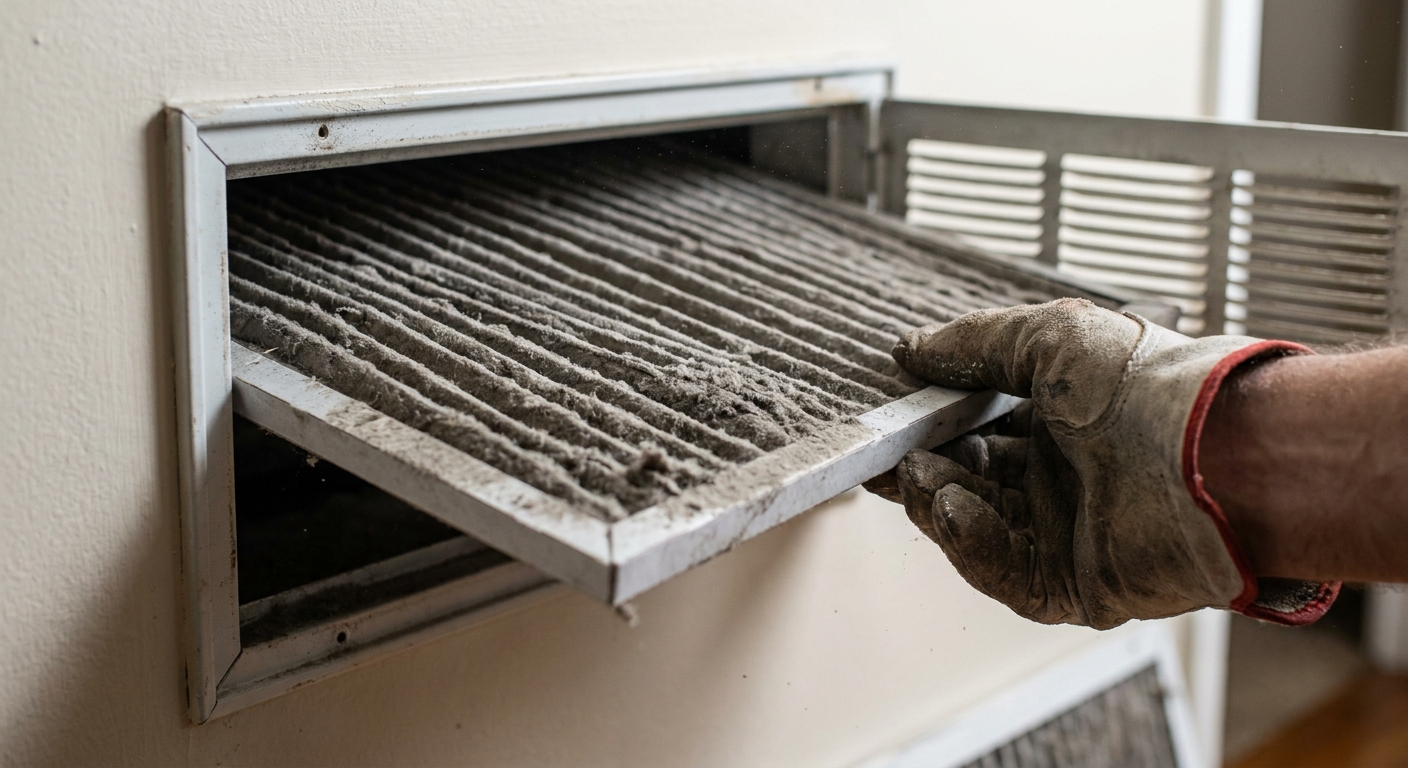
Locate the return-air grille in your living area or the dedicated filter slot near the furnace. Pull the filter out and hold it up to a light source. If you can’t see more than a few percent of the pleats, it’s time for a replacement. In the humid climate of Kenner and Metairie, filters can clog faster because of higher dust and pollen levels.
- Turn off the system before removing the filter.
- Check the filter size printed on the frame; common sizes are 16×20×1 or 20×25×1.
- Replace with a filter rated MERV 8-11 for residential use; higher MERV can restrict airflow.
- Mark the date of replacement on the frame; aim for a new filter every 30-60 days during summer.
Replacing a filter takes just a few minutes and typically costs $10-$30 if you buy it yourself. If you prefer, we can include filter replacement in a routine service visit, and we’ll make sure the right size is stocked for your home.
Look at the Outdoor Condenser Unit
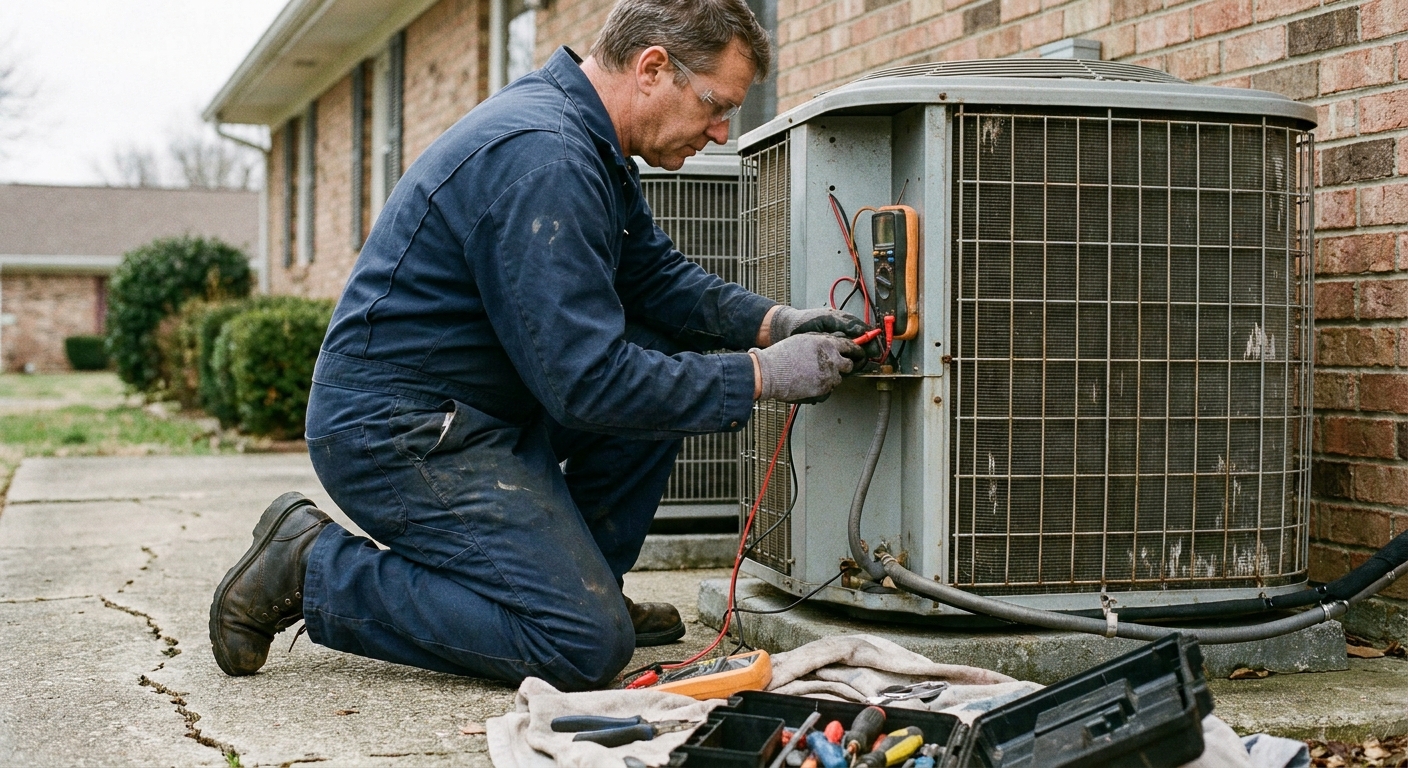
The condenser sits on a concrete pad outside your house and is responsible for releasing the heat absorbed inside. If the unit is obstructed by leaves, grass, or debris, it can’t expel heat efficiently, and the indoor side will feel warm. Clear any vegetation at least two feet around the unit and make sure the coil fins are not bent.
After clearing the area, turn the thermostat to cool and listen for the compressor’s click and the fan’s whir. If the fan runs but the compressor stays silent, the problem may be electrical or refrigerant-related, which requires a technician’s tools. If neither component starts, check the circuit breaker in the main panel; a tripped breaker is a quick fix most homeowners can handle.
When you inspect the fins, be gentle. Use a soft brush or a garden hose on a low-pressure setting to rinse away dust. Avoid high-pressure sprays that can bend the delicate aluminum fins. A clean condenser improves efficiency and can shave a few dollars off your monthly Entergy bill.
Verify Refrigerant Levels and Leaks
Refrigerant is the fluid that carries heat from inside your home to the outdoors. If the system is low on refrigerant, the compressor will run but won’t be able to absorb enough heat, resulting in warm air being pushed through the ducts. Low refrigerant is usually caused by a leak, not a simple “top-off” situation.
Signs of a refrigerant problem include ice forming on the evaporator coil, the AC cycling on and off quickly (short-cycling), and a noticeable drop in cooling performance after the first hour of operation. Because refrigerant is a regulated substance, handling it requires certification and special equipment.
- Professional leak detection typically involves electronic sniffers or UV dye.
- Repair costs range from $400-$900 for the leak fix, plus the price of refrigerant ($125-$225 per pound).
- Recharging the system after a repair can add another $200-$400 depending on the amount needed.
If you suspect a leak, it’s best to schedule a service call. Trying to add refrigerant yourself can be dangerous and may damage the compressor. A qualified technician will locate the leak, repair it, and verify the correct charge for your specific unit.
Evaluate the Blower Motor and Fan
The blower motor pushes air across the evaporator coil and into your living spaces. When the motor or the fan wheel is worn, it can slow down or stop, causing warm air to be delivered. In older homes in Metairie, the motor may be a single-speed type that’s more prone to wear, whereas newer installations often use variable-speed ECM motors.
If you notice a weak airflow, unusual noises, or the fan runs intermittently, the motor may need replacement. Replacing a standard motor typically costs between $450-$1,200 installed, while a variable-speed ECM can be at the higher end of that range. The labor involved is usually a couple of hours, and the system will be tested after installation to confirm proper airflow.
Another component to check is the capacitor, which helps start the motor. A failing capacitor can cause the motor to hum without turning or to start slowly. Replacing a capacitor is a smaller job, usually $200-$450 installed. If you’re comfortable, you can test the capacitor with a multimeter, but most homeowners prefer to let a professional handle it to avoid electrical hazards.
When to Call a Professional
If you’ve walked through the thermostat, filter, condenser, refrigerant, and motor checks and the AC still blows warm air, it’s time to bring in a qualified technician. Common issues that require professional tools include sealed-system leaks, compressor failures, and complex electrical diagnostics. Attempting to repair these components without proper training can void warranties and cause further damage.
When you schedule a service, the technician will perform a full system diagnostic, which typically costs $90-$150. This fee includes a thorough inspection, pressure readings, and a written estimate for any needed repairs. If the diagnosis reveals a major component failure—like a compressor replacement—the cost can range from $1,800-$2,900 installed, depending on the model and SEER rating.
We recommend a preventive maintenance visit at least once a year, ideally in the fall before the cooling season starts. A tune-up can catch problems early, keep your system running efficiently, and extend its lifespan. During a maintenance visit we’ll clean the coils, check refrigerant charge, lubricate moving parts, and verify safe operation of all controls.
Final Thoughts
When your AC runs but doesn’t cool, the cause is often something you can see and address quickly—like a thermostat setting, a clogged filter, or a blocked condenser. By following the steps above you’ll either solve the problem yourself or be able to give a technician clear information about what you’ve already checked.
If the issue persists after these checks, a professional diagnosis is the safest next step. Our team in Kenner and Metairie is ready to inspect, repair, or replace any component that’s keeping your home from staying comfortable during the hot, humid months.
Need honest HVAC help in Kenner, Metairie, or anywhere across the Greater New Orleans area? Call Tegridy Air at 504-414-8655 or request a free quote online – we’ll get you comfortable fast.
Related Reading
- Expert AC Repair Tips for Kenner & Metairie Homeowners
- What AC Repair Actually Costs in Kenner – An Honest Breakdown
- How to Tame Heating & Cooling Costs in Kenner & Metairie
Frequently Asked Questions
Why does my AC blow warm air even though the fan is running?
Warm air usually means the system isn’t removing heat effectively. Common reasons include a thermostat set to fan-only, a dirty air filter restricting airflow, a blocked condenser, low refrigerant, or a failing blower motor.
How often should I replace my air filter in a Louisiana home?
During the cooling season, replace the filter every 30-60 days, or sooner if it looks visibly dirty. Higher dust and pollen levels in the Greater New Orleans area can clog filters faster.
Can I add refrigerant myself if I think the level is low?
No. Refrigerant is a regulated substance and requires certified equipment to handle safely. Adding refrigerant without proper tools can damage the compressor and is illegal in many jurisdictions.
What does a short-cycling AC indicate?
Short-cycling—where the unit turns on and off quickly—often points to low refrigerant, an oversized unit, or a faulty pressure sensor. It reduces efficiency and can lead to premature wear, so a professional should diagnose the cause.