
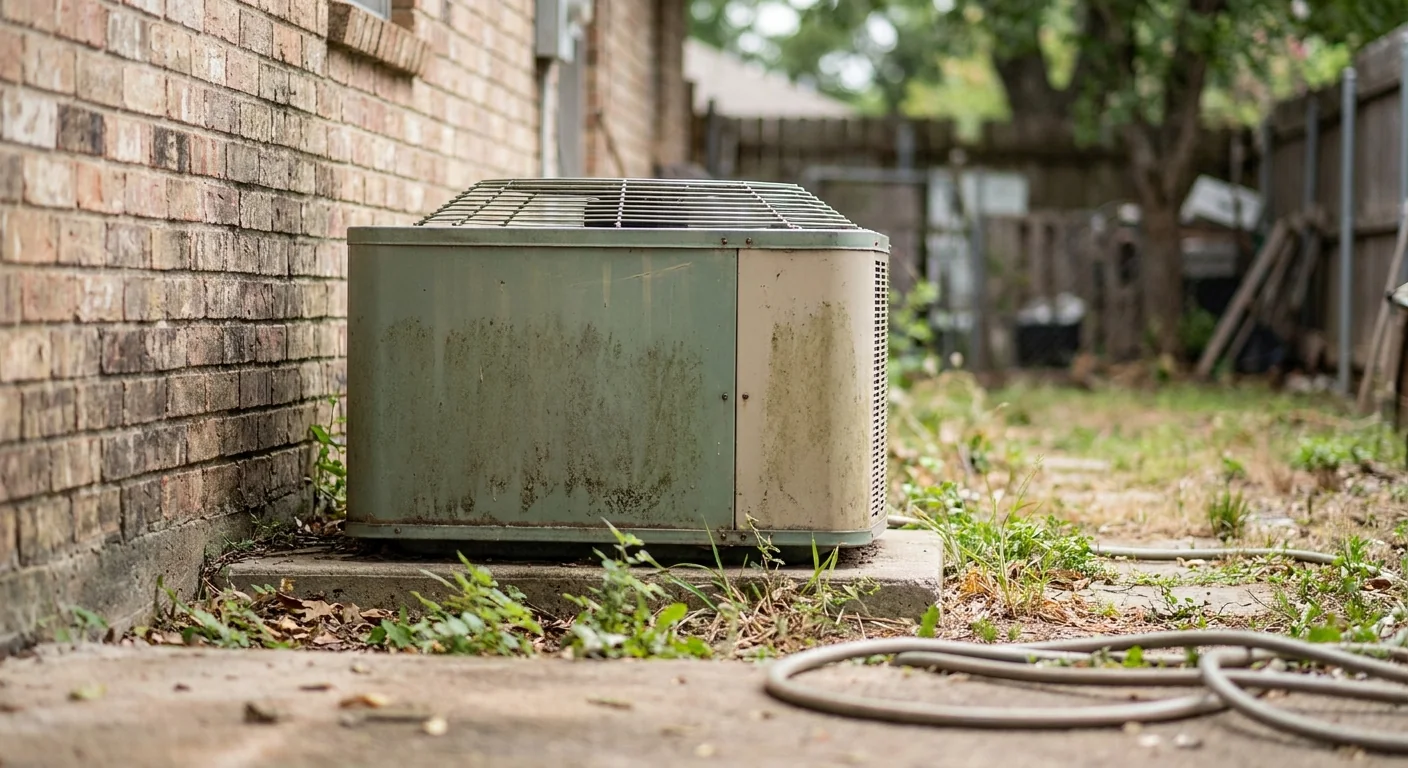
If your Gretna AC repeatedly starts, stops, and starts again while the house stays uncomfortable, it may be short cycling. This is a symptom that needs diagnosis, not proof that a particular part has failed.
Check the thermostat settings and an accessible air filter first. If there is ice, a burning smell, a tripped breaker, loud buzzing, or repeated failed starts, turn cooling off and arrange service. Do not open electrical panels or keep resetting the system.
What Counts as Short Cycling?
Some cycling is normal: the thermostat calls for cooling and stops the call when the room reaches its set temperature. Run times vary with weather, system capacity, controls, and the home’s cooling demand. A fixed rule such as “more than three cycles per hour” cannot diagnose every system.
A new pattern of unusually brief runs, repeated restarts, poor cooling, or clammy rooms is more useful information. Trane explains how normal run times change with operating conditions. Note what the thermostat displays and whether the indoor fan and outdoor unit stop together.
Common Causes
- Oversized equipment: A system with too much capacity can satisfy the thermostat quickly while removing too little humidity. It does not have to shut down before reaching the set point to be oversized.
- Restricted airflow: A clogged filter, blocked return, dirty coil, or blower problem can contribute to a frozen evaporator and poor cooling. The wall thermostat normally measures room temperature; it is not a sensor that watches the coil thaw.
- Thermostat or control problems: A faulty sensor, unsuitable location, incorrect configuration, or wiring problem can interrupt the cooling call.
- Electrical or refrigerant problems: Faulty components or abnormal operating conditions can stop the compressor. Whether a pressure switch or another safety control is involved depends on the equipment. Refrigerant loss may indicate a leak and needs proper diagnosis.
These symptoms overlap. For example, a fan running while the compressor is off can reflect a normal fan setting, a protective delay, or a fault. Carrier’s short-cycling guidance also identifies airflow, controls, refrigerant, electrical faults, and oversizing as possible causes.
Checks You Can Make Safely
- Check the thermostat: Select Cool and your normal comfort setting. Review any schedule or low-battery message. Lowering the target far below your desired temperature is not a repair and does not make the home cool faster.
- Check an accessible filter: Follow the equipment instructions to turn the system off and inspect or replace the filter. Use the specified size and type; do not run without a filter. If access requires opening an electrical or service compartment, leave it to a technician.
- Check room airflow: Keep supply registers and return grilles clear of furniture, rugs, and other obstructions.
- Observe from outside the cabinet: Look for visible ice or debris around the outdoor unit. Do not reach through the grille, turn the fan by hand, or remove panels.
If you see ice on an exposed refrigerant line or coil, turn cooling off and call for advice. Do not chip away ice or use heat to remove it. Thawing alone does not explain or repair the underlying cause. Trane’s homeowner troubleshooting guide explains why airflow and refrigerant problems need further checks.
When to Call for AC Repair in Gretna
Book AC repair in Gretna if the unusual cycling continues, comfort worsens, or the problem returns after a filter change. Electrical smells, a breaker that trips, or repeated failed starts are reasons to stop using the system until it is assessed.
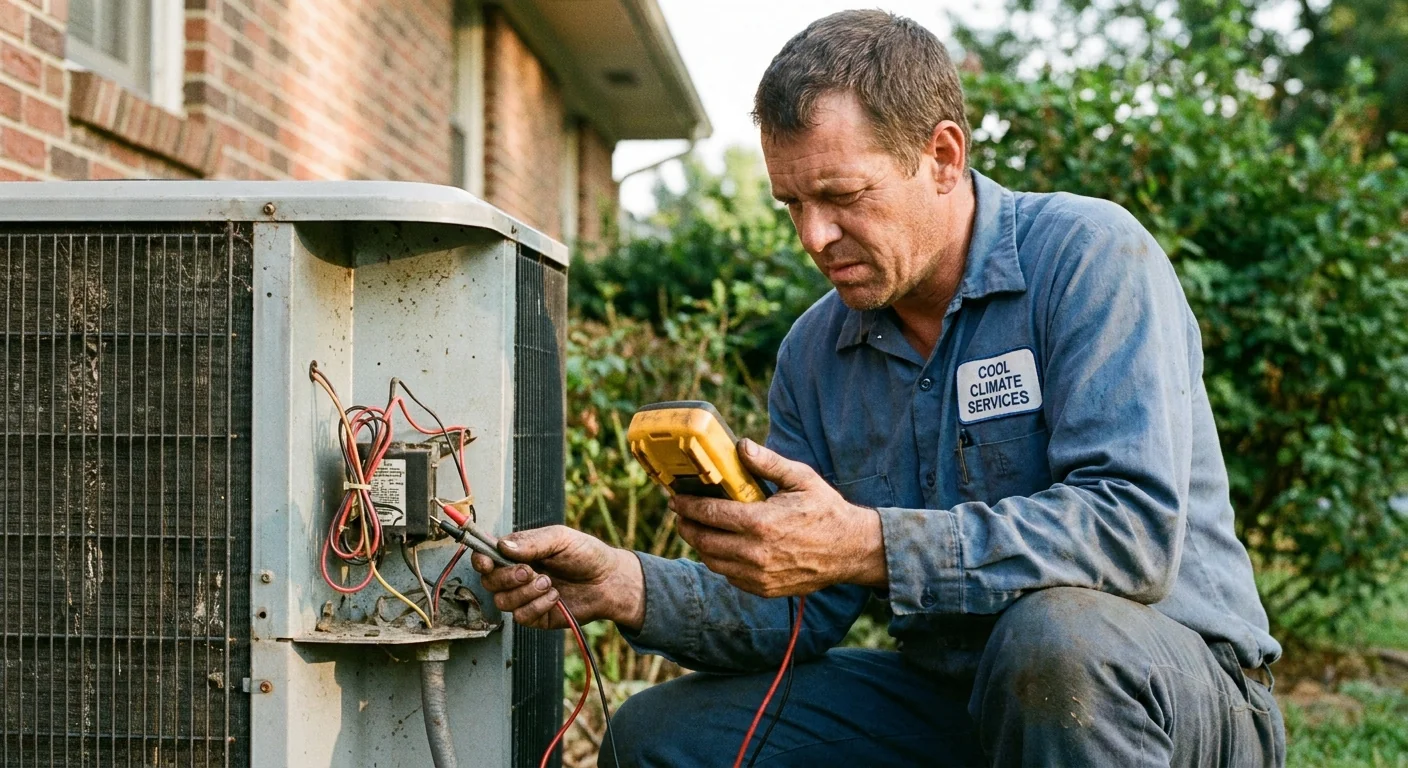
Tell the technician when the problem started, whether it followed a thermostat change or outage, and how long the system runs and stays off. These observations help narrow the diagnosis without guessing at a capacitor, contactor, or compressor.
A technician can check the cooling call, airflow, electrical operation, and refrigerant conditions. If equipment sizing is in question, a load calculation should consider insulation, windows, air leakage, local climate, and other building details. Square footage alone is not enough.
Zoning is not an automatic cure for an oversized AC. Any change needs an airflow and equipment assessment. The recommendation may involve a repair, a control adjustment, duct improvements, or correctly sized replacement equipment, depending on the findings.
What Diagnosis and Repair Cost
Tegridy Air’s published dispatch fee for Greater New Orleans is $109. The repair price depends on the fault, parts, access, and warranty coverage. We explain the proposed work and quote it before repairs proceed.
A free replacement estimate is separate from a repair diagnostic visit. If replacement is worth considering, the 2026 Kenner AC replacement cost guide explains budgeting factors. Your Gretna home’s final quote depends on the actual equipment and installation scope.
Avoid choosing a repair from a generic price list before the cause is known. The same on-off symptom can result from several different problems. For nearby service, see AC repair in New Orleans and AC repair in Metairie.
Reduce Repeat Problems
Follow the manufacturer’s filter and maintenance schedule. A seasonal tune-up can identify airflow or component issues that need attention. Keep the area around the outdoor unit clear, and leave cleaning inside the cabinet or around the fan to a professional.
A compatible smart thermostat may offer useful schedules and alerts, depending on the model. It cannot compensate for a refrigerant leak, a failing component, or incorrect equipment sizing.
When considering indoor air quality upgrades, have filter resistance and airflow checked for your system. A higher-efficiency filter is not automatically suitable for every installation. Air-cleaning products and UV devices should be selected for a defined need; they are not a general fix for short cycling.
Need help finding the cause? Call Tegridy Air at 504-414-8655 or request service online. We serve Gretna and the Greater New Orleans area.
Related Reading
- What AC Repair Actually Costs in Kenner – An Honest Breakdown
- AC Not Turning On? Here’s What to Check Before You Call a Technician
- Grinding, Buzzing, or Clicking? What Those AC Noises Mean
Frequently Asked Questions
Why does my AC turn on and off quickly?
Possible causes include a thermostat or control fault, restricted airflow, an electrical problem, a refrigerant problem, or oversized equipment. Cycling alone does not identify the failed part. A technician can compare the thermostat call with the system’s actual operation.
Can I replace a capacitor myself?
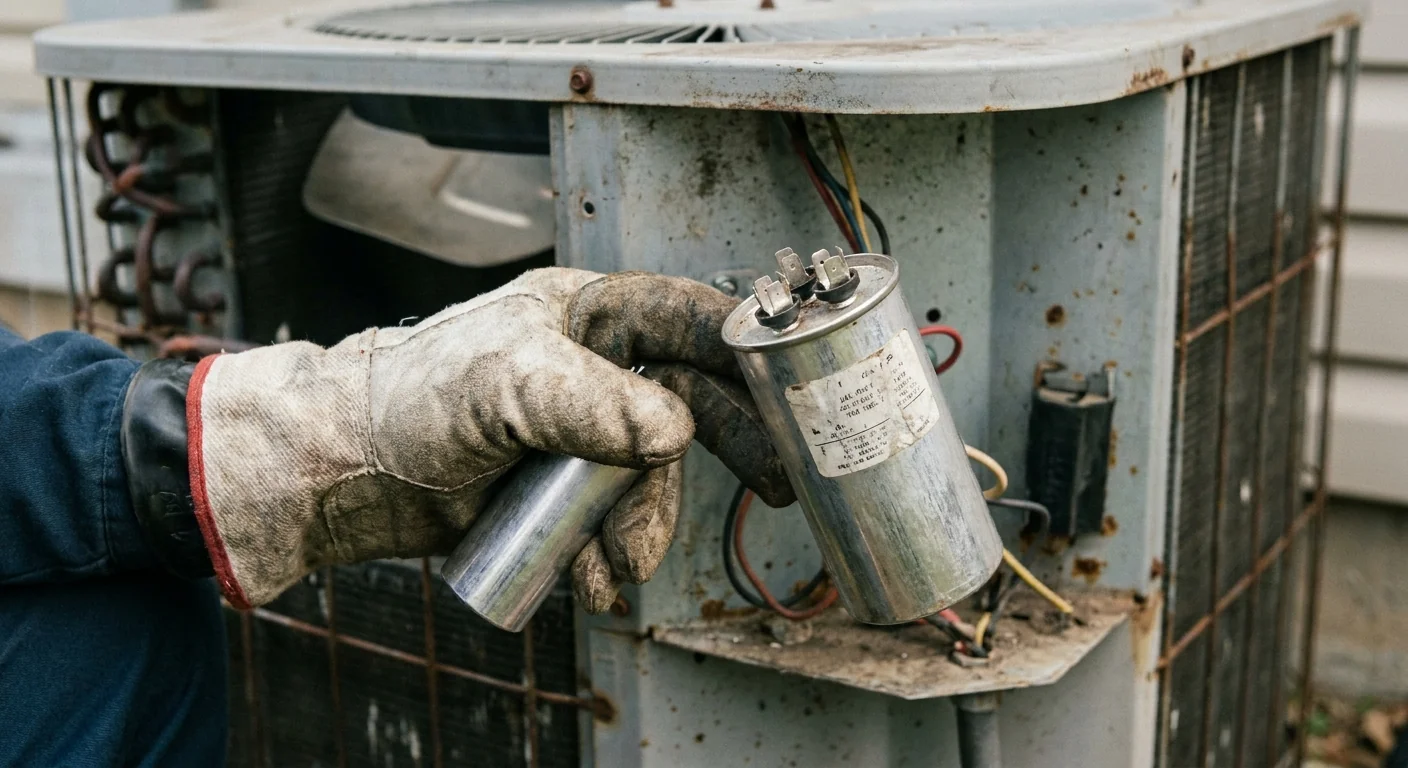
Leave capacitor testing and replacement to a qualified HVAC technician. Capacitors can store hazardous electrical energy after power is turned off. Do not open the electrical compartment or attempt to discharge a capacitor.
How often should I have my AC serviced?
Follow the equipment manufacturer’s maintenance schedule and arrange a cooling check before the hot season. Inspect accessible filters regularly and replace them with the specified size and type. Repeated short cycling needs diagnosis rather than waiting for the next routine tune-up.
Will a smart thermostat stop short cycling?
It may help if an incompatible, faulty, or incorrectly configured thermostat is the cause. It will not repair an airflow restriction, refrigerant leak, failed electrical component, or oversized system. Alerts and cycling controls vary by thermostat model.