
By Scott Gieseler · Published · Updated
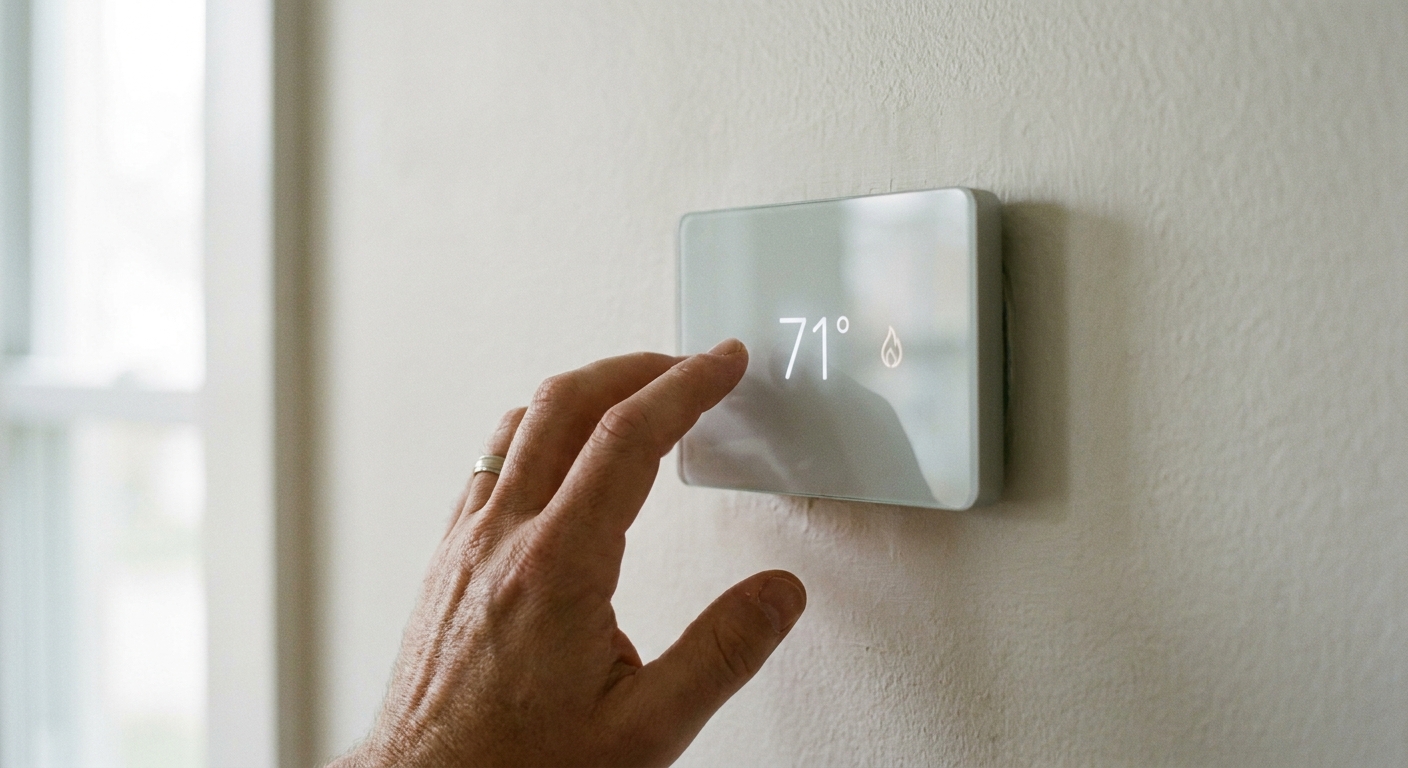
To reduce summer cooling waste, start with safe filter checks, clear vents, sensible thermostat settings, and shade on sunny windows. Have persistent cooling or humidity problems diagnosed before buying an upgrade. When your Entergy bill rises, compare electricity use as well as charges: weather, rates, household use, and equipment condition all affect the total.
This article walks through the steps a local technician would take to tighten up your system, explain why each step matters, and give you realistic cost expectations if a repair or upgrade is needed. The focus is on practical actions you can start today, and on knowing when to call in a professional to avoid costly mistakes. Published cost examples and repair ranges are for planning; actual pricing depends on diagnosis and scope. Confirm current pricing and plan terms before booking.
1. Verify Your System Is Ready for the Heat
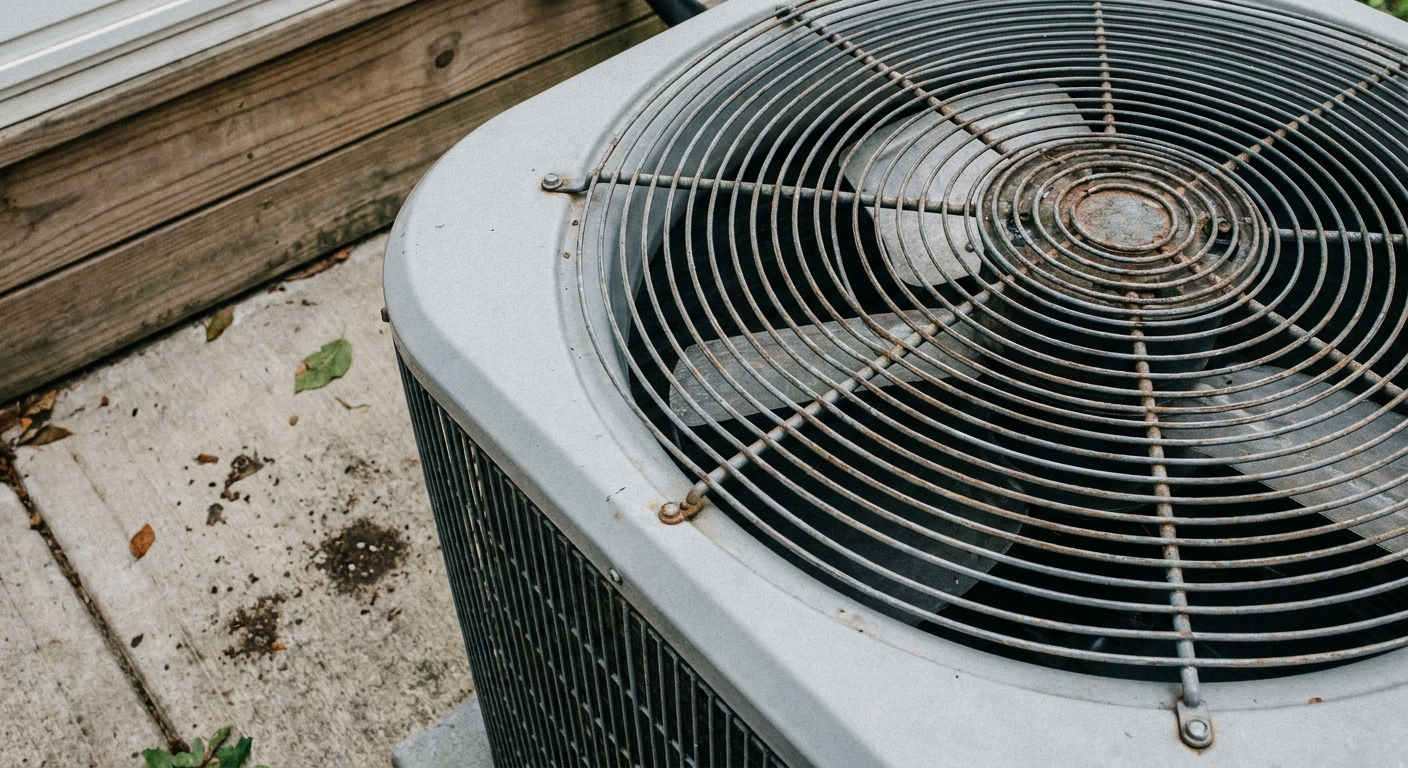
The first thing to do is make sure the existing air-conditioning unit is actually sized for your home and is operating as intended. An undersized unit may struggle to reach the set temperature, while an oversized unit may cycle too frequently and control humidity poorly. Long runtime alone does not prove incorrect sizing, especially with variable-capacity equipment. From outside the cabinet, look for excessive dirt, damaged fins, or debris; do not remove panels or reach into the fan.
Next, check a homeowner-accessible filter without opening internal service panels. A dirty filter can restrict airflow; follow the equipment’s shutdown instructions before replacing it. Replacing a standard 1-inch filter with a clean 1-inch pleated filter usually costs under $20 and takes a minute. For homes with dust or pet hair, a compatible higher-MERV filter may capture more particles, but a higher rating does not itself improve airflow. Have a technician check compatibility and any required system changes; do not adjust blower wiring or speed yourself.
Check the thermostat mode, schedule, and target temperature using its normal controls. Choose a setting comfortable for your household and observe whether the system maintains it. If cooling remains inadequate, arrange professional diagnosis. Runtime varies with weather, load, and equipment type; it cannot by itself identify a refrigerant leak or sizing problem.
2. Assess Duct Leaks and Cleaning Needs
Leaky ducts are a hidden source of energy waste. When conditioned air escapes into unconditioned spaces like attics or crawl spaces, the system must run longer to maintain the set temperature. ENERGY STAR estimates that a typical forced-air home loses about 20-30% of the air moving through its ducts to leaks, holes, and poor connections. That is not a guaranteed percentage reduction in your bill after sealing.
From a safely accessible area, look for obvious gaps at duct joints and connections without entering cramped spaces or disturbing insulation. Leave inaccessible, damaged, or suspect materials to a qualified professional. For small gaps on known, intact, safely accessible ducts, use compatible duct-rated metal tape or mastic according to its instructions; do not disturb insulation. The material allowance of about $0.50 per foot needs checking against the product and project. Leave uncertain materials or access to a professional.
A qualified professional can assess duct leaks and recommend a sealing method suited to the ductwork and access. The cost depends on the size of the system and the extent of the leaks, so a diagnostic visit is the best way to get an accurate quote. Duct cleaning is a separate, as-needed service. Routine duct cleaning has not been shown to improve system efficiency; ask what specific contamination or obstruction justifies it.
- Keep supply registers and return grilles open and unobstructed; ask a technician to address airflow imbalance rather than closing off unused rooms.
- Have duct insulation in unconditioned spaces assessed for the appropriate insulation level, vapor protection, and local requirements. Do not disturb unknown or damaged insulation.
- Ask for a duct assessment when rooms are persistently uncomfortable, ducts appear damaged, or an HVAC evaluation points to air leakage.
3. Install a Smart Thermostat for Real-Time Control
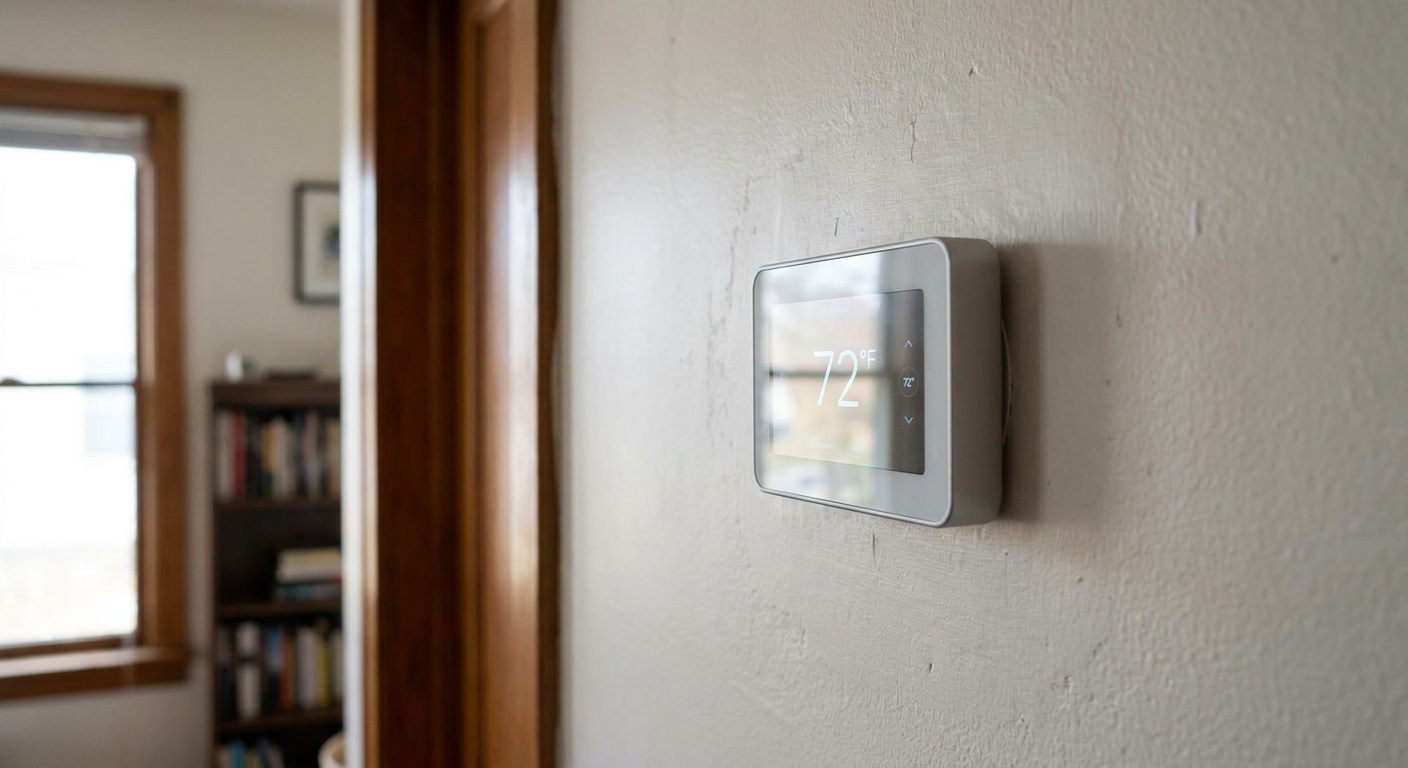
A compatible smart thermostat can make scheduling and remote control easier. Depending on the model, it may learn your routine, adjust settings based on occupancy, or work with humidity controls. In a humid climate like Kenner or Metairie, choose features that suit the HVAC equipment and your household’s comfort needs.
Choose a comfortable home setting and a modestly higher cooling setting while away, while monitoring indoor humidity. Features vary by model: some humidity controls run cooling longer or lower the setpoint to remove moisture. Usage reports can show trends, but they do not isolate savings from weather, rates, or other changes.
Installation timing depends on the equipment, wiring, and access. A standard 24-V thermostat is already a low-voltage control. Have an HVAC professional verify system compatibility and wiring requirements, and confirm any added labor cost before installation. The upfront price for a reliable smart thermostat ranges from $150 to $300, and the payback depends on installation cost, your existing settings, equipment, usage, and electricity rates.
4. Keep Up with Routine Maintenance
Regular maintenance helps address conditions that can reduce system efficiency. A technician will clean the condenser coils, check refrigerant charge, lubricate only components that require it under the manufacturer’s instructions, and test the electrical components. Cleaning dirty coils can improve heat exchange; the energy savings depend on their condition and the rest of the system.
Our maintenance plan is $25 per month or $300 per year and includes two service visits and a 15% discount on repairs. Repair discounts do not apply to system installations. Confirm the plan terms and any separately quoted work when booking.
Tegridy Air’s published dispatch fee for Greater New Orleans is $109. Repair pricing is quoted after diagnosis and before the repair proceeds.
- Schedule a pre-summer check in late April or early May.
- Ask the technician to verify the thermostat calibration.
- Request a written report of any findings so you can track recurring issues.
5. Know the Costs When Components Need Replacing
Even with diligent care, parts will eventually wear out. Understanding the typical price ranges helps you decide whether to repair or replace. Below are the most common components that may need attention in the New Orleans metro area.
- Refrigerant: $125-$225 per pound. Ask for current pricing based on the specified refrigerant and repair scope.
- Fan/blower motor replacement: $450-$1,200, depending on whether a standard motor or a variable-speed ECM motor is installed.
- Compressor replacement: $1,800-$2,900. Ask for a quote for the equipment and repair scope.
- Capacitor/contactor replacement: $200-$450.
- Refrigerant leak repair: $400-$900 plus the cost of the refrigerant itself.
- Dispatch fee in Greater New Orleans: $109. Repairs are quoted after diagnosis.
- System replacement: free estimates; see the 2026 Kenner AC replacement cost guide for planning information.
For items like duct sealing, duct cleaning, or coil replacement, the cost varies with the home’s layout and the scope of work. A technician will provide an upfront quote after a diagnostic, so there are no surprise charges.
If you’re facing a major component failure, weigh the age of the system against the cost of replacement. A system older than 12-15 years often has lower efficiency ratings, and a properly selected efficient replacement may reduce cooling energy use. Compare the installed cost, expected savings, repair outlook, and comfort needs rather than assuming a fixed payback.
6. Everyday Habits That Keep Energy Use Low
Small changes in daily routine can add up to noticeable savings. Close blinds or curtains on sunny windows during the hottest part of the day; this reduces solar gain and eases the load on the AC. Using ceiling fans in occupied rooms lets you raise the thermostat a few degrees while still feeling cool.
Check your actual Entergy rate plan before expecting off-peak savings. Moving appliance use to another hour does not automatically reduce electricity used or create a bill discount; time-of-use pricing and demand charges apply only when your specific tariff includes them.
Finally, keep indoor humidity in check. A whole-home dehumidifier or a properly sized air-conditioning system that removes moisture efficiently can keep the indoor temperature feeling comfortable at a higher set-point. Measure indoor humidity rather than relying on how the air feels. EPA recommends keeping it below 60%, ideally 30-50%; persistent dampness or condensation calls for attention to moisture sources and HVAC performance.
Final Thoughts
Lowering your Entergy bill while staying comfortable is a matter of eliminating waste and keeping the system in good shape. Start with accessible visual checks, have duct leaks assessed and sealed as appropriate, and consider a compatible smart thermostat to fine-tune temperature control. Regular maintenance and timely repairs can address avoidable efficiency losses, and understanding repair costs helps you make informed decisions.
When you’re ready to take the next step—whether it’s a diagnostic visit, a duct sealing job, or a thermostat upgrade—our team in Kenner and Metairie is ready to help. The goal is simple: keep your home comfortable and your energy bills reasonable, without any hype or hidden fees.
Need honest HVAC help in Kenner, Metairie, or anywhere across the Greater New Orleans area? Call Tegridy Air at 504-414-8655 or request a free replacement estimate online. Ask about service availability and next steps.
Related Reading
- New Orleans Humidity Wrecking Your Comfort? What Actually Helps
- Mid-Summer AC Tune-Up to Keep Your Kenner Home Running in July
- Repair or Replace Your AC? Honest Cost Breakdown for New Orleans Homeowners
Frequently Asked Questions
How often should I replace my air filter?
Inspect the filter monthly, and more often with heavy use, pets, or dust. Replace it when dirty or as the manufacturer directs, using the correct size and type. Follow the equipment’s shutdown instructions before accessing the filter.
Can a smart thermostat really save me money?
A compatible smart thermostat can reduce unnecessary heating and cooling through scheduling or occupancy-based adjustments. Actual savings depend on your previous settings, equipment, climate, and use; a fixed percentage is not guaranteed for your home.
What is the best temperature setting for summer?
Try 78°F when home if it is comfortable for your household, and use fans in occupied rooms. Adjust for occupants’ needs and humidity, and consider a modestly higher cooling setting while away. No single setting suits every home.
How do I know if my AC needs a refrigerant recharge?
Poor cooling or frequent cycling can have several causes, including airflow, controls, or refrigerant problems. A qualified technician should diagnose the system and check charge using the manufacturer’s procedure. Do not add refrigerant yourself; any confirmed leak needs evaluation and repair.