

It’s that time of year when you start thinking about turning the thermostat up a few degrees for the first time. You’ve just finished the last of the spring cleaning, and the humidity in Kenner is creeping up. The question on your mind is simple: “Do I need to get my air conditioner checked now, or can I wait until it’s already blowing hot air in July?” If you’ve ever dealt with an AC that quits in the middle of a heat wave, you know the answer is a firm “yes.” A spring tune-up catches the small problems before they become the big, costly ones that show up when the temperature tops 90°F.
Most homeowners in Metairie and the surrounding South Louisiana area rely on their central AC to keep the indoor environment livable during the long, humid summer. The system works hard, and any missed maintenance can lead to reduced efficiency, higher electric bills, and, worst of all, a sudden loss of cooling when you need it most. That’s why a proactive seasonal maintenance visit from Tegridy Air makes sense. In the sections below we’ll walk through exactly what happens during a tune-up, why each step matters, and how the right plan can keep your unit running smoothly all season long.
Why a Spring Tune-Up Beats a Summer Emergency
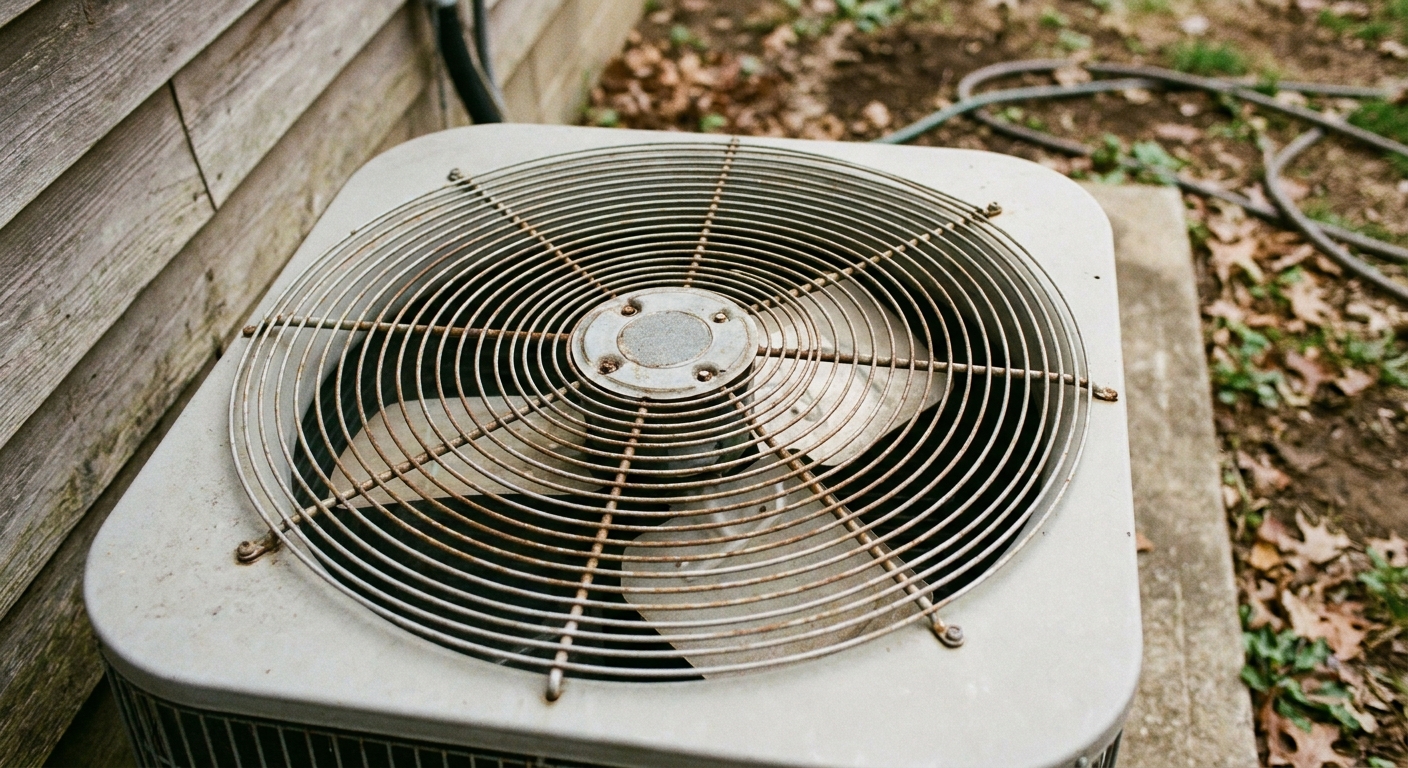
During the winter months, an air conditioner sits idle while the furnace does the heavy lifting. When the unit isn’t running, dust, debris, and moisture can settle on the condenser coils, fan blades, and electrical connections. Those deposits act like insulation, forcing the compressor to work harder when you finally turn the system on. The extra strain shows up on your electric bill and can shorten the life of key components.
Another factor is the seasonal shift in refrigerant pressure. As temperatures rise, the pressure in the system changes, and any existing leak or low-charge condition becomes more apparent. A leak that was barely noticeable in March can cause the compressor to overheat by July, leading to a costly replacement. Catching that early means you can repair the leak and recharge the system before the demand spikes.
Finally, a spring check-up gives you a clear picture of the unit’s overall health. You’ll know whether the fan motor is still running at the proper speed, if the capacitor is holding a charge, and whether the thermostat is calibrated correctly. That information lets you budget for any needed repairs or upgrades well before the peak-usage months, when contractors are booked solid and emergency rates apply.
What a Complete AC Tune-Up Looks Like
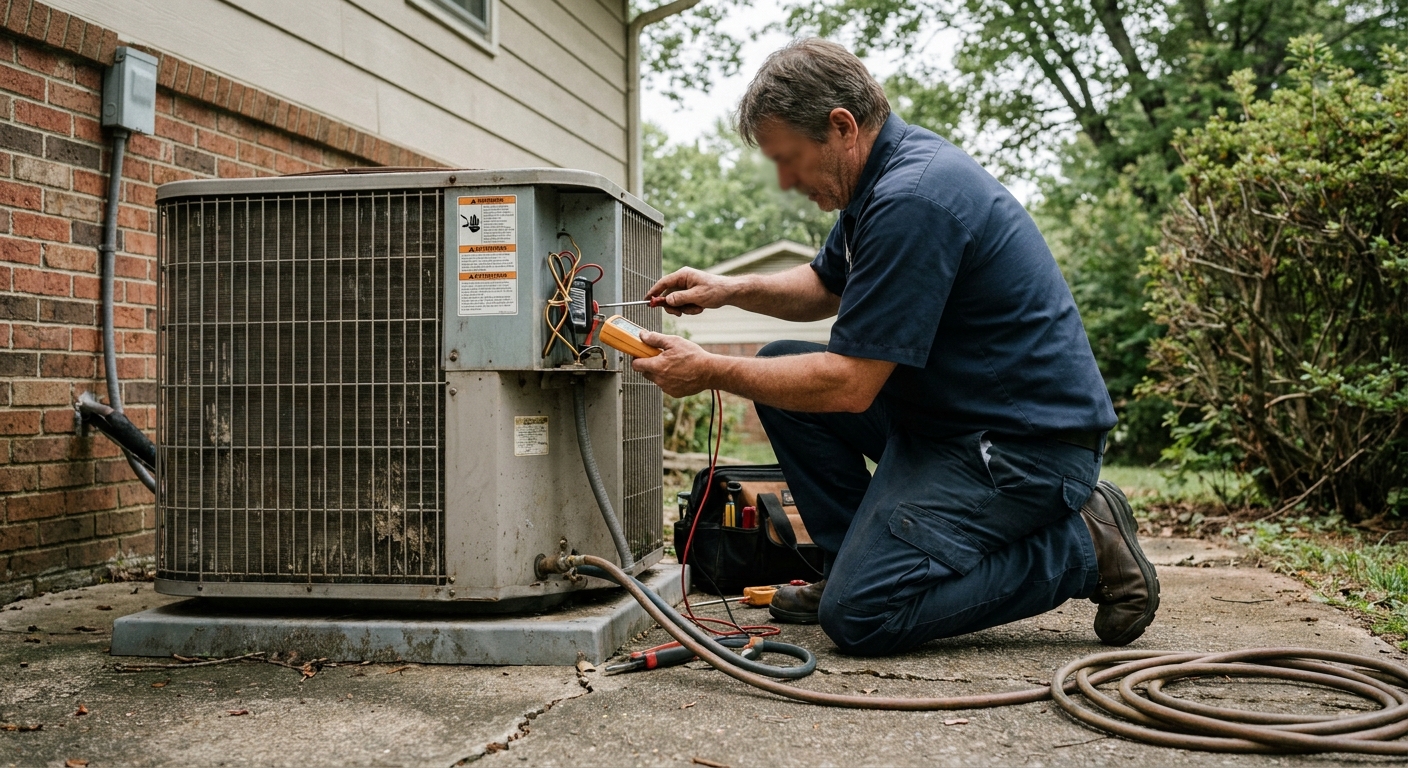
When our technician arrives, the first step is a visual inspection of the outdoor condenser. We look for obvious signs of wear: bent fins, corrosion, or debris that could block airflow. The fan blades are cleaned, and the fan motor is tested for proper voltage and amperage draw. A motor that’s pulling more power than it should could indicate bearing wear that will need replacement soon.
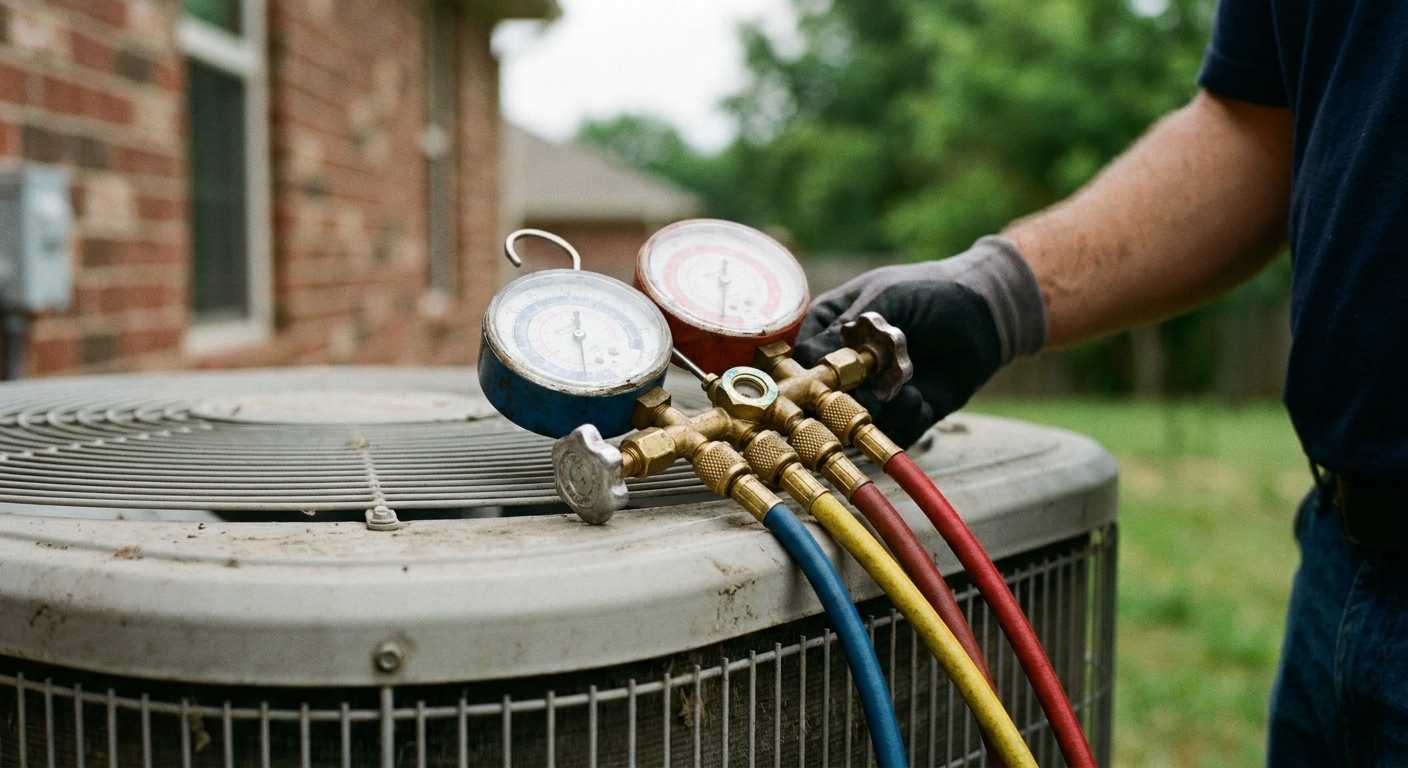
Next, we move to the refrigerant lines and the low-side and high-side gauges. Using a manifold set, we check the system’s pressure against the manufacturer’s specifications for the current ambient temperature. If the pressures are off, we hunt for leaks with a UV dye or electronic leak detector. Any leak we find is marked for repair, and we note the amount of refrigerant that will need to be added once the leak is fixed.
We also inspect the electrical components inside the service panel. The capacitor and contactor are tested for proper operation; a weak capacitor can cause the compressor to start and stop repeatedly, which is a common cause of premature failure. The thermostat is verified for correct settings and calibrated if needed. Finally, we clean the evaporator coil inside the air handler and replace the air filter if it’s dirty.
Cost Considerations: What You’ll Pay for Common Repairs
Most homeowners wonder how much a typical repair will set them back. Below are the price ranges you can expect for the most common parts and labor in the Greater New Orleans market. These figures are based on professional installation and service rates; they do not include any DIY or parts-only pricing.
- Refrigerant: $125-$225 per pound (newer R-454B at the high end)
- Fan/blower motor replacement: $450-$1,200 (variable-speed ECM motors at the high end)
- Compressor replacement: $1,800-$2,900
- Capacitor/contactor replacement: $200-$450
- Refrigerant leak repair: $400-$900 plus the refrigerant itself
- Dispatch fee in Greater New Orleans: $109. Repairs are quoted after diagnosis.
- Repair labor and parts: included in the quoted repair scope.
- System replacement: free estimates; see the 2026 Kenner AC replacement cost guide for planning information.
These numbers give you a realistic starting point for budgeting. If a repair is needed, we’ll provide a written estimate before any work begins, so you know exactly what you’re paying for. For services that vary widely—like duct sealing, coil replacement, or air-handler upgrades—we’ll assess the scope on site and give a separate quote.
What to Watch for After Your Tune-Up
Even after a thorough spring service, a few issues can still pop up as the season progresses. The first sign is a noticeable drop in airflow from the vents. If you feel a weak breeze, it could be a clogged filter that was missed, a partially closed damper, or a developing issue with the blower motor.
Another red flag is unusual noises. A high-pitched squeal often points to a worn fan belt or motor bearings, while a humming sound that stops after a few seconds may indicate a failing capacitor. Listening for these sounds early can prevent a total shutdown later in the summer.
Finally, keep an eye on your electric bill. A sudden increase—especially if you haven’t changed thermostat settings—can mean the system is running longer to reach the set temperature, which usually signals reduced efficiency. In that case, a quick call back to us for a follow-up check can catch a problem before it forces a full repair.
Maintenance Plans, Smart Thermostats, and Air Quality Add-Ons
Our maintenance plan is $25 per month or $300 per year and includes two service visits and a 15% discount on repairs. Repair discounts do not apply to system installations. Confirm the plan terms and any separately quoted work when booking.
Adding a smart thermostat is another practical upgrade. These devices learn your schedule, adjust the temperature automatically, and can alert you when the system is using more energy than normal. In Kenner and Metairie, where the humidity can push cooling loads higher, a smart thermostat helps keep the unit from short-cycling, which prolongs compressor life.
- Air purification options such as UV lights or high-efficiency filters improve indoor air quality, especially important during allergy season.
- Duct repair and sealing address the common issue of air loss in older homes, which can improve efficiency by up to 20%.
- Regular coil cleaning keeps the evaporator and condenser performing at peak heat-exchange rates.
All of these options can be bundled with a maintenance plan, giving you a single point of contact for service and a clear schedule for any upgrades.
Scheduling Your Spring Service with Tegridy Air
When you call us, we’ll set a date that works with your schedule—most homeowners prefer a morning slot before the workday gets busy. Our technician arrives in a fully stocked truck, so if a part needs replacement we can often complete the job the same day.
The service itself usually takes about 90 minutes for a standard residential system. We start with the outdoor unit, move to the indoor air handler, and finish with a brief walk-through of the thermostat settings and filter condition. If we find anything that needs further attention, we’ll explain the issue in plain language, give you the cost range from the table above, and let you decide how to proceed.
Because we’re a family-run business serving Kenner, Metairie, and the surrounding South Louisiana area, we aim to keep the process straightforward and transparent. No hidden fees, no corporate scripts—just honest advice and the work needed to keep your home comfortable when the heat arrives.
Final Thoughts
A spring AC tune-up is an investment in peace of mind for the months when the temperature climbs and the humidity sticks around. By catching refrigerant leaks, cleaning coils, testing electrical components, and checking airflow, you reduce the chance of a sudden breakdown in July. The cost of a preventative visit is modest compared with the expense of a full compressor replacement or an emergency service call during a heat wave.
Whether you opt for a one-time service or a maintenance plan, the goal is the same: keep your system running efficiently, keep your electric bill in check, and avoid that uncomfortable night when the house feels like a sauna. If you’re ready to protect your home’s comfort, give us a call and let us put a solid tune-up on your calendar before the summer rush hits.
Need honest HVAC help in Kenner, Metairie, or anywhere across the Greater New Orleans area? Call Tegridy Air at 504-414-8655 or request a free quote online – we’ll get you comfortable fast.
Related Reading
- Ultimate HVAC Seasonal Checklist for Kenner and Surrounding Areas
- Mid-Summer AC Tune-Up to Keep Your Kenner Home Running in July
- Benefits of HVAC maintenance for Kenner homeowners
Frequently Asked Questions
How often should I have my air conditioner serviced?
For most homes in the Greater New Orleans area, a professional service once a year in the spring and once in the fall provides the best protection against breakdowns and keeps efficiency high.
What does a typical AC tune-up include?
The service covers a visual inspection of the condenser, cleaning of coils and fan blades, checking refrigerant pressures, testing electrical components like the capacitor and contactor, calibrating the thermostat, and replacing the air filter if needed.
Can I do any of the tune-up tasks myself?
Homeowners can safely replace the air filter and keep the area around the outdoor unit clear of debris, but tasks involving refrigerant, electrical testing, or motor inspection should be left to a certified technician.
What are the signs that my AC needs repair after a tune-up?
Reduced airflow, unusual noises, frequent short-cycling, or a noticeable jump in your electric bill are common indicators that further attention is required.