
If your AC keeps tripping the breaker, it’s usually a sign of an electrical overload, short, or a hard-starting compressor that needs professional attention.
Homeowners notice the breaker flipping as soon as the thermostat calls for cooling. The unit stops, the lights stay on, and the house gets hotter fast. In the heat of a Louisiana summer, that can feel urgent. The problem is rarely something you can fix with a screwdriver alone.
Tegridy Air sees this issue often in Kenner and Metairie homes. The symptoms are the same whether the house is a new build or an older ranch. Understanding why the breaker trips helps you decide when to call a pro and what to expect.
How a Circuit Breaker Protects Your Home
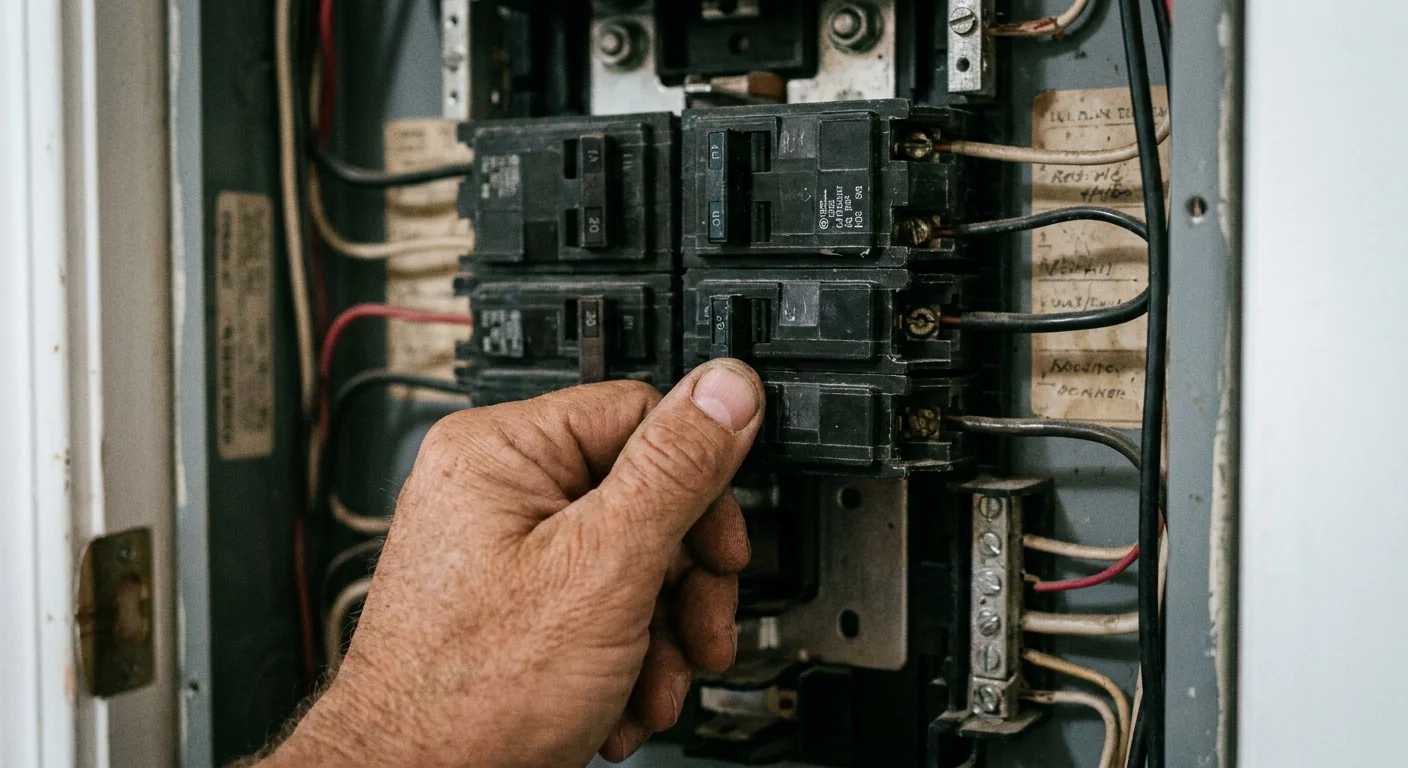
A breaker is a safety switch that stops current when it exceeds a set limit. It prevents wires from overheating and catching fire. When an AC draws more amps than the breaker is rated for, the breaker opens.
AC units have three main electrical loads: the compressor, the fan motor, and the control circuit. Each load draws a specific amount of current. The compressor usually uses the most power, especially at start-up.
When the start-up current is higher than normal, the breaker may see it as an overload. This can happen if the compressor is hard to start or if the fan motor is stuck. The breaker reacts instantly to protect the wiring.
Older breakers can also become worn and trip at lower currents. That is a separate issue that still requires a qualified electrician. In most cases, the AC itself is the source of the problem.
Electrical Problems That Cause Tripping
Several electrical faults can make the breaker trip. The most common are short circuits, bad capacitors, and failing contactors. Each fault creates a path for excess current.
A short circuit occurs when hot and neutral wires touch. The result is a sudden surge of current. The breaker trips almost instantly to stop the flow.
Capacitors store a charge that helps the compressor start. If a capacitor is weak or open, the compressor draws too much current. The same thing happens with a faulty contactor that cannot close properly.
Wiring issues inside the indoor air handler can also cause trouble. Loose connections create resistance and heat, which the breaker interprets as overload.
- Shorted wires or damaged insulation
- Failed start or run capacitor
- Bad contactor or relay
- Loose or corroded connections
Mechanical Issues That Increase Electrical Load
Mechanical problems often show up as electrical symptoms. When the compressor or fan motor has to work harder, it pulls more amps.
A compressor that is low on refrigerant will run longer and harder. The motor’s current draw rises, and the breaker may trip.
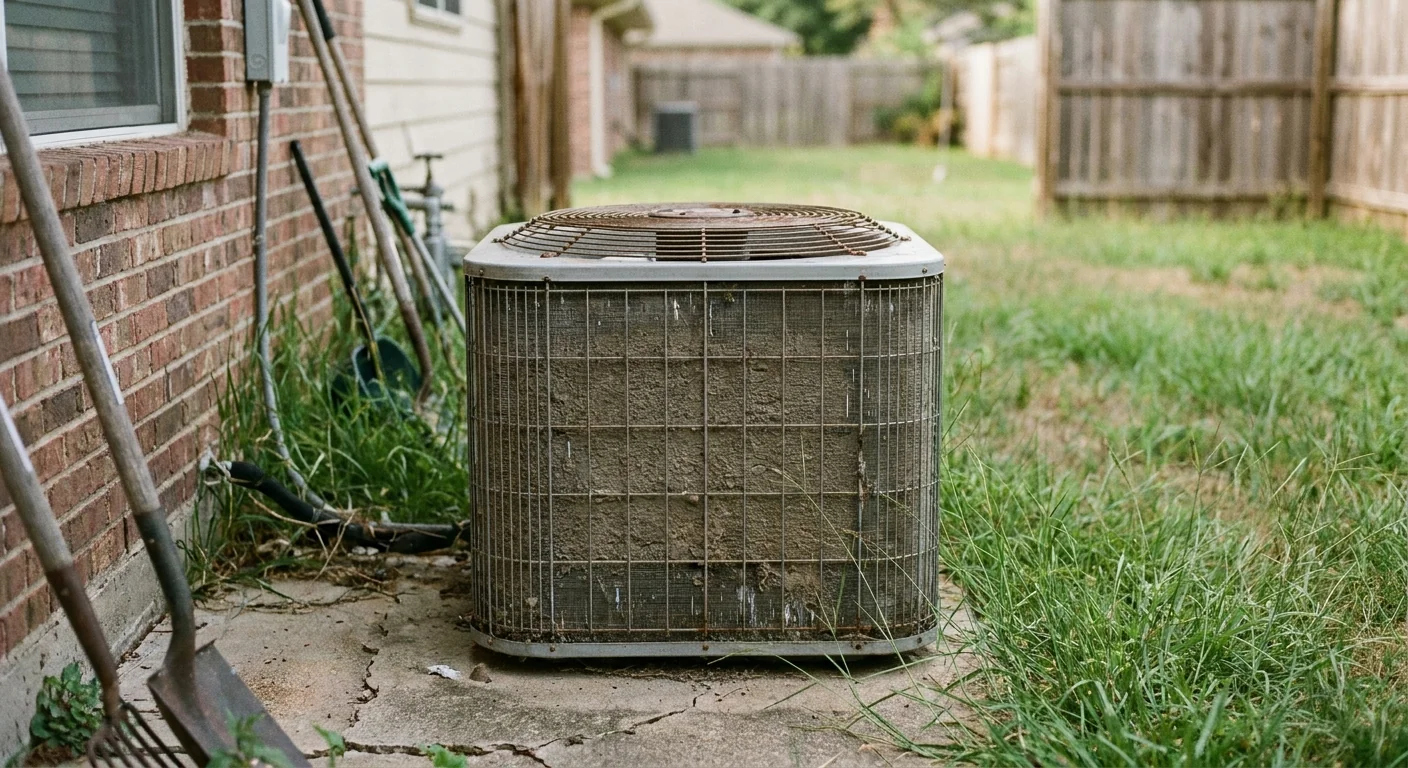
Fans that are clogged with debris spin slower. The motor then draws extra current to maintain airflow. This condition is common after a storm that drops leaves on the condenser.
Hard-starting compressors need a boost from a start capacitor. If the capacitor is weak, the compressor may keep trying to start, pulling high current for several seconds. That repeated surge can trip the breaker.
- Low refrigerant pressure
- Clogged condenser coil
- Worn fan motor bearings
- Failed start capacitor
Basic Checks You Can Do Before Calling a Technician
First, turn off the AC and reset the breaker. If the breaker stays on, the problem may be intermittent.
Next, look at the outdoor unit. Clear any leaves, grass, or debris from around the condenser. Make sure the fan spins freely when you spin the blades by hand.
Check the indoor air filter. A clogged filter forces the blower to work harder, raising current draw. Replace the filter if it looks dirty.
Listen for unusual noises from the outdoor unit. A rattling or grinding sound can indicate a seized motor or compressor problem. Note any humming without the fan turning – that often points to a stuck compressor.
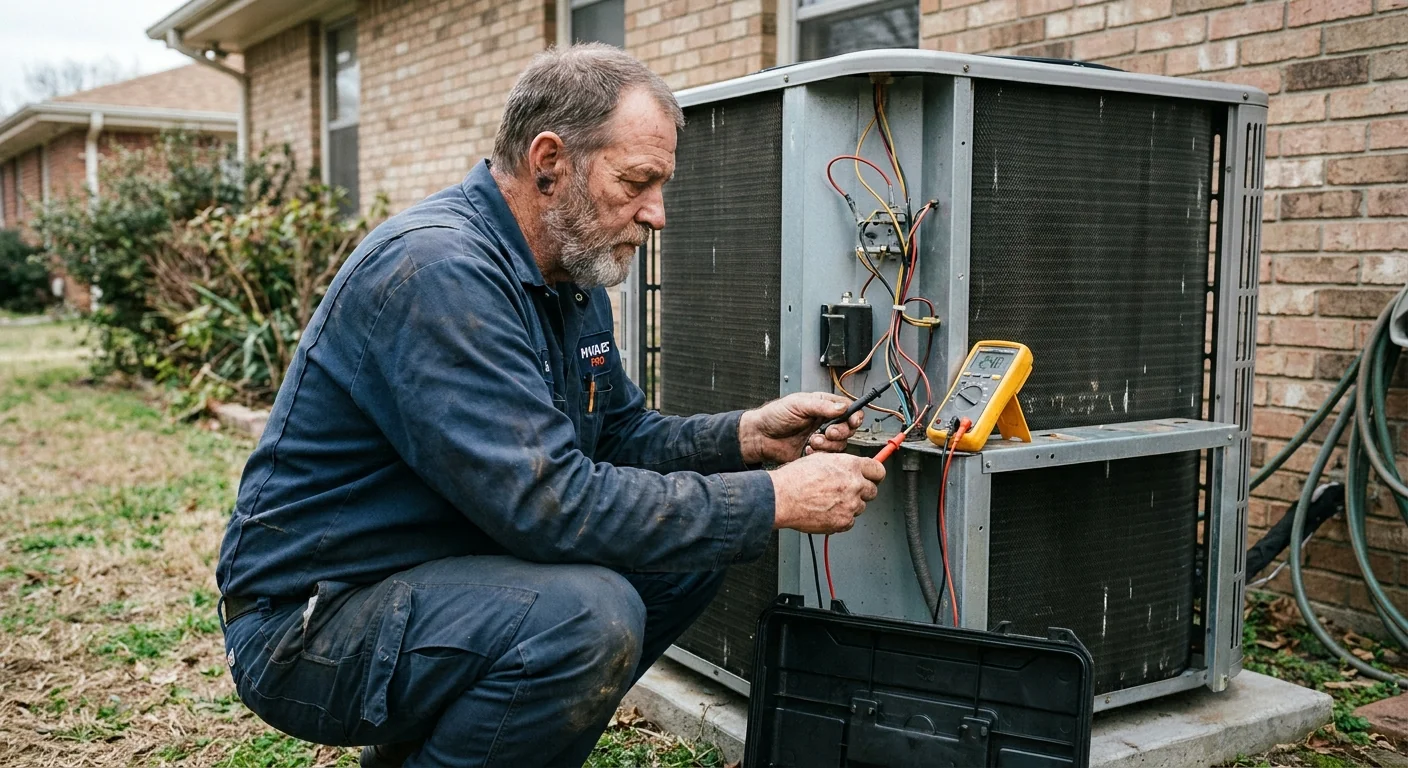
If you feel comfortable, you can measure the voltage at the disconnect box with a multimeter. A reading far below 240 V suggests a wiring issue. Do not attempt to replace capacitors or contactors yourself; those parts are under pressure and can be dangerous.
When to Call a Pro and What the Service Looks Like
If the breaker trips again after you reset it, call a certified and insured HVAC professional. The technician will perform a full diagnostic.
During the diagnostic, the tech checks voltage, amps, and resistance on each component. They also look for refrigerant leaks and verify proper pressure.
Based on the findings, the repair may involve one or more of the following parts. The cost ranges reflect typical installed prices in the Greater New Orleans area.
- Capacitor or contactor replacement: $200-$450
- Fan/blower motor replacement: $450-$1,200
- Compressor replacement: $1,800-$2,900
- Refrigerant leak repair (labor plus refrigerant): $400-$900 plus $125-$225 per pound
- Service call / diagnostic: $90-$150
- Hourly labor after the call: around $200
These figures are estimates. The exact price depends on the model, the extent of the problem, and any additional parts needed.
Tegridy Air can also discuss a maintenance plan. Regular tune-ups keep the system running efficiently and reduce the chance of breaker trips. The plan may include cleaning the coil, checking refrigerant charge, and testing the start circuit.
Preventive Steps and Ongoing Maintenance
Keeping the AC in good shape reduces electrical stress. Schedule a professional tune-up at least once a year, preferably before the summer heat hits.
Replace air filters every 1-3 months, depending on use. A clean filter protects the blower motor and improves airflow.
Consider adding a smart thermostat. It can alert you to unusual run times that may indicate a problem. The thermostat also helps you run the system only when needed, saving energy.
Inspect ductwork for leaks or poor connections. Leaky ducts force the system to work harder, which can increase current draw. Tegridy Air offers duct sealing services in Kenner and Metairie.
Air purification devices, such as UV lights or high-efficiency filters, can improve indoor air quality without adding much load. Choose units that are rated for your system’s capacity.
What to Do Next
If you have tried the basic checks and the breaker still trips, it’s time to schedule a professional visit. A qualified technician will pinpoint the exact cause and replace the faulty part.
Call Tegridy Air or request a free quote online. We are certified and insured, and we serve Kenner, Metairie, and the surrounding South Louisiana area. Our goal is to get your AC running safely and efficiently so you can stay comfortable during the hot months.
Ready to get it handled? Call Tegridy Air at 504-414-8655 or request a free quote online. Honest answers and upfront pricing, no runaround.
Related Reading
- What AC Repair Actually Costs in Kenner – An Honest Breakdown
- Is Your AC Ready for a Louisiana Summer? Here’s What a Tune-Up Actually Includes
- AC Not Turning On? Here’s What to Check Before You Call a Technician
Frequently Asked Questions
Why does my AC trip the breaker only when it’s hot outside?
Heat makes the compressor work harder and draws more current. If the unit is already marginal, the extra load can exceed the breaker’s rating and cause a trip.
Can I replace a capacitor myself?
Capacitors store high voltage and can be dangerous. A certified and insured technician should handle replacement to ensure safety and proper sizing.
How often should I have my AC inspected to avoid breaker trips?
A yearly inspection before the cooling season is recommended. Regular maintenance catches worn parts and electrical issues before they cause trips.
Will a larger breaker solve the problem?
No. Installing a larger breaker on a circuit that draws too much current can create a fire hazard. The underlying issue must be repaired, not bypassed.