
By Scott Gieseler · Published · Updated
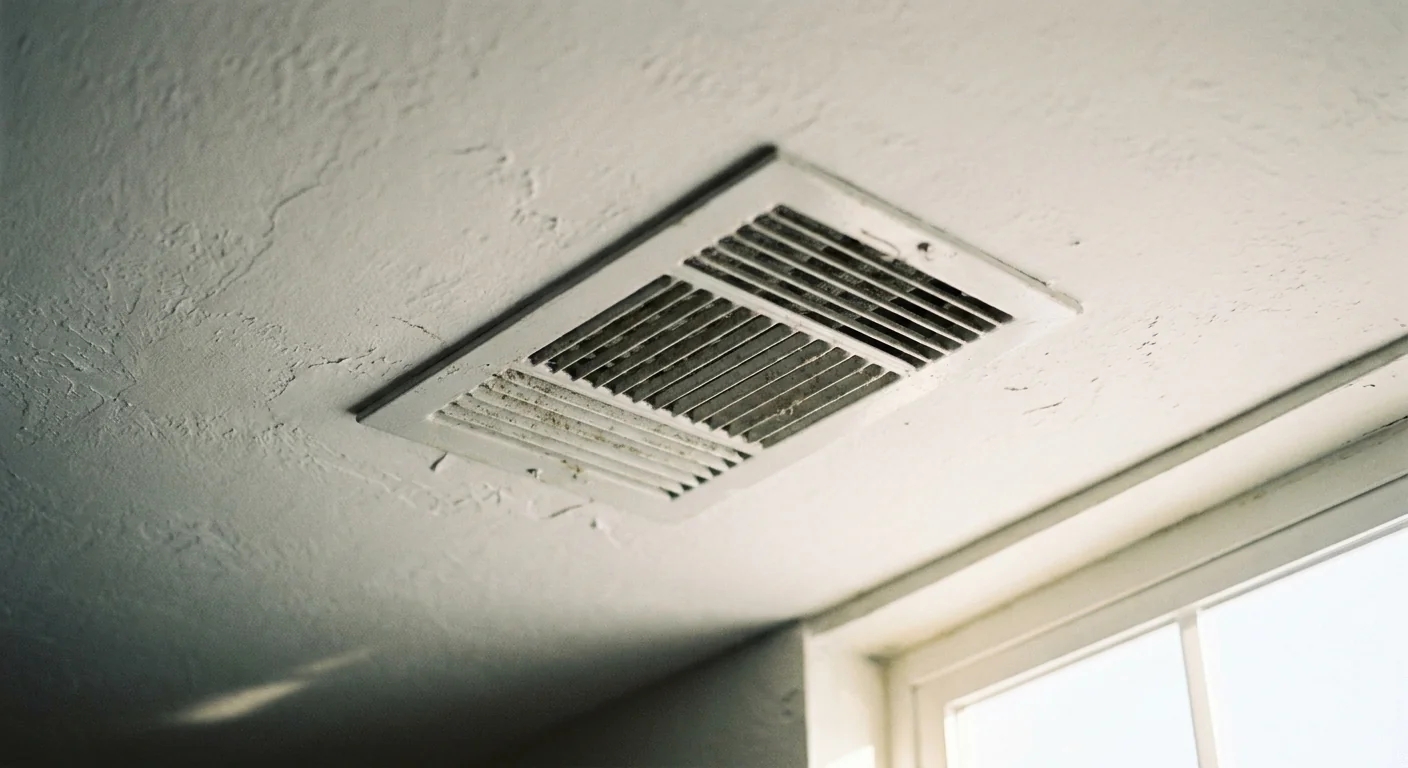
For one hot room, first check the normal thermostat settings and make sure accessible supply and return grilles are not blocked. Airflow, duct problems, sunlight, insulation or zoning can all contribute; one warm room does not by itself mean the AC needs replacement.
Homeowners see the problem when one bedroom or living area stays warm while the rest of the house feels okay. It may be more noticeable on the hottest days, when the AC is working to cool the home. In Kenner and Metairie, heat and humidity can make that hot room especially uncomfortable.
First, do not assume the whole unit is broken. Check accessible vents and the normal thermostat settings. Keep equipment and zone-control panels closed. If the problem persists, ask for an assessment of the room’s cooling needs and the air reaching it.
Check the Thermostat and Zoning Settings
In a single-zone system, one thermostat usually controls cooling for the area it serves; it cannot set a separate temperature for each room. Lowering its setpoint may cool other rooms too much without correcting the hot room’s airflow problem.
In a Greater New Orleans home with one thermostat, its location may not reflect the temperature in the hot room. A compatible remote sensor can change which temperature the system responds to, but it does not create a separate zone or repair a duct problem.
If your home has zoning, check the normal settings on each zone thermostat. A damper or control fault can restrict airflow, but leave opening the zone-control panel, manipulating damper actuators, and electrical diagnosis to a qualified technician.
Inspect Vents and Registers
Closed, blocked, or too small vents often cause uneven cooling. In a bedroom, furniture or a heavy curtain can block airflow without you seeing it.
Check that accessible supply registers in the hot room are open and not blocked by furniture or curtains. Dust around a grille alone does not diagnose a dirty filter or leaking duct. Do not close other rooms’ vents as a substitute for professional balancing.
Register and duct sizing depend on the room’s cooling load, required airflow and the rest of the duct system. There is no universal small-room or big-room diameter. Have those factors checked before enlarging a register or adding a booster fan.
Look at Ductwork and Airflow Balance
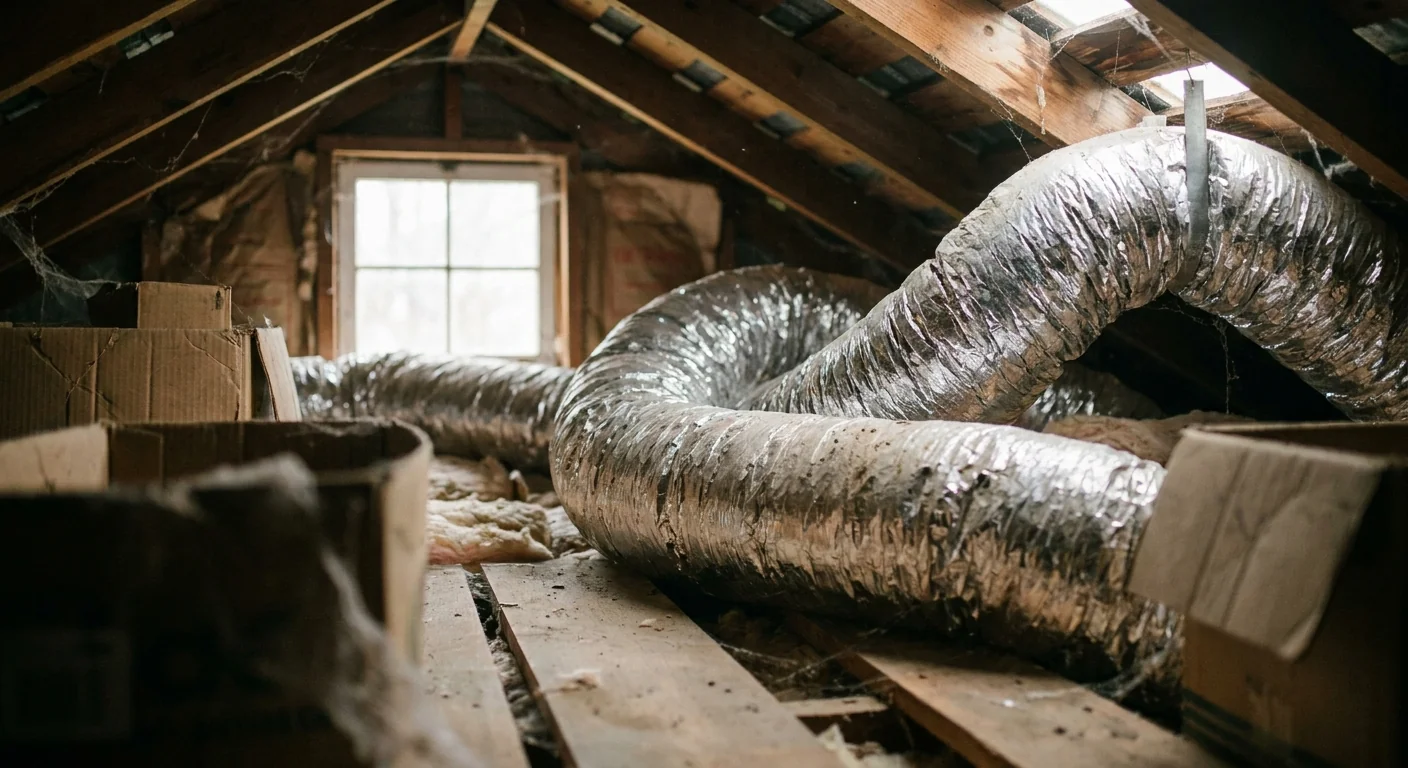
Ducts are hidden highways that bring cool air to each room. Over time, connections can loosen, insulation can wear, and parts can get crushed, especially in attics where changes are extreme.
A leaking, crushed or poorly insulated duct can reduce useful cooling in a room. You can note whether airflow feels weaker than at other vents, but a paper-flutter test does not measure airflow or identify a leak. Leave attic or crawlspace inspections to a professional when access is unsafe.
A professional can measure room airflow and system static pressure, inspect ducts and compare the results with the room’s cooling needs. The findings may point to balancing, duct sealing, insulation or a design change; a booster fan is not a universal fix.
For context, this article’s published AC-component repair ranges are:
- Refrigerant leak repair: $400-$900 plus refrigerant cost
- Fan/blower motor replacement: $450-$1,200
- Capacitor/contactor replacement: $200-$450
- Compressor replacement: $1,800-$2,900
These are equipment-repair ranges, not prices for duct repair. Ask for a separate quote for duct sealing, insulation, balancing or register changes, and confirm current prices and applicable fees before approving work.
Evaluate the Outdoor Unit and Refrigerant Levels
A refrigerant or outdoor-unit problem can reduce overall cooling capacity, but it does not directly explain why airflow is weak at just one room. A technician should assess both system performance and room-by-room air delivery.
Low refrigerant can result from a leak or an earlier charging error. A leak may be in a coil, connection or other part of the circuit, not just the line set. Have the cause diagnosed and use only the refrigerant specified for the equipment.
Another factor is the condition of the condenser coil. Dirt and debris can reduce heat transfer. A professional can inspect it and clean it as the equipment requires; the improvement depends on what is actually wrong.
An oversized system may cool the thermostat’s area quickly and stop before removing enough humidity. Short cycling has other possible causes too. Proper sizing requires a load assessment; humidity or cycling alone does not prove the unit is too large.
When to Call a Professional
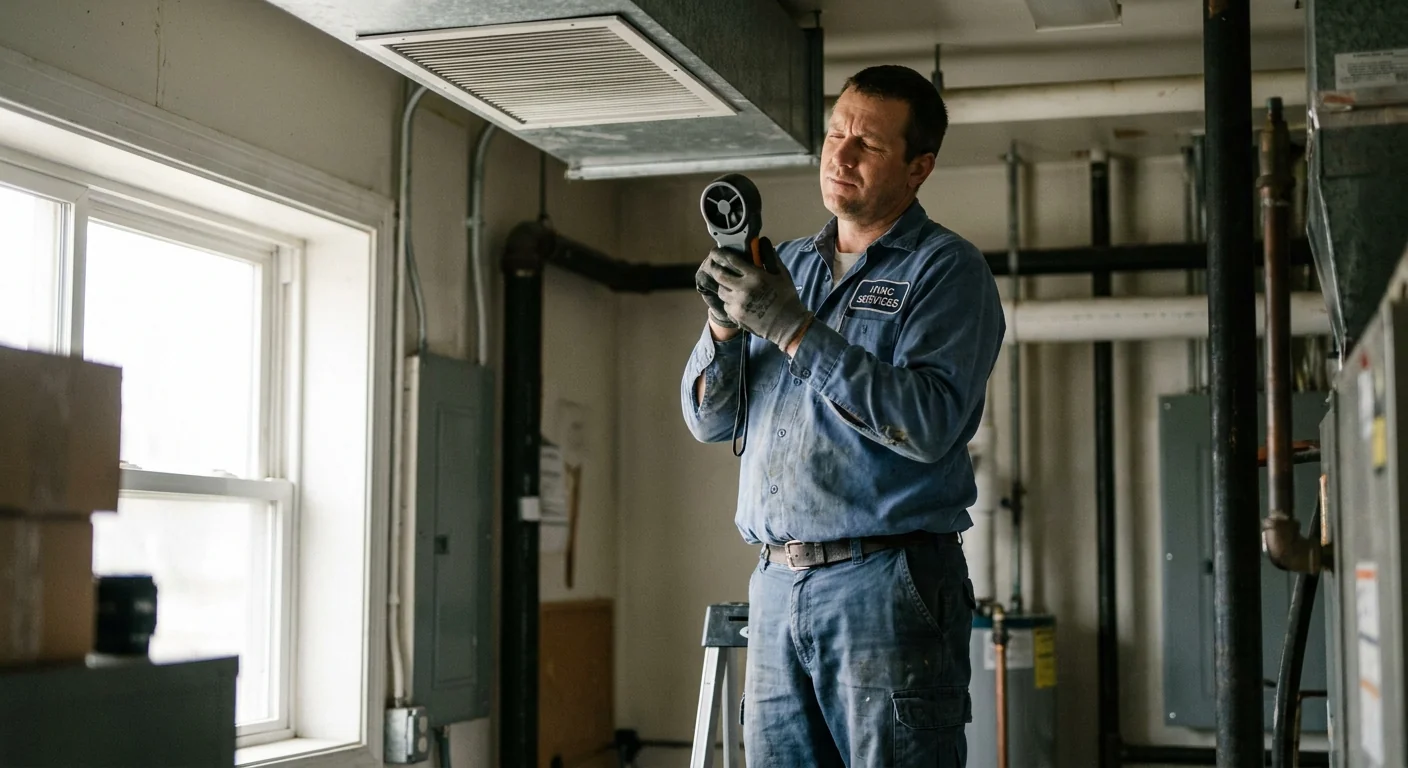
If normal thermostat checks and clearing accessible vents do not help, arrange a professional diagnosis. Leave refrigerant work, compressor service and internal electrical checks to a qualified technician; ask which warranty terms apply to any proposed repair.
Tegridy Air’s published dispatch fee for Greater New Orleans is $109. Repair pricing is quoted after diagnosis and before the repair proceeds.
A technician may recommend compatible zoning controls, duct changes or a different blower or thermostat after assessing the system. A smart thermostat alone does not redistribute airflow or create independently controlled rooms.
The right repair or upgrade may improve comfort. Any energy savings depend on the home, equipment, installation and how the system is used.
Plan regular maintenance before the cooling season and follow the equipment’s schedule. A tune-up can include coil, electrical and refrigerant checks as appropriate. It can find developing problems but cannot guarantee against an emergency repair.
Tips for Homeowners to Reduce Hot Spots
While waiting for a technician, close blinds or curtains on sunny windows to reduce heat gain. A fan may help you feel cooler, but it does not cool the room’s air. If the home becomes too hot, move to an air-conditioned place; do not rely on fans during dangerous indoor heat.
Keep return grilles clear wherever they are located; not every room has its own return. Check a safely accessible filter according to the manual. A blocked return path or dirty filter can restrict airflow.
For summer comfort, use the ceiling fan’s downward-airflow setting, generally counterclockwise when viewed from below; follow its instructions. A fan cools people rather than the room and uses electricity, so switch it off when the room is empty.
If the room lacks an adequate return-air path, closing its door can interfere with circulation. Opening the door may help temporarily; a technician can check whether a return, transfer grille or other properly designed path is needed.
Wrapping It Up
Uneven cooling in a Kenner or Metairie home can come from airflow imbalance, duct problems, thermostat settings or differences in heat gain between rooms.
Start with normal controls, clear accessible grilles and note when the room gets hot. If those checks do not help, have the ducts, return-air path and room cooling needs assessed rather than entering an unsafe attic or changing ductwork yourself.
When the issue is more than a simple fix, a technician can diagnose the cause and recommend an appropriate repair or balancing work. Ask how any proposed upgrade addresses the specific room’s problem.
Want a pro to take a look? Call Tegridy Air at 504-414-8655 or request a free quote online. We serve Kenner, Metairie, and the whole New Orleans metro.
Related Reading
- What AC Repair Actually Costs in Kenner – An Honest Breakdown
- How to Tame Heating & Cooling Costs in Kenner & Metairie
- Heating and cooling services in Kenner: seasonal challenges and fixes
Frequently Asked Questions
Why does one room stay hotter even though the AC is running?
Possible causes include blocked airflow, leaking or poorly insulated ducts, a damper problem, inadequate return airflow, or extra heat from sunlight and insulation gaps. A room-by-room assessment can distinguish these from a system-wide cooling problem.
Can I fix a hot room by just opening the vent wider?
Opening the vent can help if it was partially closed, but if the underlying issue is a duct leak, an undersized register, or a zoning problem, the vent alone won’t solve it.
How often should I have my HVAC system inspected to prevent uneven cooling?
A yearly inspection before the cooling season is recommended. It allows a technician to check airflow, clean coils, and verify refrigerant levels, catching problems early.
What is a zoning system and does it help with hot rooms?
Zoning uses separate controls and dampers, or separately controlled equipment, to serve different areas. It may help with hot rooms when the equipment and duct design support it. A smart thermostat by itself does not add zoning.
Technical references: DOE/PNNL: Compact Air Distribution; Google: Nest Temperature Sensor setup; DOE/PNNL: Transfer Grilles; DOE: Energy Saver Guide. Follow the instructions for your own equipment. These references do not verify local prices or service terms.