

The R-410A phase-out will likely raise your AC repair bill because the new refrigerant and service costs are higher.
If your home in Kenner or Metairie needs an AC repair this summer, you may have heard talk about R-410A disappearing from the market. That news can feel confusing, especially when you’re already watching an Entergy bill climb. The short answer is that the change will affect the price of the refrigerant, the labor needed to handle it, and sometimes the parts you need to replace.
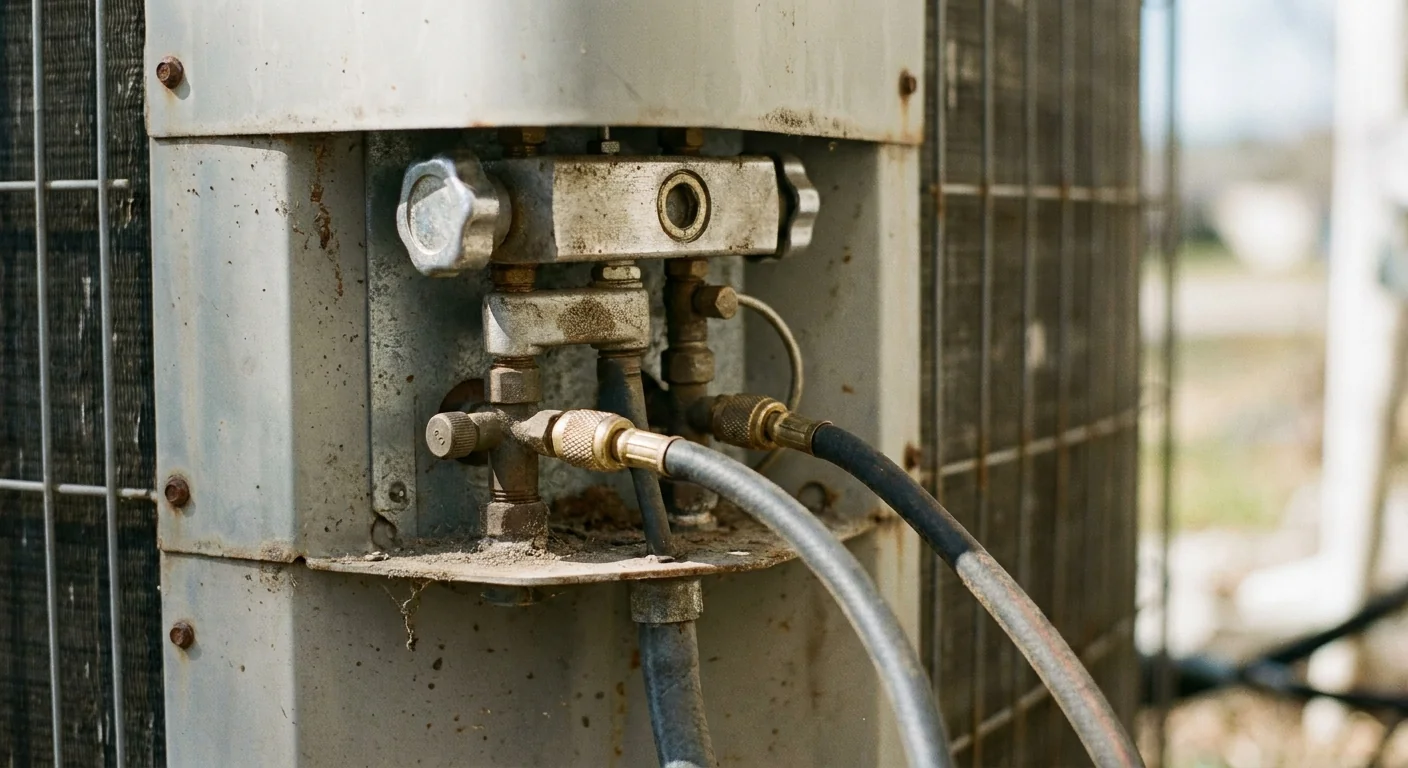
Most homeowners notice a problem when the unit stops cooling or runs longer than usual. A common cause is a refrigerant leak. When a leak is found, the technician must recover the old refrigerant, fix the leak, and then recharge the system with the approved replacement. The type of refrigerant used now matters for both performance and cost.
Why R-410A Is Being Phased Out
R-410A has been the standard for residential air conditioners for about two decades. It works well, but it also has a high global warming potential (GWP). Regulators are moving to lower-GWP refrigerants to meet climate goals.
The phase-out schedule spreads over several years, giving manufacturers time to adapt. New units built after the cutoff will use R-454B or other approved blends. Older units can still run on R-410A, but the supply will shrink and the price will rise.
For a homeowner, the practical impact is that the refrigerant you need for a repair will cost more. The change also means technicians need equipment that can handle the newer refrigerant safely.
What Refrigerant Replacement Means for Your System
When a leak is repaired, the technician can either refill the system with the remaining R-410A (if enough is left) or switch to the new R-454B. Switching is allowed under most manufacturer guidelines, but it does require a proper flush of the old refrigerant.
R-454B has a lower GWP and similar cooling performance. It is slightly more expensive per pound, which is reflected in the price range we list later. The good news is that most modern compressors and coils can handle R-454B without modification.
If your unit is older than ten years, you may run into compatibility issues. Some older compressors were not designed for the higher pressures of R-454B. In those cases, a component replacement may be needed, adding to the overall cost.
How Repair Costs Change
The biggest new cost driver is the refrigerant itself. In the New Orleans metro, refrigerant now runs $125-$225 per pound. The newer R-454B sits at the high end of that range because it is in higher demand and less stocked.
Labor rates have not jumped dramatically, but the extra steps required for recovery, flushing, and recharging add time. A typical service call and diagnostic runs $90-$150, and hourly labor is about $200. Those numbers appear once in this article.
Other common repairs have their own price ranges. Replacing a fan or blower motor costs $450-$1,200, depending on the motor type. A compressor swap runs $1,800-$2,900. Capacitor or contactor work is $200-$450. Fixing a refrigerant leak, not counting the refrigerant, is $400-$900.
If you need a brand-new central AC system, installed, expect $5,500-$11,000. That figure includes the newer refrigerant charge, so it already reflects the phase-out impact.
What to Look for in a Repair Technician
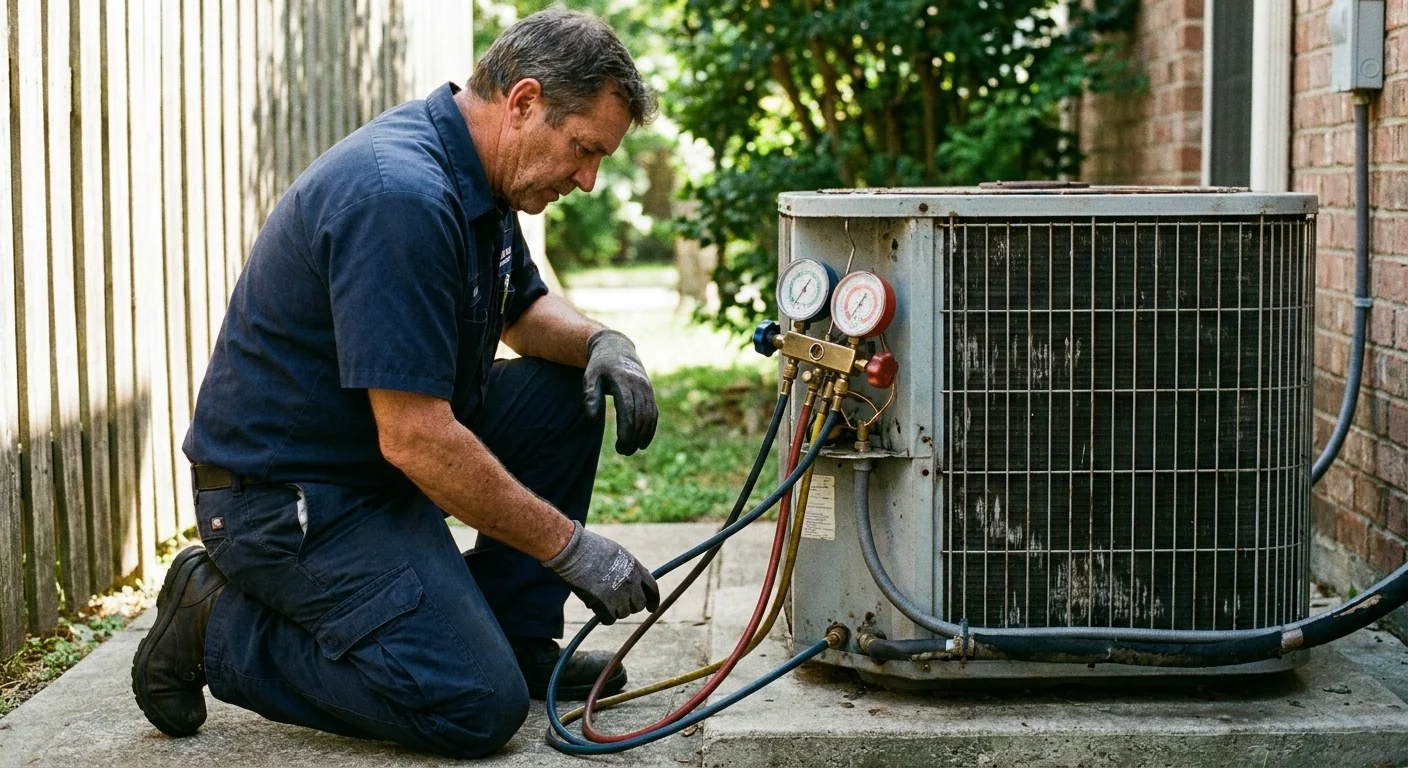
When you call a contractor, ask if they are certified and insured to work with R-454B. That tells you they have the right tools and training. A reputable tech will also explain why a particular repair is needed.
Look for clear communication. The technician should tell you how much refrigerant will be needed, what parts might be replaced, and how long the job will take. They should give you a written estimate before starting work.
Ask about maintenance plans. Regular tune-ups can catch small leaks before they become big problems. A plan that includes filter changes, coil cleaning, and system checks can keep your AC running efficiently and may reduce future repair costs.
- Check for proper EPA recovery equipment.
- Confirm they follow manufacturer guidelines for refrigerant swaps.
- Make sure they provide a warranty on labor and parts.
Steps Homeowners Can Take to Manage Costs
Start with a simple visual check. Look for oily residue around the outdoor unit, which often signals a leak. Tighten any loose bolts you can reach, but don’t open the refrigerant lines yourself.
Keep your thermostat set a few degrees higher when you’re not home. That reduces run time and gives the system a break while you arrange for a repair. Pair this with a programmable or smart thermostat for better control.
Schedule a professional diagnostic early in the season. Catching a leak before the heat spikes can save money because the system won’t run as hard. The diagnostic fee is a small investment compared with a full-system replacement later.
Consider bundling services. If you need a duct repair or air purification upgrade, ask the same contractor for a combined quote. They can often coordinate the work to reduce travel time and labor overlap.
Long-Term Options: Upgrading or Retrofitting
If your AC unit is more than 12 years old, the cost of multiple repairs can add up. At that point, a full replacement with a unit designed for R-454B may be more economical.
Newer units have higher SEER ratings, which means lower electricity use. In a city with hot, humid summers, that can translate to noticeable savings on your monthly Entergy bill.
Retrofitting an older unit is possible, but it often involves swapping the compressor and sometimes the coil. Those parts are priced at the same ranges listed earlier, so a retrofit can approach the cost of a new system.
Talk to us about a maintenance plan that includes seasonal tune-ups, smart thermostat programming, and optional air purification. Keeping the system clean and well-maintained helps it run at peak efficiency, regardless of the refrigerant.
The Bottom Line
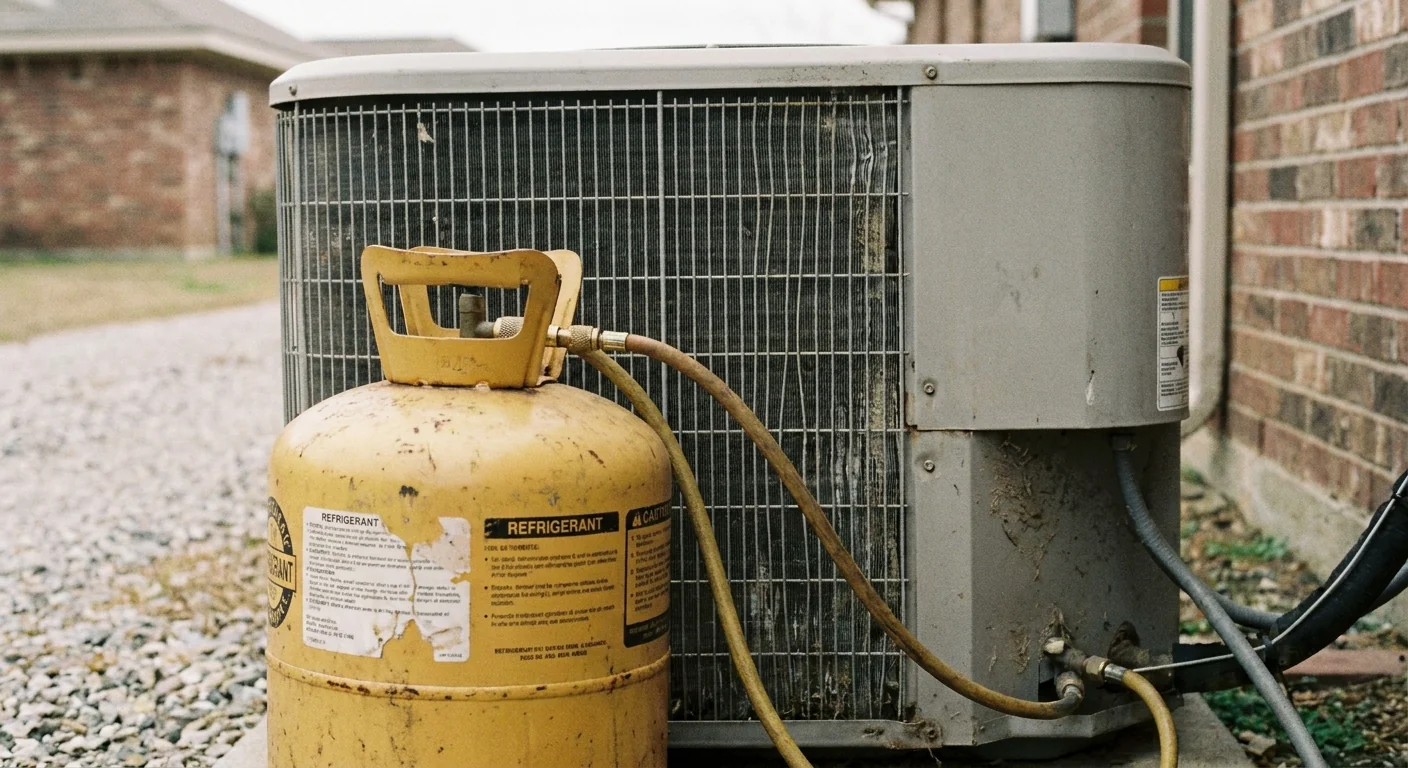
The phase-out of R-410A means the refrigerant you need for a repair will cost more, and some repairs may require new parts that are priced higher. Expect to see higher line-item costs on your next bill, especially if a leak or component swap is involved.
Working with a local, certified and insured team like Tegridy Air ensures you get the right refrigerant, proper handling, and a clear estimate. Regular maintenance and early diagnostics can keep those costs from spiraling.
When you’re ready to schedule a diagnostic, a tune-up, or a free quote, give us a call or request a quote online. We serve Kenner, Metairie, and the surrounding South Louisiana area.
Need honest HVAC help in Kenner, Metairie, or anywhere across the Greater New Orleans area? Call Tegridy Air at 504-414-8655 or request a free quote online – we’ll get you comfortable fast.
Related Reading
- Repair or Replace Your AC? An Honest Cost Breakdown for New Orleans Homeowners
- Repair or Replace Your AC? Honest Cost Breakdown for New Orleans Homeowners
- Honest Ways to Lower Your Entergy Bill Without Sweating Through Summer
Frequently Asked Questions
Will my existing AC unit work with R-454B refrigerant?
Most units built in the last decade can run on R-454B without modification. Older units may need a compressor or coil replacement. Ask your technician to check compatibility before any refrigerant swap.
How can I tell if my AC has a refrigerant leak?
Look for oily spots around the outdoor condenser, reduced cooling performance, or higher electricity use. A professional can perform a pressure test and locate the leak accurately.
Does the R-410A phase-out affect my warranty?
Manufacturers typically allow a refrigerant change if the system is serviced by a certified and insured professional. The warranty terms vary, so confirm with the installer before any work.
Are there any incentives for switching to a newer refrigerant?
Incentives vary by utility and region. Check with your local utility provider or ask your technician if any current programs apply to your home.
How often should I schedule AC maintenance in the Greater New Orleans area?
A yearly tune-up before the summer heat is recommended. Regular maintenance helps catch small issues early and keeps the system running efficiently.