
Ductless heating and cooling systems, often called mini split systems, have become a popular option for homeowners who want steady comfort without installing or repairing traditional ductwork. While central HVAC systems have long been standard, many families are now exploring ductless heat and cool setups to enjoy better control over their indoor air.
This guide explains the pros and cons of ductless setups and how a ductless system compares to traditional HVAC system options.
What Is Ductless Heating and Cooling?
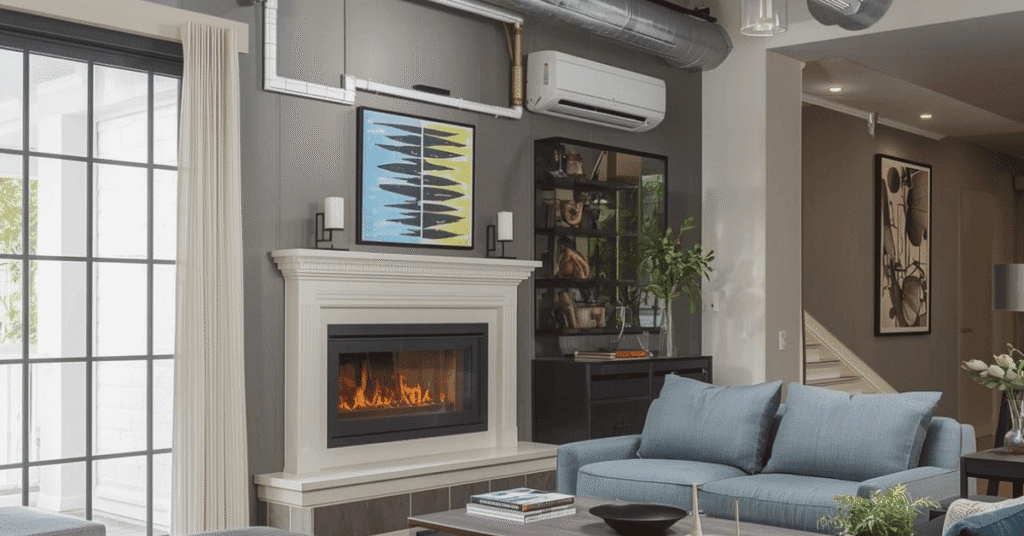
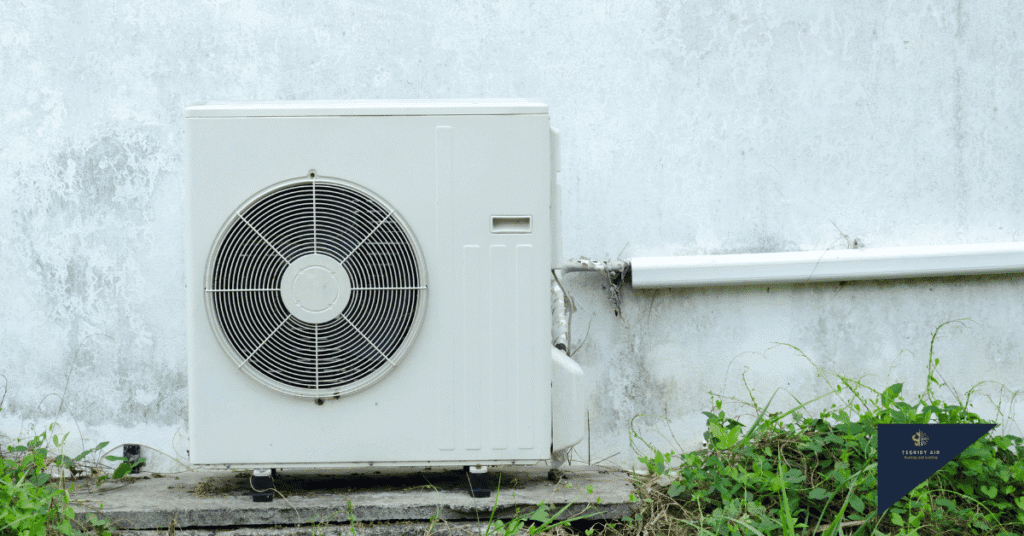
A ductless mini split system works by pairing an outdoor unit with one or more indoor units. Unlike central air conditioning, it does not rely on ducts to move air throughout your home.
Each indoor unit manages temperature in a specific zone, allowing you to cool or heat rooms individually.
A ductless system includes:
- Outdoor unit connected to the indoor unit
- Indoor air handler
- Refrigerant lines
- Remote or digital controller
The split system setup is simpler and lighter than traditional HVAC system designs, making it popular for older homes and places that need targeted heating or cooling system support.
Why Homeowners Are Choosing Ductless Systems
Homes with poor air distribution especially benefit from a ductless mini-split since it works without ducts and focuses on room-by-room comfort. It also offers faster installation, ideal for areas that need additional air conditioning or supplemental heating.
Ductless heating and cooling systems are helpful for:
- Historic homes
- Sunrooms
- Garages or workshops
- Add-on spaces
When your space needs heating or cool air in specific rooms, a mini split system may be more practical than full central air conditioning.
Pros of Ductless Heating and Cooling
Easy Installation
A ductless HVAC system uses small refrigerant lines connecting indoor and outdoor units, allowing faster installation and easier repair. Home disruption is minimal because systems require no ducts and only small openings.
Cleaning is easy and helps keep your system running smoothly.
Better Energy Efficiency
Traditional ducted systems often lose heating or cold air through leaks. Because ductless heat and cool units send air directly from the outdoor unit to the indoor unit, they reduce waste and help improve energy savings.
This makes ductless air conditioning a strong choice for homes looking to cut heating and cooling costs.
Flexible Temperature Control
With mini split systems, you can heat or cool individual rooms. Family members who prefer different temperatures can adjust the indoor unit in their rooms.
Zoned control helps the cooling system and heat pump work efficiently and extend the life of the system.
Improved Indoor Air Quality
Without ducts, dust and debris have fewer places to settle. Air filters inside each indoor unit help improve indoor air and overall air quality.
This setup is helpful in humid spaces where indoor air must stay clean and cool.
Quiet Operation
Most noise comes from the outdoor unit, while the indoor air handler moves cool air quietly. Bedrooms, offices, and nurseries benefit from quiet operation compared to forced air systems.
Cons of Ductless Heating and Cooling
Higher Upfront Cost
One disadvantage is cost. A ductless AC unit costs more upfront than a window AC unit or basic central air system installation. Still, long-term energy efficiency often offsets this.
Visible Indoor Units
A drawback of ductless is visible wall-mounted indoor units. Though slim, some homeowners prefer the hidden look of traditional HVAC systems. Ceiling cassettes can help.
Filter Cleaning Needed
Systems require regular filter cleaning to keep the air conditioning system performing well. Neglecting cleaning can lead to reduced cooling system performance and repair needs.
Limited Capacity
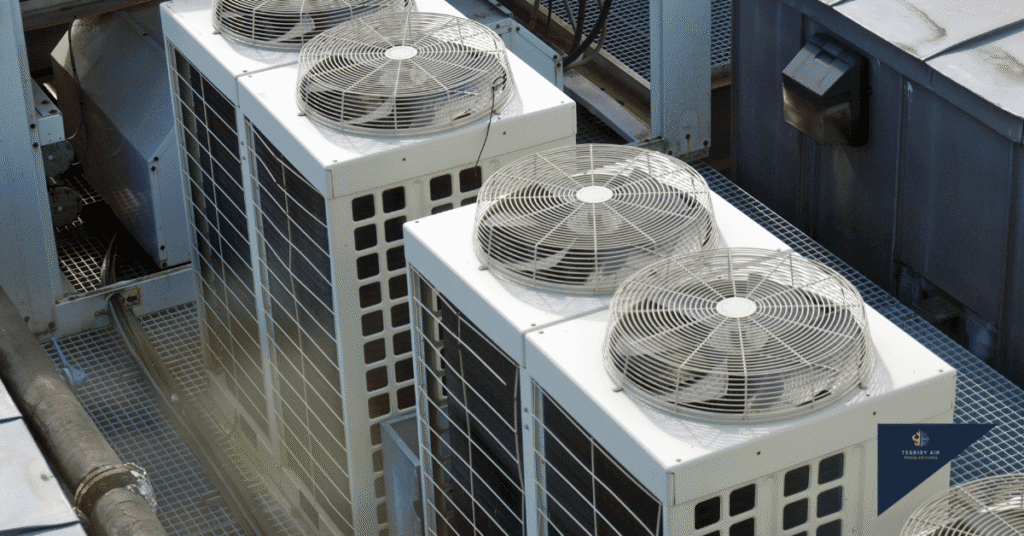
A single outdoor unit only supports a limited number of indoor units. Large homes may need multiple mini split air setups. Systems may become expensive if several indoor units are required.
Requires Skilled Installation
Correct installation is important so the system operates efficiently. The pump and refrigerant lines must be properly placed to heat and cool your home evenly. Find trained HVAC technicians for installation or repair.
Ductless vs. Central HVAC: Which One is Better?
Choosing between a ductless HVAC system and central air conditioning depends on comfort needs and budget.
Compare both options:
- Energy efficiency
- Installation timeline
- Heating and cooling costs
- Aesthetics
- Room-by-room control
Homes with working ducts benefit from central air. Homes needing fast, targeted heating and cooling benefit from ductless heat pump systems.
Who Should Consider Ductless HVAC?
Consider a ductless AC system if you live in:
- Older homes without ductwork
- Properties with uneven indoor air
- Rooms used occasionally
- Converted areas like garages
These systems offer a variety of features that keep rooms cool without full forced air installation.
Cost Breakdown
Cost depends on the number of indoor units, installation complexity, mini split system size, and features.
Typical cost factors:
- Equipment
- Installation labor
- Electrical work
- Maintenance or repair
Although ductless heat pumps cost more upfront, they can reduce energy usage compared to central air.
How Long Do Ductless Systems Last?
A ductless mini split typically lasts 12 to 20 years. High humidity regions require routine cleaning and repair.
Ways to extend the life of the system:
- Regular cleaning
- Air filter maintenance
- Keep outdoor units free of debris
Good installation and cleaning keep your mini split AC working longer.
Final Thoughts
A ductless mini-split system is an efficient heating and air conditioning solution without needing traditional ducted systems. These systems provide heating, cool air, zone control, flexible installation, improved indoor air quality, and energy efficiency.
Still, the cons of ductless include higher upfront cost, visible units, and regular cleaning. Weighing the advantages and disadvantages of these systems helps determine whether they are right for your home.