
A properly selected heat pump can handle both heating and cooling in a Kenner home. A furnace may make sense when existing equipment, gas service, or local energy costs favor it. Compare complete installation quotes, the home’s heating needs, and expected operating costs rather than choosing from equipment type alone.
Use the comparison below to discuss sizing, cooling needs, and any supplemental heat with your HVAC contractor.
What is a Heat Pump?
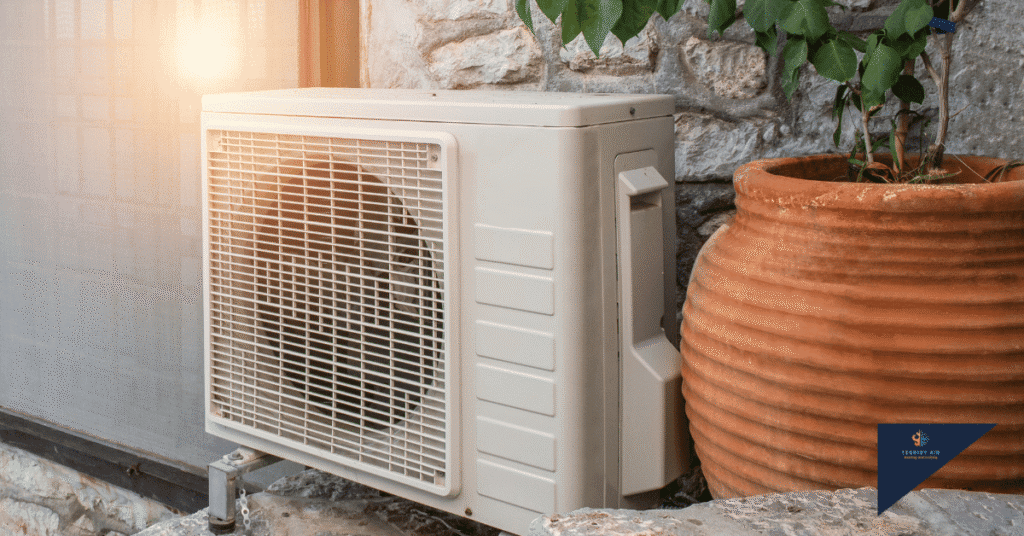
A heat pump is a versatile heating and cooling unit that handles both heat and air conditioning. Unlike a furnace, it doesn’t generate heat by burning fuel or relying only on electric heat. Instead, it transfers heat rather than generating it.
- In winter, a heat pump extracts heat from the outside air and brings it indoors to keep your home warm and comfortable.
- In summer, it reverses the cycle, pulling heat from inside and pushing it outdoors to cool your home.
This year-round performance makes air source heat pumps and even ground-source heat pumps attractive options in Louisiana’s mild climate. Because heat pumps can provide heating and cooling throughout the year, follow the manufacturer’s care schedule and arrange professional maintenance to support performance.
What is a Furnace?
A furnace works on a different principle. Instead of transferring heat, it generates heat by burning fuel or through electric furnaces that use heating coils. A gas furnace runs on natural gas or propane, distributing consistent heat throughout your home via ducts.
- A furnace can supply heat in cold weather when properly sized and operating correctly. Cold-climate heat pumps are also designed for low outdoor temperatures; compare the actual equipment’s capacity and any backup-heat needs.
- A properly maintained furnace installation can last 15–20 years, with professional cleaning, seasonal inspections, and timely repair services extending its life.
While Louisiana doesn’t experience harsh winters like the northern states, many homeowners still choose furnaces for their reliability and familiarity.
Key Differences Between Heat Pumps and Furnaces
Energy Efficiency
- Heat pumps transfer heat and can use less energy than electric resistance heating, especially in moderate climates. Their effect on emissions depends on the equipment being replaced and the electricity supply.
- Gas furnaces generate heat by burning fuel; electric furnaces use resistance heating elements. Heat pumps generally use less electricity than electric resistance heating, while operating-cost comparisons with gas depend on equipment efficiency and local energy rates.
Installation and Upfront Costs
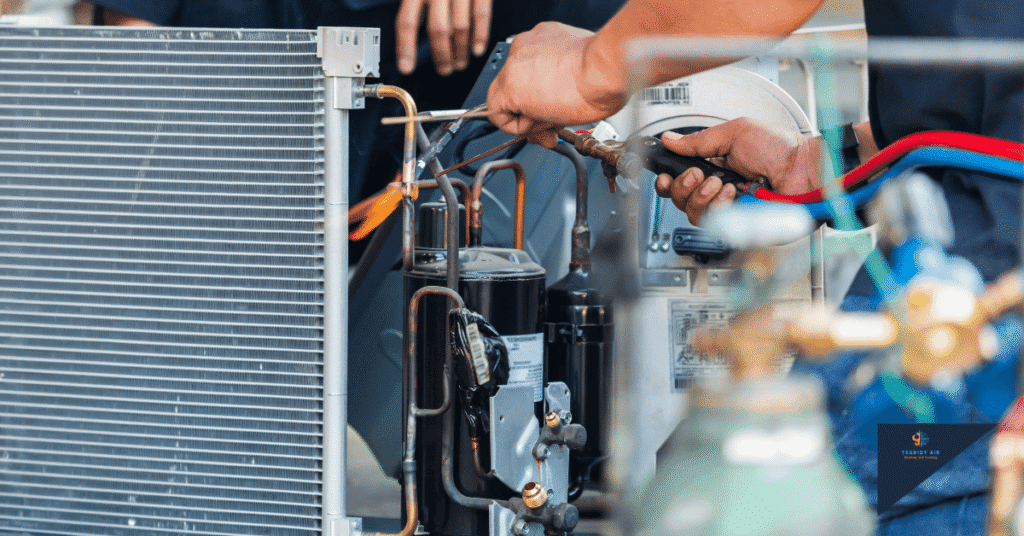
- A heat pump may cost more to install than a furnace alone, but it also provides cooling. Compare a complete heat-pump installation with a furnace-plus-AC installation, including any electrical or ductwork changes.
- A furnace alone may have a lower upfront cost, but it requires a separate air conditioner to handle cooling; the total depends on the equipment and existing home infrastructure.
Operating Costs in Kenner
- Heat pumps can run efficiently in Louisiana’s mild winters. Whether they cost less than a gas furnace depends on local electricity and gas rates, equipment efficiency, and any supplemental heat use.
- Gas furnaces or electric furnaces may cost more to run when their respective gas or electricity rates increase.
Lifespan and Maintenance
- Heat pump systems last around 12–15 years. Since they provide both heating and cooling, they require year-round cleaning, servicing, and occasional repair.
- A furnace generally lasts 15–20 years, running only during cooler months, which reduces wear.
Climate Factor: Why Kenner Winters Matter
Kenner’s generally mild winters make heat pumps worth considering. The mild climate can support efficient heat-pump operation, but performance also depends on sizing, installation, maintenance, and the outdoor temperature. Ask how the proposed equipment will meet your home’s heating load during cold weather, including whether supplemental heat is needed.
Pros and Cons of Each Heating Solution
Heat Pump Advantages
- Handles both heating and cooling system functions.
- Can use less energy than electric resistance heating, particularly in mild conditions.
- Heat pumps can reduce energy use and emissions, depending on the equipment being replaced and the electricity supply.
- Also serves as an air conditioner, avoiding the need for a separate cooling system.
Heat Pump Drawbacks
- May cost more than a furnace alone; compare complete heating-and-cooling installation quotes.
- Heating capacity and efficiency vary with outdoor temperature and model; cold-climate equipment extends low-temperature performance.
- May require supplemental heating during rare extreme cold nights.
Furnace Advantages
- Can provide reliable heat when properly sized, installed, and maintained.
- Long lifespan with professional maintenance, cleaning, and repair.
- May cost less than a heat pump when comparing heating equipment alone.
- Familiar, trusted technology.
Furnace Drawbacks
- Requires a separate cooling unit for summer.
- Electric resistance furnaces generally use more electricity for heating than heat pumps; gas-system costs depend on efficiency and local rates.
- Gas models require proper combustion, venting, and maintenance; have working carbon monoxide alarms and follow their instructions.
Comparison Table: Heat Pump vs Furnace
| Feature | Heat Pump | Furnace |
|---|---|---|
| Heating Method | Transfers heat from outdoor air | Burns fuel or uses electric resistance elements |
| Cooling Function | Yes, doubles as air conditioning | No, needs separate AC |
| Climate fit | Match the model to local heating and cooling needs | Match capacity and fuel choice to the home and local conditions |
| Upfront Cost | Includes heating and cooling; installation-dependent | Heating only; add separate AC cost |
| Operating Costs | Depends on efficiency, electricity rates, and backup heat | Depends on efficiency and gas or electricity rates |
| Approximate planning lifespan | 12–15 years; condition and use vary | 15–20 years; condition and use vary |
| Maintenance | Year-round cleaning & repair | Mostly seasonal |
Which One is Best for Kenner Homes?
Choosing between a heat pump and a furnace depends on comfort, energy priorities, and climate. In Louisiana’s moderate winters, a properly selected heat pump can be an efficient year-round option. Compare installation quotes and expected operating costs for your home before choosing.
Still, a furnace or heat pump decision depends on factors like:
- Homes already set up with natural gas lines.
- Families who prefer the warmth of gas furnaces.
- Homeowners who want a backup heat source for rare freezes.
When in doubt, talk to professionals who can recommend the best heating solution for your home.
How Tegridy Air Can Help
At Tegridy Air, we help each homeowner choose the best heating system for Louisiana’s climate. Our services include:
- Free consultations to assess your heating needs.
- Professional installation for both heat pumps and furnaces.
- Preventive cleaning and seasonal repair services.
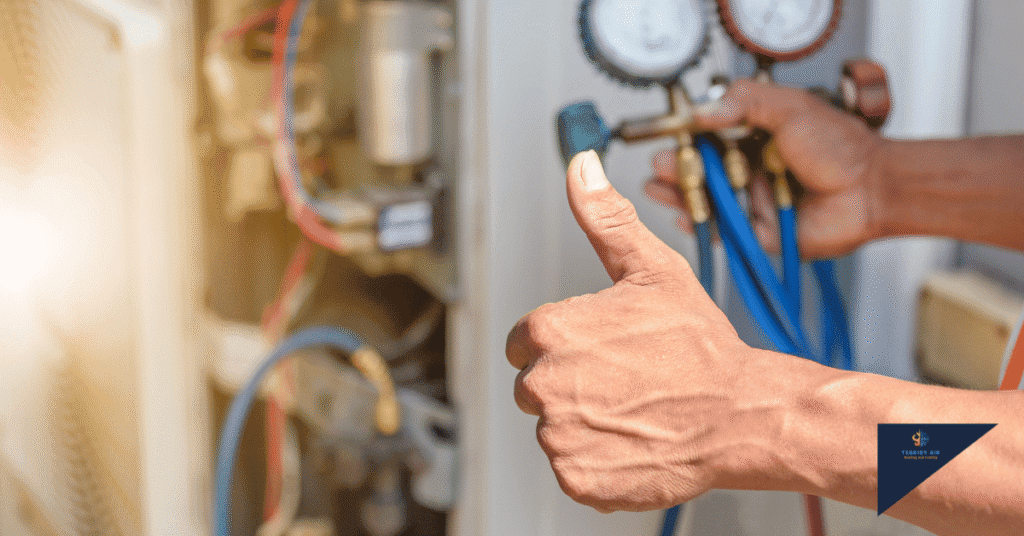
- Maintenance to help identify developing problems and support reliable operation.
With us, your home stays warm and comfortable, whether you choose a heat pump or furnace.
Conclusion
For Kenner homeowners, the decision between a furnace or heat pump depends on climate, costs, and comfort. Heat pumps and gas furnaces both offer pros and cons. A well-sized heat pump can be an efficient choice in Louisiana’s mild climate; compare the actual models and local energy rates before deciding. A furnace may suit a home’s existing gas service, local energy rates, or heating needs.
Choosing the right heating system is crucial for staying warm and saving on operating costs. With proper installation, repair, and cleaning, either system can keep your family comfortable.