Most homeowners rely on their HVAC system every day without realizing how much heating and cooling affect their indoor comfort until something goes wrong. From unusual noises to rising energy bills, questions about HVAC often pop up at the worst possible times. That’s why having the right information matters.
At Tegridy Air in Kenner, we’ve gathered the most common HVAC questions homeowners ask and provided straightforward answers to help you keep your system working smoothly year-round.
What Does HVAC Stand For?
HVAC stands for Heating, Ventilation, and Air Conditioning. Each part plays a role in your home’s comfort:
- Heating: Keeps your home warm during colder months.
- Ventilation: Exchanges indoor and outdoor air to help dilute indoor pollutants. Filtration is a separate part of air cleaning.
- Air Conditioning: Provides cool air and removes humidity from your home.
Heating, cooling, ventilation and filtration work together to support comfort and indoor air quality. Their results depend on system design, maintenance and pollution sources in the home.
How Often Should I Service My HVAC System?
Follow your equipment’s maintenance schedule. ENERGY STAR recommends annual pre-season checkups, with cooling equipment checked in spring and heating equipment in fall. Regular maintenance can help:
- Catch problems before they become larger repairs
- Lower your energy bill through better energy efficiency
- Extend the lifespan of your HVAC system
Skipping tune-ups often means small issues like a dirty air filter or clogged coil can become costly repairs later.
How Long Do HVAC Systems Last?
HVAC equipment has no fixed expiration date. Type, installation, usage, maintenance and operating conditions affect its life. ENERGY STAR suggests evaluating an AC or heat pump over 10 years old, or a furnace or boiler over 15, especially when repairs, bills or comfort problems are increasing. Those ages are review points, not automatic replacement deadlines.
When Should I Replace My HVAC Filter?
Air filters capture particles and help protect HVAC equipment. Check the correct filter size and rating in your manual. For most households:
- Follow the filter and equipment instructions; many disposable filters need replacement every 1–3 months
- Inspect monthly, and more often during heavy use or dusty conditions
- Replace a dirty disposable filter or clean a reusable one as directed; restricted airflow can reduce efficiency
Changing air filters regularly helps maintain your HVAC system and improve indoor air quality.
Why Is My Energy Bill So High?
A higher energy bill can reflect hotter or colder weather, changed usage or electricity rates. Compare energy use as well as the total charge. If the system is using more energy under similar conditions, possible HVAC causes include:
- A clogged or dirty air filter
- Leaky ductwork or damaged air ducts
- Low refrigerant levels
- Oversized or aging air conditioning units
Have persistent performance problems diagnosed before deciding on repairs. Correcting the cause can improve efficiency, but a higher bill by itself does not identify which part needs work.
How Do I Know If My HVAC System Needs Repair or Replacement?
You may need an HVAC technician if you notice:
- Frequent breakdowns or costly repairs
- Uneven heating and cooling in different rooms
- Unusual noises or warm air blowing from the air conditioner
- An older system with declining performance or increasing repair needs
Compare a written repair estimate with replacement options, remaining warranty, equipment condition and expected operating costs. A repair costing half of a new system may justify a closer comparison, but there is no single percentage that makes replacement the right choice for every home.
What Size HVAC System Do I Need for My Home?
Choosing the correct size HVAC system is key for optimal performance. A professional load calculation considers:
- Your home’s square footage
- Windows, insulation, and ductwork
- Local climate conditions
An oversized AC can reach the setpoint before removing enough moisture; an undersized system may struggle during peak conditions. Ask an HVAC specialist for a professional load calculation rather than choosing equipment from square footage alone.
Why Is My AC Blowing Warm Air?
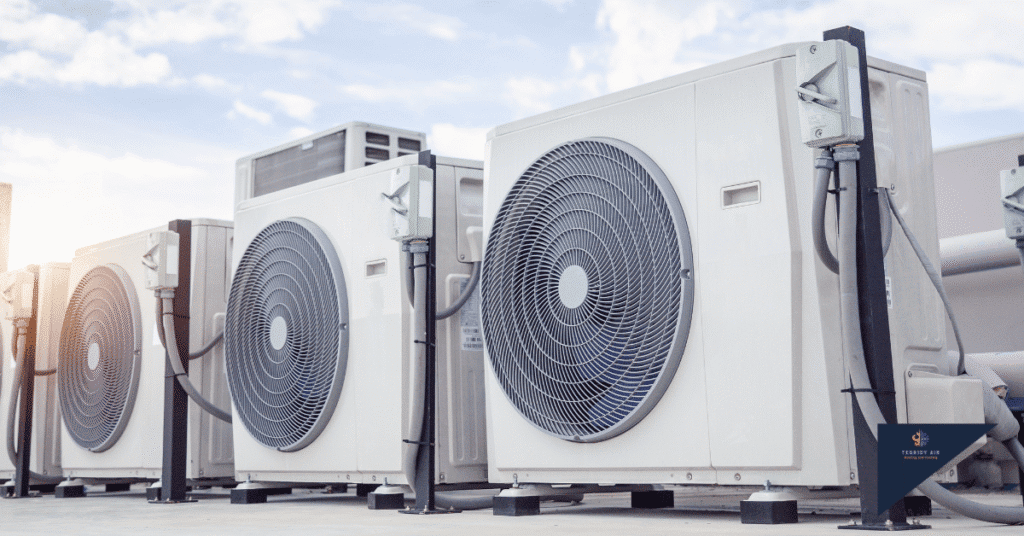
If the AC is set to cool but the air stays warm, possible causes include:
- Low refrigerant levels
- A dirty air filter or clogged coil
- Faulty thermostat
- Weak airflow from damaged ducts
Check the thermostat’s cooling setting and inspect the safely accessible filter according to the manual. If those checks do not help, call an HVAC professional. Turn cooling off if you see ice. Leave refrigerant, wiring, capacitors and internal coil work to trained technicians. Carrier’s troubleshooting guide separates basic checks from repair work.
How Can I Improve Indoor Air Quality?
Poor indoor air quality can lead to health concerns. To improve indoor comfort:
- Use a properly fitted filter your system can accommodate, and maintain it as directed
- Have suspected duct leaks, moisture or contamination assessed; routine cleaning is not always needed
- Control moisture with suitable AC or dehumidification; use appropriate filtration for airborne particles
- Use kitchen and bathroom exhaust fans vented outdoors, and consider outdoor air quality before adding ventilation
Start by reducing pollution and moisture sources. Filtration and ventilation can help, but they do not remove every pollutant or fix a leak or mold problem. EPA’s indoor-air guidance explains these different roles.
What’s the Difference Between a Heat Pump and an Air Conditioner?
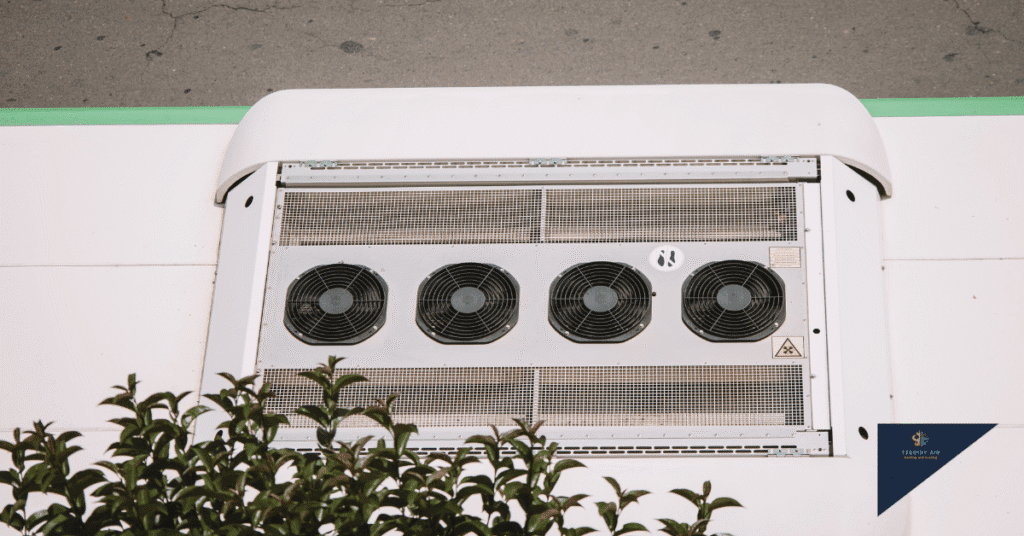
A heat pump cools your home like an air conditioner but can reverse operation to provide heating. A conventional air conditioning system provides cooling and needs separate heating equipment when heat is required. A heat pump can suit Louisiana homes, but compare equipment performance, local energy prices, installation needs and any backup heat. See Carrier’s heat-pump and AC comparison.
How Can I Lower My Energy Costs With My HVAC?
Improving HVAC efficiency helps keep your system running smoothly:
- Choose comfortable thermostat settings; 78°F in summer and 68°F in winter are possible starting points, not requirements for every household
- Use a compatible programmable or smart thermostat with a schedule that suits your household
- Seal leaks around windows and doors
- Schedule regular tune-ups with an HVAC technician
These steps may lower energy use, but the savings depend on the home, weather and previous habits. Do not sacrifice safe indoor conditions to meet a particular thermostat setting.
Why Is My HVAC Making Strange Noises?
Some operating sounds are normal. New, persistent or unusually loud noises deserve attention; sound alone cannot diagnose the cause. Possibilities include:
- Banging or clanking: A loose or damaged component
- Squealing: A motor, bearing or belt issue on equipment that uses belts
- Hissing: Air movement or a refrigerant-related issue; a suspected gas leak needs emergency action
- Rattling: Loose panels, parts or debris
If a new noise is loud or accompanied by poor performance, stop using the system when safe and arrange service. Do not remove panels or reach into moving equipment. For a suspected gas leak, leave without operating switches and call 911 from a safe location.
How Often Should I Replace My Entire HVAC System?
There is no schedule for replacing the entire HVAC system at once. If heating or cooling equipment needs repeated expensive repairs or no longer keeps the home comfortable, have its condition and options evaluated. Age is one factor; a technician should also assess the ducts, sizing and installation rather than simply replacing the old unit with the same size.
Should I Get a Maintenance Plan?
A maintenance plan may be useful if its price and services fit your HVAC system. Compare the written terms with the cost of individual visits. Items to ask about include:
- Whether priority service applies during peak seasons
- Which repair or cleaning discounts, if any, are included
- The number of inspections and the tasks covered
- Renewal, cancellation, exclusions and extra charges
At Tegridy Air, we offer HVAC maintenance plans in Kenner. Ask for current pricing and the included services.
What Should I Do in an HVAC Emergency?
First check for danger. If there is smoke, fire, a suspected gas leak or a carbon monoxide alarm, leave and call 911 from a safe location. Do not operate switches if you suspect gas. CPSC’s CO guidance and PHMSA’s gas-leak guidance explain what to do. If there is no immediate hazard and the equipment is safely accessible, basic checks include:
- Check thermostat settings and replace batteries only as the manual directs
- Note whether a breaker has tripped; do not open electrical panels or keep resetting a tripping breaker
- With the system off, inspect a safely accessible filter and replace or clean it as directed
If the system still will not work, arrange HVAC service. During extreme heat, move to an air-conditioned place if the home is too hot. Confusion or loss of consciousness in the heat can indicate a medical emergency: call 911 and begin cooling while help is on the way. CDC’s heat-illness guide lists warning signs.
Quick Reference: HVAC Maintenance at a Glance
| Task | Frequency | Notes |
|---|---|---|
| Replace air filter | Inspect monthly | Clean or replace when needed; follow equipment and filter instructions |
| Professional inspection | Annual pre-season checks | Cooling in spring; heating in fall; follow the manual |
| Duct cleaning | As needed after assessment | Consider contamination, pests or heavy debris; correct moisture sources |
| System replacement | Based on condition and options | Evaluate age, repairs, comfort, warranty and operating costs |
Conclusion
Understanding your HVAC system helps you recognize problems and ask useful questions. Regular maintenance can support efficiency and comfort, while persistent airflow, refrigerant or electrical problems need qualified diagnosis. For duct cleaning, EPA recommends an as-needed approach rather than a fixed calendar interval.
At Tegridy Air in Kenner, we answer common HVAC questions and help homeowners with tune-ups, repairs and system installation. Whether you’re dealing with a dirty filter, duct issues or equipment replacement, ask our team about the next step. Get a free consultation to discuss your home’s heating and cooling needs.