By Scott Gieseler · Published · Updated
Good HVAC care starts with the specified filter, clear vents, sensible thermostat settings, and professional checks at the intervals recommended for your equipment. These steps support airflow and can reduce avoidable problems during Louisiana’s heating and cooling seasons.
This guide covers 10 common HVAC maintenance mistakes, the checks homeowners can make safely, and the work to leave to a qualified technician. Tegridy Air serves Kenner and the surrounding areas.
Why Regular HVAC Maintenance Matters
Taking care of your home’s HVAC system is about more than comfort. It’s about protecting one of the most valuable mechanical systems in your home. With routine cleaning, repair, and timely HVAC installation or replacement, you can:
- Save on energy bills by improving system efficiency
- Extend system life, delaying HVAC replacement
- Reduce the risk of preventable repairs and breakdowns
- Support airflow and filtration
Skipping maintenance not only creates short-term discomfort but can also lead to system breakdowns and long-term expenses.
10 Common HVAC Maintenance Mistakes
1. Skipping Regular Filter Changes
A dirty air filter restricts airflow and can reduce cooling performance. Inspect the filter regularly and replace it according to its condition and the manufacturer’s instructions.
Tips:
- Inspect air filters monthly during heavy use; replace according to condition and the manufacturer’s instructions
- Check more often if you have pets or allergies
- Choose high-quality filters that match your HVAC unit
2. Ignoring Unusual Noises or Odors
Strange noises or odors are often early warning signs of HVAC malfunction.
- Grinding or screeching → possible compressor issue
- Burning odors: stop the system if safe and arrange service; smoke or fire requires emergency help
- Musty smells: investigate moisture and possible contamination; odor alone does not establish mold in ductwork
Call a professional HVAC technician for persistent noises or odors. If a carbon monoxide alarm sounds, leave and call 911 from outside. If you smell gas, leave without operating switches and call 911 and your gas utility from a safe distance.
3. Setting the Thermostat Too Low or High
Set the thermostat to the temperature you want rather than an extreme setting. Follow your heat pump’s operating guidance, since temperature setbacks can trigger resistance backup heat.
Choose settings for comfort, health needs, and humidity:
- Cooling: use the warmest setting that remains comfortable and safe for the occupants
- Heating: use a comfortable setting and follow guidance for heat-pump backup heat
- Use a programmable or smart thermostat for consistent temperature control
4. Forgetting Annual Professional Inspections
While changing filters or vent cleaning helps, a qualified HVAC contractor can catch hidden issues.
Inspections include:
- Checking for refrigerant leaks
- Inspecting evaporator coils
- Verifying the ignition system
- Identifying problems early before they cause damage to the compressor or furnace
5. Blocking Air Vents and Registers
Blocked air vents restrict air passing through the system, making the HVAC unit inefficient.
Checklist:
- Keep vents clear of furniture
- Vacuum vents regularly
- Keep supply and return grilles unobstructed; follow the designed setup for zoned systems
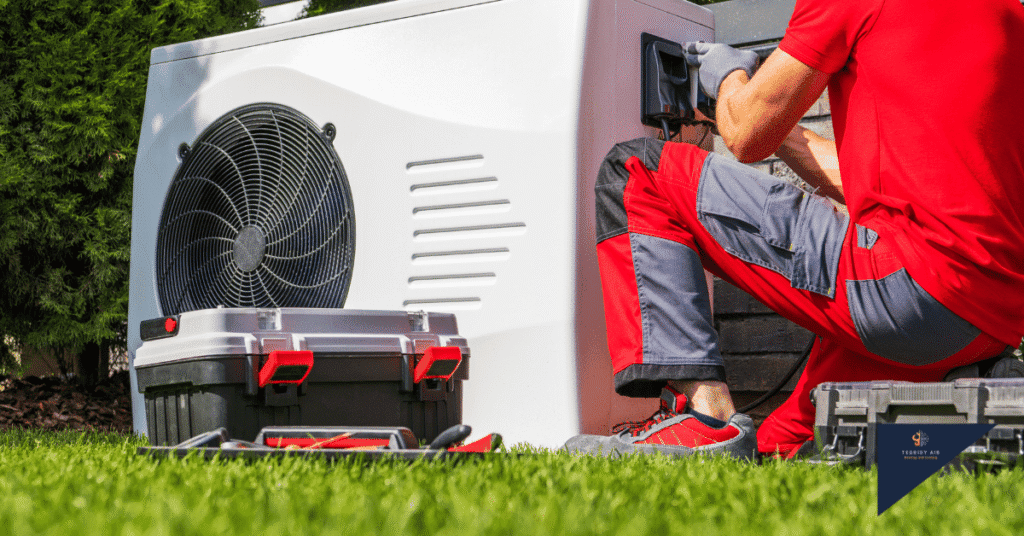
6. Neglecting the Outdoor Unit
The outdoor AC unit or condenser often gets clogged with dirt, leaves, or grass clippings.
Care tips:
- Maintain the manufacturer’s required clearances around and above the unit
- Leave coil cleaning to a technician unless the manual provides homeowner instructions; keep water away from electrical components
- Schedule professional cleaning and repair if buildup is heavy
7. Ignoring Possible Refrigerant Problems
A low refrigerant level reduces cooling capacity and can cause damage to the compressor.
Symptoms that need diagnosis, but do not prove a leak:
- No cool air from air conditioning unit
- Ice on coils
- Bubbling or hissing sounds → possible refrigerant leak
Use an EPA-certified technician for refrigerant service. The technician should diagnose the cause of low charge and evaluate leak repair rather than simply topping off the system.
8. Attempting DIY Repairs Without Training
Watching tutorials doesn’t make you a professional HVAC technician. Incorrect repair or installation can lead to safety hazards.
Risks:
- Electrical shock
- Making the problem worse
- Voiding warranties
- Costly repairs
Trust HVAC repair to professionals.
9. Overlooking Duct Leaks or Contamination
Duct leaks can waste conditioned air and contribute to uneven comfort. Ordinary dust does not automatically mean ducts need cleaning.
Signs:
- Dust near vents
- Uneven temperatures
- High energy bills
Repairing duct leaks can support efficiency. Duct cleaning is considered when there is a specific problem, such as substantial visible mold, vermin, or excessive debris. EPA does not recommend routine duct cleaning or claim that it prevents health problems.
10. Waiting Until the System Breaks Down
One of the most common mistakes is waiting until the entire system fails. Emergency HVAC replacement is costly.
Better approach:
- Schedule maintenance at the intervals recommended for your equipment, including heating and cooling checks as needed
- Call an HVAC technician when problems appear early
- Keep a relationship with a trusted HVAC contractor
Essential Tips for Proper HVAC Care
Moisture problems need attention in a humid climate. A seasonal maintenance plan can help identify drainage, airflow, and equipment issues:
- Spring & Summer: Replace filters, clear debris, check thermostat
- Fall & Winter: Have a qualified technician inspect heating components, assess duct leaks, and service your heat pump
Tegridy Air offers HVAC installation, repair, and cleaning services to keep your cooling system efficient.
When to Call an HVAC Professional
Contact Tegridy Air if:
- Your HVAC system is not heating or cooling properly
- You notice unusual noises, odors, or leaks
- Your energy bills spike suddenly
- You haven’t had an inspection in over a year
From HVAC repair and HVAC installation to cleaning ductwork and handling refrigerant leaks, our team helps maintain comfort in your home.
Conclusion
Tegridy Air: Your HVAC system is one of the most important parts of your home. By avoiding these 10 HVAC mistakes, scheduling regular maintenance, and trusting a professional HVAC technician, you can reduce system breakdowns, improve energy savings, and keep your home comfortable year-round.
Find us on Google