

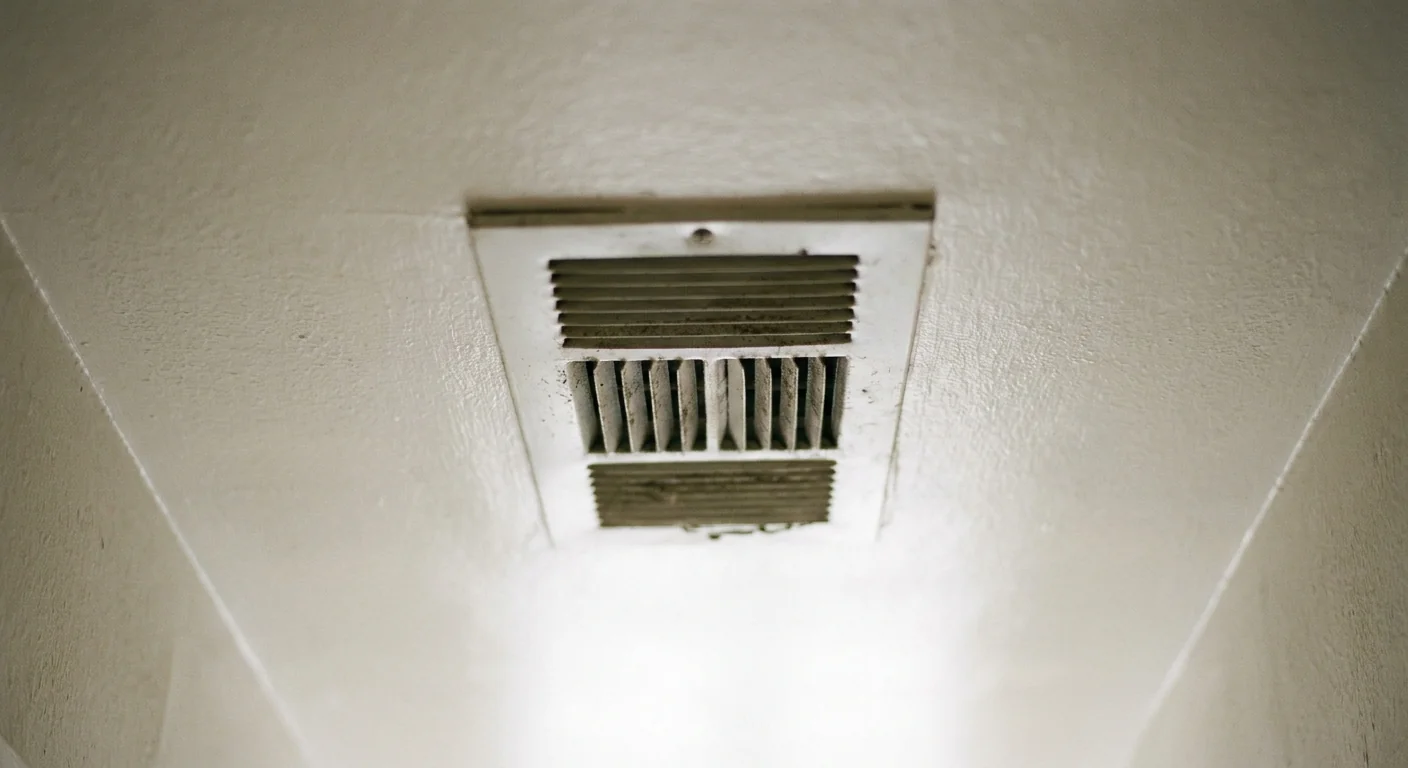
A musty smell from your vents means moisture and mold are growing on the evaporator coil or in the ductwork, and cleaning or fixing the source will stop it.
If you’re in Kenner or Metairie and notice a damp, earthy odor every time the system kicks on, you’re not alone. The smell is a clear sign that something in your cooling system is holding onto water long enough for mold or mildew to develop. In a humid climate like South Louisiana, that water can appear quickly if the system isn’t draining properly.
Before you reach for a spray bottle, it helps to understand where the moisture is coming from, what parts are most likely to harbor growth, and what steps you can take yourself versus what needs a technician’s eye. The following sections walk through the most common sources and give you a practical checklist for each.
1. How Moisture Turns Into a Musty Odor
Air conditioners work by pulling warm indoor air across a cold evaporator coil. As the air cools, water vapor condenses on the coil surface and drips into a drain pan. In a well-sealed system that water runs straight out through a drain line. When the line is clogged, the pan overflows, or the coil stays damp for too long, mold spores find a food source.
In the summer months, humidity levels in the Greater New Orleans area often sit above 70%. That high ambient moisture makes it harder for the system to keep the coil dry, especially if the unit is older or the refrigerant charge is low. A drop in cooling efficiency can also cause the coil temperature to rise, slowing condensation and encouraging bacterial growth.
Even a small amount of mold can produce a noticeable odor. The smell is not a health emergency, but it does indicate that indoor air quality is compromised. If left unchecked, the spores can spread throughout the house and trigger allergies or respiratory irritation.
2. Inspecting the Evaporator Coil
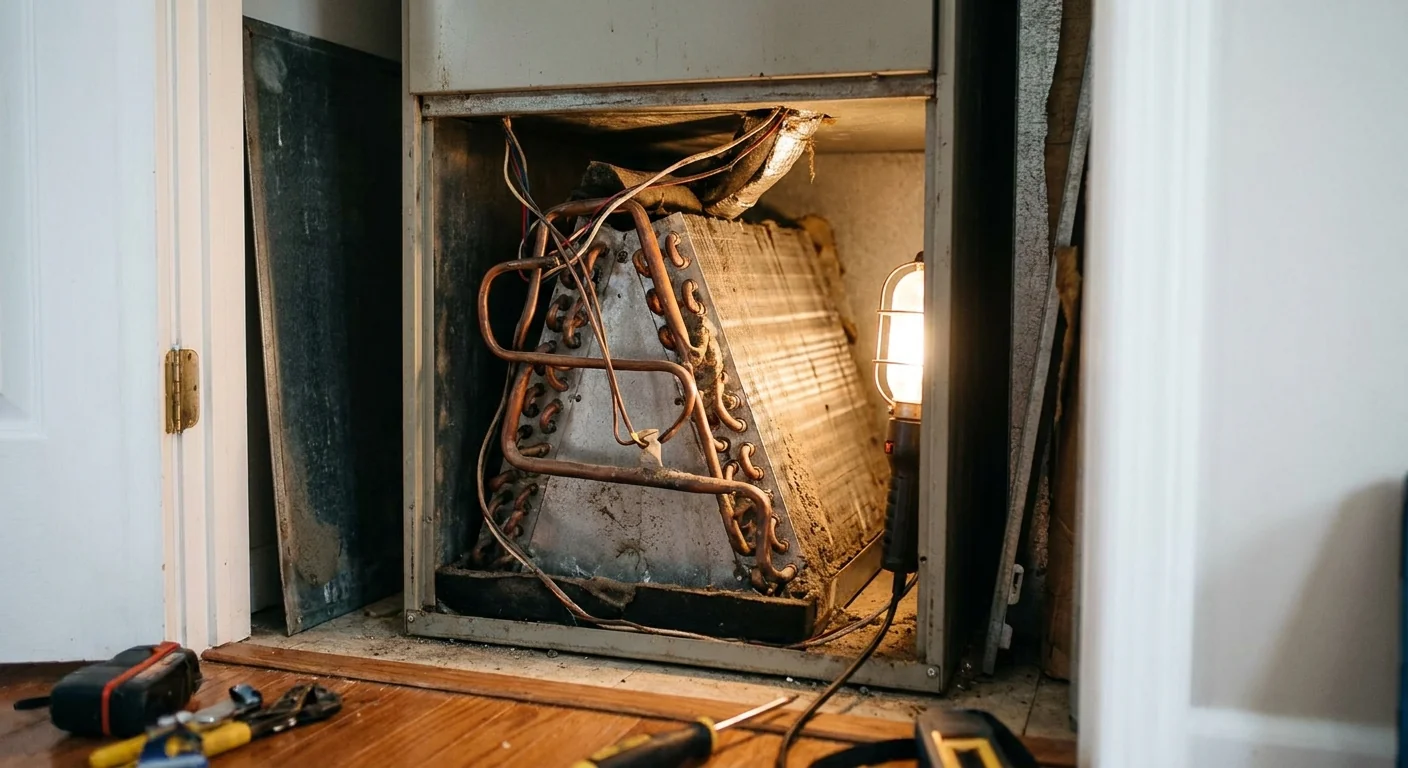
The evaporator coil is the first place to look when you suspect a musty smell. Turn off the system and open the access panel on the air handler. You should see a series of thin metal fins covered with a fine, dark film if mold is present.
Cleaning the coil yourself is possible if the buildup is light. Use a soft brush to loosen debris, then spray a no-rinse coil cleaner that is safe for HVAC components. Follow the product directions, let it sit, and wipe away excess with a clean cloth.
Heavy growth, corrosion, or a coil that looks warped requires professional attention. A technician can deep-clean the coil, check for refrigerant leaks that might be lowering coil temperature, and replace the coil if it’s beyond repair. A clean coil improves efficiency and reduces the chance of future odors.
3. Drain Line and Pan Maintenance
The drain pan collects the water that falls off the coil. Over time, algae and mold can grow in the pan, especially if the water sits for days. Check the pan for standing water or a slimy residue. If you see any, clean it with a mixture of warm water and a mild detergent, then rinse thoroughly.
The drain line is a narrow PVC pipe that carries water to the outside or to a floor drain. Blockages often happen because dust, dirt, and mold create a plug. A simple way to clear it is to pour a cup of distilled white vinegar into the line, let it sit for an hour, then flush with hot water.
If the line still backs up, you may need a professional to snake the pipe or replace a damaged section. A clogged drain line can cause water to back up into the pan, leading to overflow and the musty smell you’re hearing.
4. Ductwork and Register Checks
Even with a clean coil and pan, mold can grow in the ducts themselves. Ducts that run through unconditioned spaces, such as attics or crawlspaces, are especially vulnerable. Look for visible signs of mold at the registers, especially if the smell intensifies when the fan runs without the cooling cycle.
Loose or damaged duct joints let moist air from the house enter the duct system, providing another source of condensation. Sealing gaps with mastic or foil-backed tape helps keep the ducts dry. If you suspect extensive mold inside the ducts, a professional cleaning with HEPA-rated equipment is the safest route.
Replacing old or heavily contaminated sections of ductwork can be costly, but it’s often the most effective way to restore indoor air quality. A technician will assess the condition, recommend repairs, and give you a clear quote before any work begins.
5. Controlling Humidity and Adding Air Purification
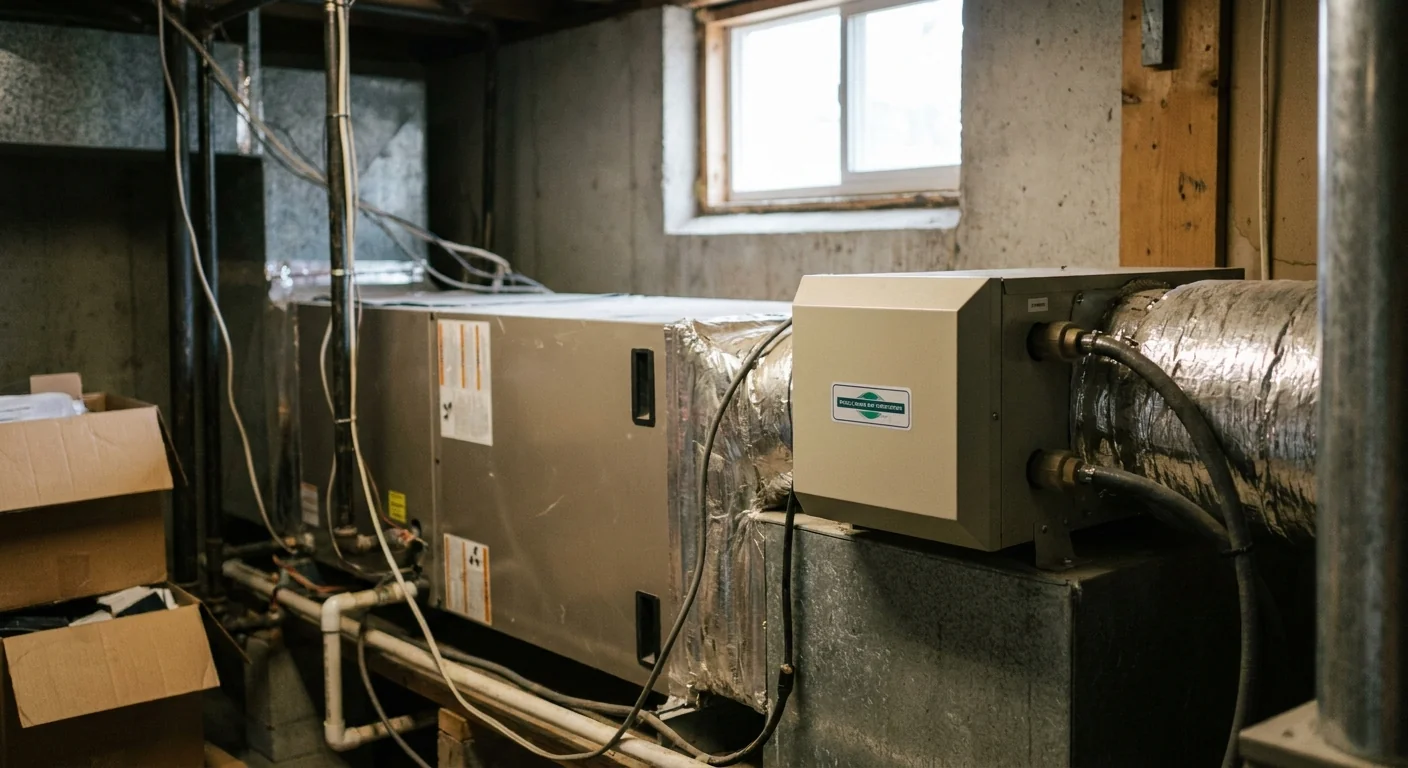
Keeping indoor humidity below 50% is a key defense against mold. In a humid climate, a whole-home dehumidifier can pull excess moisture from the air before it reaches the coil. Place the unit near the return plenum for best performance.
Air purification devices that include UV-C lamps or activated carbon filters can also reduce mold spores and odors. UV-C light installed inside the air handler shines on the coil, killing mold before it spreads. Carbon filters capture volatile organic compounds that contribute to musty smells.
Smart thermostats can help you monitor humidity levels and set the system to run the fan at lower speeds when the house is unoccupied, reducing condensation buildup. Pairing a thermostat with a dehumidifier gives you remote control over both temperature and moisture.
6. When to Call a Pro and What Costs Look Like
Tegridy Air’s published dispatch fee for Greater New Orleans is $109. Repair pricing is quoted after diagnosis and before the repair proceeds.
Common repair costs in the Greater New Orleans area include:
- Refrigerant leak repair: $400-$900 plus the cost of refrigerant ($125-$225 per pound).
- Capacitor or contactor replacement: $200-$450.
- Fan/blower motor replacement: $450-$1,200, depending on motor type.
- Compressor replacement: $1,800-$2,900.
More extensive work, such as a full coil cleaning or duct cleaning, is quoted after the diagnostic because the price depends on the size of the home and the scope of the job. Tegridy Air will give you a clear, upfront estimate before any parts are ordered.
Our maintenance plan is $25 per month or $300 per year and includes two service visits and a 15% discount on repairs. Repair discounts do not apply to system installations. Confirm the plan terms and any separately quoted work when booking.
What to Do Next
Start by turning off the system and inspecting the evaporator coil, drain pan, and drain line. Clean any visible mold with a coil cleaner or a vinegar solution, and make sure the drain line is clear. If the musty odor remains after these steps, check the registers and look for signs of mold in the ductwork.
Because humidity is a constant challenge in Kenner and Metairie, consider adding a dehumidifier or UV-C air purifier to your system. These devices work best when installed by a certified and insured professional who can verify proper placement and electrical connections.
If you’re not comfortable opening the air handler or if any of the repairs listed above seem beyond a simple clean-up, give Tegridy Air a call. We can schedule a diagnostic, provide a detailed quote, and get your home breathing fresh again.
Not sure what your system needs? Tegridy Air can help – call 504-414-8655 or request a free quote online and we’ll give you a straight answer.
Related Reading
- Beating Louisiana Humidity: How the Right AC Setup Keeps Your Home Dry
- Beating Louisiana Humidity: How the Right AC Setup Keeps Your Home Dry
- Beating Louisiana Humidity: How the Right AC Setup Keeps Your Home Dry
Frequently Asked Questions
Why does my AC smell musty only when it’s cooling?
The musty odor appears when the evaporator coil gets cold enough for condensation to form. Moisture on the coil creates a breeding ground for mold, which releases the smell as the fan pushes air through the system.
Can I use bleach to clean the evaporator coil?
Bleach can damage coil fins and corrode metal parts. Use a coil cleaner that is specifically formulated for HVAC systems, or let a professional handle deep cleaning.
How often should I have my AC inspected to prevent mold?
A yearly inspection before the hot season is a good rule of thumb. It lets a technician clean the coil, flush the drain line, and check for any moisture issues before they become noticeable.
Will a whole-home air purifier eliminate the musty smell?
A purifier with UV-C light can kill mold on the coil, and a carbon filter can absorb odor molecules. It helps, but the underlying moisture source still needs to be addressed for a permanent fix.