
One hot room often happens because the air flow is not even, the ducts have problems, or the zoning is wrong.
Homeowners see the problem when one bedroom or living area stays warm while the rest of the house feels okay. The issue usually appears on the hottest days. The AC works hard to cool the whole home then. In Kenner and Metairie, high humidity and high electric rates make an uneven system very annoying.
First, do not assume the whole unit is broken. Check the obvious things first. A clogged vent, a closed damper, or a wrong thermostat setting can make a hot spot. These are easy to fix. If these checks do not help, the problem is probably deeper in the ducts or the zoning.
Check the Thermostat and Zoning Settings
The thermostat controls cooling for the whole house. If it is set to a different temperature for the hot room, the system works harder there. The rest of the house may become too cold.
Many homes in Greater New Orleans have one thermostat for the whole house. If the thermostat is far from the hot room, it may sense temperature slowly. Moving the thermostat or adding a wireless sensor can speed up response.
If a home has a zoning system, each zone has its own thermostat or control panel. A stuck damper in the hot zone can stop airflow. Open the zone panel and look for a lever that does not move freely. If the lever feels stuck, call a professional to fix the damper motor.
Inspect Vents and Registers
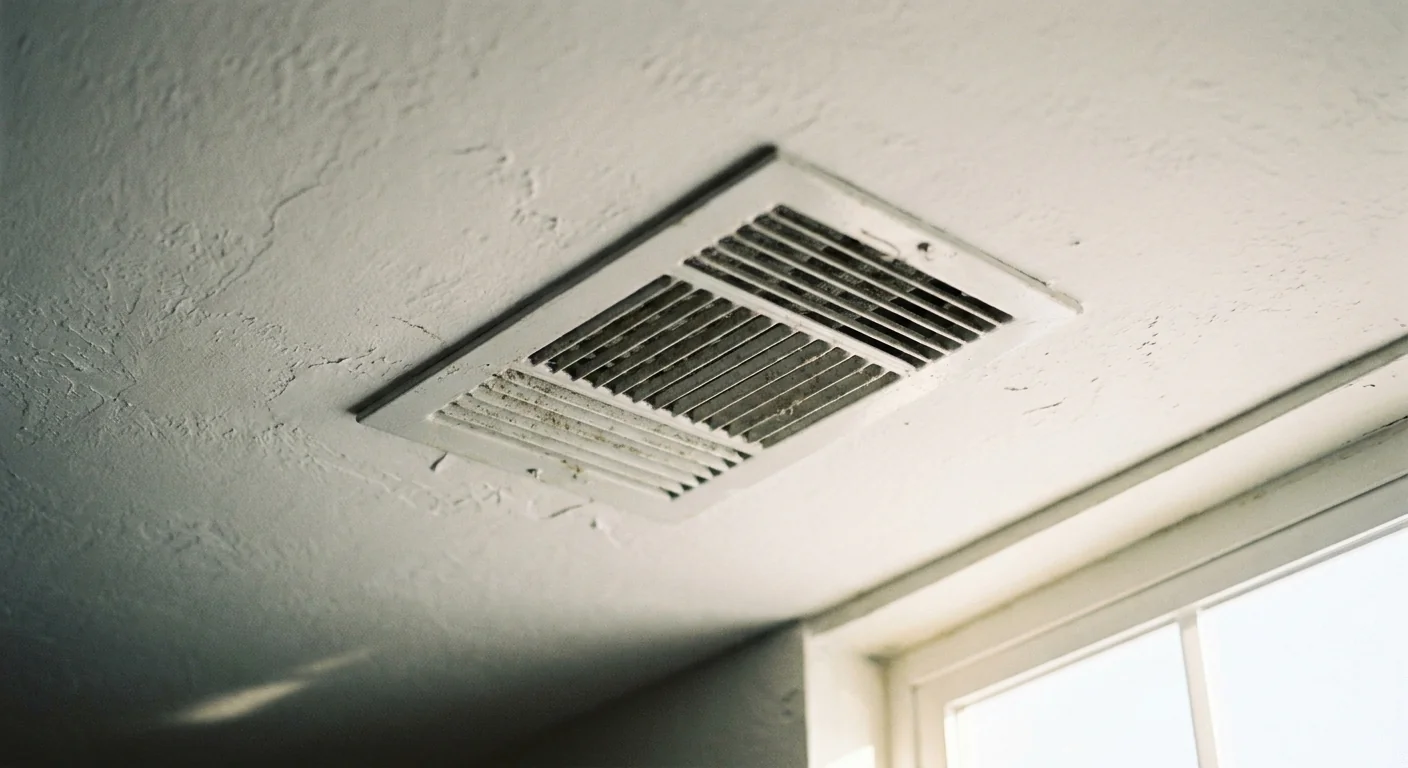
Closed, blocked, or too small vents often cause uneven cooling. In a bedroom, furniture or a heavy curtain can block airflow without you seeing it.
Check that every supply vent in the hot room is fully open. A partially closed vent can cut airflow by up to 40 percent. If you see dust around the vent, the filter may be dirty or the duct may be leaking.
Register size also matters. A 4-inch vent works for a small room, but a big room needs a 6-inch register to move enough air. Replacing a too-small register with a larger one is a fast, cheap fix that can balance temperatures.
Look at Ductwork and Airflow Balance
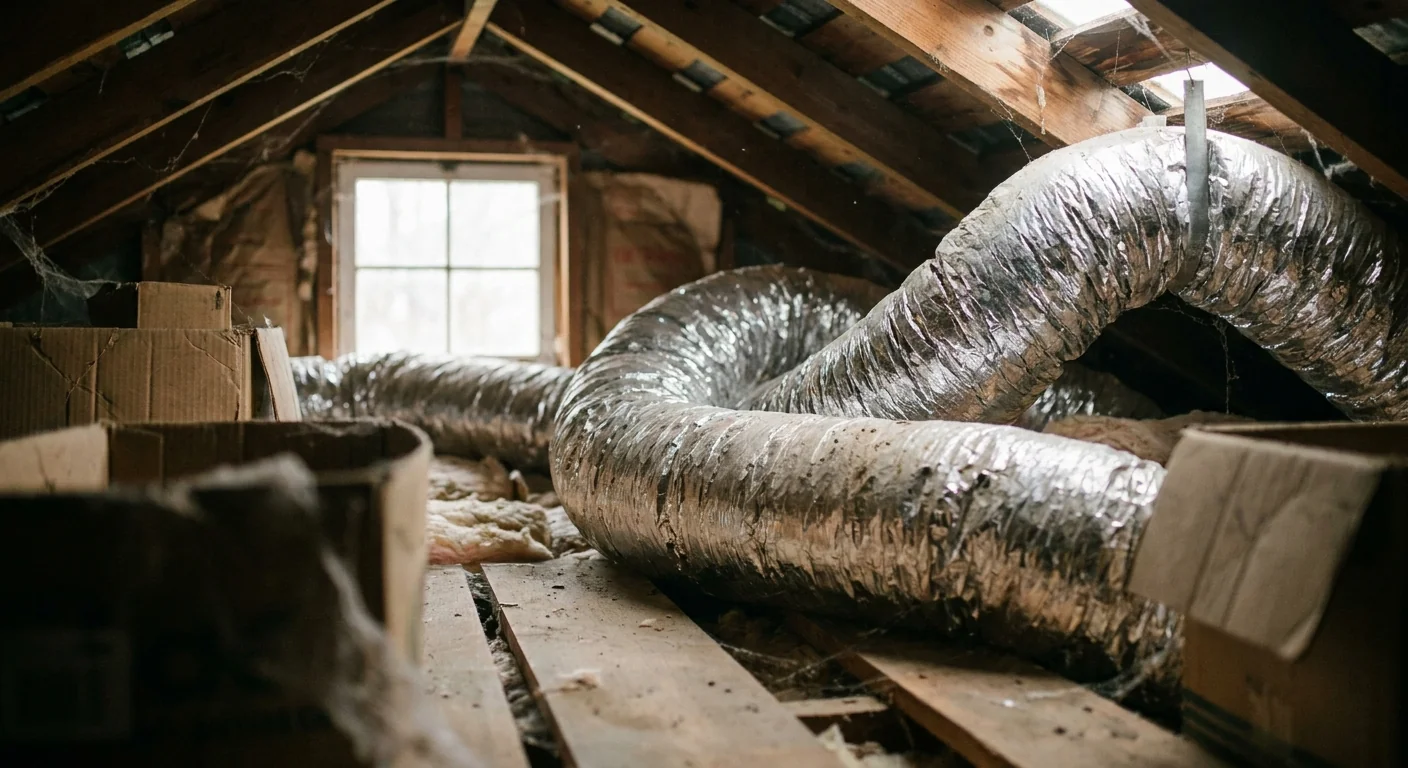
Ducts are hidden highways that bring cool air to each room. Over time, connections can loosen, insulation can wear, and parts can get crushed, especially in attics where changes are extreme.
If a duct leaks, the system loses pressure. The blower works harder, but less air reaches the hot room. Hold a piece of paper near a vent; if it flutters weakly, airflow is low.
Balancing airflow may need adjusting dampers, sealing leaks, or adding a booster fan. A pro will measure static pressure at each vent and suggest the right fixes.
Typical repair costs in the Greater New Orleans area are:
- Refrigerant leak repair: $400-$900 plus refrigerant cost
- Fan/blower motor replacement: $450-$1,200
- Capacitor/contactor replacement: $200-$450
- Compressor replacement: $1,800-$2,900
These numbers show what a big duct repair might cost. Smaller jobs like sealing one leak or adding a register cost less. The exact price still depends on the home and the work needed.
Evaluate the Outdoor Unit and Refrigerant Levels
The outdoor condensing unit does most of the heavy work. If it has low refrigerant, the system cannot absorb enough heat, and some rooms stay warm.
Low refrigerant usually means a leak in the line set. A tech will find the leak, fix it, and recharge the system. Refrigerant prices have risen, so the cost can vary a lot, especially if the newer R-454B is needed.
Another factor is the condition of the condenser coil. Dirt and debris lower heat exchange efficiency, making the system run longer. A pro cleaning can restore performance and lower your electric bill.
If the unit is too big for the home, it turns on and off too fast. It never fully dehumidifies the air. This short-cycling can make rooms feel muggy even if the temperature looks right. Proper size is key, and a tech can verify the correct size during a check.
When to Call a Professional
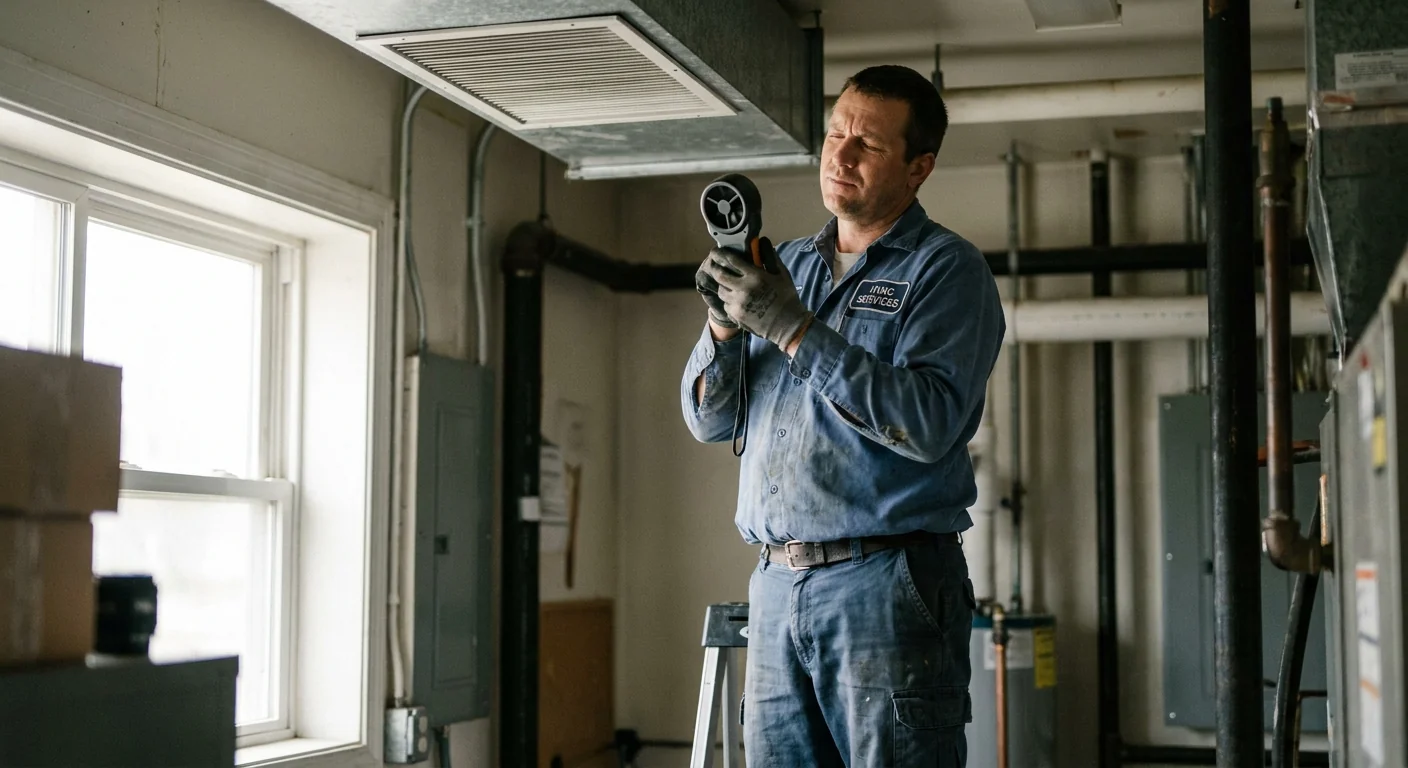
If you checked the thermostat, opened all vents, and still have a hot room, call a certified, insured tech. Trying to fix a refrigerant leak or replace a compressor yourself can be unsafe and void any warranty.
Tegridy Air’s published dispatch fee for Greater New Orleans is $109. Repair pricing is quoted after diagnosis and before the repair proceeds.
Beyond diagnostics, a tech can install zoning controls, add variable-speed ECM fans, or suggest a smart thermostat. The thermostat balances demand across the house.
These upgrades improve comfort and can lower electricity use during the long Louisiana summer.
Regular maintenance, at least once a year before cooling season, catches many issues early. A tune-up includes cleaning the coil, tightening electrical connections, and checking refrigerant levels. Homeowners who keep up with maintenance often avoid costly emergency repairs.
Tips for Homeowners to Reduce Hot Spots
While waiting for a tech, try a few simple steps to feel more comfortable. Close blinds or curtains on sunny windows to cut heat gain. Use a portable fan to push air from a cooler area into the hot room.
Check the return air grille in the hot room. If furniture blocks it, the room cannot pull enough air back into the system, limiting circulation. Keep the grille clear and make sure the filter is clean; a dirty filter cuts overall airflow.
Consider adding a ceiling fan set to run clockwise in summer. This creates a gentle up-draft that mixes the air. It can lower the felt temperature by a few degrees without extra electricity.
Finally, keep doors to the hot room open when the system runs. Closed doors create a pressure barrier that can stop cool air from reaching the space.
Wrapping It Up
Uneven cooling in a Kenner or Metairie home usually comes from airflow imbalance, duct problems, or thermostat settings.
By checking vents and confirming thermostat placement, you can often find the cause. Look also for duct leaks before calling a pro.
When the issue is more than a simple fix, a tech can diagnose the problem and balance the system. They can also suggest upgrades that keep your whole house comfortable during the hot, humid season.
Want a pro to take a look? Call Tegridy Air at 504-414-8655 or request a free quote online. We serve Kenner, Metairie, and the whole New Orleans metro.
Related Reading
- What AC Repair Actually Costs in Kenner – An Honest Breakdown
- How to Tame Heating & Cooling Costs in Kenner & Metairie
- Heating and cooling services in Kenner: seasonal challenges and fixes
Frequently Asked Questions
Why does one room stay hotter even though the AC is running?
The most common reasons are blocked or undersized vents, a leaking or poorly insulated duct, a stuck damper, or an issue with refrigerant pressure that limits airflow to that area.
Can I fix a hot room by just opening the vent wider?
Opening the vent can help if it was partially closed, but if the underlying issue is a duct leak, an undersized register, or a zoning problem, the vent alone won’t solve it.
How often should I have my HVAC system inspected to prevent uneven cooling?
A yearly inspection before the cooling season is recommended. It allows a technician to check airflow, clean coils, and verify refrigerant levels, catching problems early.
What is a zoning system and does it help with hot rooms?
Zoning uses multiple thermostats or dampers to control airflow to different parts of the house. It can balance temperatures by directing more cool air to rooms that need it, but the dampers must be functional for the system to work.