
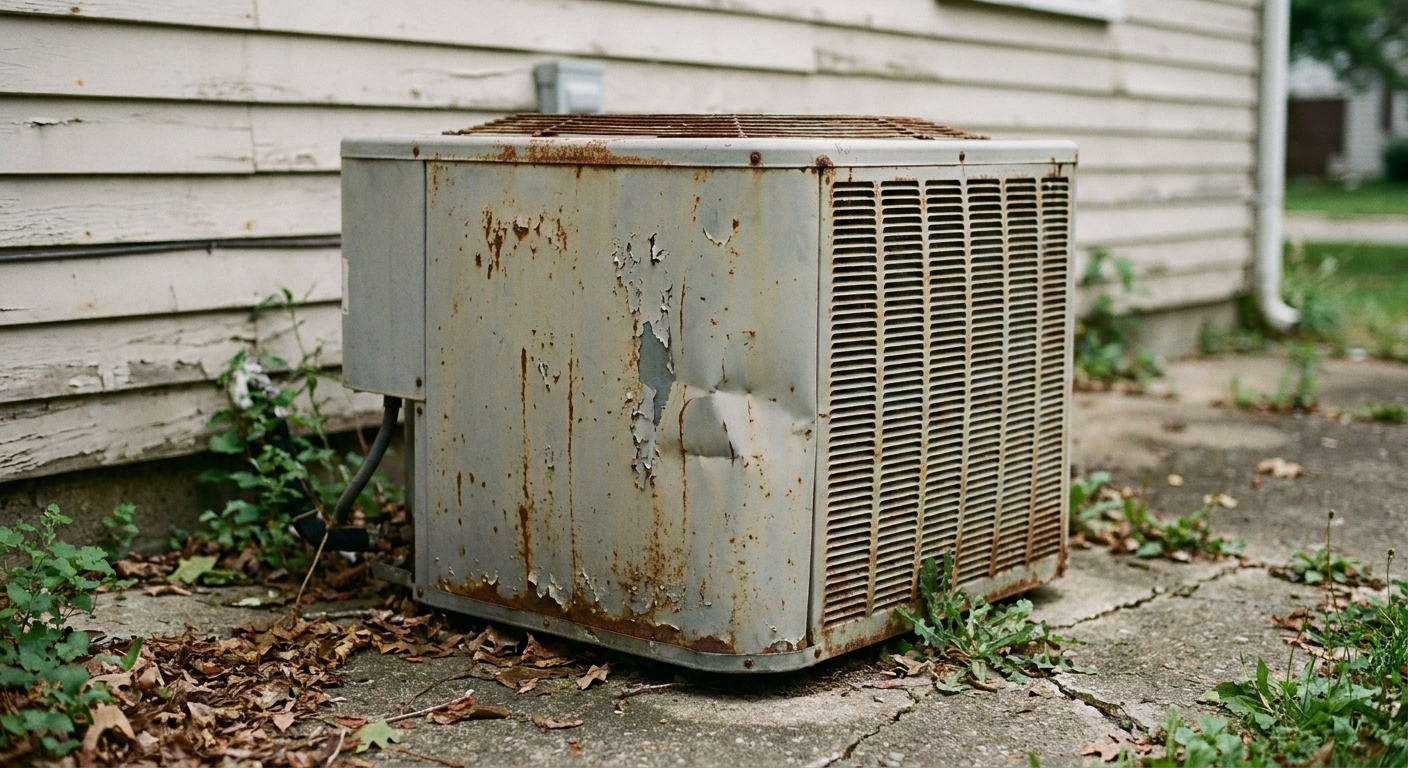
You’re standing in your living room, the fan is blowing, but the air never feels cool enough. The thermostat reads 78°F while the heat outside is already pushing 90°F. Your electric bill is higher than usual, and the unit has been making a rattling noise for weeks. At this point you’re wondering whether a simple repair will get you through the summer or if it’s time to start looking at a new AC system.
Those questions are common in Kenner, Metairie, and the rest of the Greater New Orleans area. The humidity here can make an under-performing system feel like a furnace, and the cost of running a struggling unit can add up quickly. Below is a step-by-step look at how to decide between repair and replacement, what the realistic costs look like, and what to expect from a professional service.
How to tell if your AC needs repair or replacement
The first thing to check is the age of the unit. Most central air conditioners last about 12-15 years under normal use. If yours is older than that, the components are more likely to be worn and the efficiency will have dropped. An older system will also use more electricity, which shows up on your monthly Entergy bill.
Next, pay attention to performance symptoms. If the air feels weak, the system cycles on and off quickly (short-cycling), or you notice ice forming on the evaporator coil, those are signs that the refrigerant charge may be low or the compressor is struggling. A rattling or squealing fan often points to a motor or fan-blade issue that can be repaired, but repeated failures can indicate that the motor is nearing the end of its life.
Finally, consider the cost of recent repairs. If you’ve already paid for a compressor replacement or a major fan motor repair within the last few years, the odds are higher that another major component will fail soon. In that situation, the total spent on repairs can approach the cost of a new system, making replacement the smarter financial choice.
Typical repair costs for the most common failures
When a problem shows up, the first step is a diagnostic visit. In the New Orleans metro a service call and basic diagnostic run about $90-$150, and the technician will explain what’s wrong and give a written estimate. Below are the typical price ranges you’ll see for the most frequent repairs. All figures include parts and labor, assuming a professional installation.
- Refrigerant recharge: $125-$225 per pound of refrigerant. Newer R-454B refrigerant sits at the high end; older R-410A has become more expensive as supply tightens.
- Fan or blower motor replacement: $450-$1,200, depending on whether a standard motor or a variable-speed ECM motor is needed.
- Compressor replacement: $1,800-$2,900. The compressor is the heart of the system, so this is often the most expensive single part.
- Capacitor or contactor replacement: $200-$450. These are small electrical components that can cause a unit to fail to start.
- Refrigerant leak repair: $400-$900 plus the cost of the refrigerant itself.
If the total of the needed repairs climbs into the upper end of these ranges, it’s worth getting a quote for a new system. A new central AC, installed by a licensed contractor, typically runs $5,500-$11,000 depending on the size of the home and the SEER rating you choose. Higher SEER units cost more up front but can lower your electricity usage over the life of the system.
Remember that these are ballpark numbers. The exact amount will depend on the size of your home, the difficulty of accessing the equipment, and any additional work such as duct sealing or coil cleaning. A professional will give you an upfront estimate after the diagnostic.
When a new AC system is the better choice
A new system makes sense when the unit is near the end of its service life and the repair costs start to approach 50% or more of the price of a replacement. In addition, older units often have SEER ratings in the 10-13 range, while modern units are available with SEER 16-21. The higher efficiency translates into lower monthly energy costs, which can offset the higher upfront price over several years.
Proper sizing is critical. An oversized unit will cycle on and off too quickly, leading to higher humidity inside the house and premature wear on components. An undersized unit will run constantly and never reach the set temperature, driving up electricity use. A qualified technician will perform a Manual J load calculation that takes into account the square footage, insulation levels, window orientation, and the local climate.
Beyond efficiency, a new installation gives you the opportunity to upgrade related components. Adding a smart thermostat can let you fine-tune temperature settings and see real-time energy use. Upgrading to a variable-speed blower improves airflow and helps maintain consistent humidity, which is a big deal in the Gulf Coast climate.
What to expect during a professional AC installation
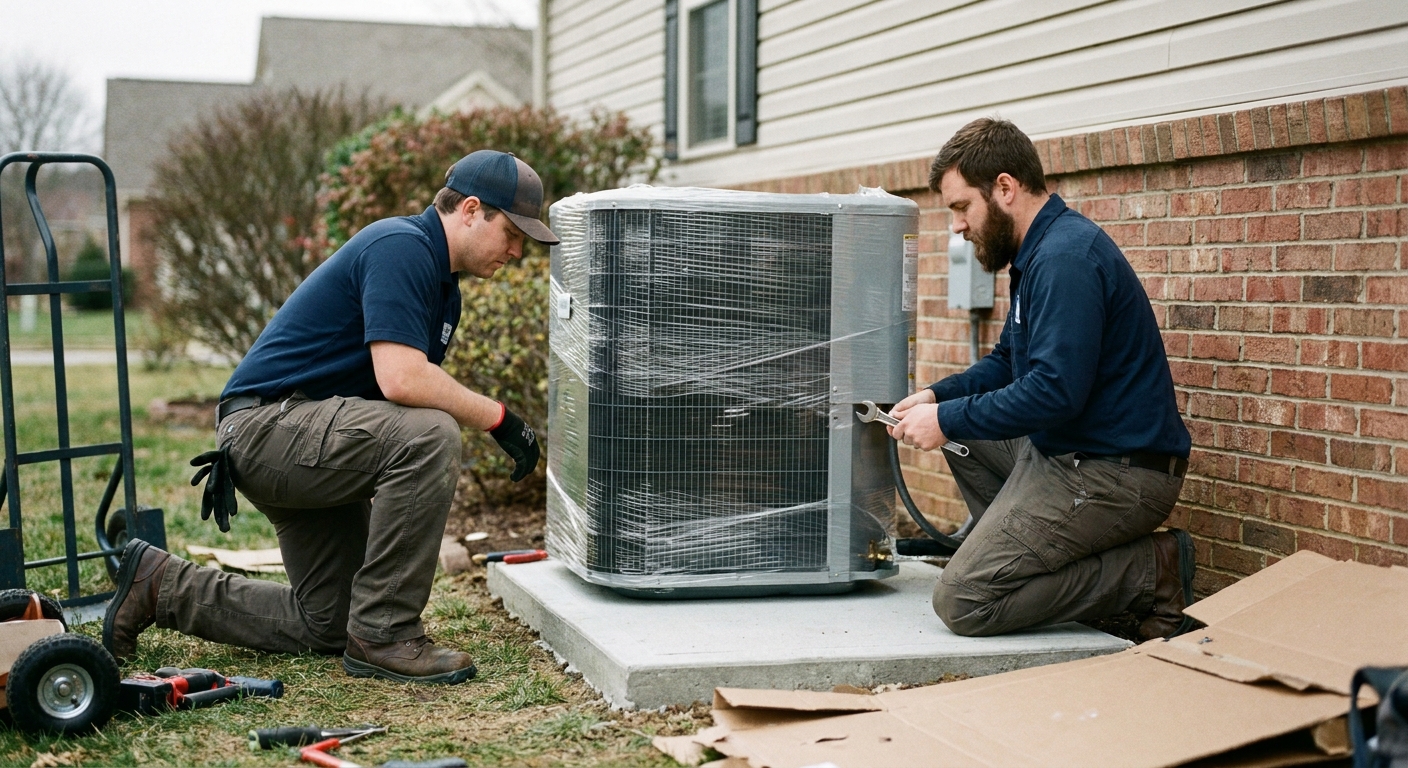
Once you decide on a new system, the installation process usually takes one to two days. The first day is spent removing the old condenser and evaporator coil, disposing of the old refrigerant according to EPA guidelines, and preparing the site for the new equipment. Technicians will also inspect the existing ductwork for leaks or damage and recommend repairs if needed.
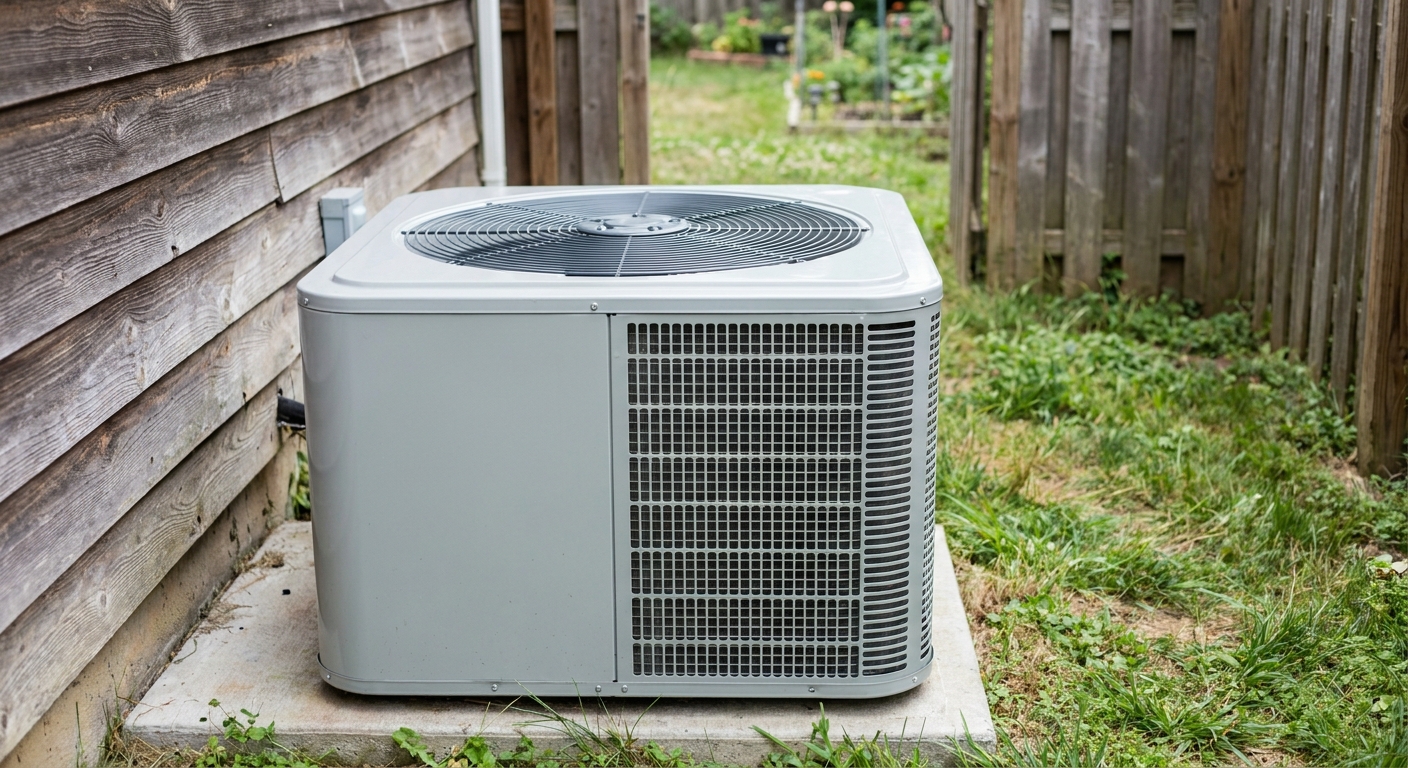
On the second day, the new condenser is placed on a concrete pad, secured, and connected to the indoor coil with insulated refrigerant lines. The new unit is then charged with the appropriate amount of refrigerant—usually R-454B for the latest models. After the refrigerant charge, the technician will verify proper airflow, check electrical connections, and run the system through a series of tests to confirm that it meets performance specifications.
After the unit is up and running, the installer will walk you through the controls, show you how to set the thermostat, and explain basic maintenance tasks like changing filters. They will also provide a written warranty summary and let you know what is covered under the manufacturer’s warranty versus the installation warranty.
Keeping your system efficient: maintenance and upgrades
Regular maintenance is the cheapest way to keep your AC running efficiently and avoid costly breakdowns. A yearly tune-up that includes cleaning the condenser coils, checking refrigerant pressure, tightening electrical connections, and inspecting the blower motor can extend the life of the system by several years.
- Replace or clean the air filter every 1-3 months, depending on usage and whether you have pets.
- Schedule a professional inspection before the peak cooling season—late winter or early spring works well in Kenner and Metairie.
- Consider adding a UV light or an air purification system if indoor air quality is a concern; these can be installed during a regular service visit.
Smart thermostats are another upgrade that pays for itself. They learn your schedule, adjust temperature setbacks automatically, and can be controlled from a phone. In a humid climate, setting the thermostat a few degrees higher at night while using a dehumidifier can reduce the load on the AC without sacrificing comfort.
Finally, keep an eye on your energy bills. A sudden increase—especially after a repair—might indicate that the system is still not running at peak efficiency. Bring the bill to your technician’s attention; they can check for issues like low refrigerant charge or a failing motor that might not have been obvious during the initial service.
Financing, maintenance plans, and peace of mind
Many homeowners in the Greater New Orleans area spread the cost of a new system over several months. While we won’t list specific financing terms here, most reputable contractors work with local lenders to offer low-interest plans. The key is to compare the total cost of financing against the potential savings from a higher-efficiency unit.
Maintenance plans are another way to protect your investment. A plan typically includes two scheduled visits per year, priority service calls, and a discount on parts. Because the plan is prepaid, you avoid surprise repair bills during the hottest months when you need the system most.
If you’re still unsure whether to repair or replace, schedule a free diagnostic. The technician will assess the condition of the existing equipment, discuss your comfort goals, and provide a written estimate for both repair and replacement options. That way you have all the facts before making a decision.
Other factors to consider before deciding
Beyond the numbers, think about how you use your home. If you run a home office, have a pool, or frequently host gatherings, a higher-capacity system with better humidity control may be worth the extra expense. Conversely, if you spend most of your time away during the summer, a smaller, high-efficiency unit could meet your needs while keeping operating costs low.
Home resale value is another consideration. A newer, high-SEER system is a selling point for potential buyers in the New Orleans market. It signals that the home has been well-maintained and that the next owner won’t face a major HVAC expense soon after moving in.
Lastly, think about the environmental impact. Modern refrigerants like R-454B have lower global warming potential than older blends, and higher SEER units use less electricity overall. Choosing a system with a better environmental profile aligns with the growing focus on sustainability in our community.
Final Thoughts
Deciding between repairing an existing AC unit and installing a new system is a balance of age, performance, repair costs, and long-term savings. Use the cost ranges above as a guide, but let a qualified technician evaluate the specific condition of your equipment. A well-maintained, properly sized system will keep your home comfortable through the Louisiana heat without breaking the bank.
When you’re ready to get a clear picture of what your home needs, a local, family-run company like Tegridy Air can provide a straightforward diagnostic, honest estimate, and a plan that fits your budget. Whether it’s a simple fix or a full replacement, the goal is the same: reliable cooling, predictable costs, and peace of mind for you and your family.
Need honest HVAC help in Kenner, Metairie, or anywhere across the Greater New Orleans area? Call Tegridy Air at 504-414-8655 or request a free quote online – we’ll get you comfortable fast.
Related Reading
- Repair or Replace Your AC? Honest Cost Breakdown for New Orleans Homeowners
- Repair or Replace? An Honest Guide for New Orleans Homeowners
- Repair or Replace? An Honest Guide to Aging AC Units in the New Orleans Metro
Frequently Asked Questions
How often should I have my AC inspected?
A professional inspection once a year, preferably before the cooling season starts, helps catch wear, clean the coils, and verify refrigerant levels.
What is SEER and why does it matter?
SEER (Seasonal Energy Efficiency Ratio) measures how efficiently an AC unit uses electricity over a cooling season. Higher SEER units cost more upfront but consume less power, lowering monthly bills.
Can I replace just the refrigerant in an old system?
Yes, but the cost of refrigerant ($125-$225 per pound) and the labor to recover the old charge can add up. If the system is old or inefficient, a full replacement may be more cost-effective.
Does a new thermostat improve efficiency?
A programmable or smart thermostat lets you set temperature setbacks and monitor usage, which can reduce energy consumption by up to 10% when used correctly.