
By Scott Gieseler · Published · Updated
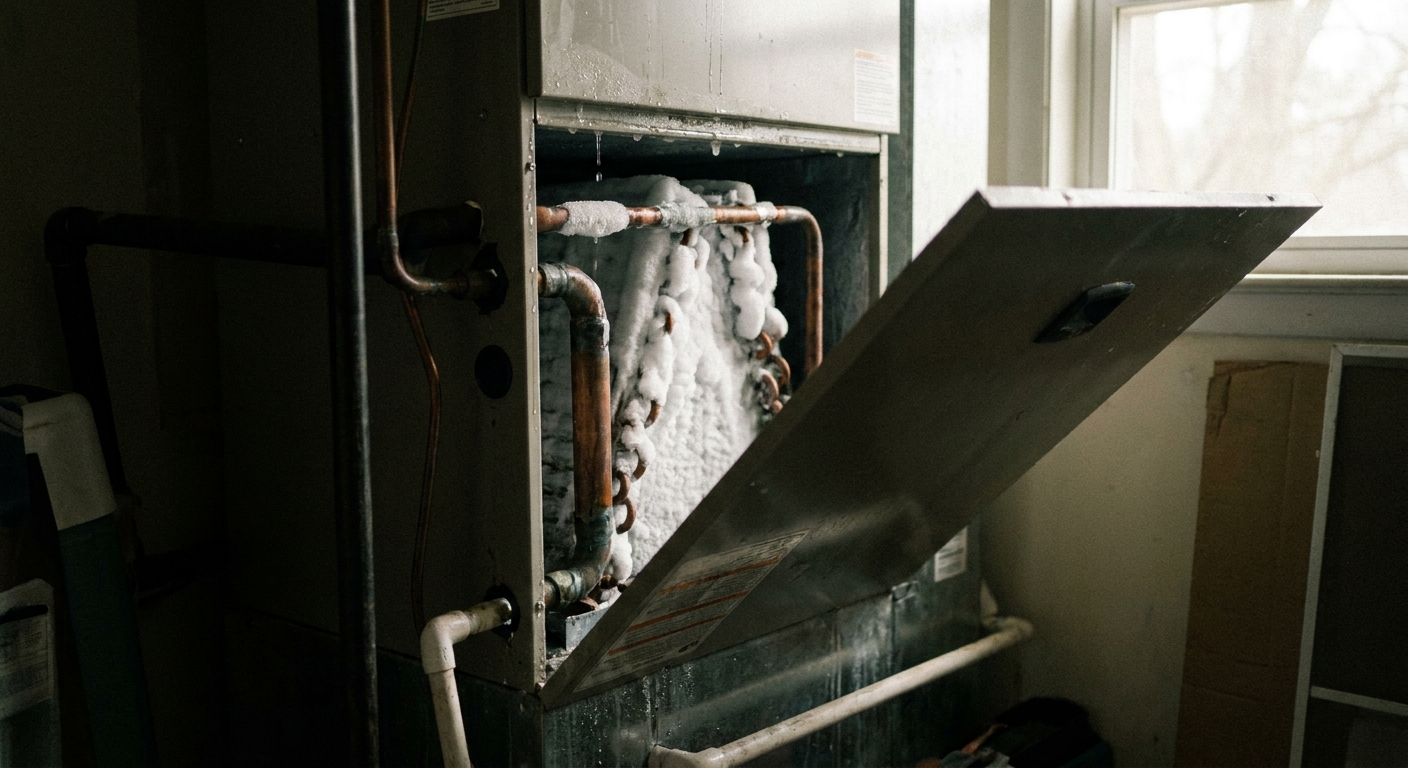
Your thermostat is set to Cool, the fan is running, but the vents are blowing warm air. A frozen evaporator coil is one possible cause; warm air alone does not confirm it. This guide covers signs of icing and safe next steps for homes around Kenner and Metairie.
If you see ice on an exposed line, turn cooling off and arrange service. Do not open the equipment to look for ice. Stop using the system if there is a burning smell, a tripped breaker, or water near electrical parts. Use the thermostat only if it is safe to reach, and stay clear of the equipment. For smoke or fire, leave the area and call emergency services.
How a Central AC Works – The Role of the Evaporator and Refrigerant
The evaporator is the indoor coil in a split-system AC. As the blower moves indoor air across it, refrigerant absorbs heat and evaporates. The cooled air returns to the rooms through the ductwork.
Refrigerant vapor then reaches the compressor, which raises its pressure and temperature. The outdoor condenser releases heat and turns the refrigerant back into liquid; a metering device reduces its pressure before it enters the evaporator again. Carrier explains the basic cooling cycle.
Adequate airflow and the correct refrigerant charge help the system operate as designed. Restricted airflow or a refrigerant problem can let the evaporator become cold enough for moisture to freeze.
Ice restricts airflow through the coil and reduces heat transfer. Cooling can weaken as ice builds; the air does not have to follow a particular cold-then-warm pattern.
Common Causes of a Frozen Evaporator Coil
Restricted airflow is a common cause. A clogged filter, blocked return grille, closed registers, or a blower problem can reduce airflow across the evaporator and contribute to freezing.
A low refrigerant charge can also lead to freezing. The technician needs to check for a leak or an incorrect charge rather than assume that the system simply needs topping up.
A dirty evaporator can restrict airflow and heat transfer. Coil cleaning inside the cabinet is a service task, not a reason to remove panels yourself.
Blower or control faults can interrupt indoor airflow while the system is trying to cool. The symptoms alone do not identify which component needs repair.
How to Recognize a Frozen Coil Before It Causes Damage
One possible sign is cooling that becomes weaker during operation. Thermostat, airflow, electrical, and refrigerant problems can all produce poor cooling, so warm air is not a frozen-coil diagnosis.
Visible frost or ice on an exposed refrigerant line is a reason to stop cooling and seek service. Observe only what is visible from a safe location without opening the air handler or removing insulation.
Weak airflow at the vents is another useful observation. A dirty filter or an airflow restriction may be involved; the sound of the blower cannot confirm the cause.
Report unusual starts and stops as well. Cycling behavior depends on the controls and operating conditions; a thermostat that continues calling for cooling does not itself explain why equipment stops.
Why a Frozen Coil Makes Your AC Blow Warm Air
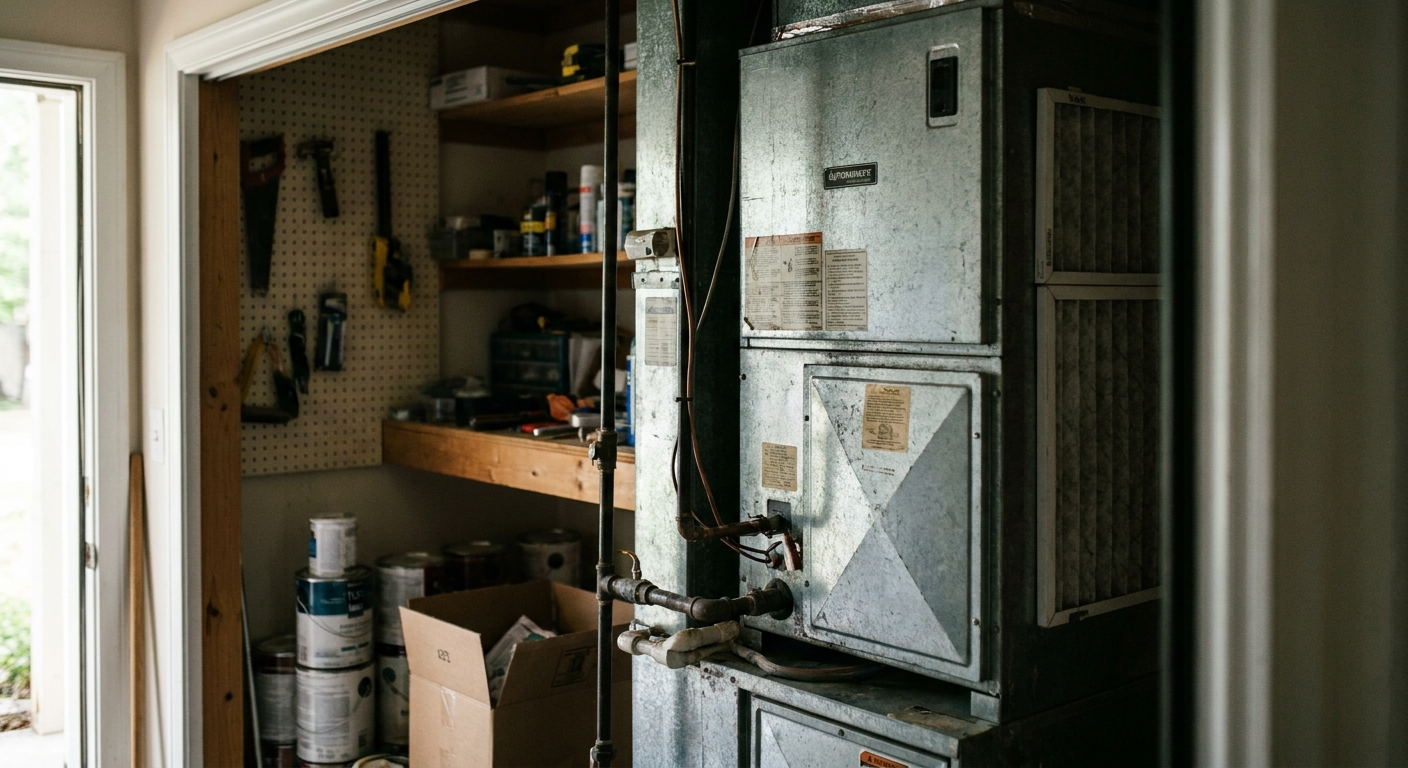
A normally operating coil can be below the air’s dew point and collect liquid condensation without freezing. Ice forms when moisture freezes on a coil that is too cold; it is not explained by dew point alone.
As ice restricts the coil, less cooled air may reach the rooms even if you can hear the blower. An operating fan is not proof that the compressor or refrigerant circuit is working normally.
Continuing to run cooling with a frozen evaporator can damage the system. Turn cooling off and have the cause checked rather than trying to run through the ice.
Melting the ice alone does not repair an airflow fault, refrigerant leak, or failed component.
What to Do When You Suspect a Frozen Coil
Set cooling to Off using safely accessible thermostat controls. Do not chip at ice or use a hair dryer, heat gun, or hot water. Ask the technician or consult the equipment instructions about fan-only operation while it thaws, especially if there is leaking water or a blower problem.
Keep supply registers and return grilles clear. With the system off, you can check a safely accessible filter and replace it with the specified size and type. Do not enter service compartments or reach into ductwork; apparently normal room airflow does not rule out an internal restriction.
Arrange an AC repair diagnosis. The required checks depend on the symptoms and may include airflow, blower operation, controls, and the refrigerant circuit. The figures below are published planning ranges, not a quote for your system; confirm current pricing and what is included when booking.
- Dispatch fee in Greater New Orleans: $109. Repairs are quoted after diagnosis.
- Refrigerant leak repair: ask for an itemized quote separating repair labor and parts from refrigerant.
- Capacitor or contactor replacement: $200-$450
- Fan/blower motor replacement: $450-$1,200
- Compressor replacement (if needed): $1,800-$2,900
Repair pricing depends on the diagnosis, parts, access, and applicable warranty. We provide a quote before repairs proceed.
Leave refrigerant testing and charging to a qualified technician. EPA Section 608 certification requirements cover activities such as connecting gauges and adding or removing refrigerant. Do not open service valves or try to add refrigerant yourself.
Preventive Maintenance to Keep Your Coil From Freezing
A scheduled tune-up can identify airflow, coil, or drainage problems. Follow the equipment manufacturer’s maintenance schedule and ask which checks and cleaning are included. Maintenance reduces avoidable problems but cannot guarantee that a coil will never freeze.
Inspect the filter regularly and follow the filter and equipment manufacturers’ replacement instructions. Dust, pets, operating hours, filter type, and indoor air quality needs affect the schedule. Use the specified filter rather than assuming a more restrictive one is better.
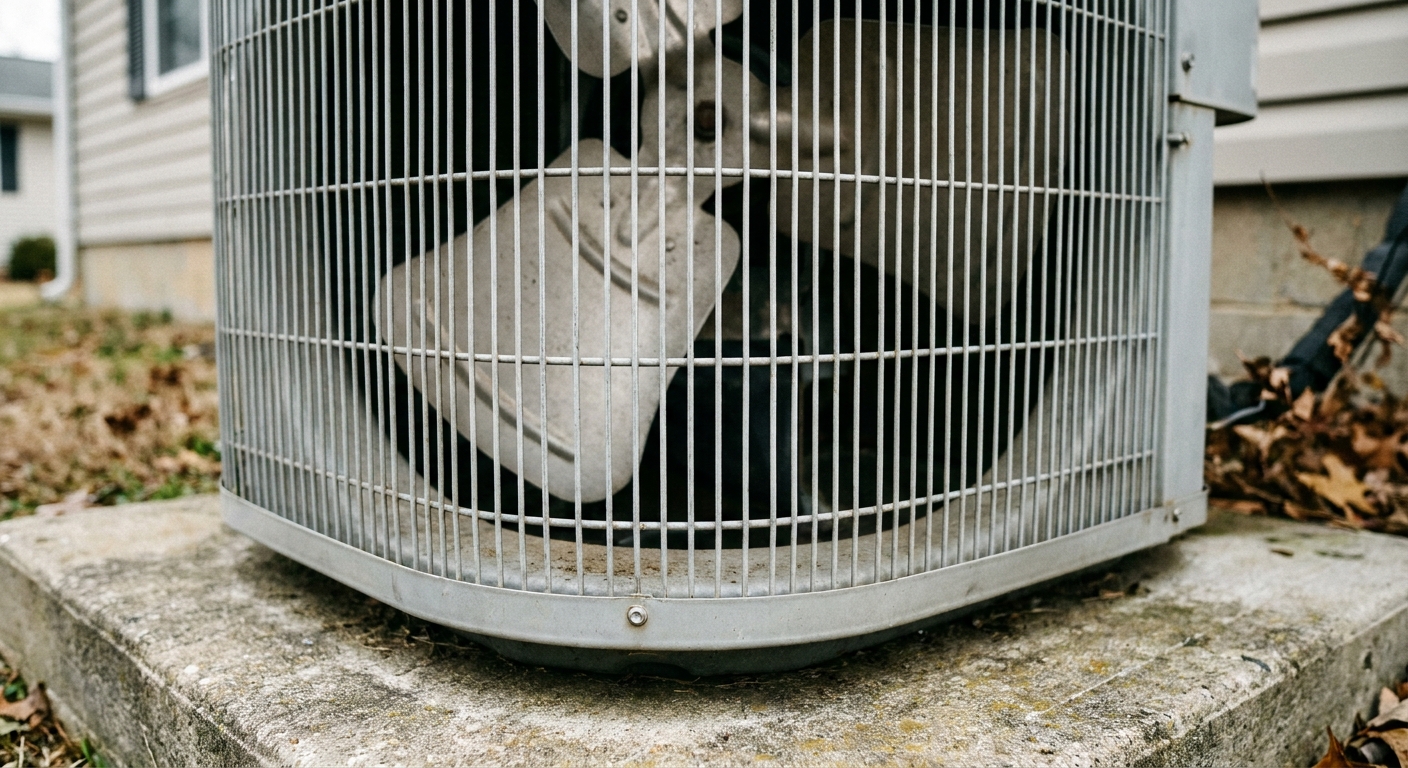
Keep loose leaves and vegetation clear of the outdoor unit according to the manufacturer’s clearance instructions. Stay outside the cabinet and keep hands and tools out of the fan grille.
A blower upgrade is not a substitute for diagnosing low airflow. Ask the technician to check the filter, ducts, blower settings, and equipment compatibility before recommending changes.
For homes in Kenner and Metairie, sealing ducts and insulating refrigerant lines can also improve overall efficiency. While duct sealing costs depend on the home’s layout, a professional will give you a clear quote after a diagnostic.
When to Call a Professional for AC Repair
Arrange service when you find ice, when poor cooling continues after safe thermostat and filter checks, or when the problem returns. Report unusual sounds and any water around the air handler. Do not wait for a second freeze if the cause is unknown.
Tell the technician when cooling worsened, where you saw ice or water, and whether a filter change, thermostat change, or outage preceded the problem. These observations help guide diagnosis without opening the system.
If you are considering a maintenance plan, compare its included visits, checks, exclusions, and separately charged work. A plan does not guarantee that emergency repairs will be avoided or that it will pay for itself.
Free replacement estimates are separate from repair diagnostic visits. For planning information, see our 2026 Kenner AC replacement cost guide. Your final quote depends on the equipment and installation scope.
How to Safely Thaw a Frozen Evaporator Coil
Keep cooling off while the coil thaws. Trane’s coil guidance also advises checking for water leakage and getting professional help for ice or frost. Do not open panels to inspect the coil.
- Select Off at the thermostat if the controls are safe to reach; do not repeatedly switch cooling on to check progress.
- Use fan-only operation only as directed for your equipment. Do not force a blower that is not working normally.
- Watch for water only from a safe location. If it is near electrical parts or access is unsafe, stay clear and call for service.
- Do not chip, scrape, or pry ice off the coil or refrigerant lines.
- Do not use a hair dryer, heat gun, space heater, or hot water to accelerate thawing.
- Allow a complete thaw; visible ice disappearing does not prove that the coil inside the cabinet is clear.
- With the system off, inspect an accessible filter as the manual directs. Keep room supply registers and return grilles unobstructed.
- Before restarting, ask for model-specific guidance if the cause is unclear, water is leaking, or airflow remains weak. Leave cooling off if ice or other warning signs return.
How Long a Frozen Coil Takes to Thaw
Thaw time depends on the amount of ice, room conditions, and whether safe fan-only operation is available. Allow several hours or longer; a timer is not proof that the coil is clear. Do not restart while ice remains or assume that thawing has fixed the cause.
Fan Blowing Hot Air? Check These Before Blaming the Coil
If there is no visible ice or other warning sign, confirm that the thermostat is set to Cool with your usual target below the current room temperature. Fan-only mode can circulate room-temperature air. Observe the outdoor unit from a safe distance, but do not open or operate its disconnect or reset a tripped breaker as a diagnostic test. Warm air has several possible causes, as Carrier’s cooling guide explains.
What a Freeze Does to the Condensate Drain
Thawing ice can create extra drainage. Water around the air handler may also come from a blocked drain, damaged pan, or another problem; it does not prove that the coil froze or that the drain was undersized. Look for:
- Water pooling on the floor around the air handler or in the closet.
- Ceiling stains below an attic unit.
- New dripping or water sounds near the indoor unit.
- A drain or condensate alert, if your system has one. Do not bypass a float switch or other safety control.
Have the drain and pan checked if water is leaking. Do not bypass a safety switch, open equipment, or pour chemicals into an unidentified pipe. A technician can assess drainage along with the cause of any icing.
Refrigerant Leaks: The Signs and Where They Hide
A refrigerant problem is one possible reason an evaporator becomes too cold. Ice alone cannot show the charge level or identify the refrigerant. A technician should use the equipment label and manufacturer’s service information, rather than assume the refrigerant from the age or location of the home.
Poor cooling, prolonged running, visible ice, or hissing are observations to report, not proof of a leak. Do not use smell or pipe size to identify refrigerant loss, and do not handle a suspected leak.
Leaks can occur in coils, tubing, joints, or valves. A technician can locate the source using appropriate leak-detection equipment and explain repair options. Adding refrigerant without addressing a confirmed leak does not repair it. See Trane’s explanation of refrigerant-leak diagnosis.
Other Problems a Technician May Check
Not every freeze is caused by a dirty filter or a leak. Refrigerant flow controls and other components may need testing. A clean filter alone does not rule out airflow or equipment problems.
Correct refrigerant charge matters, but ice does not distinguish too much refrigerant from too little. Professional diagnosis should evaluate airflow, operating conditions, and the manufacturer’s specifications before refrigerant is added or removed.
More Frozen Coil Questions
Can I turn my AC back on as soon as the ice melts?
Do not restart while ice remains. Follow the equipment instructions or the technician’s advice after the cause has been addressed. A clean filter or a thawed line alone does not prove that the system is ready to run.
Does a frozen coil mean I need a new air conditioner?
A frozen coil does not by itself mean the whole AC needs replacement. Diagnosis may identify an airflow correction, component repair, or refrigerant leak. Compare repair and replacement options using the actual damage, equipment condition, warranty, and quoted scope.
For help with icing or warm air, call Tegridy Air at (504) 414-8655. We serve Kenner, Metairie, and the Greater New Orleans area.
Final Thoughts
Warm air, weak airflow, and water leaks can have several causes. Visible ice is a reason to stop cooling and seek diagnosis; you do not need to open the cabinet to gather useful information.
Keep the filter and room grilles maintained as the equipment instructions require. Leave electrical work, refrigerant testing, and internal coil service to a qualified technician.
Need honest HVAC help in Kenner, Metairie, or anywhere across the Greater New Orleans area? Call Tegridy Air at 504-414-8655 or request service online. Tell us whether you have seen ice, leaking water, or an electrical warning sign.
Related Reading
- Repair or Replace Your AC? Honest Cost Breakdown for New Orleans Homeowners
- AC Repair Explained: Common Problems and Safe Next Steps
- Honest Ways to Lower Your Entergy Bill Without Sweating Through Summer
Frequently Asked Questions
Why does my AC start blowing warm air after a few minutes of running?
A frozen evaporator is one possible cause, but thermostat, airflow, electrical, and refrigerant problems can also produce warm air. If you see ice, turn cooling off and arrange service. Warm air alone cannot identify the fault.
Can I fix a frozen coil myself?
You can turn cooling off and inspect a safely accessible filter according to the equipment instructions. Do not open panels or use heat to remove ice. Refrigerant and electrical work require qualified service; EPA certification requirements specifically cover refrigerant-circuit activities such as connecting gauges and adding refrigerant.
How long does it take to repair a frozen coil?
The time needed depends on thawing, the diagnosis, access, and parts availability. A filter or airflow issue may have a different repair scope from a leaking coil or failed component. Ask for the expected timing after the system has been assessed.
What maintenance steps can prevent a frozen coil?
Follow the filter replacement instructions, keep room supply and return grilles clear, and arrange maintenance on the equipment’s recommended schedule. Our maintenance plan is $25 per month or $300 per year and includes two service visits and a 15% discount on repairs. Repair discounts do not apply to system installations. Confirm the plan terms and any separately quoted work when booking.