

Carbon Monoxide Detector: Carbon monoxide (often confused with CO2) is known as the silent killer because it is an odorless gas with no color, taste, or smell. Without a properly working carbon monoxide detector, families could face dangerous levels of carbon monoxide in the air without realizing it. A functioning detector is not just a gadget; it’s a safety device that helps protect your home and your family.
At Tegridy Air, we know that keeping your home safe requires more than heating and cooling services it also includes reliable detectors and alarms that detect carbon monoxide exposure and alert you before it becomes life-threatening.
Why a Carbon Monoxide Detector Matters in Every Home
A carbon monoxide detector is designed to detect carbon monoxide gas and sound an alarm if levels of carbon monoxide reach a dangerous threshold. These gases are often produced when fuel-burning appliances, furnaces, fireplaces, or even natural gas systems aren’t vented properly.
The dangers of carbon monoxide exposure include:
- Persistent headaches
- Nausea, dizziness, or confusion
- Shortness of breath and chest pain
- Blurred vision or fainting
- In severe cases, unconsciousness or death
Carbon monoxide poisoning is preventable with the proper installation and maintenance of detectors. Having at least one detector on every level of your home provides peace of mind and reliable protection against carbon monoxide.
Signs Your Detector May Not Be Working
A detector is crucial, but it needs to be maintained to keep your home safe. Watch for these warning signs:
- No alarm when testing – If pressing the test button doesn’t trigger the alarm, the detector may be faulty.
- Expired unit – The lifespan of a CO detector is typically 5 to 7 years. If your unit has reached the end, you need to replace it.
- False alarms – Frequent unnecessary beeps could mean the sensor is failing.
- Dead indicator lights – A working detector should display a green light when active.
If the detector sounds inconsistent alarms or stops responding, it’s time to replace your CO detector.
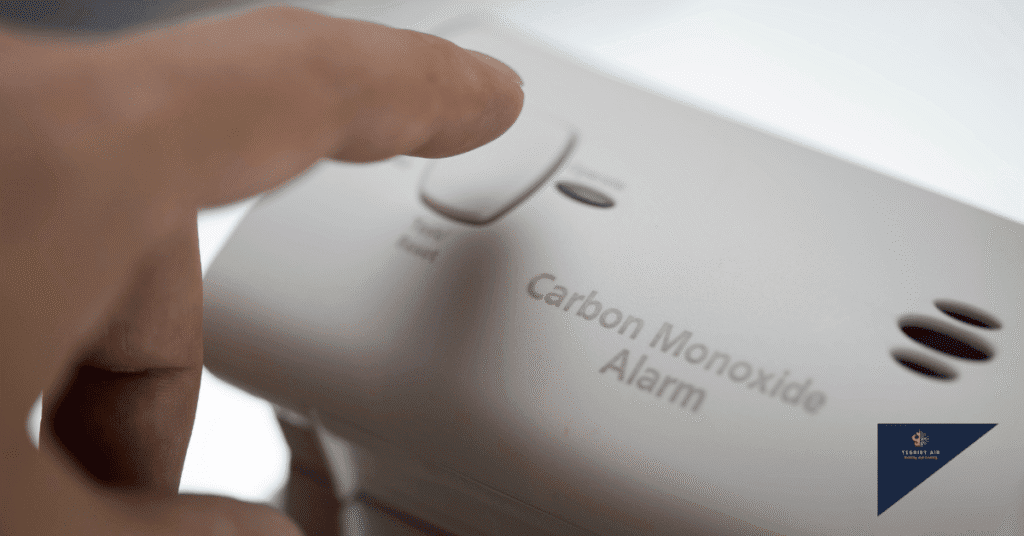
How to Test Your Carbon Monoxide Detector
It’s important to know whether your detector is working properly. Test the detector at least once a month:
- Press the test button – Hold until the detector sounds an alarm. The beep should be loud enough to hear on every level of your home.
- Check the indicator lights – Green means normal, red indicates the alarm is triggered.
- Use test gas if needed – Hardware stores often sell sprays that simulate a carbon monoxide leak.
- Test regularly – Waiting too long between tests leaves your home at risk.
A detector is essential for carbon monoxide safety, but testing ensures your CO detector works effectively at all times.
Regular Maintenance Tips for Detectors
To ensure your CO detector works properly, follow these steps:
- Replace the batteries – Change batteries in your CO detector every 6–12 months. Mark the date so you don’t forget.
- Clean the detector – Dust and dirt can block the sensor. Gently vacuum or wipe the vents.
- Replace old detectors – Detectors are designed to last 5 to 7 years. Even if the alarm still works, detectors need to be replaced at the end of their lifespan.
Maintenance and cleaning are simple tasks that provide reliable protection for your home.
Common Mistakes to Avoid with CO Detectors
Even with installation, mistakes can reduce effectiveness:
- Wrong placement – Don’t place detectors near bathrooms or stoves, where steam can trigger false alarms.
- Ignoring beeps – A detector may beep when batteries are low. Replace the batteries immediately instead of disabling it.
- Using just one detector – At least one detector should be installed on every floor of the home. Larger homes need more for complete coverage.
Avoiding these errors ensures your CO alarm provides reliable protection.
Best Detector Placement Guidelines
Detector placement is just one part of safety. For maximum protection:
- Place a carbon monoxide detector near bedrooms so alarms can wake you.
- Install detectors close to furnaces, fireplaces, and gas appliances.
- Ensure proper placement on each level of your home.
- Keep detectors away from open windows and vents that may interfere with readings.
The rule is clear: every level of your home needs at least one detector.
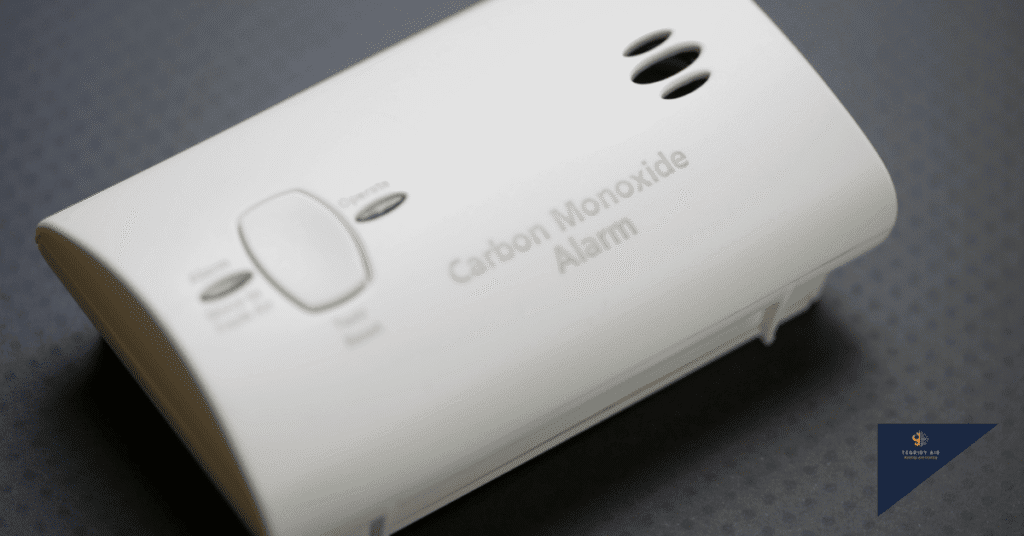
Professional Inspections and Installation
Testing and cleaning are steps homeowners can handle, but HVAC experts add another layer of protection:
- Inspect for leaks around fuel-burning appliances.
- Check furnace ventilation systems.
- Advise on proper detector placement.
- Provide cleaning, repair, and installation services for detectors.
At Tegridy Air, our technicians ensure that detectors are powered, placed correctly, and working effectively to keep your family safe.
What to Do if the Detector Sounds an Alarm
If your detector sounds an alarm due to dangerous levels of carbon monoxide:
- Leave the home immediately and move to fresh air.
- Call emergency services before returning.
- Do not attempt to ventilate the home manually.
- Schedule an HVAC inspection to prevent future gas leaks.
Treat every alarm as an emergency. Acting quickly could save lives.
Conclusion
Tegridy Air: A detector is a safety device that protects against the risks of carbon monoxide poisoning. To keep your home safe:
- Test the detector regularly using the test button.
- Replace the batteries in your CO detector at least once a year.
- Follow placement guidelines to ensure coverage.
- Replace your CO detector every 5 to 7 years.
Rely on HVAC professionals for inspections, cleaning, and installation.
Find us on Google