
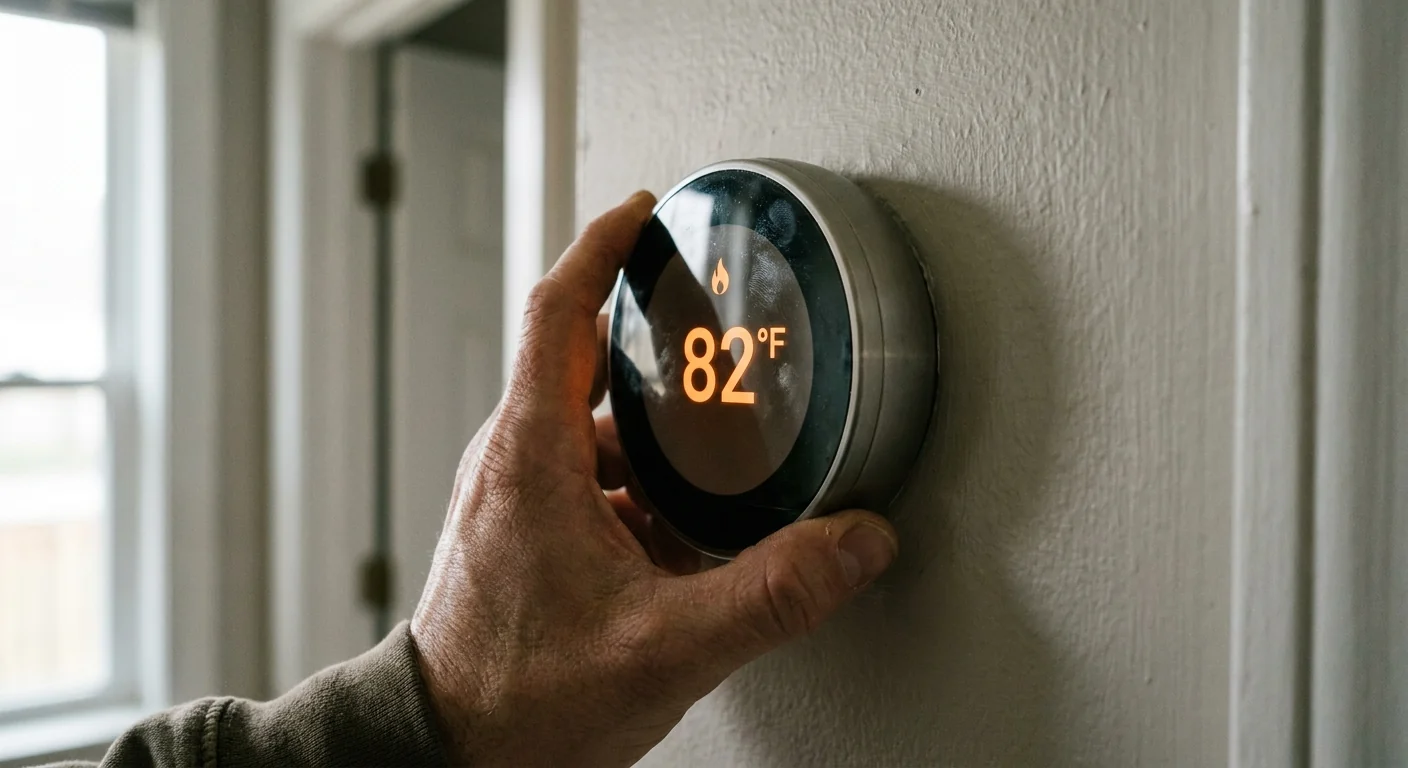
The best thermostat setting in a South Louisiana heat wave is 78°F (26°C) when you are home. Use a higher setting when you are away.
When the temperature goes above 90°F, many homeowners ask if lowering the thermostat a few degrees keeps the house comfortable. The answer is not a simple yes or no. It depends on how the system works, how tight the house is, and how you use the thermostat each day. In Kenner and Metairie, humidity can make 78°F feel cooler than the same setting in a dry climate.
Below we explain why 78°F is recommended. We also show how a smart thermostat can set automatic setbacks. We list maintenance steps that keep your system running well during a long heat wave. The goal is to give you clear steps you can take now. We also tell you when a visit from Tegramy Air can save time and money.
Why 78°F Is the Sweet Spot for Comfort and Efficiency
Setting the thermostat to 78°F balances comfort and AC load. Most people feel cool enough to relax at this temperature. The compressor does not have to run nonstop. Lower temperatures make the compressor cycle more often. This raises electricity use and wears parts faster.
In Greater New Orleans, outdoor humidity often exceeds 70%. The body cools itself by evaporating sweat. A slightly higher indoor temperature still feels comfortable when the air is dry enough. A 78°F setting keeps indoor humidity in a range where the AC dehumidifies well. This reduces the need for a separate dehumidifier.
Utility calculators show that raising the thermostat one degree can cut cooling costs by 3-5%. During a weeks-long heat wave, those savings add up. The key is to avoid large temperature swings. A steady 78°F setting prevents short-cycling. It also helps keep humidity steady.
Using a Smart Thermostat for Automatic Setbacks
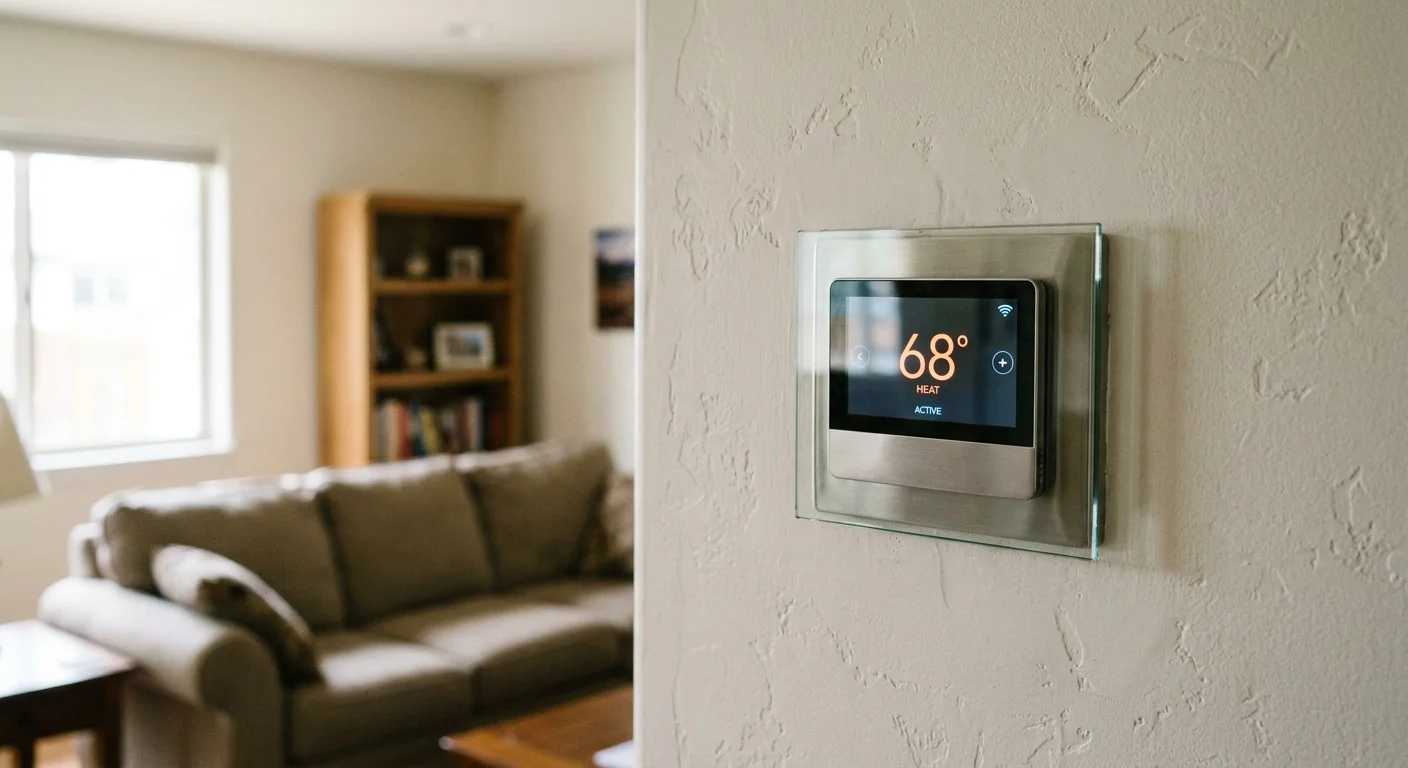
A smart thermostat lets you program temperature changes. It can use occupancy, time of day, or weather forecasts. Set a home temperature of 78°F. Set an away temperature of 84°F for when you leave work. The thermostat learns how fast your house cools. It then adjusts start-up time so you never walk into a hot home.
Most smart thermostats have a geofencing feature. It uses your phone’s location. When you leave Metairie or Kenner, the thermostat raises the set point. When you return, it lowers the temperature before you enter. This saves energy without manual changes.
Smart thermostats also give detailed usage reports. You can see how many hours the AC ran each day. You can see which rooms used the most cooling. You can see if the system runs longer than normal. These reports help you decide if you need a professional diagnostic.
Managing Humidity and Indoor Air Quality
High humidity is a big comfort problem in South Louisiana. Even if temperature feels right, sticky air makes the house feel warmer. Your central AC removes humidity while it cools. This works only if the fan runs at the right speed and the coil is clean.
Use the “dry mode” or “dehumidify” setting if your thermostat has one. This runs the fan slower. More moisture then condenses on the coil. Keep interior doors open when possible. This lets conditioned air circulate evenly. It prevents pockets of humid air.
Air purifiers and high-efficiency filters can improve indoor air quality. They do this without hurting cooling performance. A MERV-13 filter catches pollen and mold spores. These are common in the Gulf Coast. If you have allergies, consider a whole-home air purifier that works with your HVAC.
Regularly clean or replace filters. Many homeowners overlook this habit. A clogged filter makes the blower motor work harder. This raises electricity use. It also reduces airflow over the evaporator coil. That can cause higher indoor humidity. It also raises the risk of coil freeze-up.
Seasonal Maintenance and Cost-Focused Service Overview
Even the best thermostat cannot fix a system that is out of tune. During a heat wave, inefficiency shows up fast as higher bills and less comfort. A professional tune-up before the season starts can catch problems early. This prevents emergencies.
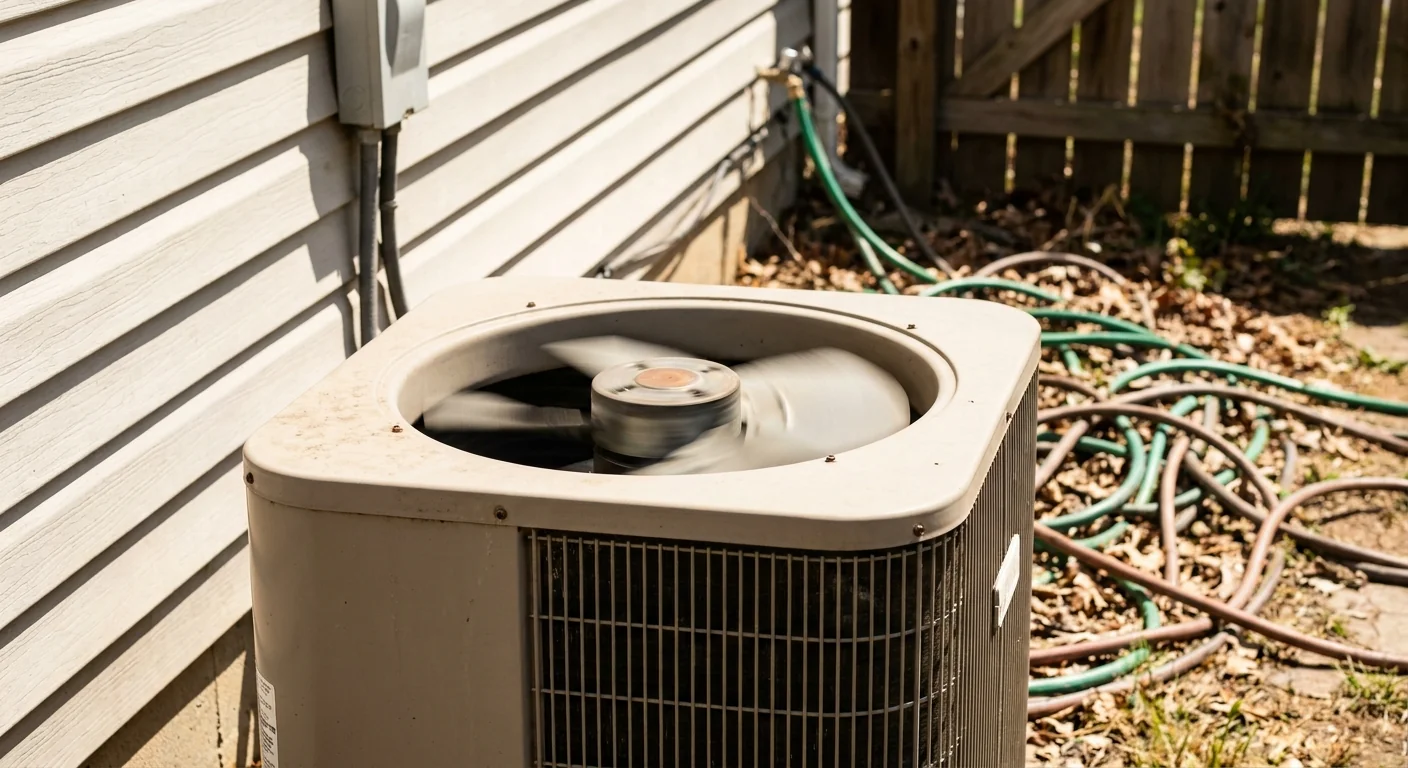
A typical maintenance visit checks refrigerant charge. It inspects the fan and blower motor. It tests the compressor. It verifies electrical connections. If refrigerant is low, you need to add more. Refrigerant prices range from $125 to $225 per pound. Newer R-454B is at the high end.
Motor replacement costs vary by type. A standard single-speed motor costs $450-$800. A variable-speed ECM motor costs $1,000-$1,200. If the compressor fails, replacement costs $1,800-$2,900. Capacitor or contactor work costs $200-$450. Leak repairs cost $400-$900 plus refrigerant. A diagnostic fee is often included.
Tegridy Air’s published dispatch fee for Greater New Orleans is $109. Repair pricing is quoted after diagnosis and before the repair proceeds.
When to Call a Professional: Signs Your System Needs Attention
If you notice any of these signs, schedule a visit from a certified, insured technician. First, air from vents feels weak or uneven. This often means a clogged filter, a failing blower motor, or duct problems.
Second, you hear unusual noises like rattling, squealing, or grinding. These sounds can mean a loose fan belt, a failing motor, or a compressor problem. Third, you see ice on the evaporator coil or refrigerant lines. Ice means the coil lacks enough airflow or refrigerant is low.
Fourth, your electric bill spikes even though the thermostat stays the same. This could mean refrigerant loss, a failing compressor, or a fan motor working too hard. Finally, any foul odors, especially a burning smell, need immediate attention.
Tegridy Air offers AC repair, duct repair, and air purification services in Kenner and Metairie. A quick diagnostic can pinpoint the issue. The technician will explain repair options and costs before any work starts.
Energy-Saving Habits Beyond the Thermostat
Thermostat settings are only part of the equation. Simple habits can cut your cooling bill noticeably. Close blinds or shades on sun-exposed windows during the hottest part of the day. Direct sunlight adds heat, making the AC work harder.
Use ceiling fans in rooms that are occupied. Fans create a wind-chill effect. This lets you feel comfortable at a higher temperature. Set your thermostat 2-3°F higher when fans run. You will see lower energy use.
- Seal gaps around doors and windows with weather-stripping or caulk.
- Keep interior doors open to allow air to flow freely.
- Turn off unnecessary lights and appliances that generate heat.
Consider adding attic insulation or reflective roof coating if your home is older. These upgrades reduce heat that reaches living space. This lowers the cooling load. While they cost money upfront, long-term savings can be big.
Final Thoughts
Set your thermostat to 78°F when you are home. Use a smart thermostat for automatic setbacks. Keep up with regular maintenance. These steps give you the best chance to stay cool without breaking your budget. Simple habits like closing blinds, running fans, and sealing leaks add extra savings.
If any warning signs appear, or if you are unsure about system size, call Tegridy Air. They can give a clear diagnosis and a written quote. A quick service call can stop a small issue from becoming a costly repair during a heat wave peak.
Dealing with this right now? Call Tegridy Air at 504-414-8655 or request a free quote online – we’re local to Kenner and Metairie and we move fast.
Related Reading
- How Often Should You Change Your AC Filter in South Louisiana?
- How Often Should You Change Your AC Filter in South Louisiana?
- How Often Should You Change Your AC Filter in South Louisiana?
Frequently Asked Questions
How often should I replace my thermostat filter during a heat wave?
Check the filter every two weeks. Replace it at least once a month if you have pets or live in a dusty area.
Is 78°F the right temperature for everyone?
It’s a good starting point for most adults. If you have young children, seniors, or medical conditions, you may need a slightly cooler setting for comfort.
Can a smart thermostat lower my electric bill by itself?
It can help by automating setbacks and learning your schedule, but the biggest savings still come from proper system maintenance and good home sealing.
What should I do if my AC freezes up during a heat wave?
Turn the thermostat to “fan only” to melt the ice, check the filter, and call a professional. A frozen coil often means airflow or refrigerant issues that need a technician’s attention.