

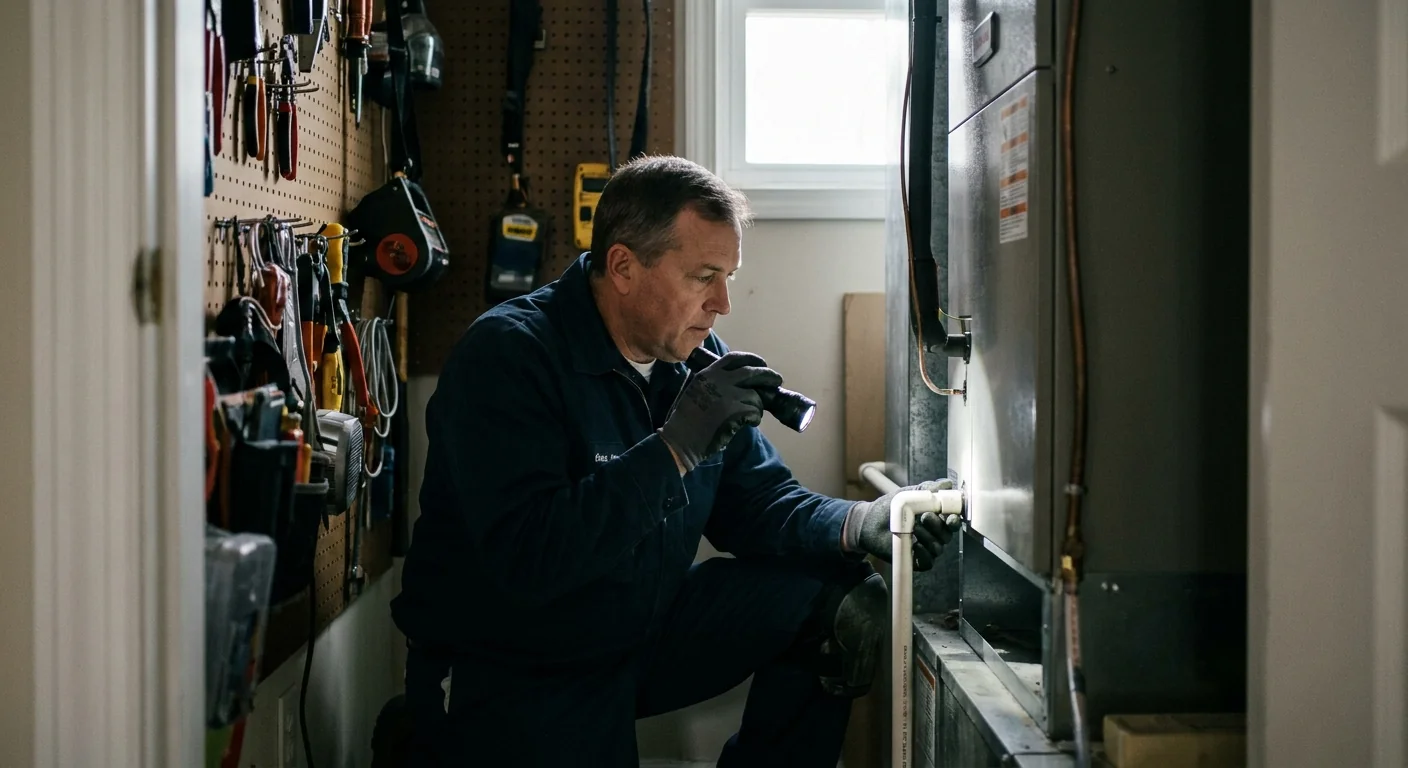
A clogged condensate drain line is the most common cause of indoor water from your AC.
When you see water pooling around your indoor unit, the first thing to check is the drain line. In Metairie and the surrounding areas, humidity pushes a lot of moisture through the system. If that moisture can’t leave the house, it backs up into the drain pan and then onto the floor.
Homeowners often think the problem is a broken air conditioner or a leaky pipe in the wall. The reality is that the condensate line is a narrow PVC pipe that can get blocked by algae, dust, or even a small piece of insulation. When the line is blocked, the water that the AC pulls out of the indoor air has nowhere to go.
How the Condensate System Works
The air conditioner cools the indoor air by passing it over a cold coil. As warm, humid air contacts the coil, the moisture condenses into water droplets. Those droplets collect in a shallow metal tray called the drain pan. From there, a small pump or gravity pulls the water into a PVC pipe that runs to the outside or to a floor drain.
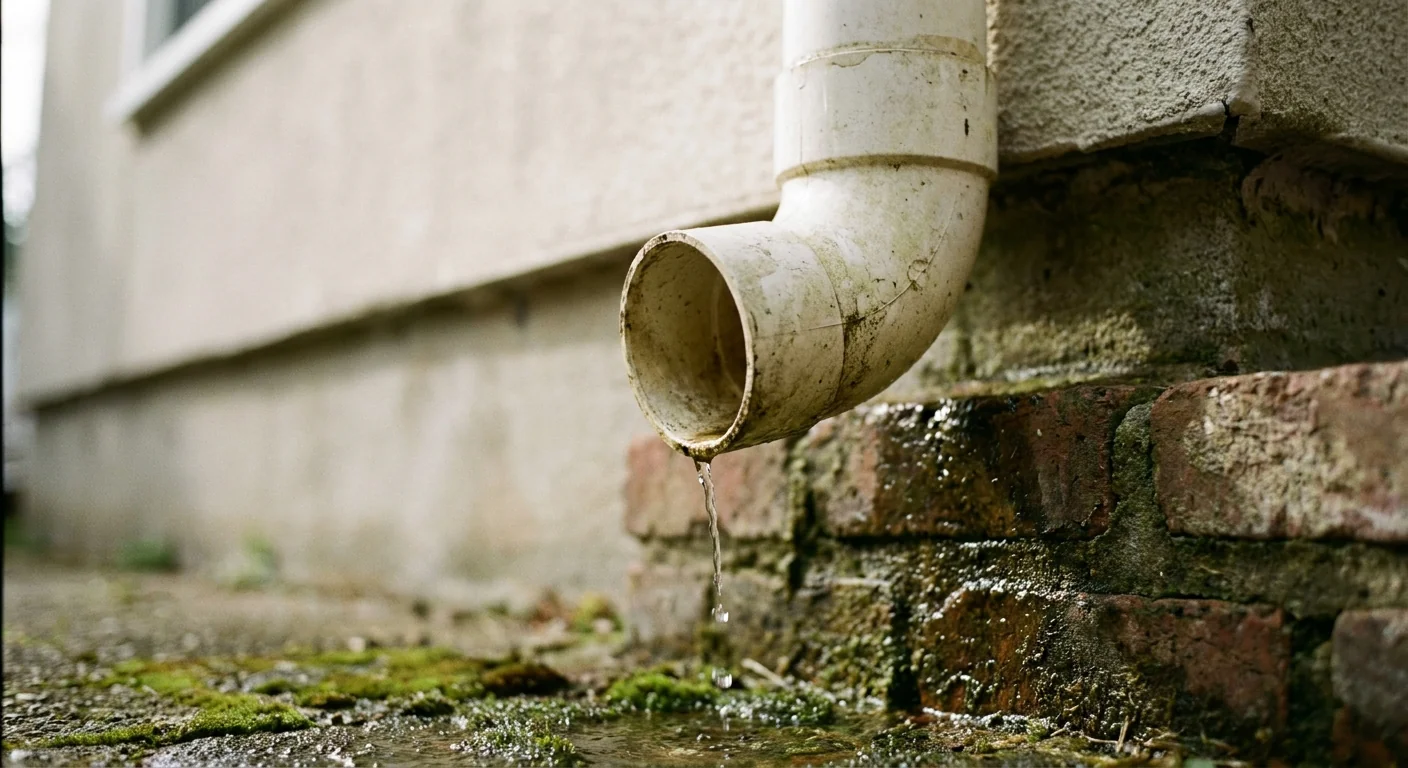
In most homes in Kenner and Metairie, the pipe is installed at a slight downward angle so gravity does the work. The pipe may be hidden behind a wall, under a floor, or routed through a utility closet. Because the pipe is narrow—often 3/4 inch in diameter—any buildup can quickly become a blockage.
The system is designed to be low-maintenance, but the combination of high humidity, dust from construction, and occasional mold spores creates a perfect environment for clogs. When the line is clear, the water disappears through the exterior wall or a nearby floor drain with no trace. When it’s blocked, the water stays where it formed.
Signs You Have a Clogged Drain Line
If you notice any of the following, the drain line is likely the culprit. These symptoms show up whether the AC is running full-blast in July or just cycling on a milder day.
- Water pooling on the floor near the indoor unit.
- A slow-dripping sound coming from the unit’s side.
- Musty or moldy smell around the air handler.
- Frequent “high humidity” alerts on your thermostat.
- The drain pan is full or overflowing.
When the pan overflows, the water can soak the carpet, damage hardwood, or ruin drywall. In severe cases, the excess moisture can create mold growth behind walls, leading to health concerns and costly repairs.
Another clue is a sudden increase in your electricity bill. The AC has to work harder to remove the same amount of moisture when the drain line is blocked, so the compressor runs longer and the fan works harder.
Fixing the Problem: DIY Checks vs Professional Repair
Before you call anyone, you can do a quick visual check. Locate the PVC pipe that runs from the drain pan to the outside. Look for obvious kinks, cracks, or visible algae growth. If the pipe is accessible, you can try a gentle suction with a wet-dry vacuum to pull the blockage out.
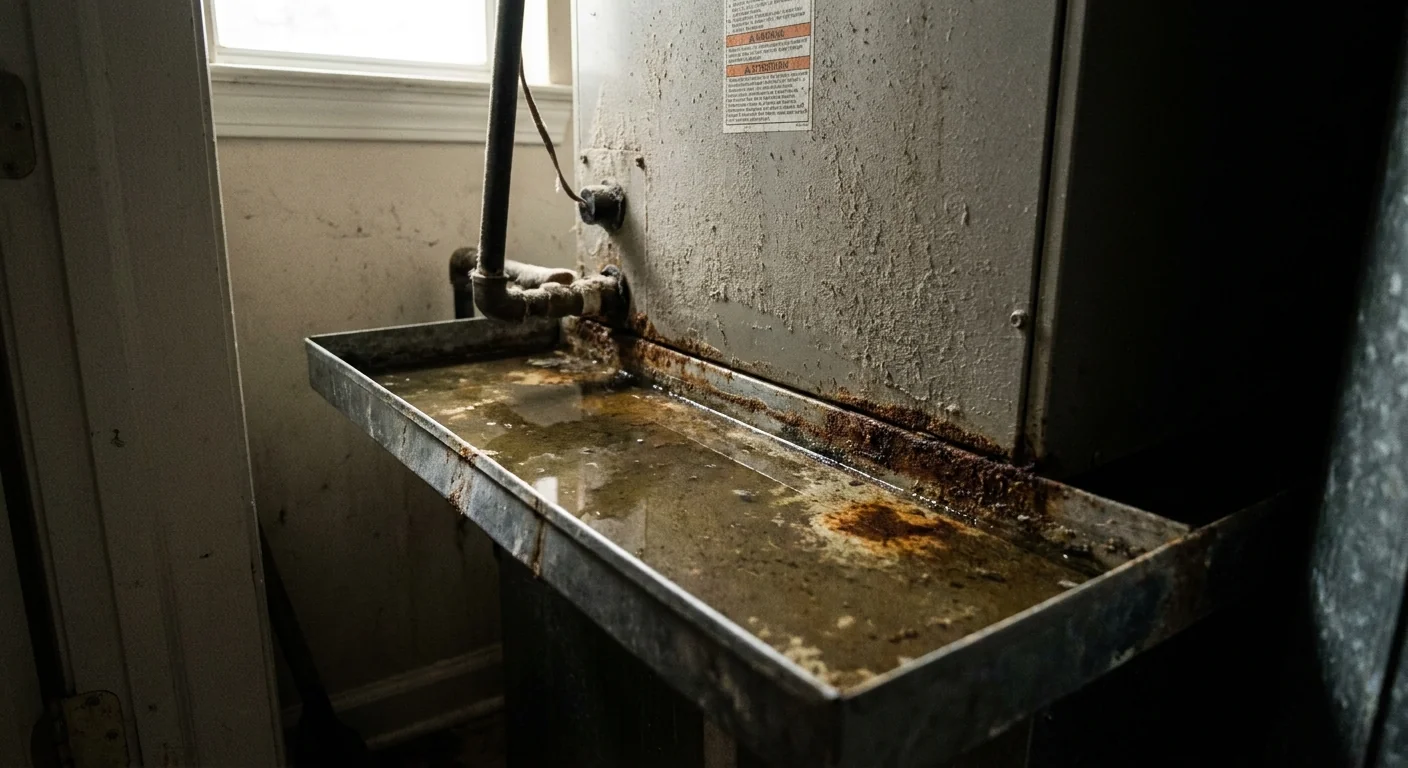
If the vacuum doesn’t clear the line, it’s time to bring in a professional. A technician will disconnect the pipe, flush it with a cleaning solution, and verify that water flows freely. They will also inspect the drain pan for rust or damage that could cause leaks even after the line is cleared.
Tegridy Air’s published dispatch fee for Greater New Orleans is $109. Repair pricing is quoted after diagnosis and before the repair proceeds.
In some cases the blockage is caused by a broken condensate pump. Replacing a pump generally costs $200-$450 for the part and labor. If the pump fails, the water will back up even if the line itself is clear.
Cost-Focused Overview
Here’s what you can expect to pay for common AC repair tasks in the Metairie area. All prices are ranges for a full professional install or service. The exact amount depends on the size of your system, the brand, and the extent of the work.
- Refrigerant: $125-$225 per pound (newer R-454B at the high end).
- Fan/blower motor replacement: $450-$1,200.
- Compressor replacement: $1,800-$2,900.
- Capacitor or contactor replacement: $200-$450.
- Refrigerant leak repair: $400-$900 plus refrigerant cost.
- Dispatch fee in Greater New Orleans: $109. Repairs are quoted after diagnosis.
- Repair labor and parts: included in the quoted repair scope.
- System replacement: free estimates; see the 2026 Kenner AC replacement cost guide for planning information.
These figures give you a realistic sense of what a repair might cost. We always give a clear quote after the diagnostic, so you know exactly what you’re paying before any work begins.
Preventing Future Clogs
Regular maintenance is the best way to keep the condensate line clear. During a seasonal tune-up, a technician will clean the drain line, check the pan for rust, and verify that the pump (if you have one) is operating correctly.
- Schedule a professional inspection at least once a year, ideally before the hottest months.
- Replace the filter every 1-3 months to reduce dust that can end up in the drain line.
- Keep the area around the indoor unit clean and free of debris.
- Consider adding a condensate line filter or trap; these are inexpensive and catch algae before it builds up.
Homeowners can also run a simple maintenance routine. Every few months, pour a cup of distilled white vinegar into the drain line opening. Let it sit for 30 minutes, then flush with warm water. This helps dissolve any slime that may be forming.
If you have a smart thermostat, set it to alert you when the humidity level inside the house rises above 60%. High humidity often precedes a drain line issue, giving you a heads-up before water appears on the floor.
When to Call a Professional
If you notice any of the following, call us right away. Ignoring the problem can lead to water damage, mold growth, and higher energy bills.
• The drain pan is rusted or has holes.
• Water is leaking from the outdoor unit’s condensate line.
• The AC shuts off unexpectedly after a short run.
These signs suggest that the issue goes beyond a simple clog. A professional can assess the whole system, check for hidden leaks, and ensure the unit is running efficiently. In Kenner, Metairie, and surrounding South Louisiana, we’re familiar with the local building styles and can navigate tight crawl spaces without damaging walls or flooring.
Our maintenance plan is $25 per month or $300 per year and includes two service visits and a 15% discount on repairs. Repair discounts do not apply to system installations. Confirm the plan terms and any separately quoted work when booking.
Where That Leaves You
A clogged condensate drain line is a straightforward issue that can cause indoor water, higher bills, and potential damage if left unchecked. The problem is usually easy to identify and can be cleared with a professional flush or a simple part replacement.
If you catch the issue early, the repair cost is modest and the downtime for your AC is short. Regular maintenance, a clean filter, and occasional vinegar flushes keep the line clear and your home comfortable throughout the hot, humid months.
When the problem persists or you see signs of rust, pump failure, or repeated overflow, it’s time to let a certified and insured technician take a look. A quick diagnostic visit will pinpoint the exact cause and give you a clear estimate for any needed repair.
Not sure what your system needs? Tegridy Air can help – call 504-414-8655 or request a free quote online and we’ll give you a straight answer.
Related Reading
- What AC Repair Actually Costs in Kenner – An Honest Breakdown
- Expert AC Repair Tips for Kenner & Metairie Homeowners
- Repair or Replace Your AC? An Honest Cost Breakdown for New Orleans Homeowners
Frequently Asked Questions
Why does my AC leak water only when it’s running?
The AC pulls moisture from the indoor air. If the condensate drain line is blocked, the water collects in the drain pan and can overflow onto the floor.
Can I use bleach to clean the condensate drain line?
Bleach can damage rubber components and seals. A mixture of distilled white vinegar and warm water is a safer choice for routine cleaning.
How often should I have my AC inspected for drain line issues?
At least once a year, preferably before the summer heat peaks. An annual inspection catches clogs, rust, and pump problems early.
What does a “drain pan overflow” warning mean on my thermostat?
It means the thermostat’s sensor has detected water in the pan or around the unit. This usually points to a clogged line or a cracked pan that needs attention.