
By Scott Gieseler · Published · Updated
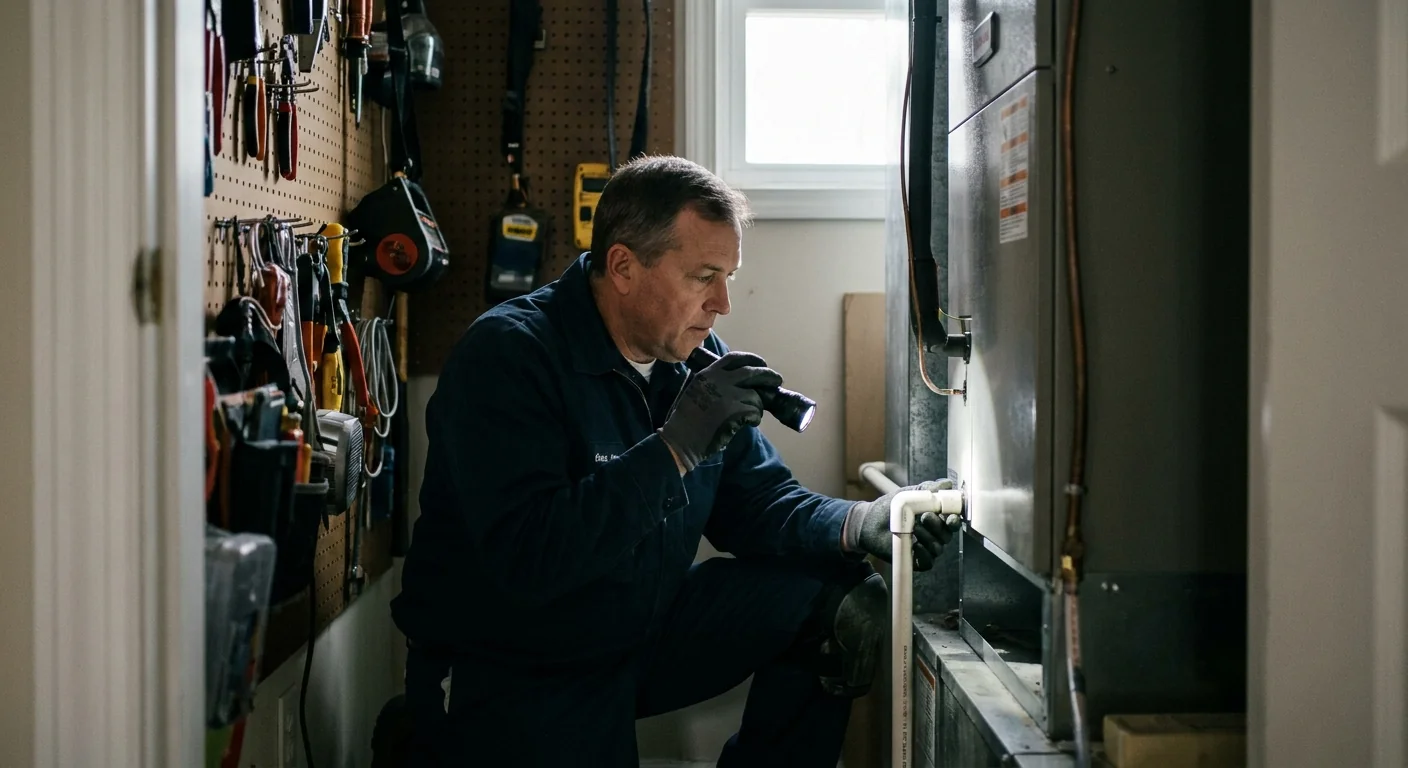
A clogged condensate drain is one possible cause of indoor AC water. Turn cooling off if water is leaking, and stay clear of wet electrical equipment.
In Metairie and the surrounding areas, a drainage problem is one possible source of water around an indoor unit. Note where water appears and whether it happens during cooling. Those observations help a technician distinguish a clog from other faults without opening the equipment.
Homeowners often think the problem is a broken air conditioner or a leaky pipe in the wall. The reality is that the condensate line is a narrow PVC pipe that can get blocked by algae, dust, or even a small piece of insulation. When the line is blocked, the water that the AC pulls out of the indoor air has nowhere to go.
How the Condensate System Works
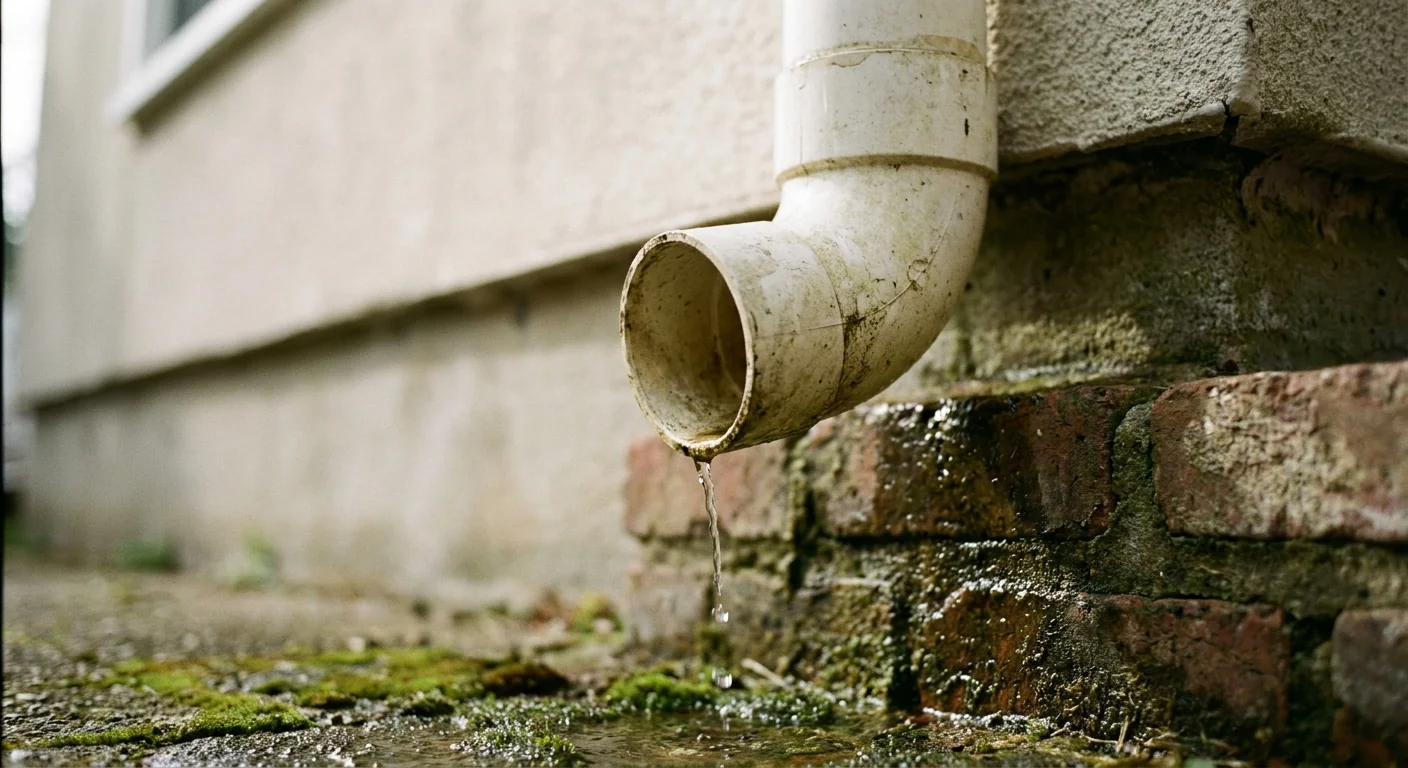
The air conditioner cools the indoor air by passing it over a cold coil. As warm, humid air contacts the coil, the moisture condenses into water droplets. Those droplets collect in a drain pan, which may be made from metal or another material suited to the equipment. From there, a small pump or gravity pulls the water into a PVC pipe that runs to the outside or to a floor drain.
In most homes in Kenner and Metairie, the pipe is installed at a slight downward angle so gravity does the work. The pipe may be hidden behind a wall, under a floor, or routed through a utility closet. Because the pipe is narrow—often 3/4 inch in diameter—any buildup can quickly become a blockage.
The system is designed to be low-maintenance, but the combination of high humidity, dust from construction, and occasional mold spores creates a perfect environment for clogs. When the line is clear, the water disappears through the exterior wall or a nearby floor drain with no trace. When it’s blocked, the water stays where it formed.
Signs You Have a Clogged Drain Line
The following signs warrant checking the drainage system, but a damaged pan, failed pump, or thawing frozen coil can also cause water problems. These symptoms show up whether the AC is running full-blast in July or just cycling on a milder day.
- Water pooling on the floor near the indoor unit.
- A slow-dripping sound coming from the unit’s side.
- Musty or moldy smell around the air handler.
- Frequent “high humidity” alerts on your thermostat.
- The drain pan is full or overflowing.
When the pan overflows, the water can soak the carpet, damage hardwood, or ruin drywall. In severe cases, the excess moisture can create mold growth behind walls, leading to health concerns and costly repairs.
A clogged drain mainly creates a water-overflow risk. A fitted float switch may stop cooling, but a blockage does not by itself prove that the compressor or fan is working harder. Higher bills or humidity need a broader diagnosis.
Fixing the Problem: DIY Checks vs Professional Repair
First turn cooling off at a dry, safely accessible thermostat. Do not touch wet equipment, wiring, or plugs. You can note where water appears from a safe location, but leave cabinet access, electrical isolation, and clearing an unfamiliar drain to a technician.
A technician can identify the drain route, clear the blockage using a method suitable for the installation, and test drainage. They should also check the pan, pump if fitted, and any overflow protection. Do not bypass a float switch to restart cooling.
Tegridy Air’s published dispatch fee for Greater New Orleans is $109. Repair pricing is quoted after diagnosis and before the repair proceeds.
In systems fitted with a condensate pump, pump failure can cause a backup even without a blocked pipe. Replacing a pump generally costs $200-$450 for the part and labor. If the pump fails, the water will back up even if the line itself is clear.
Cost-Focused Overview
Here’s what you can expect to pay for common AC repair tasks in the Metairie area. All prices are ranges for a full professional install or service. The exact amount depends on the size of your system, the brand, and the extent of the work.
- Refrigerant: $125-$225 per pound (newer R-454B at the high end).
- Fan/blower motor replacement: $450-$1,200.
- Compressor replacement: $1,800-$2,900.
- Capacitor or contactor replacement: $200-$450.
- Refrigerant leak repair: $400-$900 plus refrigerant cost.
- Dispatch fee in Greater New Orleans: $109. Repairs are quoted after diagnosis.
- Repair labor and parts: included in the quoted repair scope.
- System replacement: free estimates; see the 2026 Kenner AC replacement cost guide for planning information.
These figures give you a realistic sense of what a repair might cost. We always give a clear quote after the diagnostic, so you know exactly what you’re paying before any work begins.
Preventing Future Clogs
Regular maintenance is the best way to keep the condensate line clear. During a seasonal tune-up, a technician will clean the drain line, check the pan for rust, and verify that the pump (if you have one) is operating correctly.
- Schedule a professional inspection at least once a year, ideally before the hottest months.
- Inspect the specified filter monthly and clean or replace it according to the manufacturer’s instructions and its condition.
- Keep the area around the indoor unit clean and free of debris.
- Ask the technician whether the drain layout, any required trap, and overflow protection are correct for the equipment. A trap is not an algae filter.
Ask the technician to show you any homeowner drain care approved for your system. Do not pour cleaner into an unidentified pipe, force water into a blocked line, or mix cleaning products. Use vinegar only if the equipment instructions or technician recommend it for that installation.
If your smart thermostat supports humidity alerts, a setting above 60% can prompt you to investigate excess moisture. A humidity alert can prompt an inspection, but it does not reliably predict a drain blockage and is not a substitute for overflow protection.
When to Call a Professional
If you notice any of the following, call us right away. Unresolved indoor water can damage surfaces and contribute to mold growth.
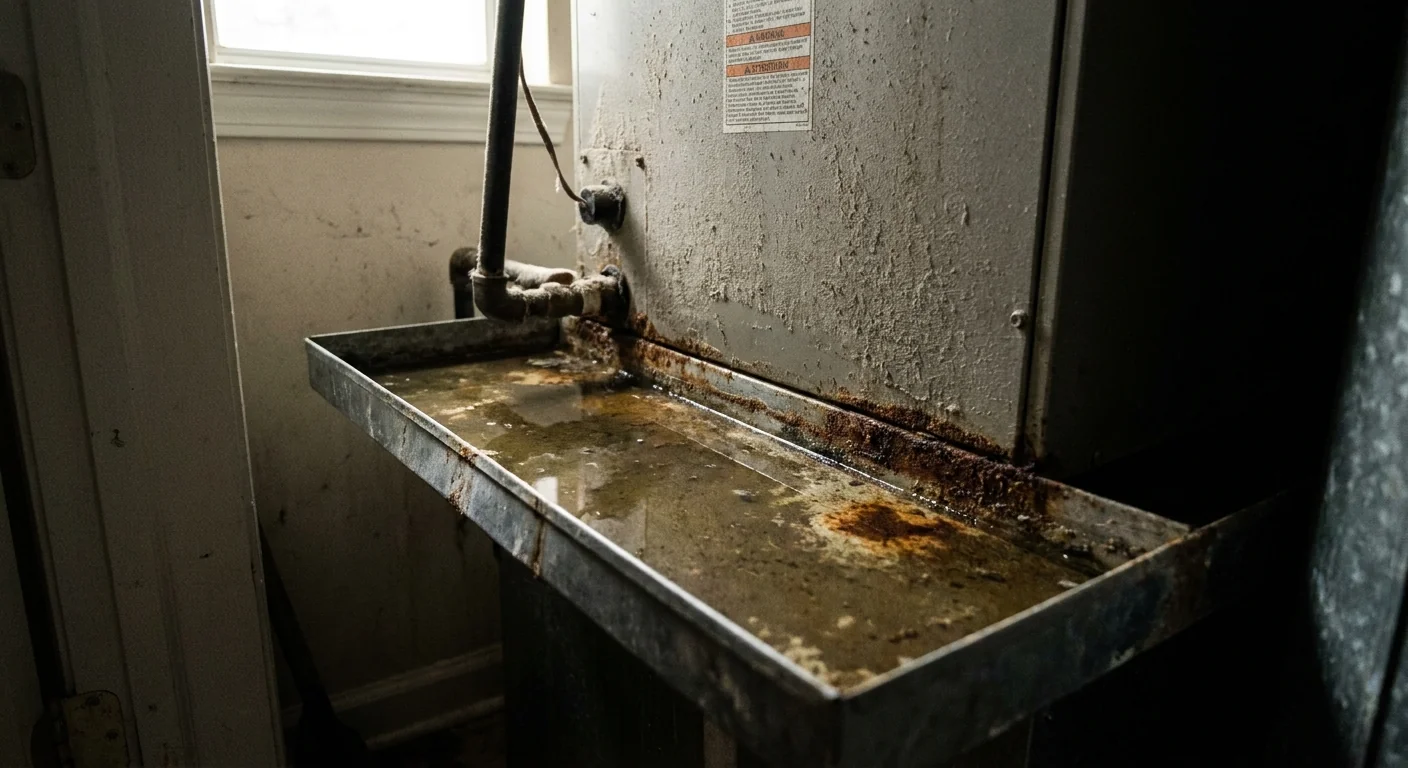
• The drain pan is damaged or overflowing.
• Water appears indoors or a secondary emergency drain begins dripping.
• Cooling stops with standing water near the indoor unit. Normal dripping from the primary drain outlet during cooling is expected.
These signs need diagnosis; they do not prove whether the cause is a clog, damaged pan, pump failure, or another fault. A professional can assess the whole system, check for hidden leaks, and ensure the unit is running efficiently. In Kenner, Metairie, and surrounding South Louisiana, we’re familiar with the local building styles and can navigate tight crawl spaces without damaging walls or flooring.
Our maintenance plan is $25 per month or $300 per year and includes two service visits and a 15% discount on repairs. Repair discounts do not apply to system installations. Confirm the plan terms and any separately quoted work when booking.
Where That Leaves You
A clogged condensate drain can cause indoor water and property damage. A technician can distinguish it from a damaged pan, failed pump, or other source of water before recommending a repair.
Prompt attention can limit water damage. Repair cost and downtime depend on the cause, access, and parts needed. Follow the equipment’s maintenance instructions and have recurring backups investigated.
Recurring overflow, visible damage, or suspected pump failure needs professional assessment. Ask what testing and repair are needed and request the quoted scope before work proceeds.
Not sure what your system needs? Tegridy Air can help – call 504-414-8655 or request a free quote online and we’ll give you a straight answer.
Related Reading
- What AC Repair Actually Costs in Kenner – An Honest Breakdown
- Expert AC Repair Tips for Kenner & Metairie Homeowners
- Repair or Replace Your AC? An Honest Cost Breakdown for New Orleans Homeowners
Frequently Asked Questions
Why does my AC leak water only when it’s running?
The AC pulls moisture from the indoor air. If the condensate drain line is blocked, the water collects in the drain pan and can overflow onto the floor.
Can I use bleach to clean the condensate drain line?
Use only cleaning methods approved for your equipment. Ask a technician to identify the correct access point and product. Never mix bleach with vinegar or other cleaners, and do not add chemicals when you do not know what is already in the line.
How often should I have my AC inspected for drain line issues?
Arrange a professional cooling check before the hot season and follow the equipment manufacturer’s maintenance schedule. Inspection can help identify drainage, pan, or pump problems; recurring water needs attention before the next routine visit.
What does a “drain pan overflow” warning mean on my thermostat?
The meaning depends on the thermostat and installed sensors. It may reflect a float switch or leak sensor rather than a sensor inside the thermostat. Check the model’s instructions, keep cooling off if water is present, and arrange service.