
When a portable dehumidifier’s tank is full, empty it and refit it according to the manual. There is no single emptying schedule: humidity, tank size, room temperature and run time affect how quickly it fills.
If you are emptying the tank often, check whether your model supports a drain hose or pump. Compare the drainage options below before changing the setup.
In this guide, we explain when you need to empty, how much water dehumidifiers collect, and tips for easier dehumidifier maintenance. As an HVAC company serving Kenner, Louisiana, Tegridy Air can help you explore whole-home humidity control.
Why Dehumidifiers Need Regular Emptying
A typical refrigerant dehumidifier draws humid air across a cold coil, where water vapor condenses into liquid water. When you use the collection bucket instead of a drain hose, this water gradually fills the tank. Most models automatically stop when the tank is full, requiring you to empty the water before the unit can run again.
Emptying and cleaning the bucket as directed helps limit mold, mildew and residue inside the tank. It does not remove existing mold elsewhere in the home or replace fixing a moisture problem.
How Often Do You Need to Empty a Dehumidifier?
The tank’s fill rate determines the emptying schedule. Check the water level and full-tank indicator rather than relying on a fixed 24- or 48-hour interval. Factors to consider include:
- Water-removal capacity and tank size
- Humidity level in your home
- Temperature
- Size of the room
Check the tank during initial use to learn how quickly it fills in your space. Empty it when required and follow the manufacturer’s instructions; the routine may change with the weather and your settings.
What Affects Emptying Frequency?
1. Indoor Humidity Levels
Higher indoor humidity can mean faster water collection. Use a humidity meter to track conditions; EPA recommends keeping indoor relative humidity below 60 percent, ideally 30 to 50 percent. The tank’s fill rate can change as the room dries.
2. Room Size
Room size is one factor when choosing a dehumidifier, but square footage alone does not determine how often the tank fills. Moisture sources and the unit’s capacity also matter.
3. Dehumidifier Capacity
Water-removal capacity is usually measured in pints per 24 hours; it is separate from tank volume. A higher-capacity unit does not necessarily need less emptying. Most whole-home systems drain continuously rather than collect water in a removable bucket.
4. Tank Size
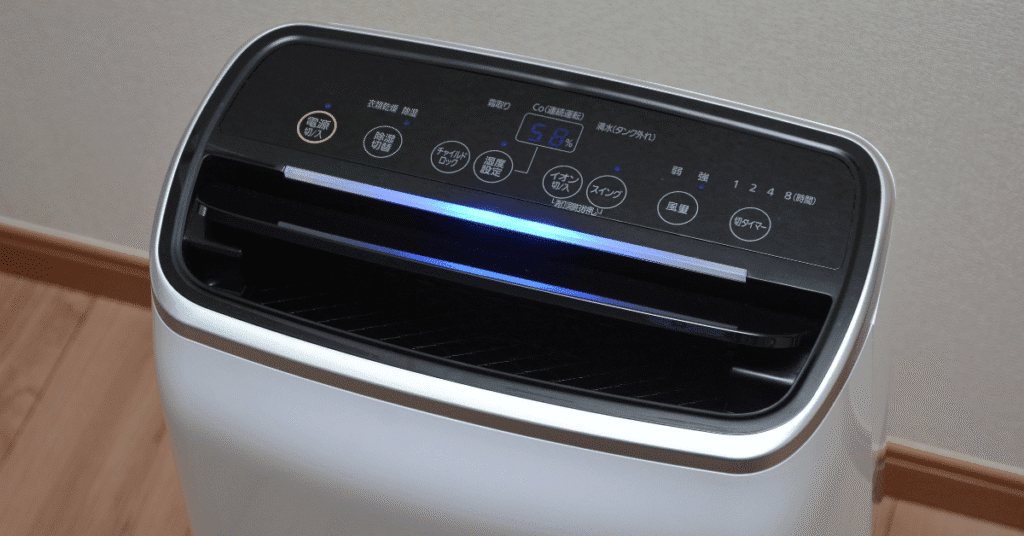
At the same water-collection rate, a larger tank allows more time between emptying. Compare tank volume separately from the unit’s daily removal rating.
5. Run Time
Longer active dehumidification can collect more water. A fan may keep running when the compressor stops, so fan run time alone does not tell you how quickly the tank is filling.
6. Home Ventilation
Use bathroom and kitchen exhaust fans to remove moisture at its source. Keep outside doors and windows closed while dehumidifying, particularly in humid weather; airflow around the unit is still important.
7. Seasonal Changes
You may collect less water in drier seasons, but weather alone does not set the emptying schedule. Low room temperatures can also reduce collection, so check your model’s operating range.
Common Signs It’s Time to Empty Your Dehumidifier
A full-tank indicator or the tank’s fill level is the best guide. Other signs can have different causes:
- Full-tank light or alarm: check the bucket and its position
- Air feels damp or humid: check the humidity reading as well as the tank
- Unit stops running: check for a full or misseated bucket and the selected humidity setting
- Musty odor returns: look for a moisture or cleaning problem
- Water reaches the tank’s full mark, if provided
Persistent musty smells can signal a moisture or mold problem elsewhere. Clean the tank and filter according to the manual, and investigate the source rather than assuming emptying the tank will solve it.
What Happens if You Wait Too Long?
If a full-tank shutoff pauses dehumidification, humidity may rise again. Other problems can develop if cleaning or drainage is neglected:
- On models with a full-tank shutoff, the unit pauses until the bucket is emptied and refitted
- Mold or mildew in a neglected tank
- Unpleasant odors
- Water damage if a hose leaks, drainage blocks, or a shutoff fails
- Humidity can rise while moisture removal is paused
Routine draining and cleaning support normal operation. They do not fix leaks, groundwater entry, or other building moisture problems.
How to Empty Your Dehumidifier Less Often
Depending on the model, you may be able to use a continuous drain hose or pump. When replacing a unit, a larger tank can mean fewer trips at the same collection rate.
Use a Continuous Drain Hose
For a model with a gravity-drain connection, use the specified hose and route it down to a suitable drain below the outlet, without kinks or uphill sections. Follow the manual’s connection and bucket-placement instructions, then check for leaks and free flow.
Upgrade to a Bigger Tank
A larger reservoir can mean less emptying at the same collection rate; it does not increase moisture-removal capacity. Check both specifications when choosing a replacement unit.
Add a Pump
A model with a built-in pump can move water upward within its specified limits. Whole-home systems may use a separate condensate pump installed by an HVAC professional. Follow the instructions for the equipment being used.
Continuous drainage still needs inspection and cleaning. Keep hoses and discharged water away from electrical cords, outlets and equipment.
Types of Drainage Options
- Manual Draining
Turn the unit off, wait as directed for water to finish dripping, then remove, empty and securely refit the tank. Follow the manual. - Gravity Drainage
Requires a compatible hose and a downhill route to a suitable drain below the outlet. - Pump Drainage
Uses a supported pump setup within its hose-length and lift limits; follow the manufacturer’s instructions.
How Climate Plays a Role
Humid weather can add to a home’s moisture load, but the amount collected depends on indoor conditions and the unit’s settings. Check humidity readings and the tank rather than assuming it will fill at the same rate every day.
A dehumidifier can help control moisture. It does not remove all mold spores or clean up existing mold; address leaks and visible or suspected mold separately.
Maintenance Tips for Better Performance
Turn a portable unit off and unplug it before cleaning. Follow the owner’s manual for cleaning products, filter care and required clearances:
- Clean the water tank regularly
- Clean washable filters or replace air filters only as the manual specifies
- Check hoses for kinks, blockages and leaks
- Keep air inlets and outlets unobstructed
- Dust accessible grilles and vents as directed
- Keep the manufacturer’s required clearance for airflow
Let washed filters dry completely before refitting. Use the specified electrical supply and a properly grounded wall outlet; do not use an extension cord or power strip. Never remove safety floats or bypass a full-tank shutoff.
When Should You Call a Professional?
Stop using a leaking unit; if water is near electrical equipment, stay clear and seek qualified help. For other problems, check the manual’s troubleshooting steps and warranty. Contact HVAC experts or the manufacturer if these issues persist:
- Unit shuts off unexpectedly after checking the bucket and settings
- No water collection despite humidity above the set point and a suitable room temperature
- Odor persists
- Odd noises occur
- Water leaking around tank or hose
For portable units, confirm that a provider services your brand and model. An HVAC professional can also assess whole-house dehumidifier options and persistent indoor humidity.
Final Thoughts
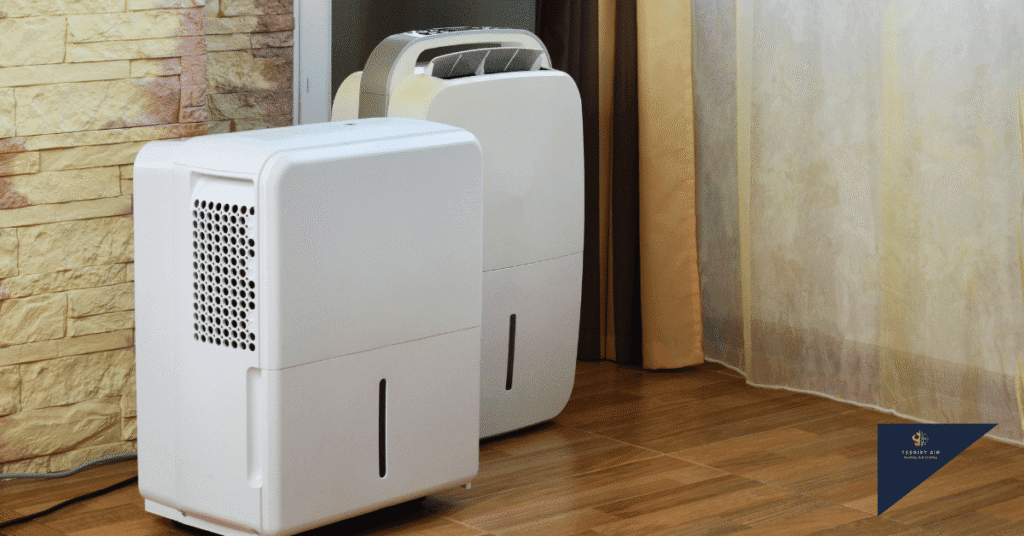
Empty the tank when required rather than relying on a fixed one- or two-day schedule. Follow your model’s cleaning and drainage instructions. A compatible continuous-drain setup can reduce manual emptying.
If indoor humidity stays high, Tegridy Air can help with HVAC installation, repair, or discussing whole-home dehumidifier options. The right approach depends on the source of the moisture as well as the equipment.
Sources: ENERGY STAR dehumidifier guidance, EPA moisture and mold guidance, GE drainage guidance, and GE cleaning guidance. Follow the instructions for your specific model; features and care requirements vary.