
A furnace pressure switch monitors the draft pressure created by the inducer. On many gas furnaces, the control must detect the expected pressure-switch state before ignition and during operation. A pressure-switch fault can stop heating, but it does not by itself prove that the switch is defective.
If you smell gas or suspect a leak, leave immediately without operating switches, using a phone, or trying to shut off the gas; call 911 and your gas utility from a safe distance. If a carbon monoxide alarm sounds or you suspect CO poisoning, get outside to fresh air and call 911. For smoke or fire, evacuate and call 911 from outside. Do not re-enter until emergency responders say it is safe. For a persistent electrical or burning-plastic odor without signs of a gas leak, stop using the furnace and arrange professional inspection.
For non-emergency furnace service in Greater New Orleans, skip the phone call and book online, or call (504) 414-8655.
Why Problems May Appear at the First Heating Call
A furnace that has been idle may have a vent obstruction, damaged tubing, an inducer problem, or a condensate issue on a condensing model. These can become noticeable when heating starts again. The fault needs diagnosis rather than an assumed seasonal cause.
An open pressure switch may be responding correctly to a draft problem, or the switch or its circuit may be faulty. A pre-season inspection can help identify problems. If the furnace will not start, do not bypass the switch.
In this guide, we’ll look at what a pressure switch monitors, signs of a possible problem, professional diagnosis and repair, and when to call heating professionals like Tegridy Air in Kenner, Louisiana.
This information is especially helpful for homeowners curious about their gas furnace or anyone noticing trouble with their furnace starting or staying on.
What Is a Furnace Pressure Switch?
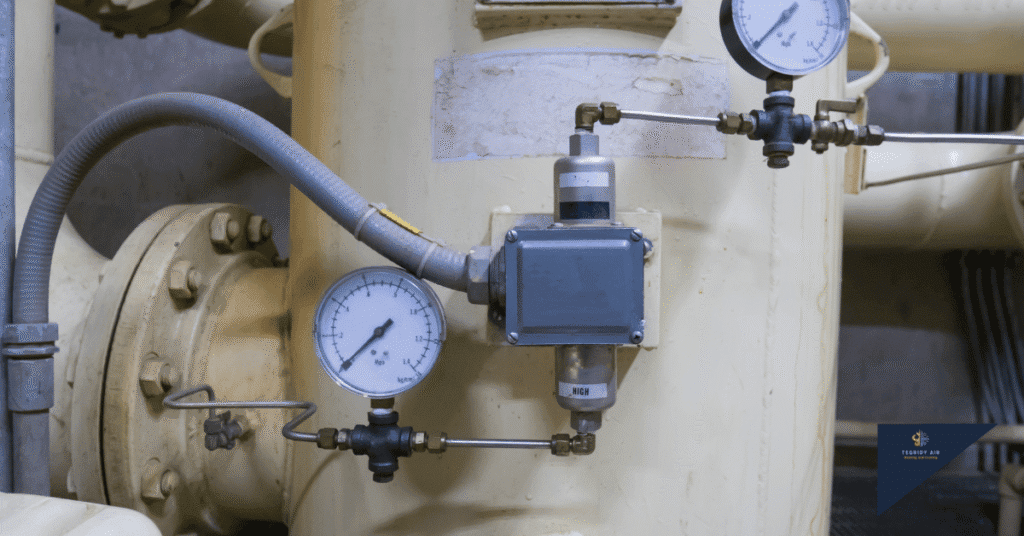
A furnace pressure switch is a safety control commonly located near the draft inducer. It senses pressure at its connected port or ports. The furnace control uses that signal as one condition for allowing burner operation.
If the expected pressure signal is missing, the control may prevent ignition or stop the burners. The switch does not detect a gas leak or carbon monoxide and cannot guarantee that every part of the venting system is safe.
So even though it’s small, this safety switch is central to safe furnace operation.
Why the Pressure Switch Matters
Your gas furnace produces combustion gases that must vent outdoors. A pressure-switch circuit helps stop burner operation when the monitored draft pressure is outside its operating range. Other safety controls and proper installation are also essential.
The pressure-switch circuit helps the control:
- Check for the expected inducer draft-pressure signal
- Prevent ignition when that signal is missing
- Stop burner operation if the monitored pressure condition is lost
If the required pressure-switch condition is not met, the furnace control can prevent ignition or stop the burners.
How a Furnace Pressure Switch Works
When the thermostat calls for heat, the control checks the required safety conditions and starts the inducer. The inducer establishes draft through the combustion and venting path; the exact sequence depends on the furnace.
When the required pressure-switch condition is met, the control can proceed with the remaining ignition checks. A closed switch is only one part of that sequence.
Inadequate draft may keep the switch from closing or cause it to reopen during heating. The control may report a fault; the exact response depends on the furnace model.
The pressure switch is one of the most important furnace safety devices.
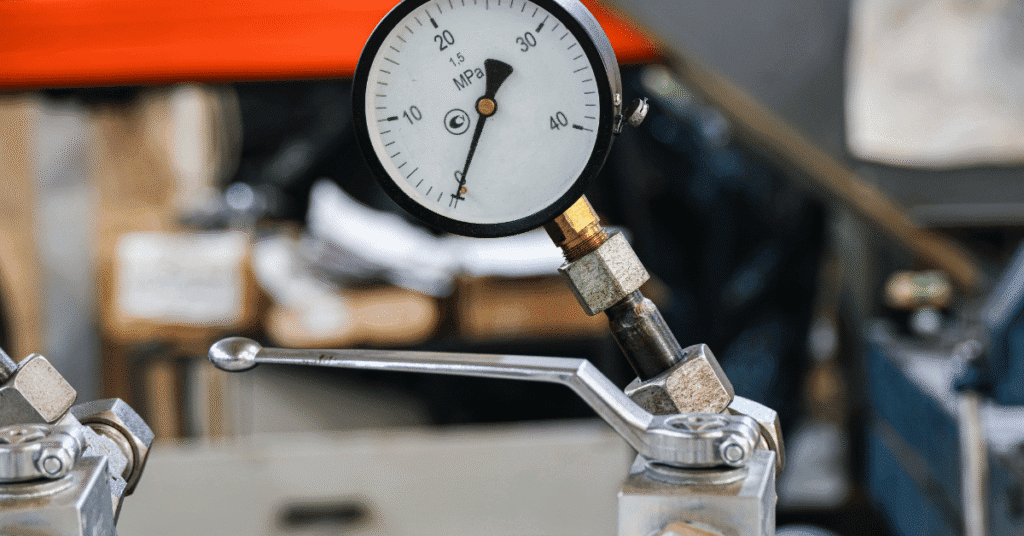
Types of Furnace Pressure Switches
The number of switches and pressure ports varies by furnace design. Use the model’s wiring diagram and service instructions rather than inferring the arrangement from efficiency alone.
- Single-stage designs
Some furnaces use a single draft-pressure switch. - Two-stage or modulating designs
Some use multiple switches or pressure-sensing arrangements. - Model-specific controls
The specified pressure setting and replacement part must match the furnace.
These controls monitor particular pressure conditions; none replaces a full safety inspection.
Signs of a Pressure-Switch-Related Problem
Starting problems and fault codes can involve the switch or the conditions it monitors. Possible symptoms include:
- Furnace starts then shuts off quickly
- Furnace won’t ignite
- Switch can’t close
- Repeated clicking
- Error code flashes
- Pressure switch remains open
- A pressure-switch-related fault code in the model’s manual
- Furnace short cycling
These symptoms are not a diagnosis. A technician must check the furnace and the conditions the switch monitors.
What Causes Pressure Switch Problems?
A pressure-switch fault can result from a failed switch, wiring or tubing damage, or a problem with the inducer, venting, or condensate drainage. A correctly working switch may be stopping the furnace for a reason.
Possible causes of a pressure-switch fault:
- Blocked vent or blocked exhaust
- Switch and the inducer not operating correctly
- Clogged hoses on the pressure switch
- Loose tubing
- Excess moisture
- Blockage in intake or vent
- Furnace vent problems
- Old furnace components
- Bad switch
- Problems with inducer motor
- Issue inside the switch
A blocked vent or inducer problem can prevent the required draft-pressure signal. A technician must determine the cause.
How Professionals Diagnose Pressure-Switch Faults
Common signs include difficulty starting, repeated attempts, and no heating. Many modern units show error codes helpful for troubleshooting.
During a professional inspection, a technician may find:
- Moisture
- Cracks
- Loose tubing
- Furnace components damage
A professional may:
- Test voltage
- Inspect venting
- Check the furnace tubing
- Evaluate air pressure
- Inspect the furnace exhaust system
Leave internal checks to a qualified technician. Never bypass or jumper a pressure switch, adjust its setting, or try to reset it to restore heat. Do not repeatedly cycle power to force heating. Do not remove, adjust, or blow into pressure tubing.
Can You Bypass a Furnace Pressure Switch?
Some try to bypass the switch, but doing so is extremely unsafe. It eliminates protections meant to prevent gas furnace hazards, including carbon monoxide exposure.
Bypassing:
- Removes a designed safety interlock
- Can hide the underlying draft or venting fault
- Can allow burner operation under unsafe conditions
- Conflicts with manufacturer safety instructions
Instead of bypassing, call a qualified technician to find the cause and determine whether the furnace needs repair or a replacement pressure switch.
How Professionals Repair Pressure Switch Problems
A pressure-switch fault does not always require a new switch. Correcting a problem in the venting, tubing, condensate drainage, or inducer may resolve the fault.
A technician may:
- Clear a blocked vent
- Test the draft inducer
- Clean tubing
- Perform furnace repair
- Replace the pressure switch if needed
If replacement is needed, the technician must use the specified part and verify operation after correcting any underlying fault. Timing depends on the diagnosis and part availability.
Maintenance Tips to Prevent Issues
Arrange professional furnace maintenance as recommended by the manufacturer. Limit homeowner upkeep to tasks allowed by the owner’s manual.
Best practices:
- Annual furnace check
- Keep the area around safely accessible outdoor intake and exhaust openings free of loose debris; do not climb, reach inside pipes, or dismantle venting
- Change filters
- Respond to unusual noises
- Monitor heating and air conditioning performance
Maintenance can identify developing faults. Keep working carbon monoxide alarms installed according to their instructions; the pressure switch is not a CO detector.
What Does a Furnace Pressure Switch Cost?
Cost depends on the furnace model, diagnosis, parts, and labor. Ask for an estimate after diagnosis; a pressure-switch fault may require work elsewhere in the system.
When To Call Tegridy Air
If your furnace repeatedly fails to start or short cycles, call a trained HVAC professional. Tegridy Air offers:
- Troubleshoot support
- Full furnace repair
- Pressure switch installation
- Seasonal tune-ups
- Cleaning and inspection
Whether dealing with a failing pressure switch or any furnace questions, a trained technician can help restore safe performance.
Final Thoughts
The furnace pressure switch is a small but important safety control. If it does not signal the expected pressure condition, the furnace may prevent or stop heating. Have the cause diagnosed, and never bypass the control to keep the furnace running.
Taking care of your heating and air conditioning equipment, performing annual tune-ups, and staying aware of symptoms help prevent breakdowns.
Sources: Lennox pressure-switch service literature, Atmos Energy gas-leak safety guidance, and CPSC carbon monoxide guidance. Furnace designs differ; technical testing belongs to qualified service professionals.