
Check your HVAC filter every month, and replace or clean it when needed according to the equipment and filter instructions. Many 1-inch disposable filters need replacement every 1–3 months. Heavy use or extra dust may shorten that interval; thicker filters can have different schedules. There is no single replacement date for every New Orleans-area home.
A Practical Filter-Check Schedule
Set a monthly reminder throughout the year. Check sooner after unusually dusty conditions or if the filter loads quickly. Use its condition and the manufacturer’s instructions to decide when to replace it, rather than automatically switching schedules by season.
Tie the check to the first of the month or your utility bill. Record the filter size, model and change date so the next replacement is easy to find.
Here’s how to choose the right filter, recognize a problem and make a safe, accessible filter change.
Why HVAC Filters Matter for Your Home
An HVAC filter captures particles from air passing through it. It serves two related purposes:
- Particle removal: Suitable filters capture dust, pollen and other particles. They do not remove every pollutant or guarantee allergy relief.
- Equipment protection: A correctly fitted, maintained filter helps keep dust out of internal components.
A clogged filter can restrict airflow and affect heating or cooling. It is one possible cause of a performance problem, not a diagnosis by itself.
General Guidelines for Changing HVAC Filters
Start with the instructions for your exact filter and HVAC equipment. EPA’s filter guide recommends manufacturer-led replacement, with more frequent changes when filters become heavily soiled.
Filter type changes the maintenance plan:
- Disposable fiberglass: Replace on the product’s schedule or sooner when dirty; do not wash it.
- Pleated media: Check the specified interval; depth, design and use all matter.
- HEPA: Usually used in a portable cleaner or purpose-designed system. Do not install it as an ordinary HVAC replacement unless compatibility is confirmed.
- Washable: Clean only as directed and let it dry fully before reinstalling. Never wash a disposable filter.
A filter that needs attention before its expected date should be serviced then, not left until the reminder.
What Changes the Replacement Interval?
Look at the conditions in your home rather than assigning a fixed date from household size alone:
Household Size
More activity can mean more dust, but occupancy alone does not tell you how long a filter will last. Keep a record of what you find at each check.
Pets and Allergies
Pet hair and dander can increase filter loading. If allergies are a concern, ask about suitable filtration; a more frequent change is not a substitute for a compatible filter or medical advice.
Smoking Indoors
Avoid smoking indoors. EPA explains that filtration cannot eliminate secondhand smoke exposure; changing a filter more often does not make indoor smoking safe.
Environmental Conditions
Dusty projects, outdoor pollution and heavy system use can justify earlier checks. High humidity or hurricane season alone does not establish a replacement interval. If equipment is wet or flood-damaged, leave it off and arrange professional assessment.
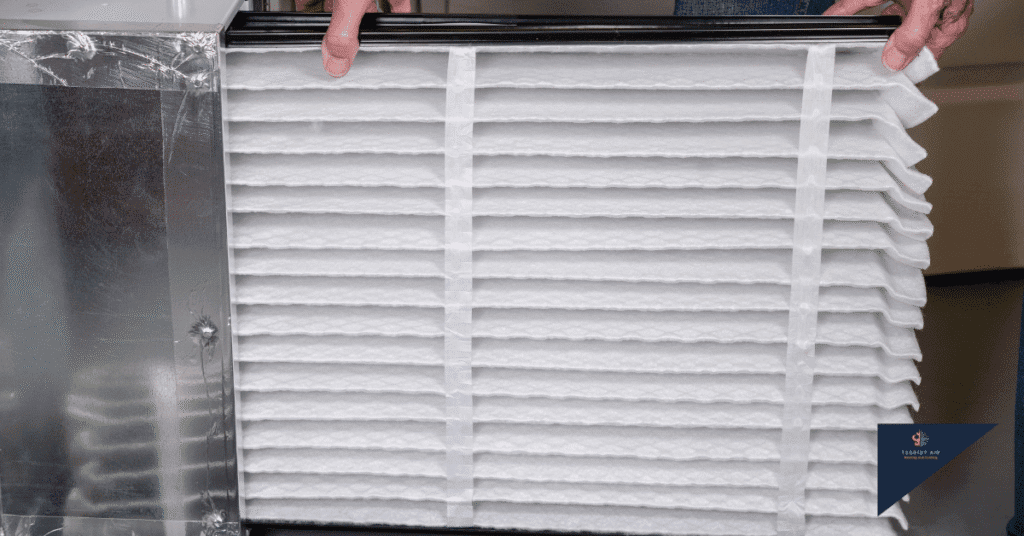
Consequences of Not Replacing the Air Filter
A neglected, damaged or poorly fitted filter can cause problems:
- Reduced filtration: A damaged or poorly fitted filter can let air bypass the media.
- Restricted airflow: A heavily loaded filter can interfere with system performance.
- Potential service costs: Even a $20 filter needs regular attention. Persistent problems may require assessment of the equipment or furnace replacement options; this is not a repair-price estimate.
- Possible damage: Neglected airflow problems can contribute to equipment failure; prompt diagnosis matters.
How to Check If Your HVAC Filter Needs Replacing
Even if you follow a schedule, check your filter once a month. Here’s what to look for:
- Heavy buildup or damage: Follow the replacement criteria for your filter; color alone is not a universal test.
- Weak airflow: Check the filter, but recognize that ducts, coils or blower problems can also be involved.
- More dust indoors: Check fit and condition, but do not assume the filter is the only cause.
- Longer operation: Weather and thermostat settings also affect runtime; persistent poor performance needs assessment.
Habits That Keep Filter Care Simple
- Follow the equipment’s professional maintenance schedule.
- Use the right filter size for your system.
- Use a filter rating the system can accommodate; ask before upgrading.
- Keep a monthly inspection reminder and a separate replacement date based on the instructions.
Keep a spare of the correct size and model, and make sure everyone responsible for the system knows where it goes.
Local Perspective – HVAC Filters in Kenner, LA
For Kenner homeowners, checking the actual filter is more useful than relying on a regional rule of thumb. Record how quickly it loads during your own heating and cooling use.
Tegridy Air can help identify the filter location, size and maintenance needs, or assess persistent airflow problems.
When a Filter Problem Needs More Attention
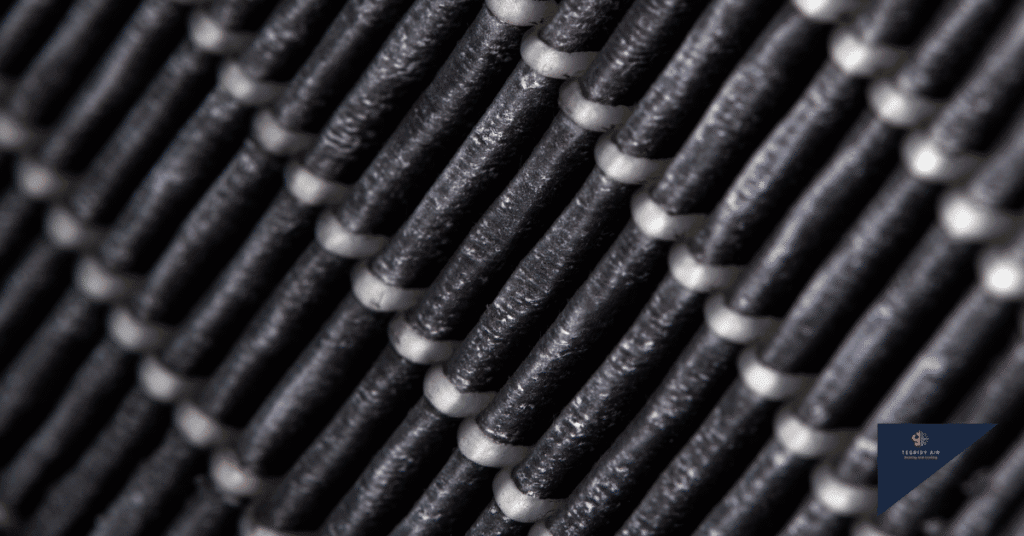
A filter that becomes unusually dirty very quickly deserves a closer look at fit, dust sources and the maintenance plan. Do not simply buy a more restrictive filter.
A wet filter or musty odor needs moisture-source assessment. Replacing the filter alone will not solve a leak or mold problem. See EPA’s moisture guidance.
If you see ice on the AC, turn cooling off and contact a technician. Do not chip the ice or assume a new filter has fixed the cause. Carrier’s frozen-AC guide explains why restricted airflow is only one possible cause.
Do not open service panels or reach into the blower to investigate. Ask for help if the filter itself is not safely accessible.
Adjusting the Schedule for Your Household
Use these prompts alongside the product instructions, rather than as fixed replacement deadlines:
- No pets: keep the monthly check; dust and runtime still vary.
- Shedding pets: check sooner if hair or dander builds up.
- Allergy concerns: confirm suitable filtration instead of assuming every filter should be changed monthly.
- Heavy system use: shorten the inspection interval if needed.
- Part-time homes: arrange checks while away; low occupancy does not guarantee a clean filter.
- Rentals: agree who checks the filter, supplies replacements and reports problems.
For rentals, keep the filter size, access instructions and responsibilities in writing. A $10 to $30 filter is a rough budgeting example, not a current quote; actual prices vary. Follow the rental agreement for arranging maintenance and reporting issues.
How to Change Your Filter, Step by Step
Only change a filter you can reach safely. Follow your equipment manual; if access requires unsafe climbing or opening a service compartment, arrange help.
- Turn the system off using the owner shutdown procedure in the manual, and wait for the fan to stop. Do not open an electrical panel.
- Locate the designated filter grille or slot. Not every return grille needs a filter; follow the installed design and do not add extra filters.
- Open only the filter access cover as instructed and remove the old filter carefully.
- Confirm the specified size and actual fit, using the manual and filter label. The filter should fit snugly without bending or crushing.
- Slide the new filter in with the airflow arrow on the frame pointing toward the furnace or air handler, the direction the air travels.
- Secure the filter cover before restarting. If weak airflow or whistling persists, stop troubleshooting and arrange service. Do not run the system without its required filter.
Write the date on the edge of the frame with a marker before you install it. Keep two or three spares in a closet so a change never waits on a trip to the store.
Choosing the Right Filter: MERV Ratings and Materials
MERV means Minimum Efficiency Reporting Value. It compares particle capture, not filter life. EPA recommends MERV 13 or the highest rating your system can accommodate when upgrading filtration. Confirm compatibility rather than choosing by climate alone.
- Lower-MERV fiberglass: Captures fewer of the tested particle sizes; follow the product’s replacement instructions.
- Pleated media: Available in different ratings and depths; choose a compatible model.
- MERV 13–16: Higher particle-capture ratings do not determine a universal replacement interval.
- Washable filters: Use the cleaning and drying procedure for that specific product.
Blower type alone cannot confirm compatibility. A technician may need to check the filter’s resistance, available filter area and total system airflow before an upgrade.
A deeper media filter needs a compatible cabinet. Some products allow longer service intervals, but do not force a thicker filter into a shallow slot or adopt another model’s schedule. AprilAire’s model-specific guidance illustrates why the instructions matter.
Filter Replacement Questions We Hear in the New Orleans Area
How often should I change my AC filter in Louisiana?
Inspect monthly throughout the year. Replace a dirty disposable filter or clean a reusable one as instructed; the exact interval depends on the filter and your home.
How often should air filters be changed in a rental property?
Use the same equipment-led schedule, with clear responsibility for checks and replacements. Inspect at turnover and address any dirt, damage or missing filter before use.
Does a higher MERV filter last longer?
Not necessarily. MERV describes particle capture. Filter design, surface area and loading affect service life, so use the exact product’s instructions.
Do I need a different filter for heating and cooling?
If heating and cooling share the same air handler and filter arrangement, they generally use the same specified filter. Separate systems may have different requirements; check each manual.
If airflow stays weak after the correct filter is fitted, call Tegridy Air at (504) 414-8655 to arrange an assessment. Keep internal coil, blower and electrical work with a qualified technician.
Final Thoughts
The useful routine is simple: inspect monthly, follow the product instructions, use the correct fit and rating, and get persistent performance problems checked.
Tegridy Air can help with filter questions, HVAC repair and installation.
Find us on Google