
A dirty air filter chokes the airflow your AC needs exactly when it needs it most. In a New Orleans summer the system may run ten or more hours a day, and a loaded filter makes every one of those hours harder: longer run times, a colder-running coil that can ice over, and a higher bill for less comfort. Here’s what’s happening inside the system and how to stay ahead of it.
Why Filters Load Faster in South Louisiana
Filter schedules written for a national audience assume the system rests for months at a time. Here the AC runs most of the year, and runtime — not the calendar — is what loads a filter with dust. A filter that lasts 90 days in a mild climate can be ready for replacement in half that time during a Kenner cooling season.
Check monthly from May through October: pull the filter and hold it up to a light. If light barely passes through, the AC is working through a wall of dust. Households with pets or nearby construction should expect the short end of every interval.
A dirty air filter can affect your air conditioner, heater, and overall indoor air quality. From higher energy bills to unexpected repairs, understanding the ways a clogged air filter could harm your heating and cooling system helps you prevent breakdowns and maintain comfort throughout your home.
What Does an Air Filter Do in Your HVAC System?
An air filter sits at the intake point of your HVAC system, capturing dirt, dust, pollen, and other airborne particles. Beyond improving indoor air quality, the filter protects key components in your air conditioning and heating and cooling system.
In an Air Conditioner
The AC filter protects sensitive components like the evaporator coil. A clean filter keeps airflow strong, but a dirty air filter restricts airflow, forcing the air conditioner to work harder. If the filter is clogged, the air conditioner’s evaporator coil may freeze, causing the system to overheat or break down.
In a Furnace
Filters keep dust out of the blower motor and heat exchanger. Without regular air filter replacement, dirt buildup creates wear and tear, lowers efficiency, and could cause safety issues that require furnace maintenance or repair.
Dual Purpose of Filters
- Protect HVAC system components from wear and tear
- Improve indoor air quality by reducing contaminants
When a dirty air filter restricts airflow, both functions fail and performance of your HVAC system drops significantly.
Signs of a Dirty Air Filter
Many homeowners overlook cleaning or replacing their air filter until issues show up. Look for these warning signs of a clogged air filter:
- Weak or inconsistent airflow from vents
- Higher energy bills or rising utility bills
- Dust building up faster on surfaces throughout your home
- Frequent HVAC cycling that causes the system to work harder
- Worsening allergy or asthma symptoms from poor indoor air quality
These problems caused by dirty air may seem minor at first, but ignoring them leads to costly HVAC repair or early filter replacement.
How a Dirty Air Filter Affects Your Air Conditioner
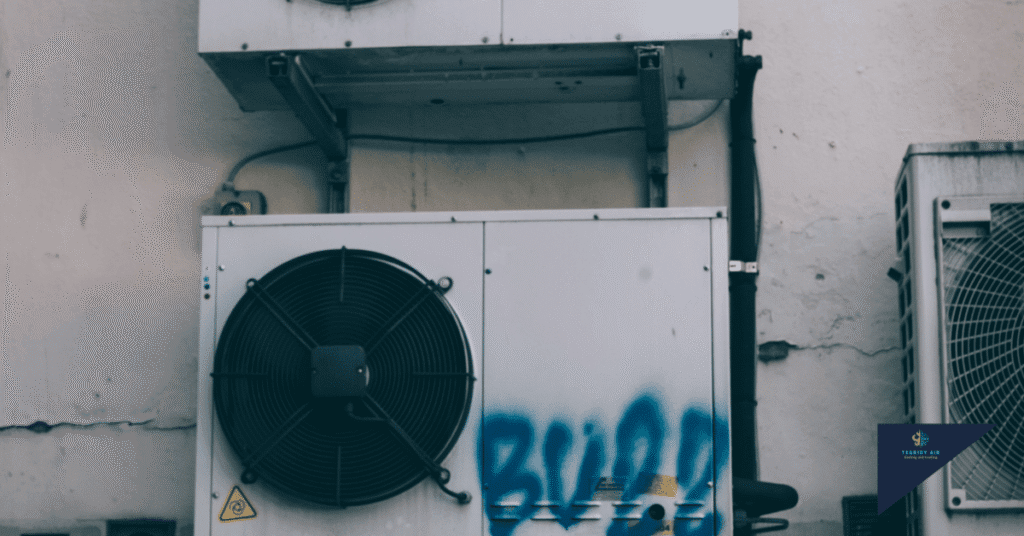
A dirty ac filter can cause your air conditioning system to lose efficiency and strain key parts.
Reduced Cooling Efficiency
A dirty air filter restricts airflow, making the ac unit take longer to cool your home to a comfortable temperature. The system runs longer, causing higher energy bills.
Frozen Evaporator Coil
Restricted air flow means the coil can’t absorb enough heat, leading to ice buildup. This may damage the compressor, causing the system to overheat and shut down.
Stress on Air Handler
When the air filter is clogged, the air handler fan motor works harder to push air. Over time, this causes wear and tear, leading to repair or replacement.
Increased Energy Consumption
A dirty air filter can affect efficiency, forcing the cooling system to run longer and consume more energy. This leads to decreased efficiency and unnecessary expenses.
How a Dirty Air Filter Affects Your Heater
Just like air conditioning, heating and cooling systems need steady airflow. A dirty filter could reduce safety and efficiency.
- Restricted Airflow and Overheat: If the filter is clogged, the furnace can overheat, triggering automatic shutdowns.
- Shortened Lifespan: A dirty air filter is one of the main causes of wear and tear, reducing the lifespan of your HVAC system.
- Higher Heating Costs: Dirty filters cause your system to work harder, leading to higher energy bills.
- Safety Concerns: Poor airflow may cause cracked heat exchangers, leading to dangerous carbon monoxide leaks.
Health Problems Caused by Dirty Air Filters
When dirty filters impact your HVAC filter performance, the system circulates airborne particles back into your home’s air.
- Allergies and asthma flare-ups from poor indoor air quality
- Increased dust, dander, and pollutants circulating throughout your home
- Mold spores spreading in humid environments
- Irritation of eyes, throat, and sinuses
Keeping your air filter clean is essential for your family’s health, especially if children, elderly, or pets live at home.
How Often to Replace Your Air Filter
How much a dirty air filter affects your system depends on replacement frequency. General guidelines include:
- Every 1–2 months for homes with pets or allergies
- Every 2–3 months for average households
- Monthly during high-use seasons like summer
- Check your air filter monthly in humid climates where filters get dirty faster
Filter type matters. Pleated air filters last longer, while reusable air filters require cleaning. A clogged filter is usually easy to spot, so checking your air filter regularly is the best habit.
DIY vs. Professional Filter Replacement
What Homeowners Can Do
- Clean your air filter or replace the filter on schedule
- Purchase the correct size HVAC filter
- Mark your calendar for checking your air filter
When to Call an HVAC Professional
- If air flow feels weak even after replacing your air filter
- If you notice ice on coils or frequent furnace shutdowns
- For advice on selecting the best AC filter
Professional HVAC cleaning, repair, and installation checks also include duct cleaning, air cleaners, and full inspections for better efficiency.
Preventative Maintenance for HVAC Efficiency
Replacing your air filter regularly is the simplest way to protect your heating and cooling system. Pair it with seasonal furnace maintenance and cleaning or replacing clogged parts.
- Seasonal Tune-ups: Spring and fall checks prepare the system for heavy use.
- Filter Replacement and Cleaning: Replacing your filter and cleaning the filter keeps air clean and your system to work efficiently.
- Professional Guidance: An hvac professional can recommend the right filter replacement schedule for your home’s air needs.
What Happens If Your Furnace Filter Is Dirty
A dirty furnace filter starves the furnace of airflow, so it runs longer, overheats, and shuts itself off. Before that happens you usually notice uneven heating, higher heating bills, and extra wear on the blower motor.
The heating side of your system reacts to a clogged filter faster than the cooling side does. A furnace makes heat whether or not air is moving, so when the filter blocks that air, the heat has nowhere to go.
Signs that point at the furnace filter specifically:
- Some rooms stay cold while others get too warm
- A stale or faintly burning smell when the heat first comes on
- Rooms take much longer to reach the thermostat setting
- The blower is louder or restarts more often than it used to
- Dust settles back on furniture within a few days of cleaning
Short Cycling: Why a Clogged Furnace Filter Shuts the Heat Off
Every furnace has a high-limit safety switch that cuts the burners when the cabinet gets too hot. A dirty filter traps that heat, the switch trips, and the furnace restarts a few minutes later. This on-and-off pattern is called short cycling.
Short cycling is hard on the equipment. Startup is the roughest part of any heating cycle, so a furnace that keeps restarting wears out sooner than one that runs in long, steady cycles.
- Temperature swings from room to room and hour to hour
- Louder and more frequent restarts
- Added strain on the blower motor and ignition parts
- A shorter service life for the whole furnace
- Safety lockouts that need a manual reset
If the heat still stops after a few minutes with a brand new filter, stop guessing and book furnace repair. A limit switch that keeps tripping on a clean filter points to a blower or heat exchanger problem.
A Dirty Filter Raises Static Pressure in Your Ducts
Static pressure is the resistance the blower has to push against, and a clogged filter raises it right away. A dirty filter is the most common cause of high static pressure and also the cheapest one to fix.
When static pressure climbs, the blower moves less air even though it works harder. In winter that means less air across the heat exchanger, so the furnace overheats. In summer it means less air across the evaporator coil, so the coil freezes. One clogged filter causes both.
High static pressure also forces more air out of leaky duct joints, which wastes heating and cooling you already paid for. A thick pleated filter or a very high MERV rating can add resistance even when the filter is clean, so buy a filter your system can actually handle. If pressure stays high after a fresh filter, the ducts or the filter slot may be undersized. Sealing or duct repair is the next step.
How to Check a Furnace Filter in One Minute
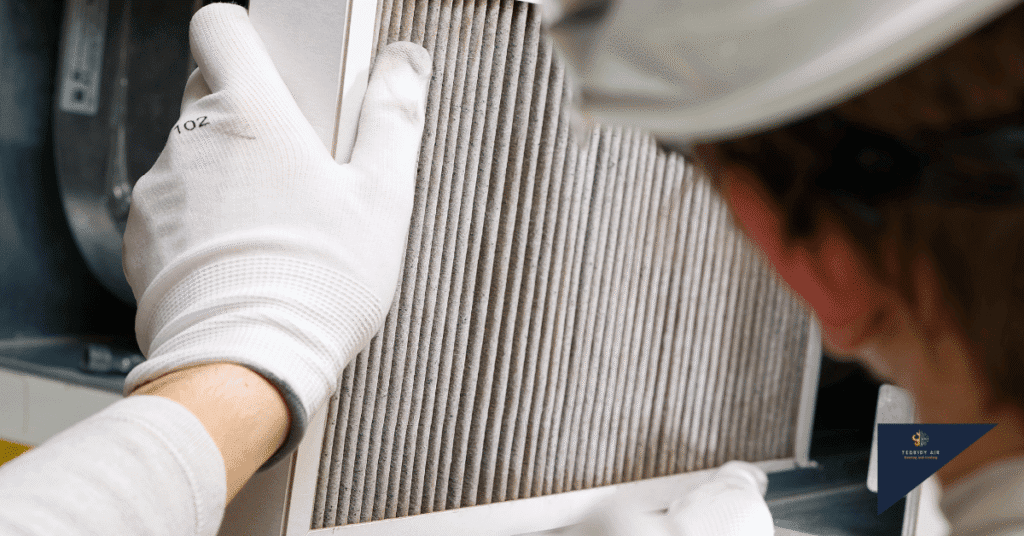
Hold the filter up to a bright light. If light will not pass through the pleats, it needs to be replaced.
- Turn the furnace off at the thermostat first
- Slide the filter out of the return grille or the slot beside the furnace
- Hold it up to a light bulb or a window
- Replace it if the filter looks gray or blocks the light
- Write down the size printed on the cardboard edge before you buy the next one
- Install the new filter with the arrow pointing toward the furnace
Replace the filter monthly instead of every three months if your home has pets that shed, a smoker, several occupants, ongoing renovation dust, or anyone with allergies or asthma.
Dirty Furnace Filter FAQs
What happens if a furnace filter is dirty?
The furnace loses airflow. It runs longer, overheats, trips its high-limit switch, and starts short cycling. You also get uneven heating, higher bills, more dust in the house, and added strain on the blower motor and heat exchanger.
What are the symptoms of a dirty air filter?
Weak airflow at the vents, rooms that never reach the set temperature, dust returning within days of cleaning, a power bill that climbs without a change in habits, worse allergy symptoms, and a system that starts and stops often.
How long can you run a furnace with a dirty filter?
Not long without paying for it. Most standard one-inch filters need replacing every one to three months. Once a filter looks gray, every extra week adds run time, wear, and cost.
Can a dirty furnace filter make the furnace shut off?
Yes. Heat builds up behind the clogged filter and the high-limit switch shuts the burners down to protect the equipment. If your furnace keeps quitting a few minutes after it starts, check the filter before you call anyone.
Does a dirty furnace filter cost more in South Louisiana?
The same filter usually works harder here. Humidity, pollen, and dust around Kenner and Metairie load a filter faster, and that same blower runs your cooling for most of the year. Checking the filter monthly is a reasonable habit in this climate.
If a new filter does not fix the heating problem, Tegridy Air is certified and insured and serves Kenner, Metairie, and the greater New Orleans area. Call (504) 414-8655 to schedule a furnace check.
Final Thoughts – Don’t Ignore a Dirty Air Filter
Tegridy Air: A dirty air filter can cause your air conditioner or heater to lose efficiency, overheat, and even break down. Problems caused by dirty air filters include higher utility bills, poor air quality, and costly repairs. Cleaning or replacing your air filter regularly is an inexpensive way to keep your home’s air clean, reduce energy consumption, and extend the lifespan of your HVAC system.
Find us on Google