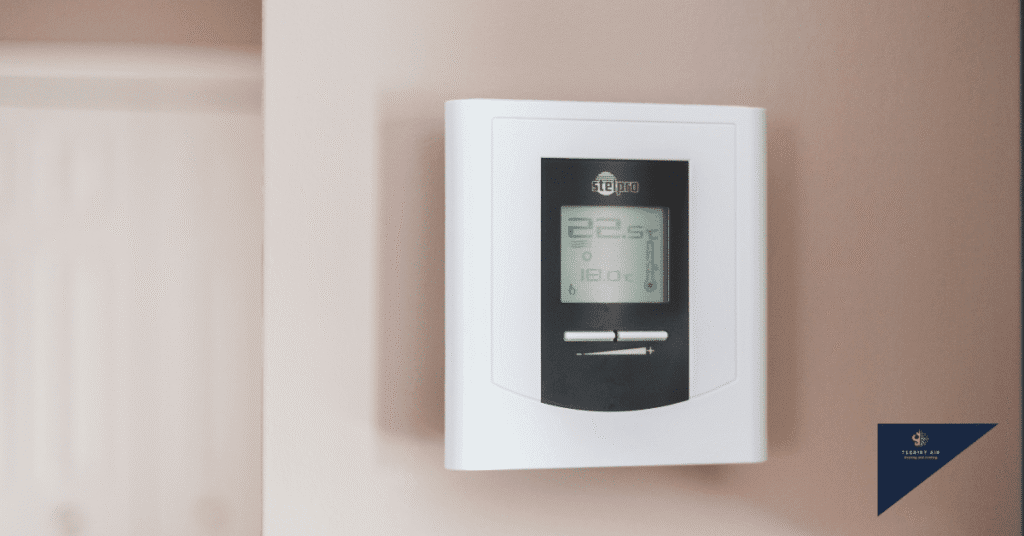
A blank display, inaccurate reading, or unresponsive setting can point to a thermostat problem, but HVAC power, airflow, and safety controls can produce similar symptoms. Start with the mode, schedule, and user-serviceable batteries described in your manual. Leave exposed wiring and electrical tests to a qualified technician.
Thermostat symptoms can resemble problems elsewhere in the HVAC system. These warning signs help you decide what to check and when to request a diagnosis; none by itself proves that the thermostat needs replacement.
Why Thermostats Matter in Your HVAC System
A thermostat is one of the most important parts of your heating and cooling system. It measures indoor air, signals your furnace or air conditioner, and keeps the temperature settings consistent. If the thermostat goes bad, the HVAC system may short cycle, run excessively, or fail to run at all.
- A malfunctioning thermostat can make your home uncomfortable.
- Faulty signals can cause short cycling that wears out motors.
- Inaccurate readings may drive up your energy bill.
In Kenner, Metairie, and New Orleans, noting when the problem occurs and any displayed error message can help a technician assess the thermostat and connected equipment.
9 Signs of a Faulty Thermostat
Here are 9 signs worth checking. Compare the thermostat settings and manual first, and leave wiring or equipment faults to a qualified technician:
- Incorrect Temperature Readings
Compare the reading with conditions near the thermostat. Sunlight, drafts, placement, or a sensor issue can affect the reading; a difference between rooms does not prove thermostat failure. - HVAC System Won’t Turn On or Off
Check the mode, schedule, and any model-specific operating delay. A control, power, safety-switch, or equipment fault may need professional diagnosis. - Short Cycling
A thermostat fault can cause frequent starts and stops, but airflow restrictions, refrigerant problems, or equipment faults can do the same. Diagnose the cause before replacing the thermostat. - Unresponsive Thermostat
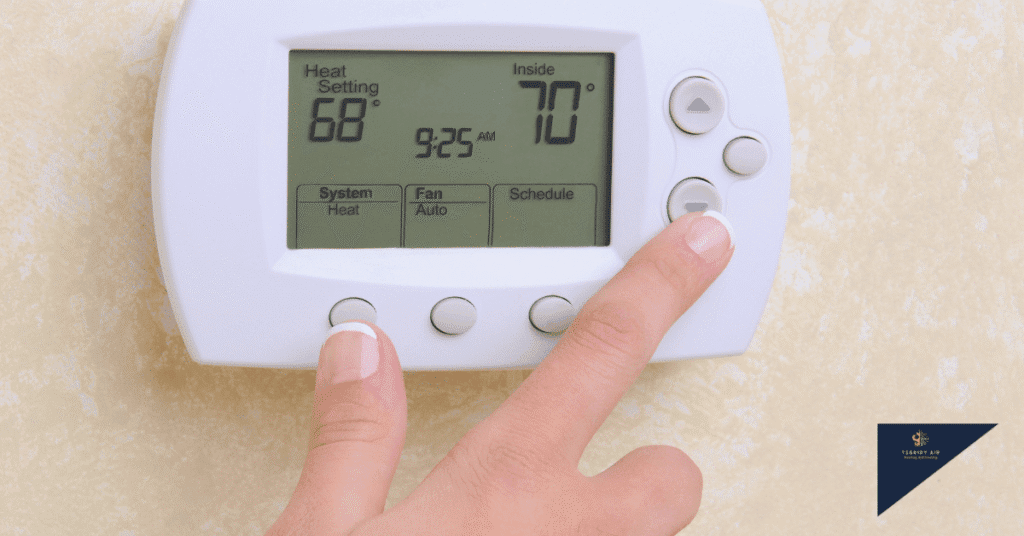
Check whether a screen lock, schedule, or battery issue explains the behavior. Persistent lack of response needs diagnosis; do not open wiring compartments. - Uneven Room Temperatures
Thermostat location, ductwork, airflow, insulation, or zoning can contribute to hot and cold spots. The symptom alone does not identify a faulty thermostat. - Rising Energy Bills
Check usage and energy rates as well as settings. Higher costs alone do not prove the thermostat is causing inefficient cycles. - Blank or Flickering Display
Replace batteries if the manual calls for them. A power-supply, safety-control, or wiring problem may need professional diagnosis; do not touch exposed wiring. - Wrong Mode Settings
Confirm cool or heat mode and any schedule. Warm air in cooling mode can also result from an HVAC equipment fault. - Thermostat Is Old
Age can be a reason to review reliability and features, but it is not proof of failure. Base replacement on condition, compatibility, and a diagnosis.
Common Causes of Thermostat Failure
A thermostat problem can come from several sources:
- Dust or dirt affecting the thermostat; follow only the manufacturer’s cleaning instructions.
- Dead batteries or loose wiring connections.
- Bad wiring or faulty wiring causing poor signals.
- Sensor calibration loss over time.
- Component wear; age alone does not establish failure.
A diagnosis can determine whether recurring thermostat malfunctions need repair, replacement, or work elsewhere in the system.
When to Repair vs. Replace Your Thermostat
Sometimes thermostat replacement is unnecessary. Check settings and replace user-serviceable batteries as the manual directs. Leave wire tightening, electrical tests, and internal cleaning to a qualified technician.
Repair makes sense when:
- Dust or dirt needs cleaning.
- Batteries are dead.
- A technician identifies and repairs a loose wiring connection.
Discuss replacement when:
- A diagnosed fault makes repair impractical.
- The thermostat remains unresponsive after appropriate checks.
- A technician confirms that an unresolved thermostat fault affects operation.
- You want to upgrade to a smart thermostat or programmable thermostat.
If you’re unsure, let a technician inspect the thermostat to diagnose the problem and decide if it may be time to replace.
Benefits of Installing a New Thermostat
If it’s time to replace your thermostat, a new thermostat offers benefits:
- More accurate temperature settings and a properly functioning thermostat.
- Potential energy savings with compatible controls and appropriate settings.
- Better comfort with consistent heating or cooling.
- Control with a programmable thermostat or smart thermostat.
Choose a thermostat compatible with your equipment, staging, and any backup heat. Comfort and savings depend on correct installation and use. Stop troubleshooting if wiring is exposed or damaged, or if there is a burning smell, and arrange professional service.
Why Professional Help Matters
Attempting to troubleshoot or fix wiring on your own can be risky. A professional technician will:
- Confirm if the thermostat could be the problem.
- Diagnose whether the HVAC system or thermostat is at fault.
- Handle installation of a new model.
- Ensure your heating and cooling system functions safely.
Thermostat Inspection and Repair in Kenner, LA
At Tegridy Air, we provide thermostat repair, cleaning, and installation across Kenner, Metairie, and nearby Louisiana communities. If the thermostat was installed long ago or shows the following signs, it may be time to consider thermostat replacement. We help you get your thermostat back in proper working order so your home remains comfortable.
Conclusion: Faulty Thermostat
Tegridy Air: A thermostat may be small, but it plays a big role. If you spot symptoms of a bad thermostat like inaccurate readings, blank screens, or frequent short cycling, don’t ignore them. These are strong signs you need professional help.
The 9 Signs to Remember:
- Incorrect readings
- System won’t turn on/off
- Short cycling
- Unresponsive thermostat
- Uneven temperatures
- Rising energy bills
- Blank/flickering screen
- Wrong heating/cooling mode
- Old thermostat
If these symptoms persist, request a diagnosis of the thermostat and HVAC system. Repair or replacement should address the confirmed cause.
Find us on Google